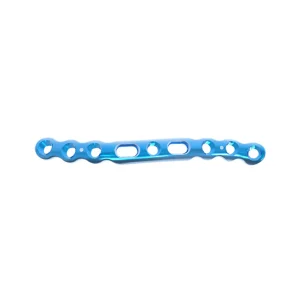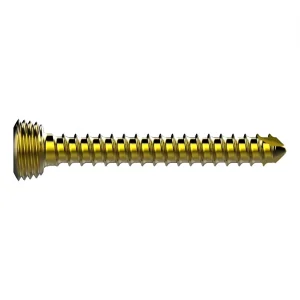
Primary Trauma & Spine Matrix
Precision Implant Screws & Core Fixation Assemblies
Explore our certified orthopedic systems, manufactured under strict ISO 13485 standards for trauma, reconstruction, spine, and minimally invasive clinical applications.
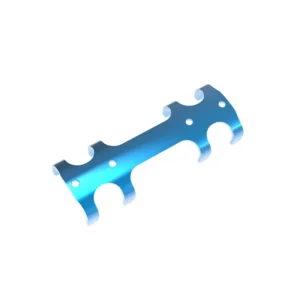
OEM Titanium Rib Claw Plate for Pectorales AO Manufacturers, Company
View Specifications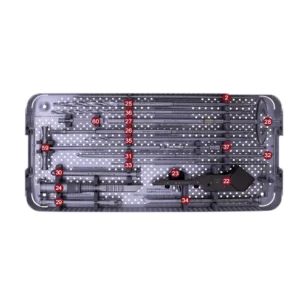
Famous Surgical InterZan Intramedullary Nail Instrument Set Factory, Quotes
View Specifications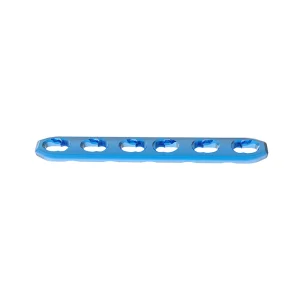
Wholesale Tibia Limited Contact Locking Compression Plate Manufacturer, Supplier
View Specifications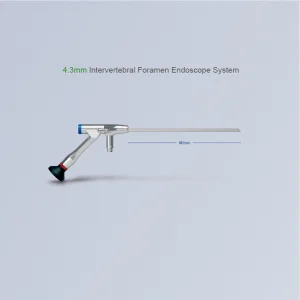
ODM 4.3mm Intervertebral Foramen Endoscope System Product, Products
View Specifications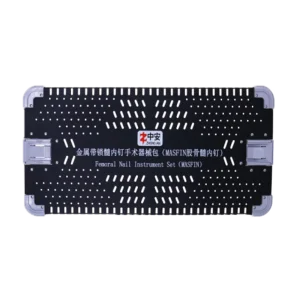
China MASFIN Expert Femur Intramedullary Nail Instrument Set Quotes, Companies
View Specifications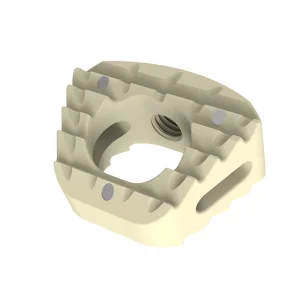
Discount ZATH Brand Cervical Interbody Cage PEEK Cage Factory CE ISO Pricelist, Quotes
View Specifications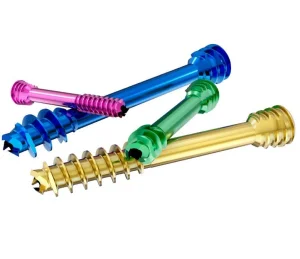
Famous Medical use double threaded cannulated screw with price Factory, Exporters
View Specifications
Clinical Biomechanics & Engineering
Resolving Biomechanical Failure Modes in Orthopedic Screw Systems
Modern internal fracture fixation relies upon immediate mechanical stabilization and preserved periosteal blood supply. However, clinical orthopedics faces continuous failure risks: screw head stripping during insertion, cold welding in titanium locking plate interfaces, screw loosening under dynamic cyclic loading, and stress shielding from mismatched elastic moduli.
As an authoritative OEM implant screw exporter and manufacturer, Beijing ZhongAnTaiHua Technology Co., Ltd. (ZATH) resolves these clinical bottlenecks through advanced thread geometry, optimized lead-in angles, and micro-engineered self-tapping cutting flutes. Our variable-pitch headless cannulated screws generate controlled interfragmentary compression without head prominence, mitigating soft-tissue irritation in scaphoid and intra-articular fractures.
Torx & Stardrive Recesses
ASTM F543 Torsional Testing
Anodization Type II Anti-Galling
Double-Lead High Pitch
Comparative Mechanical Performance Matrix
| Engineering Attribute | Standard Commercial Screws | ZATH OEM High-Precision Series |
|---|---|---|
| Drive Interface | Standard Hexagonal (Strip-Prone) | Torx / Stardrive (Zero-Cam-Out) |
| Material Purity | Commercial Ti-6Al-4V Grade 5 | Medical Grade Ti-6Al-4V ELI (ASTM F136) |
| Fatigue Limit (Cycles) | < 1.0 × 10⁶ @ 250 MPa | > 5.0 × 10⁶ @ 380 MPa (ASTM F543) |
| Thread Pitch Tolerance | ± 0.05 mm | ± 0.008 mm (Swiss High-Speed CNC) |
| Surface Roughness (Ra) | 0.8 μm – 1.2 μm | Ra ≤ 0.4 μm (Electropolished Core) |
Cold-Welding Prevention
Cold-welding between titanium locking screws and anatomical bone plates presents severe complications during hardware removal. ZATH applies Type II anodization and precision-controlled taper angles to threaded screw heads, eliminating galling under extreme torque.
Micro-Motion & Back-Out Resistance
Dynamic spinal flexion and ambulatory limb loads cause progressive micro-loosening in low-grade fasteners. Our cortical and cancellous screws feature reverse-cutting flutes and asymmetric buttress threads that optimize holding power and pull-out resistance in osteoporotic bone.
Stress Shielding Mitigation
By pairing select pedicle screws and cervical plates with PEEK Optima interbody cages and fine-tuned titanium core diameters, our fixation systems deliver an elastic modulus closer to cortical bone (18 GPa), promoting physiological Wolff's Law bone remodeling.
Smart Manufacturing & Infrastructure
China Factory 4.0: Supply Chain Resilience & Micrometer Tolerances
Operating from the Zhongguancun Science and Technology Park in Pinggu, Beijing, ZATH combines high-speed multi-axis Swiss CNC manufacturing, raw material traceability, and automated optical metrology.
Manufacturing Infrastructure & Quality Gates
- Swiss-Type Sliding Headstock Lathes: Citizen and Star multi-axis CNC machines executing single-setup turning, threading, cannulation drilling, and head milling without re-clamping error.
- 100% Certified Raw Materials: Every titanium rod bar stock arrives with full ultrasonic test reports and chemical heat composition certificates adhering to ASTM F136 / ISO 5832-3.
- In-Line Laser Metrology: Non-contact automated optical dimension checking verifies major diameter, minor core diameter, thread pitch, and flute symmetry at 20-second cycle intervals.
- Class 100,000 Cleanroom Processing: Multi-stage ultrasonic solvent degreasing and hot DI water cascades followed by validated primary barrier blister packaging (ISO 11607).
Vertical Integration from Bar Stock to Sterile Blister
Global supply chain volatility has made supply security a major risk for orthopedic brand owners and hospital distributors. Founded in 2009, ZATH maintains complete vertical control across raw material receiving, wire electrical discharge machining (EDM), CNC processing, electropolishing, surface anodization, and sterile barrier packaging.
With more than 300 experienced professionals and nearly 100 dedicated technical engineers, our facility eliminates reliance on sub-tier machining contractors. This integrated infrastructure guarantees continuous lot-to-lot consistency, rapid production ramping, and predictable delivery timetables.
15+
Years Orthopedic Manufacturing Excellence
±5 μm
Critical Thread & Cannulation Tolerances
100%
Raw Material Heat & Lot Traceability
4-6 Days
Rapid Worldwide Express Dispatch
Contract Manufacturing Intelligence
Meeting Global Enterprise Sourcing & DFM Specifications
Enterprise medical brand owners require more than standard production; they demand Design for Manufacturability (DFM) input, custom tooling sets, private label registration, and flexible batch logistics.
Design for Manufacturability (DFM)
Our senior orthopedic engineering team collaborates with international R&D departments during early CAD phases to refine flute exit angles, core tapers, and thread lead-ins, cutting machining cycle times by up to 30% while improving structural integrity.
Sterile-Packaged Kit Solutions
In addition to bulk non-sterile implants, ZATH supplies validated double-barrier sterile blister packs (Gamma or EO gas sterilized). Implants arrive pre-labeled with custom 2D DataMatrix barcodes, UDI tracking, and patient chart stickers to optimize operating room prep.
Dedicated Matching Instrument Sets
A screw is only as reliable as its driver. We engineer paired surgical instrumentation sets—including quick-coupling torque-limiting screwdrivers, drill bits with laser-etched depth gauges, tap sleeves, and guide wires—ensuring complete procedural synergy.
Audit-Ready Compliance
Global Regulatory Assurance & Localized Filing Support
Procuring orthopedic implants across borders requires strict adherence to international regulatory standards. ZATH operates a comprehensive Quality Management System certified under ISO 13485:2016, maintaining validated technical documentation aligned with EU MDR (EU) 2017/745 Class IIb and Class III requirements, as well as US FDA 510(k) predicate device standards.
Our regulatory affairs department provides global distributor partners with full Registration Dossier packages, including certified Raw Material Mill Test Reports, Cytotoxicity and Biocompatibility testing per ISO 10993 series, Biomechanical Validation per ASTM F543 (axial pull-out strength, driving torque, and torsional yield), and validated Free Sale Certificates (FSC).
ISO 13485:2016 QMS
ISO 10993 Biocompatibility
MDR Class IIb Technical Files
UDI / EUDAMED Ready
Distributor Regulatory Support Package
Accelerate your local Ministry of Health registration with our comprehensive compliance documentation:
- Full device master records (DMR) & device history files (DHF)
- Sterilization validation dossiers (ISO 11137 Radiation / ISO 11135 EO)
- Packaging shelf-life & accelerated aging reports (ASTM F1980)
- Clinical evaluation reports (CER) prepared by biomechanical experts
- Apostilled Free Sale Certificates and Certificates of Analysis (COA)
Next-Generation Fixation
Technology Roadmap: The Future of Orthopedic Fixation Screws
As orthopedic surgery advances toward robotics, patient-specific implants, and biological osteoinduction, ZATH invests heavily in next-generation research programs.
Bioabsorbable Magnesium & Zinc Alloys
Eliminating secondary removal surgeries is a major focus in pediatric and sports medicine. ZATH R&D is formulating controlled-degradation magnesium-zinc alloys that provide mechanical stability for 12–16 weeks before converting into biocompatible bone minerals.
3D Additive Porous Lattice Architecture
Integrating Selective Laser Melting (SLM) additive manufacturing directly into screw shank designs allows for interconnected microporous structures (300–500 μm pore size), encouraging rapid trabecular bone ingrowth and long-term biological anchoring.
Smart Sensors & Anti-Microbial Coatings
We are actively exploring electrochemical nano-silver/hydroxyapatite (HA) composite coatings to prevent surgical site bio-film formation, alongside smart instrument-integrated torque-sensing chips that protect patient bone integrity in robotic-assisted surgery.
Technical & Commercial FAQ
Frequently Asked Questions for Medical Device Procurement Teams
Clear, direct answers regarding metallurgy, quality control, OEM customization, regulatory support, and delivery timelines.
Which titanium grades are used in ZATH implant screws?
We manufacture our orthopedic screws primarily from medical-grade Ti-6Al-4V ELI (Extra Low Interstitial) conforming to ASTM F136 and ISO 5832-3. We also machine select fracture fixation lines from high-grade implant stainless steel (ASTM F138 316LVM) based on hospital tender requirements.
What is the standard tolerance range for custom OEM screw geometries?
Our multi-axis Swiss CNC machining centers maintain continuous thread tolerances within ±0.008 mm, with outer major and minor diameters controlled within ±0.005 mm. Cannulation concentricity is guaranteed within 0.02 mm across all screw lengths.
Can you manufacture screws with custom driver recesses (e.g., Stardrive, Hex, Torx-Plus)?
Yes. We regularly produce custom screw heads with Torx, Stardrive, cruciate, square, and hexagonal drive sockets, engineered to exact customer drawing tolerances and matched with our custom torque-limiting screwdrivers to eliminate intraoperative cam-out.
How does ZATH conduct mechanical testing under ASTM F543?
Every batch undergoes rigorous in-house mechanical testing in accordance with ASTM F543: Annex A1 (Torsional Strength & Breaking Angle), Annex A2 (Driving Torque), Annex A3 (Axial Pull-out Strength), and Annex A4 (Self-Tapping Performance). Complete test documentation is provided with every shipment.
What sterile packaging options are available for contract manufacturing?
We supply pre-sterilized double Tyvek-PET blister packs validated under ISO 11607 (Gamma radiation or EO sterilization), complete with 2D DataMatrix UDI barcodes, tamper-evident seals, and customized multi-language hospital peel-off labels.
What is the standard lead time for international distributor shipments?
Catalog inventory orders ship within 48 to 72 hours via international express (DHL, FedEx, UPS, TNT, or EMS), arriving in most global destinations within 4 to 6 business days. Custom OEM/ODM production batches typically deliver within 4 to 6 weeks, depending on tooling requirements.
Reconstruction & Sports Fixation Portfolio
Comprehensive Orthopedic Implants & Specialized Instruments
Explore our broader line of anatomical plates, soft-tissue anchors, pins, and surgical instrument kits—all manufactured to the same stringent aerospace-grade orthopedic standards.
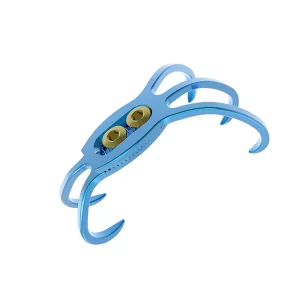
Cheap Patella claw S M L patella bone fracture solutions Supplier, Exporters
View Specifications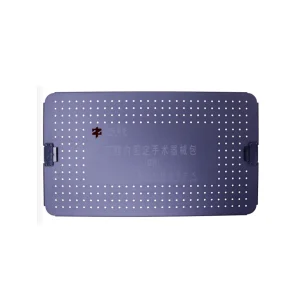
China High Quality Pelvic Reconstruction Plate Instrument Set Factories, Exporters
View Specifications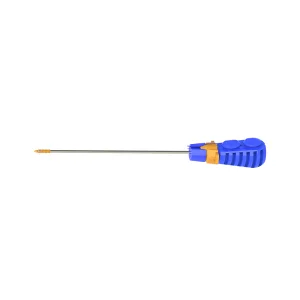
Wholesale Titanium Alloy knotless all adult titanium suture anchor with needle Pricelist, Products
View Specifications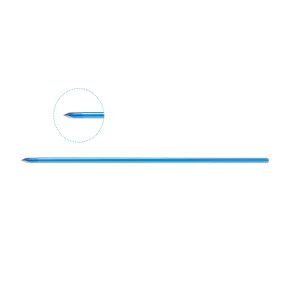
Best Diameter 1.5mm 2.0mm 2.5mm 3.0mm Titanium Alloy Threaded Bone Pin Manufacturers, Exporter
View Specifications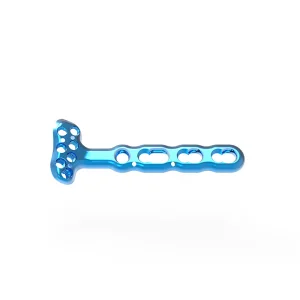
Cheap DVR Locking Compression Plate Factories, Company
View Specifications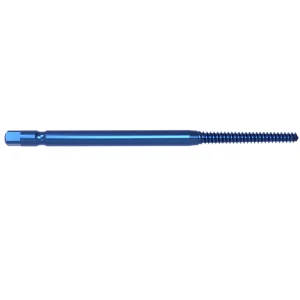
CE Certification Pin for External Fixation Quotes, Products
View Specifications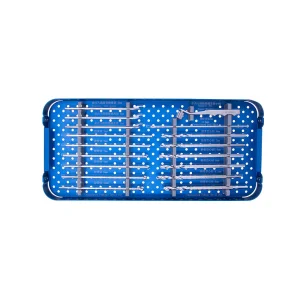
Buy ACL/PCL Reconstruction Instrument Set Supplier, Exporters
View Specifications