Discount ZATH Brand Cervical Interbody Cage PEEK Cage Factory CE ISO Pricelist, Quotes

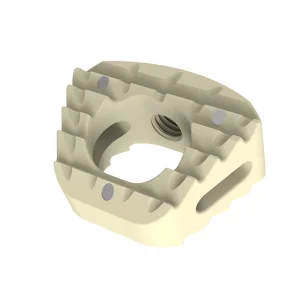
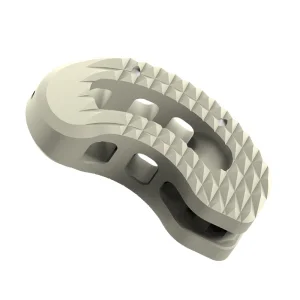
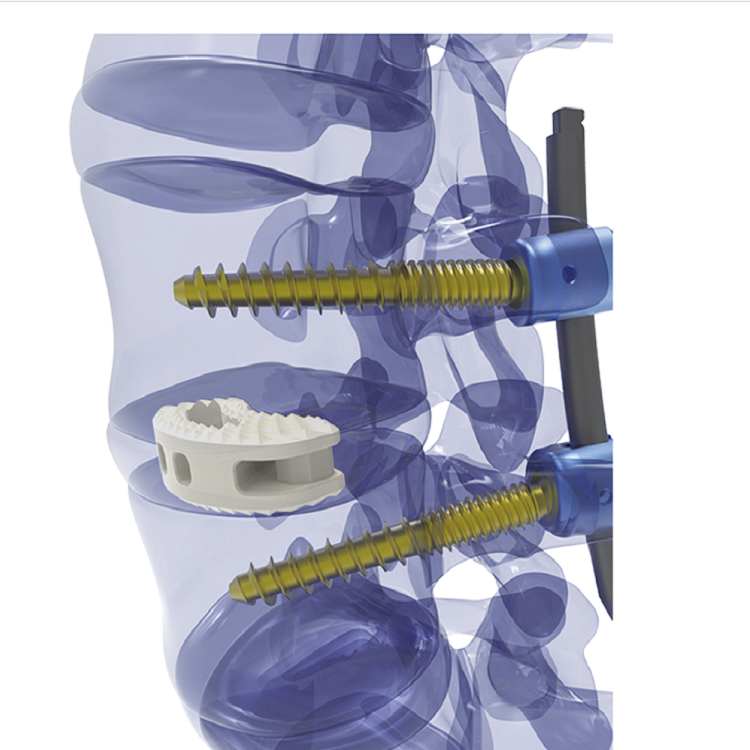
PEEK radiolucent material with a modulus of elasticity between cortical and cancellous bone, allowing load sharing Large lumen maximizes area for packing autogenous bone graft allowing fusion to occur through the cage Create additional surface area for bone growth Superior and inferior teeth provide resistance to expulsion forces, reducing the risk of implant migration Sterilization package

Product Description

Cervical Interbody Cage Specifications
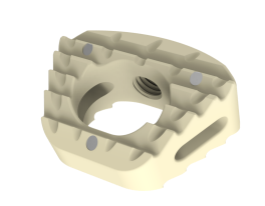
Cervical Interbody Cage
Available Heights 4 mm, 5 mm, 6 mm, 7 mm, 8 mm, 9 mm Height
Material PEEK
Qualification CE / ISO13485 / NMPA
Package Sterile Packaging 1pcs/package
MOQ 1 Pcs
Supply Ability 1000+ Pieces per Month

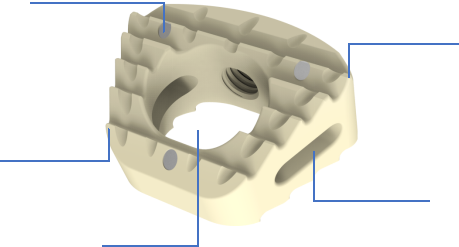
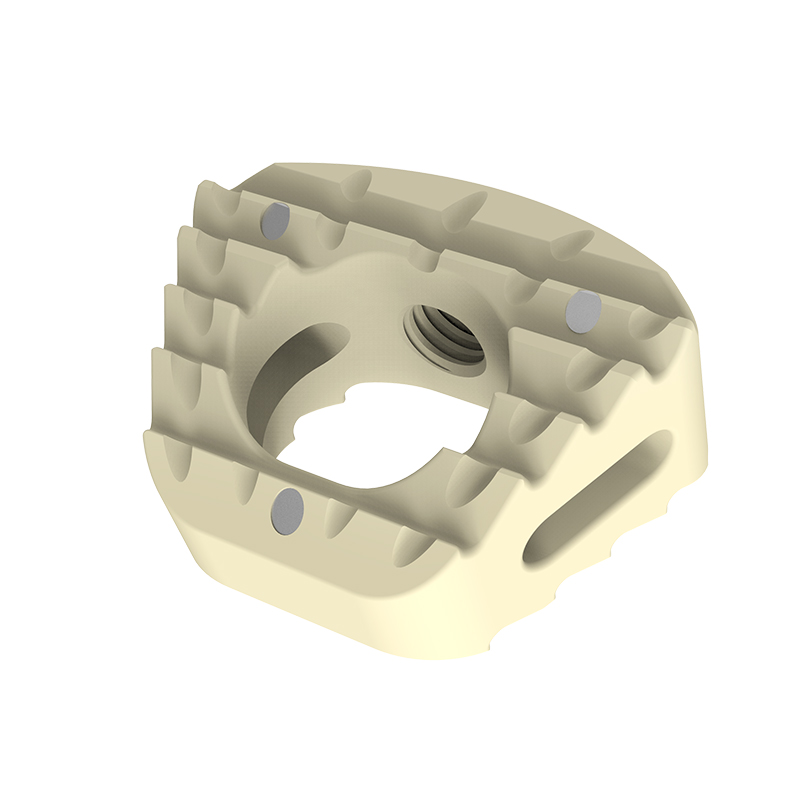
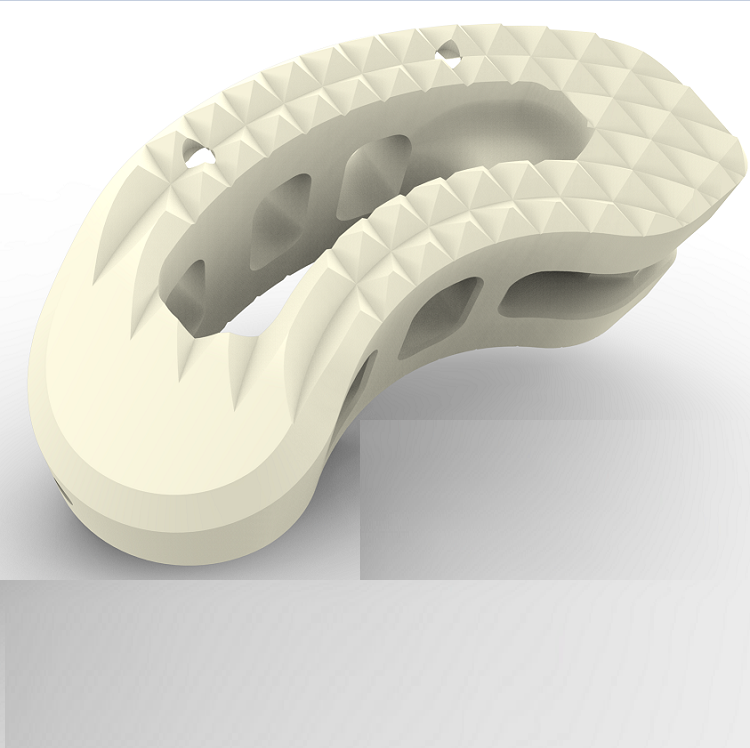
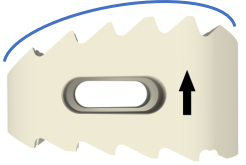
Convex Design & Structural Features

Trapezoid Anatomical Shape

To achieve proper sagittal alignment

Lateral Openings

Facilitates vascularization

Tantalum Markers

Allow for visualization and implant placement verification.

Pyramidal Teeth

Prevent implant migration

Large Center Opening

Allows more area for bone graft-to-endplate contact

Key Clinical Benefits

Disperse stress to maintain the interbody balance
Restore cervical normal lordosis
Reduce the damage to vertebral anterior edge during implanting
The anatomic design reduce the risk of prolapse

Placement Considerations & Contraindications
There are several contraindications to consider before undergoing Cervical Interbody Cage (CIC) placement. These contraindications may include:

Active infection or systemic infections: Patients who have active infections, such as osteomyelitis or sepsis, are usually not suitable candidates for CIC placement. This is because the procedure may introduce bacteria or other pathogens into the surgical site, leading to further complications.
Severe osteoporosis: Patients with severe osteoporosis, which is a condition characterized by low bone density and increased risk of fractures, may not be suitable candidates for CIC placement. The weakened bone structure may not provide enough support for the cage, increasing the risk of implant failure.
Allergy or sensitivity to implant materials: Some individuals may have allergies or sensitivities to certain implant materials, such as titanium or polyetheretherketone (PEEK). In such cases, CIC placement may not be recommended, and alternative treatment options should be considered.
Unrealistic patient expectations: Patients with unrealistic expectations or those who are not committed to post-operative care and rehabilitation may not be suitable candidates for CIC placement. It is important for patients to have a clear understanding of the procedure, its potential outcomes, and the required recovery process.
Insufficient bone quality or quantity: In some cases, the patient may have insufficient bone quality or quantity in the cervical spine region, which may make CIC placement challenging or less effective. In such cases, alternative treatment options, such as anterior cervical discectomy and fusion (ACDF) or posterior cervical fusion, may be considered.

It is important to note that these contraindications may vary depending on the individual patient and their specific medical condition. It is always best to consult with a qualified healthcare professional to determine the suitability of CIC placement based on the patient's unique circumstances.

Frequently Asked Questions (FAQ)

Q What material is the Cervical Interbody Cage made of?

The cage is manufactured from biocompatible PEEK (polyetheretherketone) and is equipped with integrated tantalum markers to facilitate precise visualization and implant placement verification under fluoroscopy.

Q What height options are available for this cervical cage?

To accommodate diverse patient anatomies and disc space requirements, the implant is provided in 6 distinct heights: 4 mm, 5 mm, 6 mm, 7 mm, 8 mm, and 9 mm.

Q How does the design promote fusion and stability?

The device features a trapezoid anatomical shape to restore lordosis, pyramidal teeth to prevent implant migration, lateral openings to facilitate vascularization, and a large center opening allowing substantial bone graft-to-endplate contact.

Q What are the clinical contraindications for CIC placement?

Contraindications include active or systemic infections, severe osteoporosis, known allergies or sensitivities to implant materials (such as PEEK), insufficient bone quality or quantity, and unrealistic patient recovery expectations.

Q What are the packaging specifications and certifications?

Each Cervical Interbody Cage is supplied in individual sterile packaging (1 pcs/package). It complies with international quality standards backed by CE, ISO13485, and NMPA certifications, with an MOQ of 1 piece and a monthly supply capacity exceeding 1,000 pieces.
Related Products