
Precision Trauma & Arthroplasty Formats
Explore high-tolerance continuous locking plates, anatomical reconstructions, and matching instrument universal sets certified for international clinical use.
Evolution of Continuous Bone Plate Architectures
A technical overview of continuous locking compression mechanics, multi-axial fixation, and modern osteosynthesis biomechanics.
In modern orthopedic reconstructive trauma surgery, the transition from conventional rigid non-locking plates to continuous locking compression plate (LCP) systems represents a fundamental paradigm shift. Traditional plating mechanisms relied entirely on the frictional force generated between the plate and the periosteum by standard cortical screws. This compression often caused periosteal necrosis, compromising the cortical vascular supply and increasing the probability of non-union, delayed consolidation, or refracture upon hardware extraction.
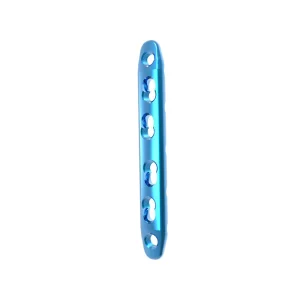
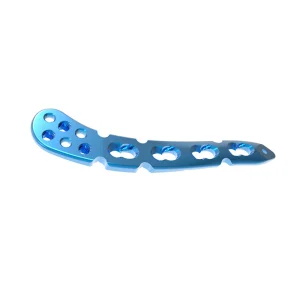
Continuous dynamic and locking compression plates solve these biological constraints through a series of consecutive threaded screw holes combined with dynamic compression slots. By securing threaded screw heads into corresponding threaded plate eyelets, the system acts as an internal-external fixator. The plate does not need to press against the periosteum with extreme force to sustain rigid fracture stabilization, preserving the microscopic periosteal microcirculation critical for callus formation and osteoblast migration.
Biological Osteosynthesis
Limited Contact Dynamic Compression designs (LC-DCP) incorporate scalloped undersurfaces. By reducing the contact footprint by over 50%, blood perfusion to the injured bone segments is substantially retained.
Continuous Hole Geometry
Continuous com-bi holes allow surgeons intraoperative agility—choosing dynamic axial compression using standard cortical screws, fixed-angle rigid locking constructs, or a hybrid arrangement within the same plate footprint.
Anatomical Pre-Contouring
High-precision 5-axis CNC machining yields continuous anatomically pre-shaped plates matching clavicular, humeral, and tibial curvatures, virtually eliminating stressful on-site plate over-bending.
Procurement Demands & Industry Solutions
Addressing the stringent technical hurdles faced by medical distributors, national tender commissions, and healthcare conglomerates.
Batch Homogeneity & Traceability
Medical distributors often struggle with inconsistent metallurgy between manufacturing batches. ZATH enforces 100% optical spectrometry, multi-point coordinate measuring machine (CMM) inspections, and traceable raw material heat certs per lot.
Regulatory Dossier Preparation
Tender participation demands fast access to full technical documentation. We furnish complete biocompatibility files, ISO 10993 cytotoxicity validation, mechanical fatigue protocols (ASTM F382), and Free Sale Certificates (FSC) on demand.
Sterilization & Shelf-Readiness
Hospitals are progressively moving away from unsterilized bulk caddies due to decontamination bottlenecks. All ZATH continuous plates and screws are available with cleanroom-packed, gamma/EO validated sterile single-unit blister packs.
Localized Support & Strict Compliance Engineering
How Beijing ZhongAnTaiHua Technology Co., Ltd. (ZATH) guarantees reliable execution from initial casting to bedside insertion.
Headquartered in the Zhongguancun Science and Technology Park, Pinggu District, Beijing, ZATH integrates 15+ years of clinical biomechanical innovation across a vertically integrated production campus. Our 300-member workforce includes almost 100 dedicated technical specialists who oversee each milestone under an ISO 13485-certified quality management system.
Surgical Instrumentation
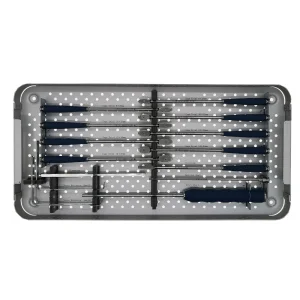
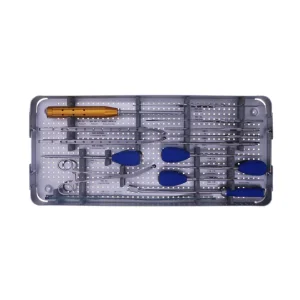
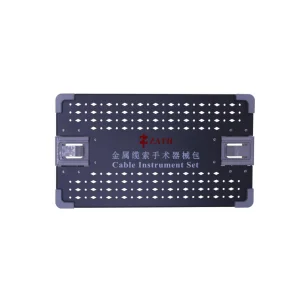
Every bone plate series comes supported by dedicated, ergonomic instrument sets designed to streamline screw insertion, reduce operatory time, and prevent driver strip out.
OEM / ODM Agility
From customized plate hole layouts, altered bend radii, customized thread pitches, to private-label sterile blister box branding, we provide turn-key contract manufacturing services.
Clinical Training Support
We provide comprehensive sawbone workshop manuals, surgical technique guides (STGs), and high-resolution CAD animation videos to train distributor sales forces and clinical reps.
Rapid Delivery Hubs
Operating agreements with express carriers (DHL, FedEx, UPS, TNT) ensure that sterile replacement sets and emergency re-orders arrive at international distribution centers within 4 to 6 days.
Technical Roadmap: Next-Gen Bone Plate Systems
The progression of continuous internal fixation towards patient-specific design, additive manufacturing, and smart bioresorbability.
Anodic Micro-Oxidation & PVD
Refining titanium alloy (Ti-6Al-4V ELI) surfaces with type-II anodization and nanostructured coatings. This minimizes cold-welding between screw threads and plate holes while improving soft-tissue adherence and bacterial biofilm deterrence.
3D EBM Electron Beam Melting
Integrating 3D printing into customized continuous plates for complex non-unions, oncological resections, and pelvic trauma. Trabecular titanium structures allow native bone ingrowth directly into the plate body.
Smart Fixation & Degradation
R&D into bioabsorbable continuous composite plates (Mg-alloy & self-reinforced polymers) alongside micro-strain sensor embedding to wirelessly report real-time bone healing tension directly to surgeon dashboards.
Complementary Internal Fixation Implants
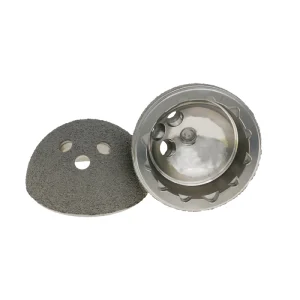
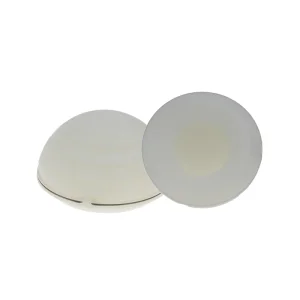
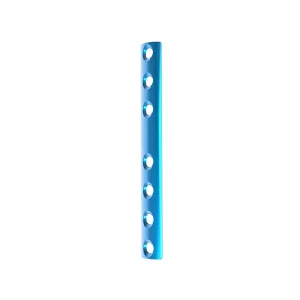
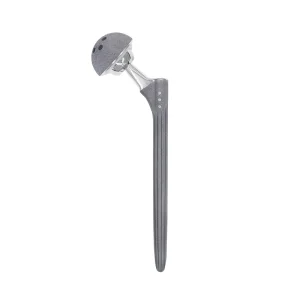
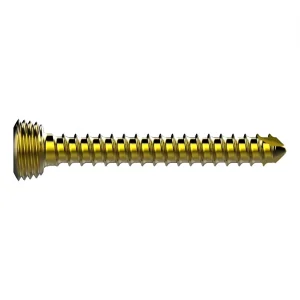
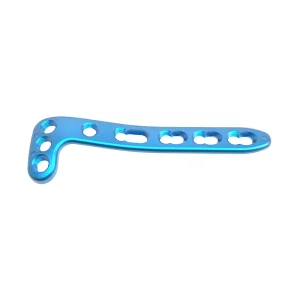
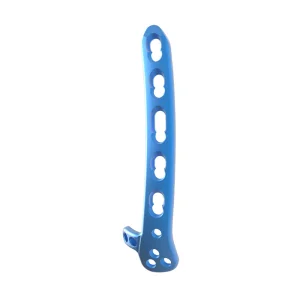
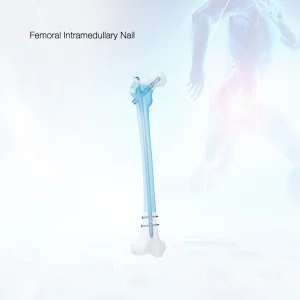
Complete surgical lines for orthopedics: tubular locking plates, intramedullary rods, locking screws, and joint prostheses.
Frequently Asked Questions (FAQ)
Essential guidance for international hospital purchasing committees, OEM distributors, and clinical specialists.