
Core Trauma & Joint Fixation Assemblies
Engineered for seamless compatibility with Swiss surgical protocols, micro-tolerance alignment, and dependable clinical outcomes.
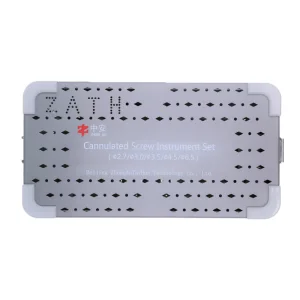
Stainless Steel Cannulated Screw Instrument Set (Swiss Standard)
Learn More & Inquire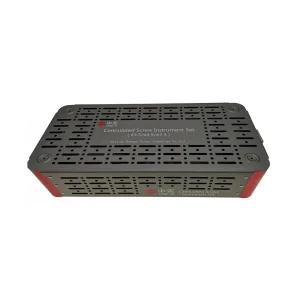
Professional Ф3.5/4.5/7.3 Cannulated Screw Instrument Set Switzerland
Learn More & Inquire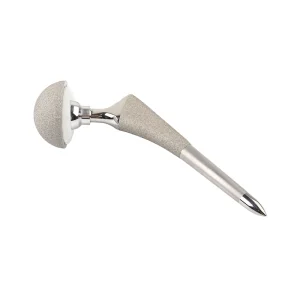
Swiss Specification FDS Cementless Stem Hip Joint Prosthesis
Learn More & Inquire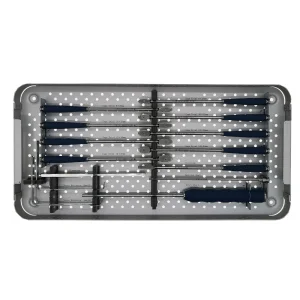
Precision Thoracolumbar PLIF Cage Instrument Set for Swiss Practice
Learn More & InquireSwiss MedTech Landscape & Global Cannulated Instrument Dynamics
A deep dive into clinical criteria, rigorous regulatory barriers, and high-performance cross-border manufacturing architectures.
Switzerland's Medtech Prestige vs. Cost-Containment Pressures
Switzerland represents the historical apex of orthopedic biomechanics and surgical instrument engineering. As the home of the AO Foundation (Arbeitsgemeinschaft für Osteosynthesefragen) and international hubs like the "Medical Cluster" encompassing Solothurn, Bern, and Zurich, the Swiss market dictates the standard of care for fracture fixation. In trauma treatment—ranging from femoral neck fractures to scaphoid non-unions and calcaneal osteotomies—cannulated screws and their matching instrumentation systems are critical clinical staples.
However, contemporary Swiss healthcare institutions, including cantonal hospitals (Kantonsspitäler) and private clinic chains (such as Hirslanden and Swiss Medical Network), face mounting economic and regulatory scrutiny. The enforcement of the Swiss Medical Devices Ordinance (MedDO) following the decoupling from the EU MDR framework has exacerbated compliance expenses. Hospitals must maintain uncompromising patient safety, biocompatibility, and metallurgical fatigue resistance, while simultaneously mitigating the surging costs of instrument tray acquisitions, sterilization wear, and replacement lifecycles.
The Global Commercial Landscape & Supply Chain Resilience
On a global scale, the cannulated screw instrument market is driven by an aging global population, surging sports-related joint injuries, and the worldwide shift toward Minimally Invasive Surgery (MIS). Modern surgical interventions mandate guide-wire driven instrumentation that ensures exact anatomical trajectory through micro-incisions, reducing intraoperative bleeding, muscle trauma, and fluoroscopy exposure time for both patient and surgeon.
The vulnerability of traditional, single-region supply lines has led multinational procurement executives to diversify their manufacturing footprint. Tier-1 orthopedic brands now rely on an integrated model: retaining clinical innovation, biomechanical IP, and end-market clinical distribution in domestic headquarters like Switzerland, Germany, or the United States, while establishing strategic partnerships with advanced, ISO 13485-certified smart manufacturing centers in China to execute high-volume, multi-axis machining, deep-hole gun-drilling, and validated cleanroom packaging.
Empower Your Instrument Distribution Network
Direct-from-plant ISO 13485 certified production, OEM/ODM customization, and comprehensive technical documentation for European registrations.
Advanced Production Dynamics: The Chinese Factory Advantage
How state-of-the-art intelligent manufacturing clusters in China complement European quality expectations with unmatched efficiency, precision, and agility.
Multi-Axis CNC & Micro Gun-Drilling
Cannulated instruments demand axial concentricity through lengthy driver shafts and reamers. Utilizing 7-axis Swiss-type sliding head turning centers and high-speed CNC gun-drilling, our Beijing industrial hub achieves inner lumen runout under ±0.01mm over 250mm spans, ensuring guide wires never jam intraoperatively.
Metallurgical Rigor & Biocompatibility
We source certified medical-grade 17-4PH, Custom 455, and 316LVM stainless steel with complete raw material mill heat-treatment certificates. Heat-treating via computerized vacuum furnaces yields ideal Rockwell hardness (54-58 HRC) for bone taps and reamers, ensuring razor-sharp cutting edges without catastrophic brittleness.
Agile Prototyping & Tooling Scalability
Developing custom silicone handles, specialized rad-translucent guide sleeves, or customized modular sterilization trays typically takes months in Western Europe. Our dedicated tooling and wire EDM infrastructure brings concept-to-functional-sample turnaround down to under 18 business days.
| Evaluation Parameter | Legacy Regional Sourcing (Swiss/EU Domestic) | China Advanced Plant (ZATH Hub Architecture) | Direct Strategic Advantage |
|---|---|---|---|
| Cannulation Concentricity | ±0.010 mm | ±0.005 mm to ±0.008 mm | Zero friction on K-wires during high-torque driving |
| Raw Metallurgy Control | Standard DIN EN 10088-3 compliant | Certified 17-4PH / 316LVM Vacuum Melted | Superior torsional fatigue and repeated autoclave resilience |
| Lead Times for Custom Sets | 16 to 24 Weeks | 3 to 5 Weeks | Expedited market entry and faster tender fulfillment |
| Procurement Capital Burden | Extreme premium cost structure | Optimized high-yield industrial pricing | 40% to 65% operational budget reduction for distributors |
Localized Swiss Use Cases & Future Development Vectors
Aligning surgical tray architecture with contemporary trauma algorithms and hospital procurement trends.
Surgical Scenarios in Swiss Trauma & Sports Medicine Centers
In Swiss trauma institutions, cannulated screw systems are routinely mobilized across three clinical poles:
1. Geriatric Femoral Neck Fixation (Pauwels Type I/II): Rapid percutaneous parallel insertion of 7.3mm cannulated screws via fluoroscopic guidance. This procedure demands dynamic measurement depth gauges, self-tapping reverse flutes, and quick-coupling cannulated drivers with zero axial play to avert secondary iatrogenic head rotation.
2. Alpine Sports Trauma & Ankle Syndesmosis Disruptions: Common across winter sporting seasons in cantons like Valais and Graubünden, tri-cortical syndesmotic screw stabilization and talar dome fracture reduction utilize 3.5mm and 4.5mm headless compression screws, calling for laser-etched guide sleeves and high-strength parallel wire targeting guides.
3. Reconstructive Foot & Hand Surgery: Scaphoid pseudoarthrosis and hallux valgus corrections in outpatient surgical clinics require micro-cannulated assemblies with differential thread pitches to ensure sustained interfragmentary compression without soft-tissue irritation.
Emerging Future Industry Trends: Smart Trays & Sterile Single-Use Expansion
The cannulated screw instrument sector is undergoing key structural transformations:
RFID-Tracked Intelligent Storage: Modern operating rooms are deploying autoclave-compatible RFID tags embedded in instrument handles to enable automated inventory counting, tracking sterilization cycles, and signaling instrument sharpness degradation before clinical blunting occurs.
Ergonomic Lightweight Composites: Shifting away from heavy stainless-steel solid handles toward medical-grade PEEK and silicone-overmolded titanium grips reduces surgeon hand fatigue during multi-screw fracture fixations and lowers total tray sterilization weight.
Integrated Orthopedic Systems Available in Switzerland
Full spectrum anatomical reconstruction solutions designed to complement cannulated instrument workflows in multi-specialty operating rooms.
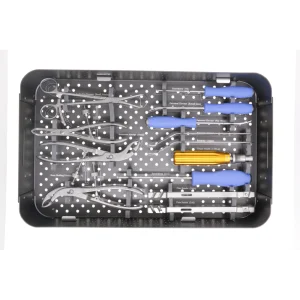
CE Approved Upper Limb Locking Plate Instrument Set for Switzerland
Learn More & Inquire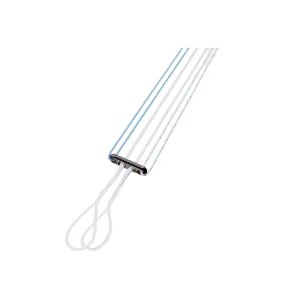
OEM SuperFix Titanium Endo Button With Loop for Swiss Sports Medicine
Learn More & Inquire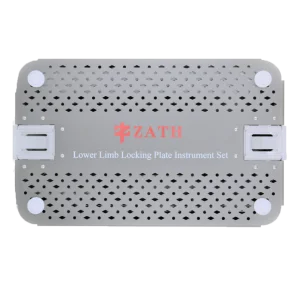
ODM Lower Limb Locking Plate Instrument Set Switzerland Clinic Series
Learn More & Inquire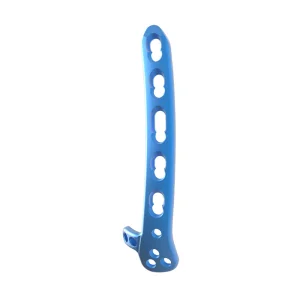
Distal Posterolateral Humerus Locking Plate with Lateral Support (Swiss Standard)
Learn More & Inquire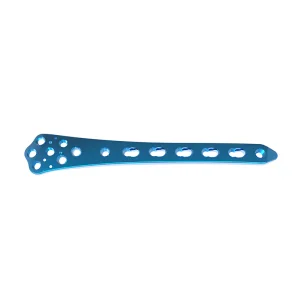
Distal Lateral Femur Locking Compression Plate for Swiss Trauma Teams
Learn More & Inquire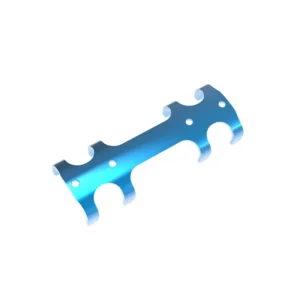
Titanium Rib Claw Plate for Pectorales AO Compatible for Swiss Surgery
Learn More & Inquire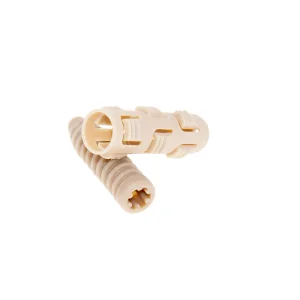
ZATH Sports Medicine Orthopedic Suture Anchor Implant Switzerland
Learn More & Inquire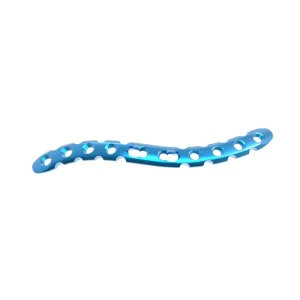
Clavicle Reconstruction Locking Compression Plate (Swiss Spec)
Learn More & InquireFrequently Asked Questions for Sourcing Directors
Addressing compliance, compatibility, logistics, and quality assurance protocols for cross-border surgical devices.