
Precision Arthroplasty & Surgical Implant Portfolio
Manufactured to fulfill high-volume orthopaedic tenders and specialized hospital distribution in Jakarta, Surabaya, Bandung, and across Indonesia's provincial networks.
-
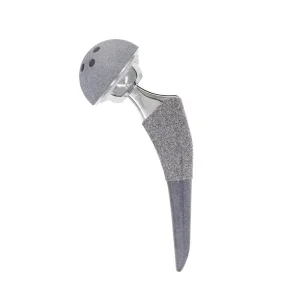
Cheap Hot sale Ti alloy JDS total hip replacement titanium joint prosthesis Quotes, Company (Indonesia Direct)
View Specifications & Request Quote -
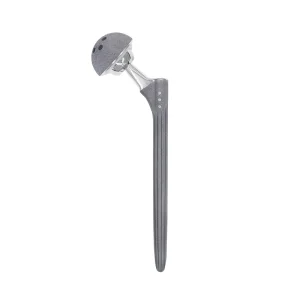
ODM Best Selling DDS Titanium Hip and Joint Implant Prosthesis Suppliers, Factories for Indonesia Clinics
Explore OEM / ODM Solutions -
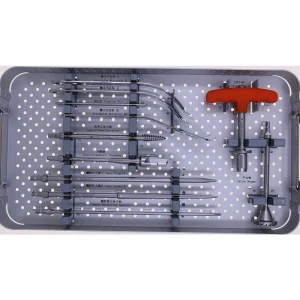
Famous CE Approved Orthopedic Implant THA Hip Instrument Set Femoral Part Supplier, Service to Indonesia
Explore Surgical Kits -
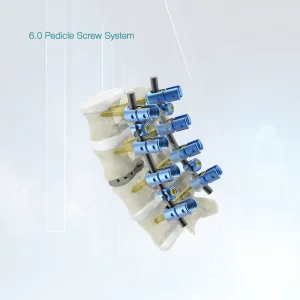
OEM CE approved Zipper Polyaxial Pedicle Screws Spine System Manufacturer, Product (Compatible Trauma Range)
View Spine Systems
The Arthroplasty Ecosystem in Indonesia: Demographics, BPJS, & Sourcing Realities
A comprehensive analysis of surgical volume drivers, anatomical biomechanics, and public-private healthcare infrastructure across the Indonesian archipelago.
The healthcare landscape of the Republic of Indonesia represents one of the fastest-expanding orthopaedic markets in Southeast Asia. With a population surpassing 275 million inhabitants distributed across more than 17,000 islands, the logistical, clinical, and economic frameworks of providing total hip arthroplasty (THA) present unprecedented challenges and opportunities. Epidemiologically, an aging demographic profile combined with an increasing prevalence of secondary osteoarthritis, avascular necrosis (AVN) of the femoral head, and trauma-induced subcapital femoral fractures has dramatically elevated surgical procedural volumes. Historically, access to joint replacement was concentrated within Tier-1 quaternary referral centers located in metropolitan hubs such as Jakarta, Surabaya, Semarang, and Medan. Today, regional healthcare decentralization policies are empowering secondary regional public hospitals (RSUD) and private hospital chains (such as Siloam, Mitra Keluarga, and Hermina) to build dedicated arthroplasty suites, necessitating a secure, high-quality, and cost-sustainable supply of hip implants.
Crucial to this operational transformation is the Indonesian universal health coverage scheme—BPJS Kesehatan (Badan Penyelenggara Jaminan Sosial Kesehatan). Operating under the INA-CBGs (Indonesia Case Base Groups) tariff system, hospitals receive fixed-case reimbursement structures for inpatient arthroplasty interventions. This macroeconomic reality has created a dual pressure point for Indonesian orthopaedic procurement directors: while implants must adhere strictly to clinical safety benchmarks comparable to international standards (ISO 13485, CE certification, and ASTM metallurgical purity), their acquisition cost must align with the budgetary ceilings imposed by universal insurance tariffs. Multinational Tier-1 brands frequently carry prohibitive price points that strain hospital margins, leaving a strategic opening for direct manufacturer partnerships. Qualified original equipment manufacturers capable of delivering customized, biocompatible hip solutions directly to Indonesian distributors bridge this critical gap.
Anatomical Geometry Specifics: Tailoring Hip Protheses for Asian Morphometry
A fundamental limitation of traditional Western-manufactured hip stems is their reliance on anthropometric data derived primarily from Caucasian skeletal populations. Published biomechanical and morphological research highlights significant differences in the proximal femoral geometry of Indonesian and broader Southeast Asian patients. Morphological studies show that Asian femora commonly feature smaller femoral canal dimensions (narrow medullary canal diameters), reduced femoral head diameters, shorter femoral neck lengths, and lower femoral neck-shaft angles. When surgeons implant oversized Western stems into smaller osteotomies, the risks of femoral cortex perforation, distal canal mismatch, non-physiological stress distribution, and thigh pain escalate sharply.
Custom and semi-custom hip manufacturing methodologies resolve this clinical conflict. Through precision wire electro-discharge machining (EDM) and 5-axis CNC machining centers, custom hip joint replacement factories engineer tapered wedge stems (such as our Ti-alloy JDS and DDS systems) with optimized neck-shaft angles (typically 130° to 135°), localized proximal porous plasma-spray titanium coatings, and reduced proximal-to-distal taper dimensions. These geometrical modifications preserve valuable cancellous bone in patients with slender femoral envelopes, maximize primary torsional stability through press-fit mechanics, and promote accelerated secondary biological integration via rapid osseointegration.
Metallurgical Integrity
Forged Ti-6Al-4V ELI (ASTM F136) and medical-grade CoCrMo alloys providing outstanding fatigue strength, corrosion resistance, and modulus of elasticity close to native cortical bone.
Bi-Contact Microporous Coatings
Plasma-sprayed pure titanium layers with controlled pore diameters (150–350 µm) and interconnected porosity facilitate physiological load transfer and bone ingrowth.
Cleanroom Sterilization
All implants are processed in Class 100,000 cleanrooms and sealed in medical-grade Tyvek double-barrier packaging, guaranteed sterile via ethylene oxide or gamma radiation.
Accelerate Your Indonesian Arthroplasty Distribution
Direct supply partnerships, technical dossier support for BPOM registration, OEM branding, and complete hospital demonstration instrument sets ready for immediate shipment.
Send Inquiry NowNavigating BPOM Certification, AKL Licensing & Indonesian Localization
Ensuring compliance, documentation readiness, and uninterrupted supply chains across Java, Sumatra, Bali, and Sulawesi.
Securing sustainable commercial market access in Indonesia demands strict navigation of regulatory governance under the Ministry of Health (Kementerian Kesehatan Republik Indonesia - Kemenkes) and the National Agency of Drug and Food Control (BPOM). Orthopaedic joint replacement implants and their corresponding invasive instrument sets are classified as Class III (High Risk) medical devices. Consequently, every imported device platform requires an authentic Izin Edar (Marketing Authorization / AKL Number) before commercial clearing, warehousing, or hospital invoicing can occur.
As a vertically integrated factory operating since 2009, our technical engineering division works directly with licensed Indonesian medical device importers (Penyalur Alat Kesehatan - PAK) to assemble comprehensive regulatory dossiers. We provide validated Common Submission Dossier Template (CSDT) submissions, consisting of:
- Complete Material Composition & Melt Mill Certificates: Demonstrating raw material traceability conforming to ASTM F136 (Titanium-6Al-4V ELI) and ASTM F75 (CoCrMo casting alloys).
- Fatigue Endurance & Biomechanical Test Reports: Full documentation of dynamic stem fatigue testing according to ISO 7206-4 and ISO 7206-8, proving survivability under cyclical physiological loading exceeding 5,000,000 cycles.
- Sterilization Validation & Shelf-Life Packaging Data: ISO 11137 (radiation) and ISO 11135 (EO) validation reports, coupled with accelerated aging protocols proving 5-year barrier integrity inside Tyvek blister enclosures.
- Quality Management Certifications: Unbroken ISO 13485 auditing trails, Certificate of Free Sale (CFS), and CE compliance documentation.
Local Content Requirements (TKDN) & The Long-Term Technological Roadmap
The Indonesian government has progressively instituted policies to foster domestic industrial capacity, characterized by the Tingkat Komponen Dalam Negeri (TKDN) framework. For international medical device manufacturers, adapting to this policy requires flexible cooperation models. In addition to finished-pack direct exports, our Beijing industrial infrastructure provides tailored contract manufacturing frameworks. This includes semi-knocked-down (SKD) component delivery, technical transfer for final surgical instrument cleanroom assembly, or specialized OEM surface modification partnerships with emerging Indonesian medical device industrial centers.
Looking toward the 2026–2035 technological horizon, our advanced arthroplasty R&D pipelines are actively integrating selective laser melting (SLM) 3D-printing technologies for custom trabecular titanium acetabular revision cups and augment wedges. These solutions are tailored specifically to revision surgeries where severe pelvic bone loss (Paprosky Class II and III defects) necessitates patient-specific implants constructed directly from pre-operative DICOM computed tomography (CT) datasets. By combining automated digital reconstruction with rapid additive manufacturing, lead times for patient-specific implants shipped to major hospital hubs in Indonesia can be reduced to under 14 working days.
Trauma, Sports Medicine, & Specialized Instrument Systems
Complete hospital armamentarium covering clavicular, femoral, spinal, soft-tissue, and instrument assemblies compatible with Indonesian surgical protocols.
-
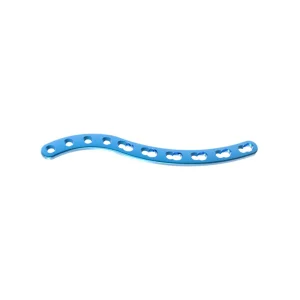
CE Certification S-shape Clavicle Locking Compression Plate Factory, Exporter for Indonesian Clinics
View Product Details -
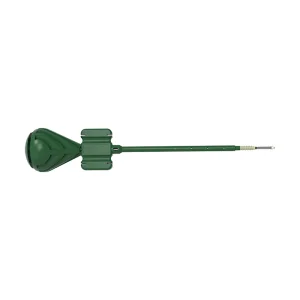
Wholesale SuperFix P Knotless Suture Anchor Manufacturer, Suppliers (Sports Medicine Indonesia)
View Anchor Series -
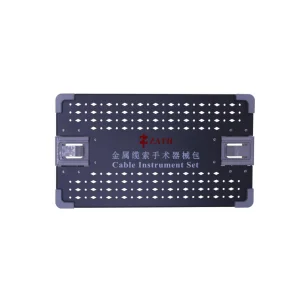
Discount Cable Instrument SetIII Exporters, Companies for Peri-Prosthetic Hip Fractures Indonesia
Explore Cable Sets -
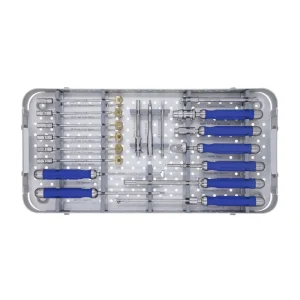
Famous Cervical Fusion Cage Instrument Set Exporters, Service (Complete Spine Surgical Kits)
View Cage Instruments -
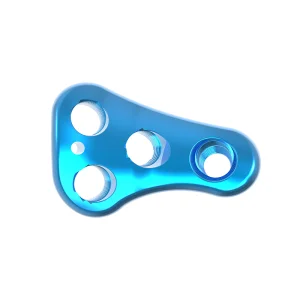
High-Quality Proximal Femur MIS Locking Plate II Suppliers, Product (Minimally Invasive Hip Trauma)
View Locking Plates -

CE Certification Customized Expert Tibia Intramedullary Nail Implant Pricelist, Products to Indonesia
View Nail Systems -
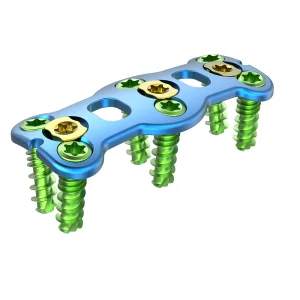
CE Certification High quality Orthopedic Cervical Shielder ACP Plate System Manufacturer, Suppliers
View Cervical Plates -
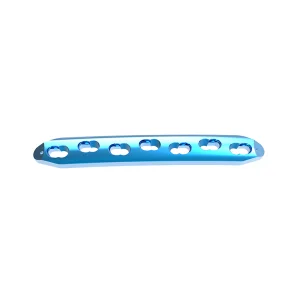
Famous Curved Femoral Shaft Locking Compression Plate Suppliers, Companies (Anatomical Fixation)
View Trauma Devices
Frequently Asked Questions for Indonesian Importers & Hospitals
Direct answers addressing certification, minimum orders, customized geometries, and logistics.
How do ZATH hip joint replacement products assist Indonesian distributors with BPOM registration?
What specific engineering designs make your femoral stems suitable for Asian anatomical profiles?
What is the typical shipping lead time from your factory to Jakarta or Surabaya?
Do you supply matching surgical instrument sets with trial implants for hospital evaluation?
Can you accommodate private-label OEM branding for Indonesian healthcare groups?
Connect with Our Orthopaedic Engineering Team
Partner with an established manufacturer to access reliable, clinically proven, and cost-effective hip replacement systems designed to support Indonesian hospital tenders and clinical excellence.
Send Inquiry Now