
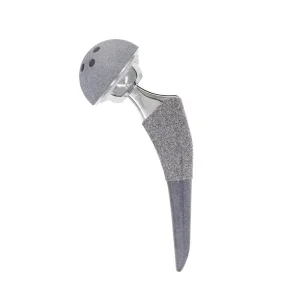
Hip System • Baku Clinical Grade
View Product & Quotations →
Engineered to satisfy the rigorous technical specifications of the State Agency on Mandatory Health Insurance (İTS) and clinical centers across Baku, Sumqayit, and Ganja.
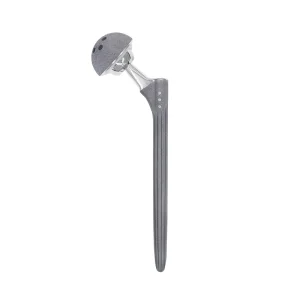
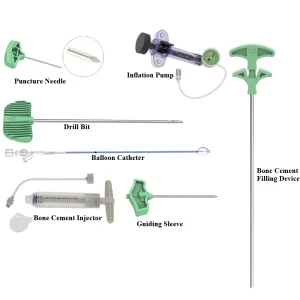
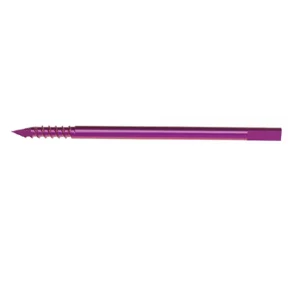
The healthcare system of Azerbaijan has undergone monumental structural modernization over the past half-decade. Spearheaded by the nationwide rollout of mandatory medical insurance administered by the State Agency on Mandatory Health Insurance (İcbari Tibbi Sığorta üzrə Dövlət Agentliyi - İTS) and the Administration of Regional Medical Divisions (TƏBİB), specialized reconstructive surgical procedures have transformed from high-cost private out-of-pocket treatments into widely accessible public health entitlements.
Total hip replacement (THA) and hemiarthroplasty surgeries have seen substantial double-digit compound annual growth rates. Flagship institutions such as the Scientific Research Institute of Traumatology and Orthopedics (Elmi-Tədqiqat Travmatologiya və Ortopediya İnstitutu), the Republican Clinical Hospital named after Academician Mirgasimov, Baku Health Center, and premier private hospitals such as Leyla Medical Center and Bona Dea International Hospital execute thousands of arthroplasty procedures annually.
Historically reliant on Western European and North American implant conglomerates—whose multi-tiered distributor margins frequently drove pricing beyond public hospital budgets—Azerbaijani procurement directors, medical distributors, and surgical department heads are now actively establishing direct partnerships with cutting-edge Chinese manufacturing enterprises capable of delivering CE/ISO-certified titanium implants at superior cost-to-performance ratios.
Major healthcare tenders published by TƏBİB and private healthcare networks demand fully traceable supply chains. Essential procurement criteria include:
From industrial trauma along the Caspian energy corridor to age-related degenerative joint disease in rural and urban clinics, reconstructive implant systems must accommodate broad clinical variations.
In Azerbaijan's growing geriatric population, low-energy osteoporotic falls represent a severe public health burden. In municipal hospitals across Shirvan, Mingachevir, and Lankaran, modular bipolar hip systems and collared femoral stems provide immediate structural stability, allowing prompt post-operative mobilization and reducing systemic thromboembolic risks.
Avascular necrosis (AVN) of the femoral head and severe secondary coxarthrosis frequently affect younger working demographics in Azerbaijan, often linked to occupational stress in petrochemical industrial hubs. Highly biological press-fit cementless stems with rectangular or tapered-wedge geometries provide optimal proximal load transfer and preserve femoral bone stock.
Congenital developmental dysplasia of the hip (DDH) exhibits notable regional prevalence throughout the South Caucasus. Managing dysplastic acetabula demands modular trabecular titanium cups with multi-hole screw fixation configurations, supplemented by specialized augments and conical revision stems to achieve reliable primary mechanical anchorage.
Modern hip arthroplasty focuses relentlessly on minimizing volumetric wear debris, preventing periprosthetic osteolysis, and extending survivorship beyond the 25-year threshold.
Comparative volumetric wear rates across clinical bearing combinations (mm³/million cycles):
Global orthopedics has moved decisively away from high-modulus cobalt-chromium alloys in cementless femoral stems due to stress shielding—where the metal absorbs physiological loads, leading to proximal bone resorption and thigh pain. Modern stems leverage advanced Titanium-6Aluminum-4Vanadium Extra Low Interstitial (Ti-6Al-4V ELI), which offers an elastic modulus significantly closer to human cortical bone.
Coupled with Highly Cross-Linked Polyethylene (HXLPE) stabilized with Vitamin E (alpha-tocopherol), contemporary systems provide exceptional resistance to oxidative degradation and delamination. For high-demand younger patients treated in Baku's leading arthroplasty centers, alumina matrix composite ceramic heads (such as BIOLOX delta class) paired with highly cross-linked liners nearly eliminate osteolytic risks, ensuring durable long-term stability.
Combining world-class CNC engineering, extensive economies of scale, and vertically integrated quality management systems compliant with European standards.
Procuring orthopedic implants from top-tier Chinese manufacturing complexes delivers significant structural advantages over regional brokers or traditional legacy brands. Utilizing multi-axis Swiss-type CNC machine centers, automated robotic polishing, and proprietary vacuum plasma spray equipment, our Beijing facilities eliminate sub-tier contracting layers.
Every production phase operates within an ISO 13485-certified quality management system. Raw biomedical bars undergo ultrasonic non-destructive testing, optical emission spectrometry, and tensile verification before reaching cutting stations. Finished implants undergo automated 100% coordinate measuring machine (CMM) dimensional verification before entering Class 100,000 cleanrooms for medical-grade blister sealing and gamma-ray sterilization.
| Parameters | Western Tier-1 Brands | Direct Chinese OEM (ZATH) |
|---|---|---|
| Core Substrate | Forged Ti6Al4V / CoCr | Medical Ti6Al4V ELI (Grade 23) |
| Quality System | ISO 13485 / MDR CE | ISO 13485 / Full Dossier Support |
| Procurement Cost | Premium Pricing Structure | Factory-Direct (40-60% Savings) |
| Delivery to Baku | 8 - 16 Weeks Backlog | 4 - 6 Days (Express/Air Cargo) |
| Tender Customization | Rigid / Fixed Catalogs | Flexible OEM / Custom Marking |
| Instrumentation | High-Cost Leases | Supplied Matching Kits with Sets |
The convergence of additive manufacturing, computational biomechanics, and intraoperative robotics is defining the next era of reconstructive orthopedic surgery.
Direct Metal Laser Sintering (DMLS) and Electron Beam Melting (EBM) enable the fabrication of fully interconnected porous structures with open porosity exceeding 65% to 75%. By replicating human cancellous bone pore architectures (mean diameter 400-600 μm), these 3D constructs maximize vascularization and rapid physiological osteointegration.
Dual-mobility designs incorporate an unconstrained mobile polyethylene bearing within a highly polished inner metal shell. By exponentially increasing jump distance and functional range of motion (ROM), this architecture dramatically curtails dislocation rates in high-risk neuromuscular and trauma patients operated across regional Azerbaijani hospitals.
Implant geometries are being digitally mapped for seamless integration with preoperative 3D CT reconstruction software and handheld surgical robotic navigation. This empowers Azerbaijani orthopedic teams to customize implant anteversion, leg length restoration, and femoral offset with sub-millimeter precision.
Distributing orthopedic implants in Azerbaijan requires stringent conformity with the Analytical Expertise Center of the Ministry of Health of the Republic of Azerbaijan (Azərbaycan Respublikası Səhiyyə Nazirliyinin “Dərman Vasitələrinin Analitik Ekspertiza Mərkəzi” PHŞ). Medical devices must undergo comprehensive dossier evaluation, safety testing, and packaging inspection prior to customs release.
Our experienced regulatory affairs department provides comprehensive, tailored support to Azerbaijani distribution partners:
We empower our local partners throughout Azerbaijan with comprehensive clinical support infrastructure:
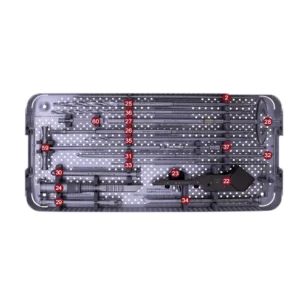
✓ Precision Instrumentation Sets: High-grade stainless steel broaches, reamers, trial heads, and positioners provided with implant agreements.
✓ Surgical Cadre Workshops: Digital and on-site clinical demonstrations on femoral preparation, offset restoration, and leg-length discrepancy management.
✓ Rapid Freight Transit: Direct air cargo channels via Baku Heydar Aliyev International Airport (GYD) ensuring immediate hospital inventory restock.
A structured financial framework enabling hospital procurement committees and private surgical practices to project unit costs, tender margins, and logistics expenditures.
| System Component | Material Specification | Clinical Indication | Estimated OEM FOB Quote (USD) | Baku CIF / Tender Baseline |
|---|---|---|---|---|
| JDS / DDS Cementless Stem | Ti6Al4V ELI + HA / Porous Coating | Primary Cementless THA | $140 – $240 / unit | Competitive Public Tender Ready |
| Bipolar Hemi-Head Shell | Biomedical Stainless Steel / CoCr + UHMWPE | Geriatric Neck Fractures | $65 – $110 / unit | High Volume Emergency Trauma |
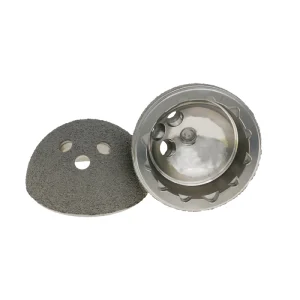
| Biological Acetabular Cup | Porous Titanium / 3D Trabecular Lattice | Primary & Complex Hip Reconstruction | $95 – $180 / unit | TƏBİB Registry Compatible |
| Femoral Modular Heads | CoCr Alloy or Alumina Matrix Ceramic | Bearing Articulation (28/32/36 mm) | $35 – $160 / unit | Tailored Wear Reduction Options |
| Highly Cross-Linked Liner | HXLPE / Vitamin E Stabilized Polyethylene | Low-Wear Articulation Surface | $40 – $75 / unit | Extended Prosthesis Survivorship |
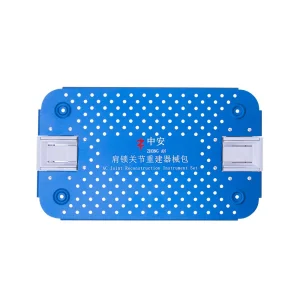
| Precision Hip Instrument Kit | Hardened Medical Stainless & Aluminum Tray | Femoral Broaching & Cup Reaming | Complimentary / Amortized with Bulk Orders | Reusable, Autoclavable Tooling |
*Note: Final quotations depend on exact tender volumes, packaging specifications, freight terms (Baku CIF by Air/Rail), and OEM/ODM private labeling parameters. Contact our sales desk for formal quotes.
Addressing the technical, regulatory, and commercial inquiries most frequently raised by Azerbaijani medical suppliers, orthopedists, and hospital administrators.
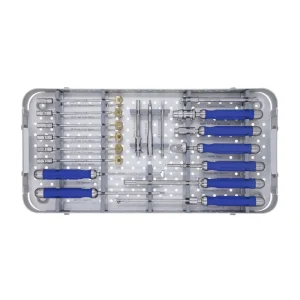
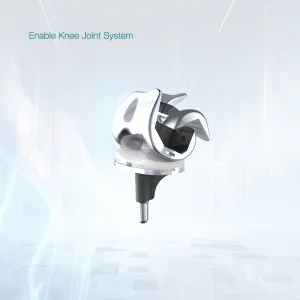
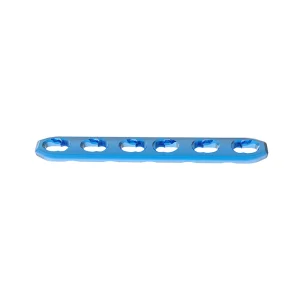
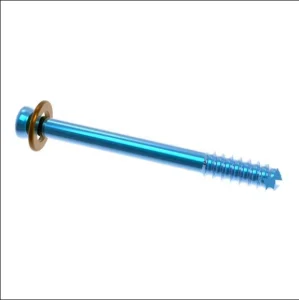
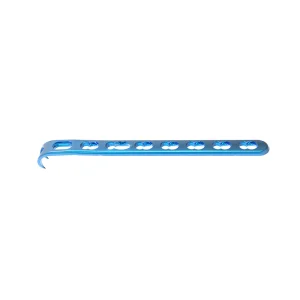
Complementing our core hip arthroplasty platforms with advanced knee prostheses, spinal fixation systems, and trauma reconstruction instruments utilized across Azerbaijani surgical theaters.
Whether preparing for upcoming TƏBİB tenders, expanding your local medical distribution catalog in Azerbaijan, or upgrading hospital surgical inventories in Baku, our engineering and commercial teams stand ready to deliver precision implants and customized price quotations.