1 / 5
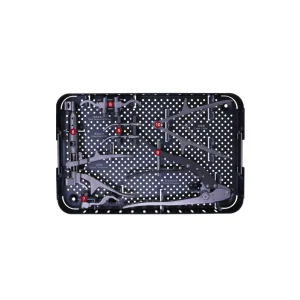
Famous Professional manufacturer PKP layer Vertebroplasty instruments set kit Exporters, Products
Product Description
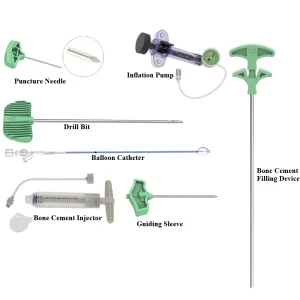
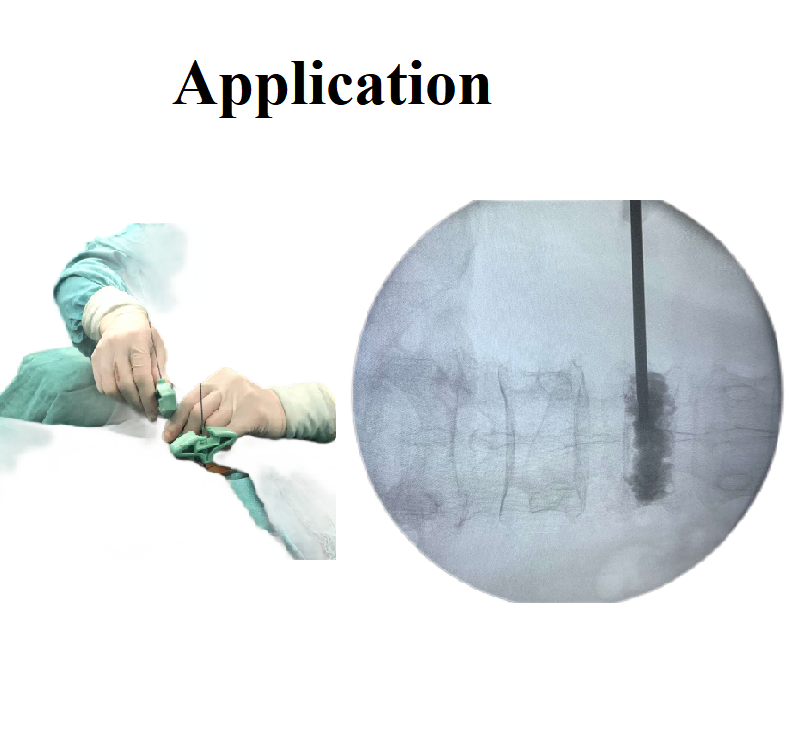
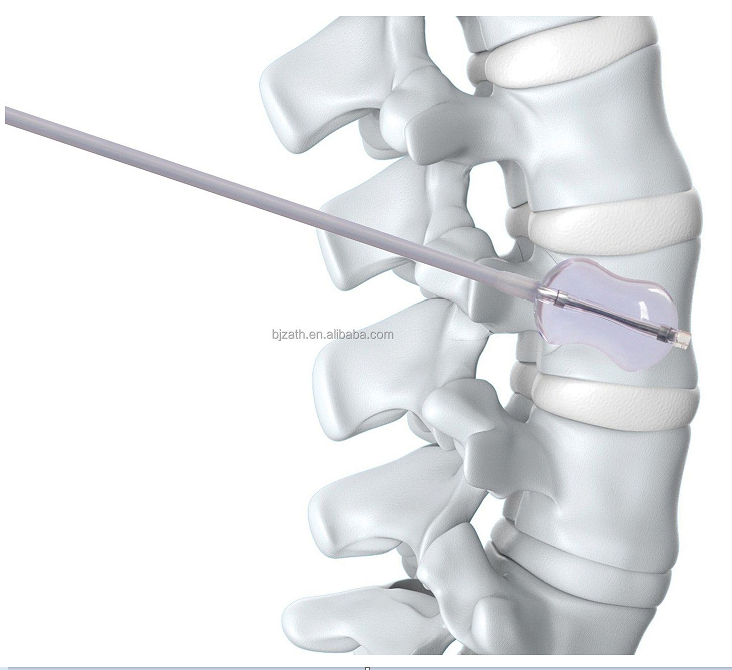
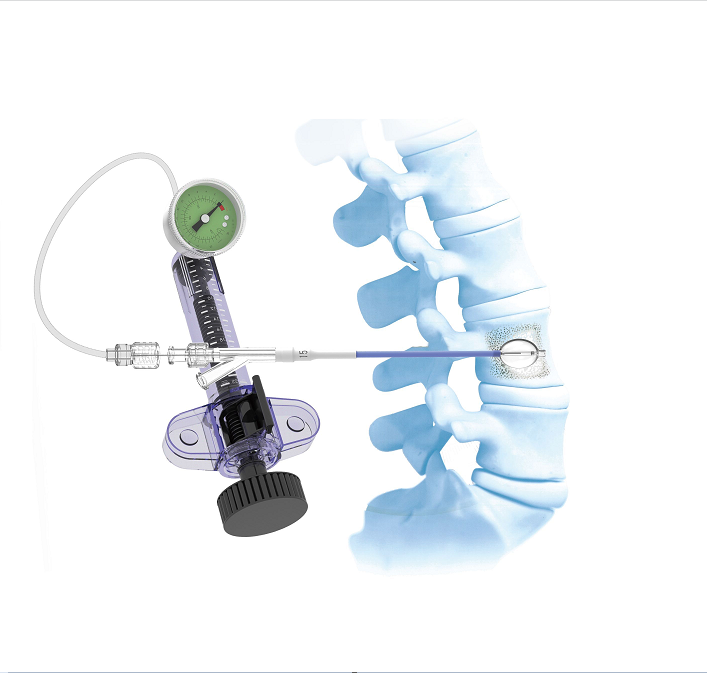
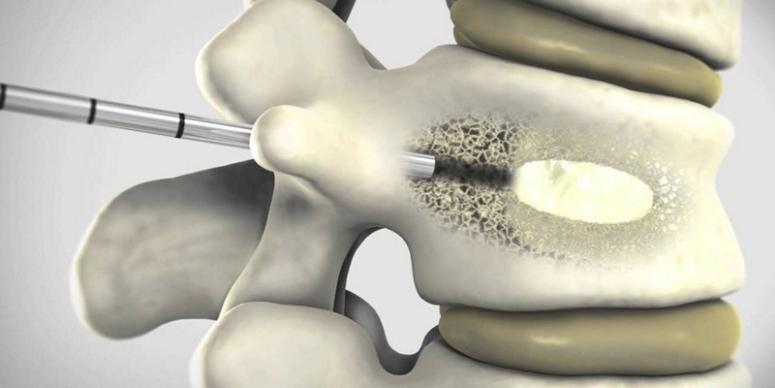
Vertebroplasty Kyphoplasty is a procedure in which a special cement is injected into a fractured vertebra with the goal of relieving your spinal pain and restoring mobility.
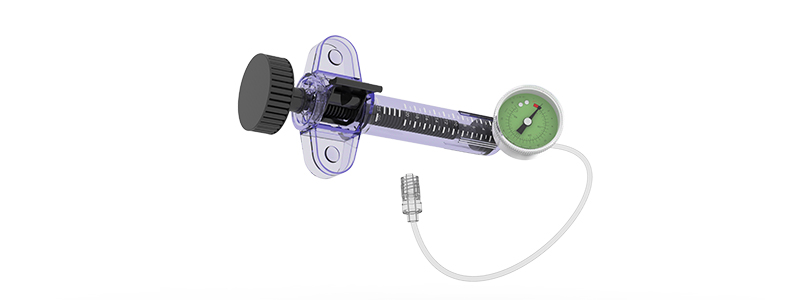
Each circle 0.5ml, high accuracy of spiral propelling. On-off locking makes the operation easier.
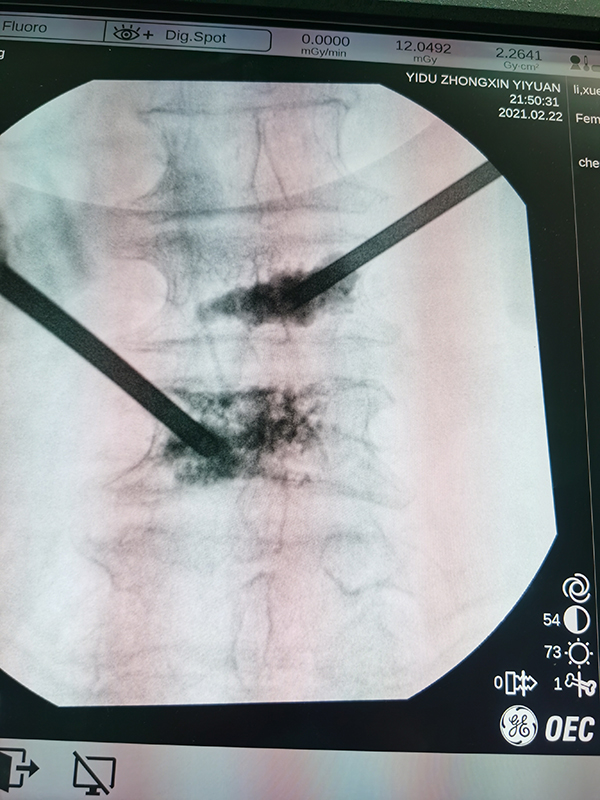
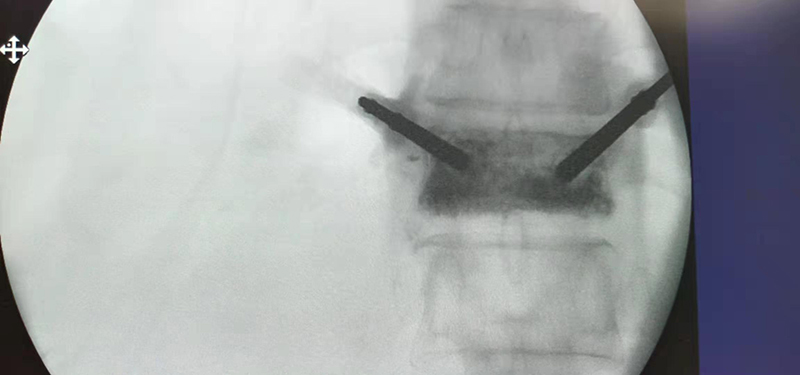
🛠 Product Specifications & Technical Data
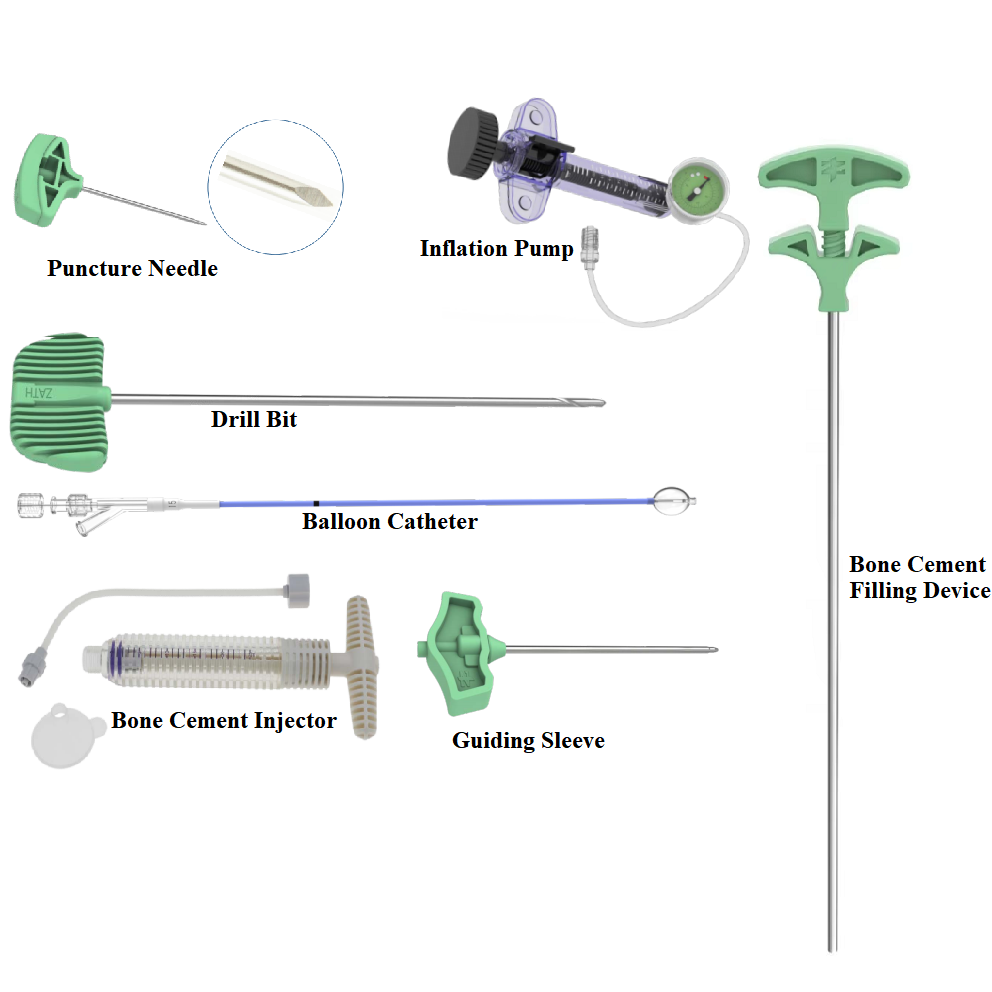
| Component Name | Reference Image | Specifications & Parameters |
|---|---|---|
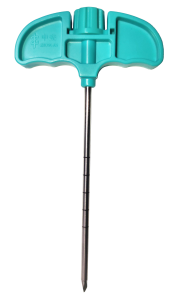
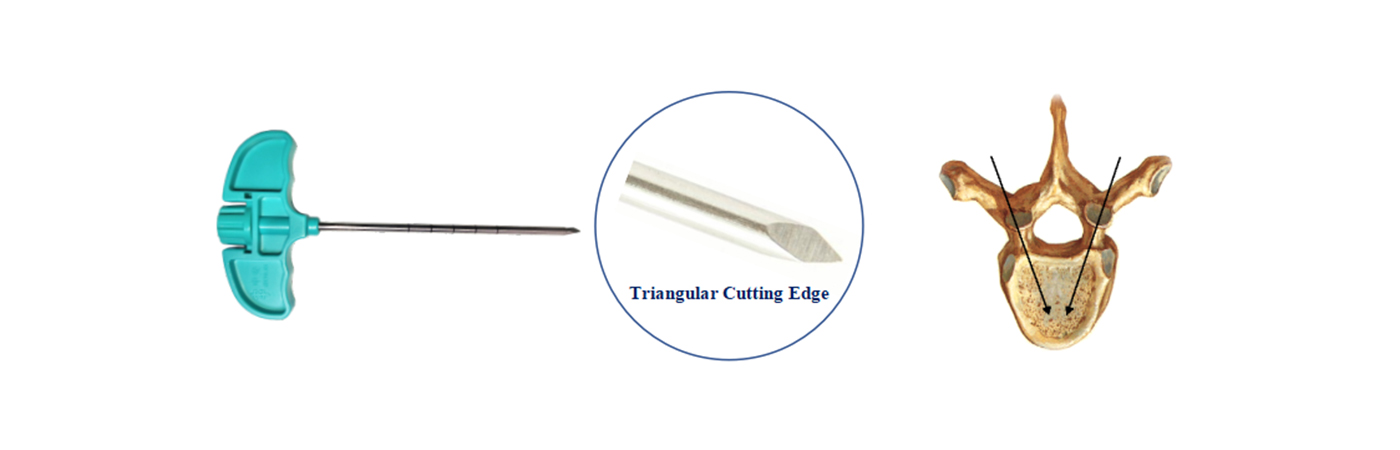
| Puncture Needle |
|
Φ2.5 x 130mm, Φ1.8 needle, triangular prism tip |
| Φ3.0 x 130mm, Φ1.8 needle, triangular prism tip | ||
| Φ3.5 x 126mm, Φ3.0 needle, triangular prism tip | ||
| Φ4.0 x 126mm, Φ3.4 needle, triangular prism tip | ||
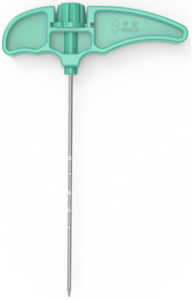
| Guiding Sleeve |
|
Φ3.5 x 129mm, Φ3.0 needle, Φ1.5 guide wire |
| Φ4.0 x 129mm, Φ3.4 needle, Φ1.5 guide wire | ||
| Guide Wire |

|
Φ1.5, blunt tip |
| Φ1.5, triangular prism tip | ||
| Drill Bit |
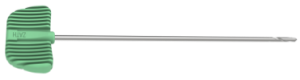
|
Φ3.0 x 190mm |
| Φ3.4 x 190mm | ||
| Bone Cement Filling Device |
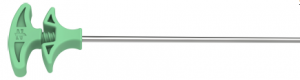
|
Φ3.0 x 195mm, Φ2.3 needle, flat tip |
| Φ3.4 x 195mm, Φ2.7 needle, flat tip | ||
| Biopsy Extractor |
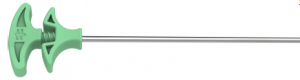
|
Φ3.0 x 195mm, Φ2.3 needle, toothed tip for biospy |
| Φ3.4 x 195mm, Φ2.7 needle, toothed tip for biospy | ||
| Balloon Catheter |
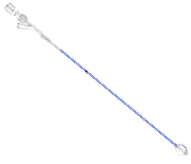
|
10mm |
| 10mm (3.5x10) | ||
| 15mm | ||
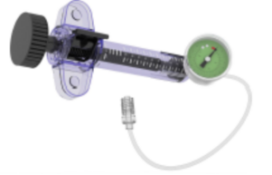
| Inflation Pump |
|
1~20ml/30atm |
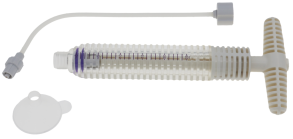
| Bone Cement Injector |
|
1~30ml/30atm |
| Package | - | Sterile Packaging 1pcs/package |
| MOQ | - | 1 Pcs |
| Supply Ability | - | 1000+Pieces per Month |
📋 Indications
- The invalids of painful vertebral compression fractures conservative treatment in the subacute phase of osteoporotic vertebral compression fracture ( Apparent progression of painful VCF kyphosis in the subacute phase, Cobb angle > 20°).
- Chronic (>3 months) painful VCF with nonunion.
- Vertebral tumor (Painful vertebral tumor without posterior cortical defect), hemangioma, metastatic tumor, myeloma, etc.
- Non-traumatic unstable spinal fracture, adjuvant treatment of posterior pedicle screw system to treat vertebral fractures, others.
⚖ System Selection Guide
PVP Vertebroplasty Set Preferred
- 1. Slight vertebral compression, vertebral endplate and backwall are intact
- 2. Old people, poor body condition and patients who are intolerant of long surgery
- 3. Elderly patients of multi-vertebral injection
- 4. Economic conditions are poor
PKP Kyphoplasty Kit Preferred
- 1. Restoring vertebral height and correcting kyphosis is needed
- 2. Traumatic vertebral compressive fracture
Meet the clinical demands for both thoracic and lumbar vertebra
200psi safety margin and 300psi maximum limit
Guarantee the restoration of vertebral height and strength

⚠ Contraindications
Absolute Contraindications
- Coagulation disorders
- Asymptomatic stable fractures
- Symptoms of spinal cord compression
- Vertebral acute/chronic infection
- Allergic to bone cement and developer ingredient
Relative Contraindications
- The patients of operational intolerance due to advanced age with other organ dysfunction
- The patients of VCF with facet joint dislocation or prolapsed intervertebral disc
- As the progress of surgical technique and devices, the scope of relative contraindications is narrowing as well.
🕒 The History of Vertebroplasty System
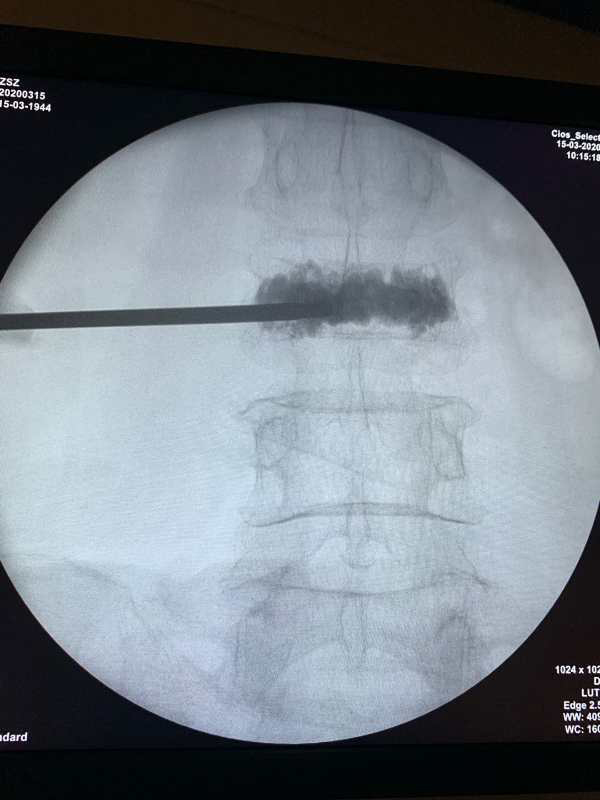
1987: Galibert first reported the application of image-guided PVP technique to treat a patient with C2 vertebral hemangioma. The PMMA cement was injected into the vertebrae and a good result was gained.
1988–1989: In 1988, Duquesnal first applied PVP technique treating osteoporotic vertebral compressive fracture. In 1989 Kaemmerlen applied PVP technique on the patients with metastatic spinal tumor, and gained good result.
1998: US FDA approved the PKP technique based on the PVP, which can partly or entirely restore the vertebral height by using an inflatable balloon catheter.
❓ Frequently Asked Questions (FAQ)
What is the difference between PVP and PKP procedures?
PVP (Percutaneous Vertebroplasty) involves direct cement injection, suitable for intact vertebral walls or elderly patients needing shorter surgery times. PKP (Percutaneous Kyphoplasty) uses an inflatable balloon catheter to restore vertebral height and create a cavity before injecting cement, reducing the risk of leakage and correcting kyphosis.
What are the primary indications for Percutaneous Vertebroplasty?
Indications include painful osteoporotic vertebral compression fractures failing conservative management, nonunion VCF lasting over three months, symptomatic vertebral tumors (myeloma, hemangioma, metastases without posterior cortex defect), and unstable spinal fractures.
What are the absolute contraindications for bone cement injection?
Absolute contraindications include severe coagulation disorders, active vertebral acute or chronic infections, asymptomatic stable fractures, spinal cord compression symptoms, and known allergies to bone cement or developer agents.
What are the pressure limits and safety profiles of the balloon catheter system?
The system features a 200 psi safety margin and a 300 psi maximum pressure limit, engineered to effectively restore thoracic and lumbar vertebral height while maintaining surgical safety.
How are the instruments packaged and what is the minimum order quantity?
All items are delivered in sterile packaging (1 piece per package). The Minimum Order Quantity (MOQ) is 1 piece, with a consistent supply capacity exceeding 1,000 pieces per month.