Buy High Quality Titanium Total Knee Joint Replacement Implants Pricelist, Companies
Product Description
Avoid pendency by three features
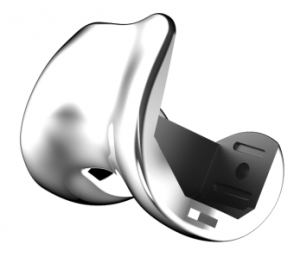
| Enable Femoral Component . PS | Enable Femoral Component . CR | Available Sizes |
|---|---|---|
|
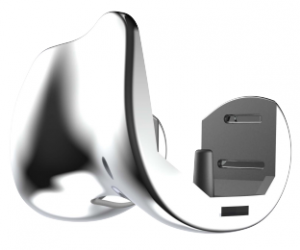
|
2# Left |
| 3# Left | ||
| 4# Left | ||
| 5# Left | ||
| 6# Left | ||
| 7# Left | ||
| 2# Right | ||
| 3# Right | ||
| 4# Right | ||
| 5# Right | ||
| 6# Right | ||
| 7# Right | ||
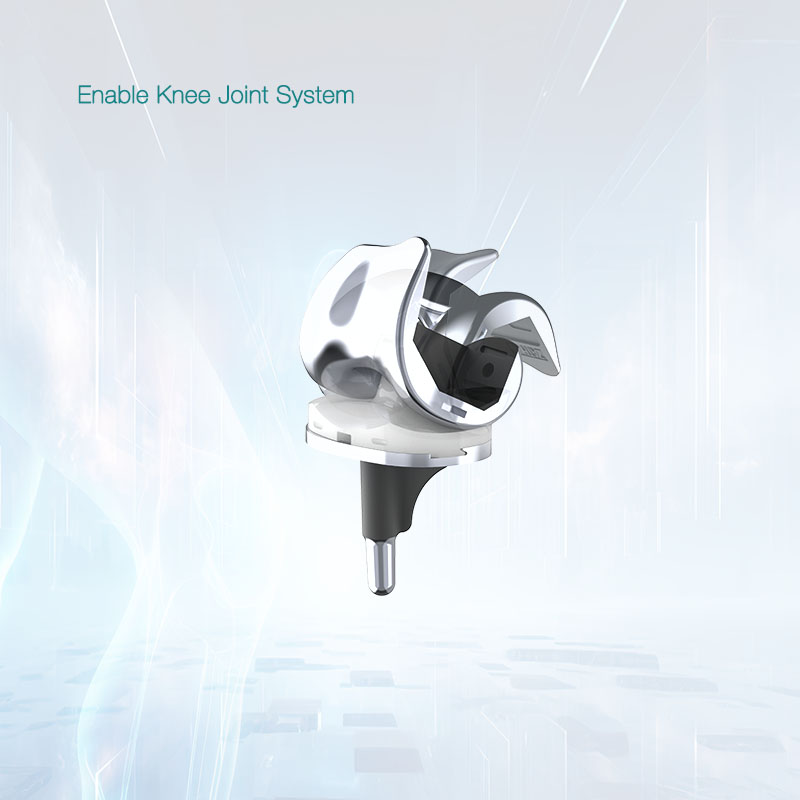
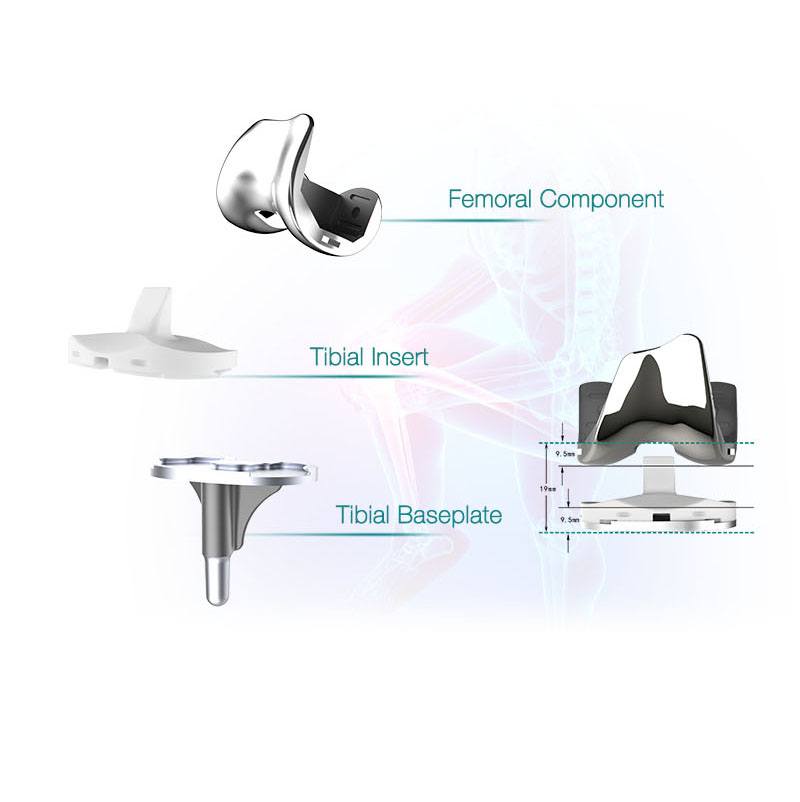
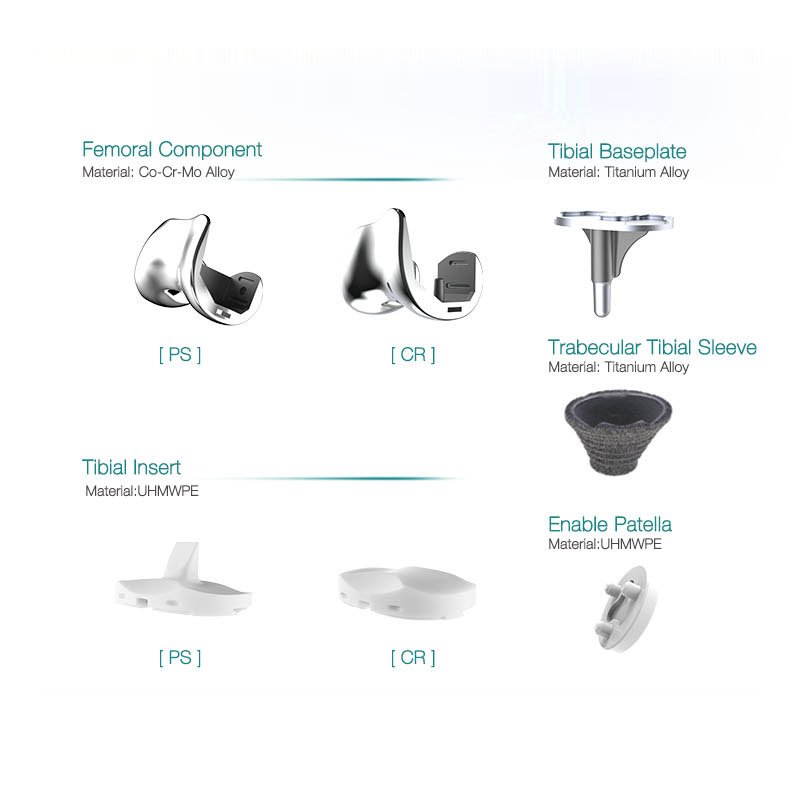
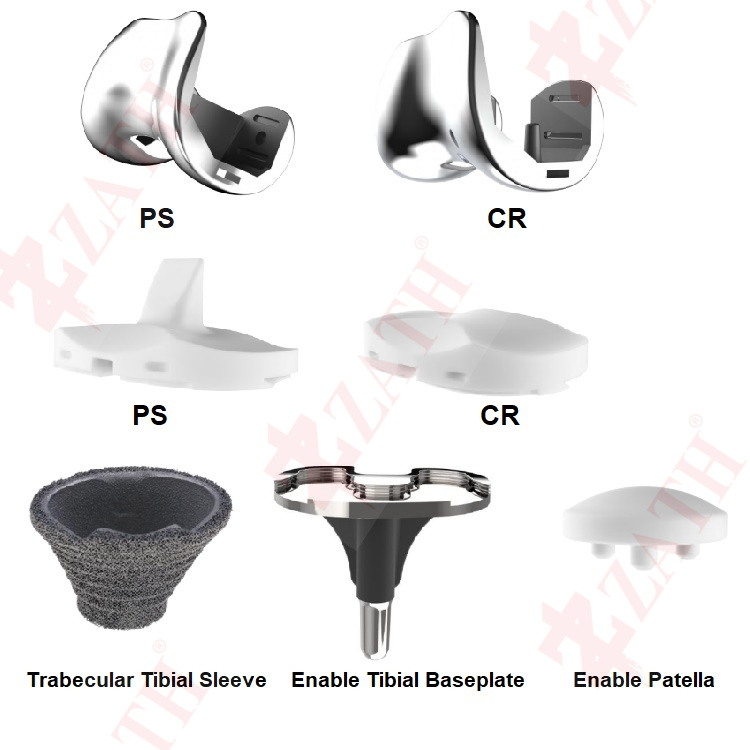
| Enable Femoral Component (Material: Co-Cr-Mo Alloy) | PS/CR | |
| Enable Tibial Insert (Material: UHMWPE) | PS/CR | |
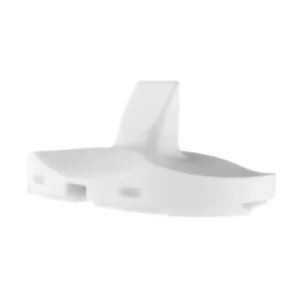
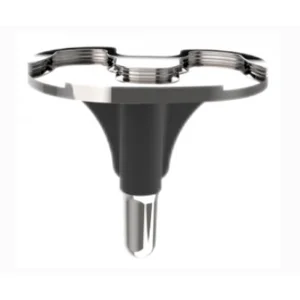
| Enable Tibial Base plate | Material: Titanium Alloy | |
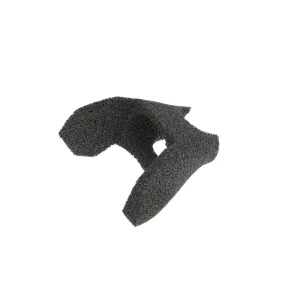
| Trabecular Tibial Sleeve | Material: Titanium Alloy | |
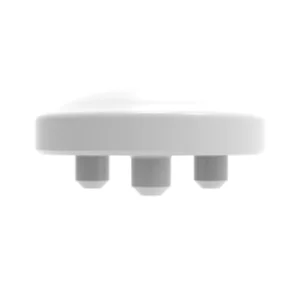
| Enable Patella | Material: UHMWPE | |
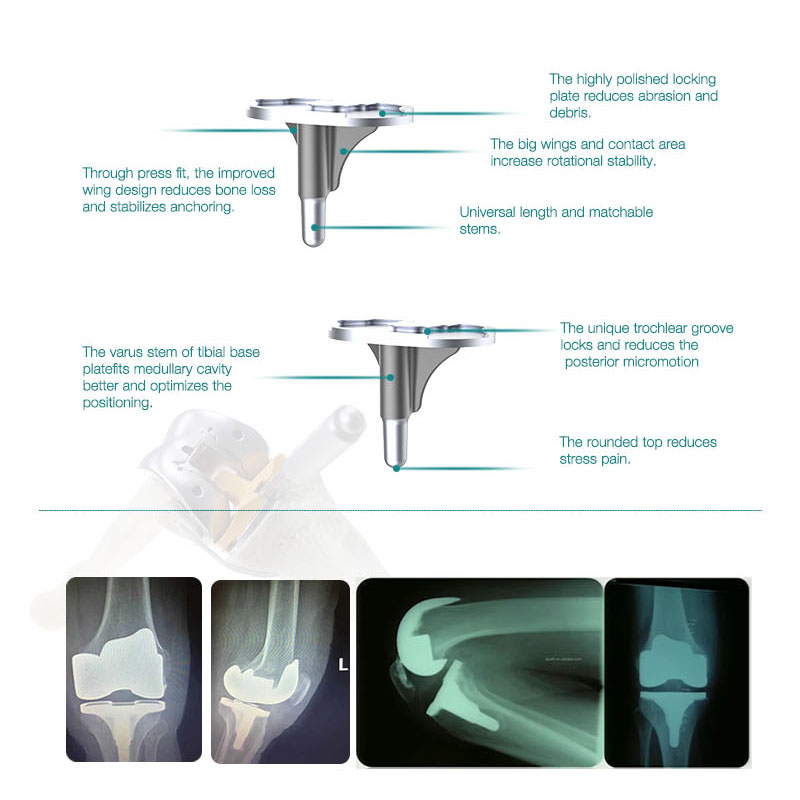
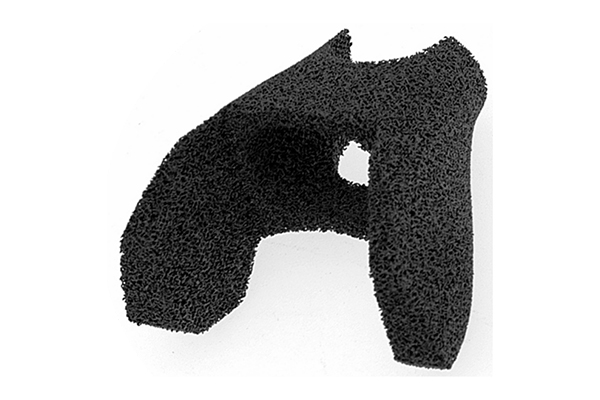
3D printing cones to fill large metaphyseal defects with porous metal to allow ingrowth.
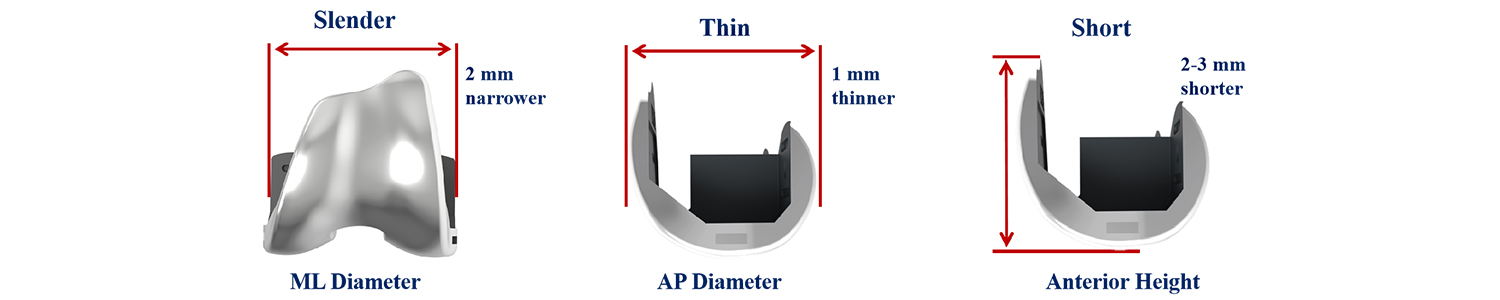
1. The multi-radius design provides freedom of flexion and rotation.

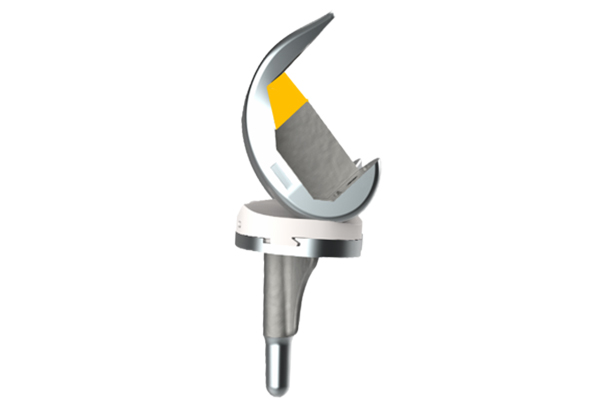
2. The design of decrescent radius of J curve femoral condyles can bear the contact area during high flexion and avoid insert excavating.
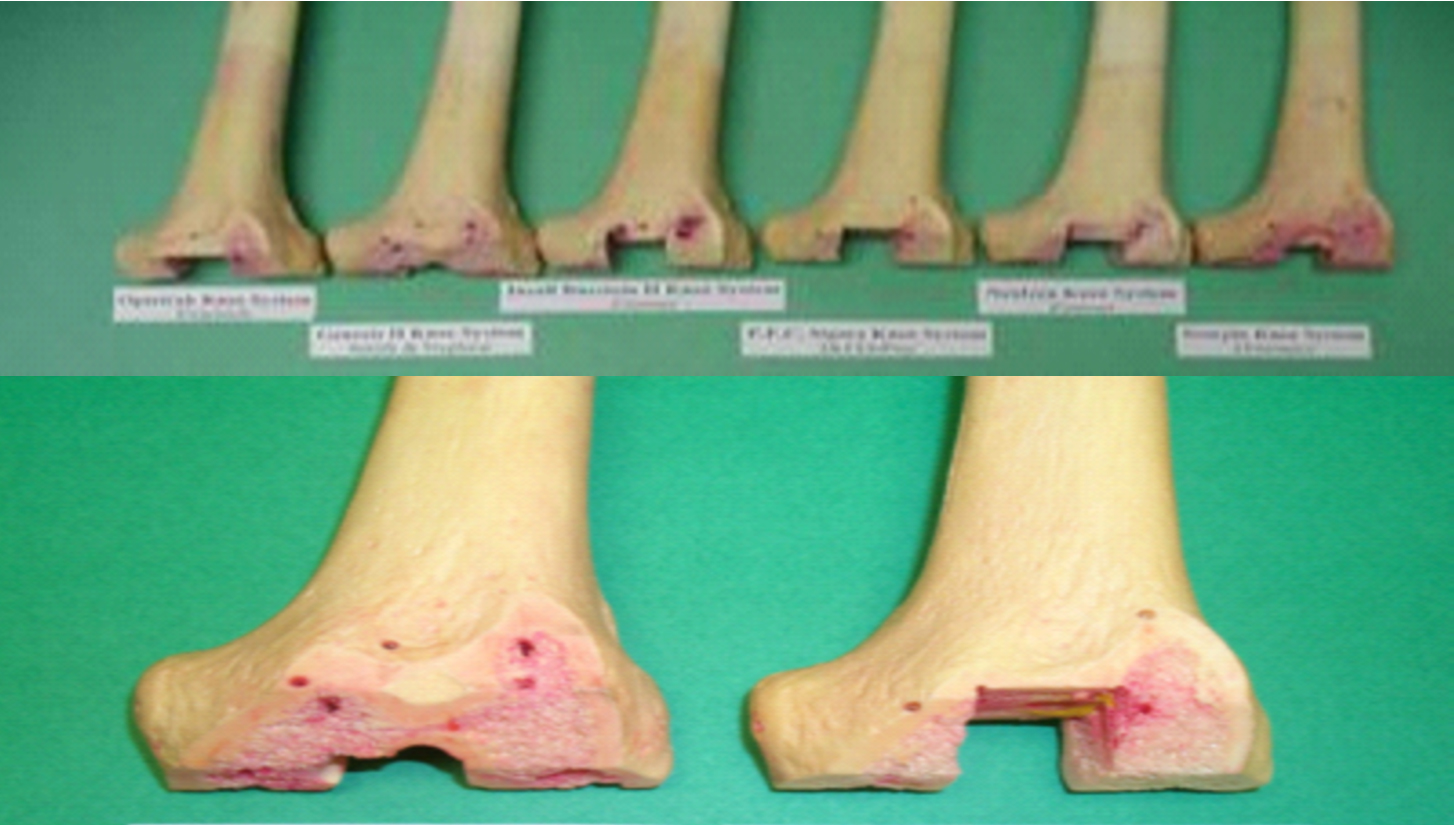
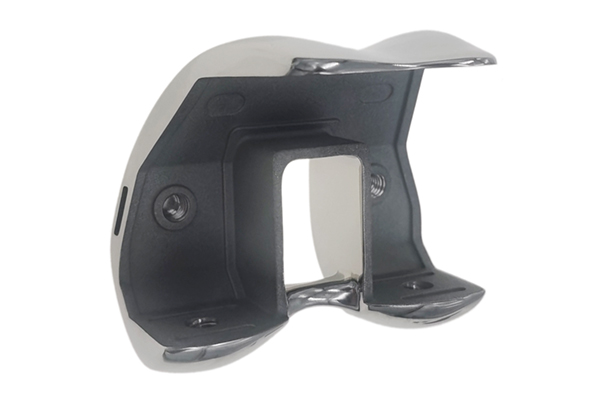
The delicate design of POST-CAM achieves the smaller intercondylar osteotomy of PS prosthesis. The retained anterior continuous bone bridge reduces the fracture risk.
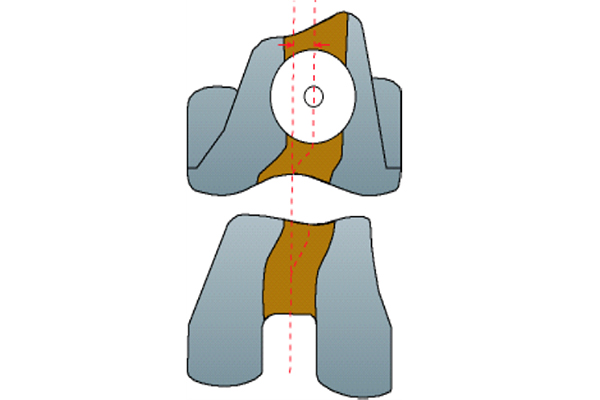
Ideal trochlear groove design
The normal patellatrajectory is S shape.
- Prevent patella medial bias during high flexion, when the knee joint and patella bear the shear force most.
- Do not allow patella trajectory cross centre line.
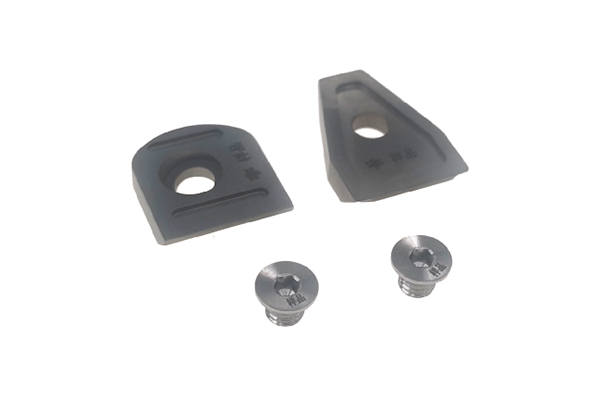
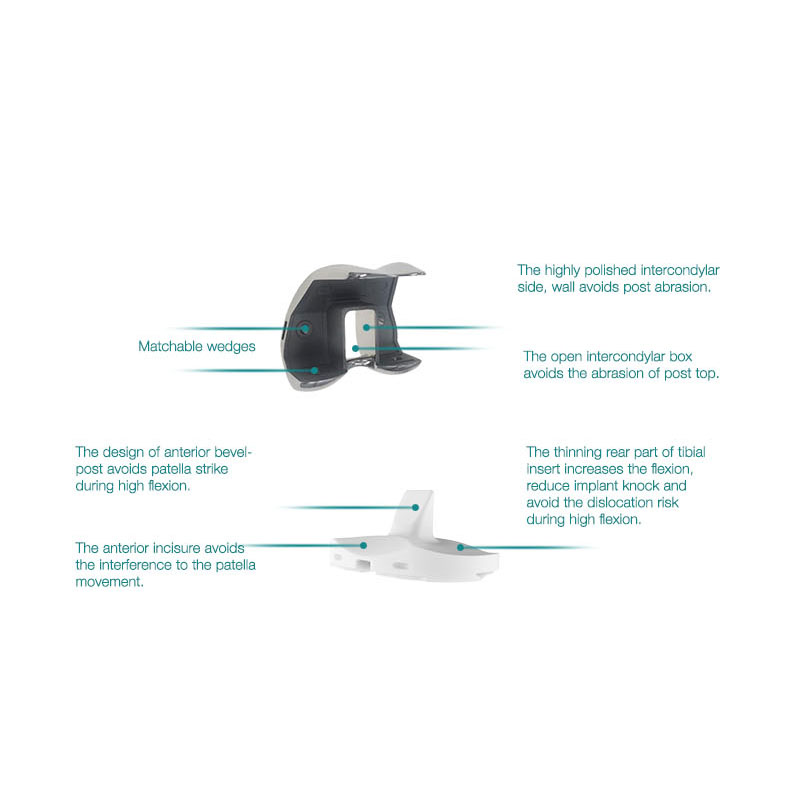
- 1. Matchable wedges
- 2. The highly polished intercondylar side wall avoids post abrasion.
- 3. The open intercondylar box avoids the abrasion of post top.
High quality titanium knee joint replacement implants
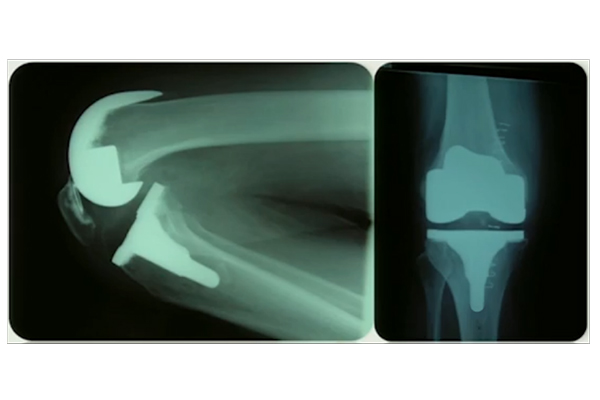
Flexion 155 degree can be achieved with good surgical technique and functional exercise
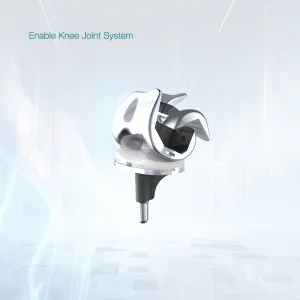
Knee implants also known as knee joint prosthesis, are medical devices used to replace damaged or diseased knee joints. They are commonly used to treat patients with severe arthritis, injuries, or other conditions that cause chronic knee pain and limited mobility. The main purpose of knee joint implants is to relieve pain, restore function, and improve the overall quality of life for patients with severe knee joint degeneration.
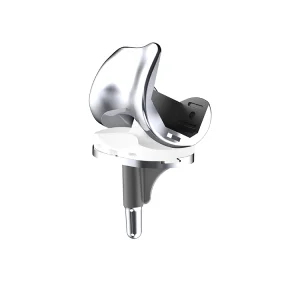
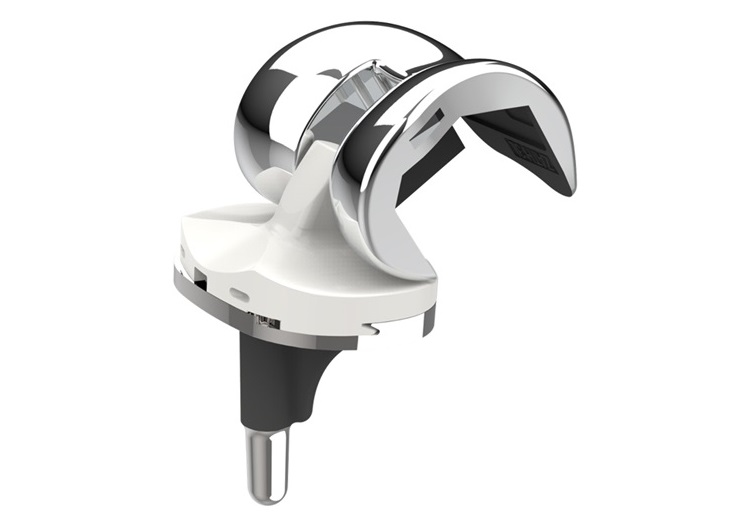
The femoral component of a knee joint replacement is the metal or ceramic piece that replaces the end of the thighbone(femur) in the knee joint. It has a shape that mimics the natural anatomy of the bone to help it fit securely into the joint. The femoral component is typically attached to the bone with a special cement or through a press-fit technique that promotes bone growth around the implant.
During the knee joint replacement surgery, a surgeon will make an incision in the knee and remove the damaged portion of the femur. The surgeon will then prepare the bone to receive the femoral component implant. The femoral component will be positioned and secured in place using either bone cement or a press-fit technique. Once the femoral component is in place, the surgeon will close the incision and the patient will begin the recovery process. Following surgery, patients will typically need to participate in physical therapy exercises to help strengthen the knee and promote healing. After a few months of rehabilitation, patients can normally expect the knee to feel much better and have improved functionality. However, it is important to follow any post-operative instructions provided by the surgeon to ensure optimal healing and recovery.
Indications & Applications
- Rheumatoid arthritis
- Post-traumatic arthritis, osteoarthritis or degenerative arthritis
- Failed osteotomies or unicompartmental replacement or total knee replacement