
High-Efficiency Arthroplasty Implants for New Zealand Surgical Theatres
Engineered for high survivorship and reduced periprosthetic stress-shielding, conforming to rigorous biomechanical expectations in Oceania.
Joint Replacement Realities in New Zealand: Balancing Registry Quality and Procurement Sustainability
The New Zealand orthopedic landscape operates under one of the world's most rigorous clinical monitoring environments, defined by the New Zealand Joint Registry (NZJR) and national procurement priorities.
Registry-Driven Accountability
Every hip and knee component implanted across New Zealand public District Health Boards (Health New Zealand / Te Whatu Ora) and private hospital networks (such as Southern Cross Healthcare) is monitored through the New Zealand National Joint Registry (NZJR). Suppliers must demonstrate exceptionally low revision rates per 100 component years, predictable fixation, and rigorous manufacturing traceability.
Public Waitlists & Fiscal Strain
Elective orthopedic backlogs in cities from Auckland to Christchurch have reached historic highs. The centralization of medical procurement urges hospital administrators to challenge the high margins traditionally commanded by legacy multinational providers, actively seeking ISO 13485-compliant direct manufacturing partners that offer identical clinical performance at scalable cost efficiency.
Active Lifestyle Demands
The demographic profile of New Zealand arthroplasty recipients is remarkably active. Patients engage heavily in agriculture, hiking, sailing, and sports well past their sixth decade. Implant systems must therefore resist aggressive polyethylene wear, deliver optimal range of motion (ROM) to mitigate impingement, and provide immediate primary press-fit stability.
Technical Roadmap: Next-Generation Tribology and Bio-Integration
From porous titanium additive structures to vitamin E-infused cross-linked polymers, our R&D roadmap reflects modern engineering standards for long-term implant survival.
Selective Laser Melting (SLM) Trabecular Titanium
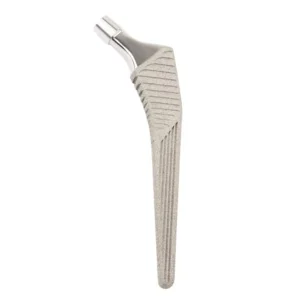
Standard plasma-spray coatings risk delamination over multi-decade cycles. Our facility utilizes selective laser melting (SLM) to manufacture completely monolithic titanium trabecular surfaces with pore diameters controlled between 400 and 600 microns and porosities exceeding 65%. This biomimetic structure encourages rapid vascularized osteointegration, preventing aseptic loosening even in compromised cancellous bone.
Advanced Polyethylene Tribology & Ceramic Articulation
Aseptic loosening triggered by submicron polyethylene wear debris is the predominant cause of long-term joint failure. Our clinical solutions incorporate Highly Cross-Linked Polyethylene (XLPE) enriched with alpha-tocopherol (Vitamin E) to eliminate free radicals without sacrificing mechanical tensile strength, paired with high-purity BIOLOX-compatible delta ceramic heads to achieve ultra-low volumetric wear rates.
Direct-From-Factory Supply Chain: Scalability, Cost Efficiency, and Rigorous Audits
How our centralized Beijing production infrastructure solves New Zealand distributor supply disruptions and lead-time bottlenecks.
Multi-Axis Machining Centers
Our ISO 13485 cleanroom and workshop facilities feature high-end 5-axis DMG MORI CNC milling machines and Swiss-type longitudinal lathes. Every prosthetic neck taper, femoral contour, and locking mechanism is machined under stringent environmental parameters with repeatable micro-inch surface finishes.
Aerospace Grade Medical Alloys
We source exclusively certified Ti6Al4V ELI (ASTM F136), CoCrMo (ASTM F75), and surgical UHMWPE (ASTM F648). Every single batch arrives with direct mill inspection certificates and undergoes spectral composition verification prior to production entry, guaranteeing unyielding mechanical safety.
Lean Logistics to Auckland & Tauranga
Bypassing tiered Western agency markups allows our partners in Wellington, Auckland, and Hamilton to cut acquisition budgets by 30% to 50%. Express sterile lot dispatches reach New Zealand regional hubs in 4 to 6 business days, accompanied by complete batch documentation and sterilization validation.
Regulatory Compliance & Technical Dossier Support for Medsafe / WAND
Seamless pathway for New Zealand distributors to register and distribute Class III orthopedic implants.
Medsafe Notification & WAND Compliance
Medical devices supplied into New Zealand must be notified to the Web Assisted Notification of Devices (WAND) database administered by Medsafe (New Zealand Medicines and Medical Devices Safety Authority). Our technical regulatory division equips local New Zealand sponsors with exhaustive documentation:
- Full ISO 13485:2016 management quality system certificates.
- Biocompatibility test reports conforming to ISO 10993 series (cytotoxicity, sensitization, implantation).
- Mechanical fatigue endurance reports adhering to ISO 7206 (hip stem fatigue and neck fatigue).
- Cleanroom sterilization validation in accordance with ISO 11137 (radiation) or ISO 11135 (EO).
Customized OEM/ODM & Dedicated Surgical Tooling
Orthopedic implants cannot succeed without intuitive, ergonomically balanced surgical instrumentation. We engineer tailored acetabular reamers, femoral rasps, inserters, and trial reduction components customized to the procedural preferences of New Zealand orthopedic surgeons.
Distributors can establish private label branding, unique laser marking, and customized modular tray setups to elevate their market identity across hospital tenders.
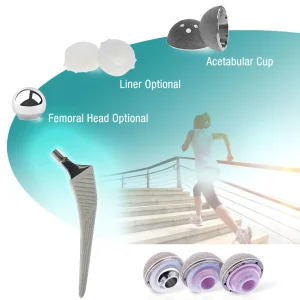
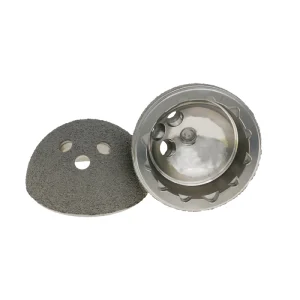
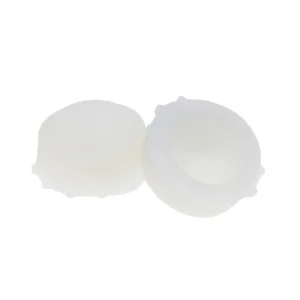
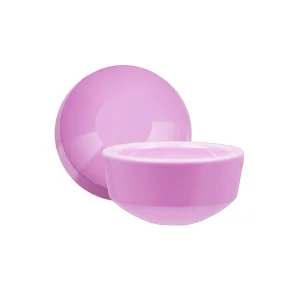
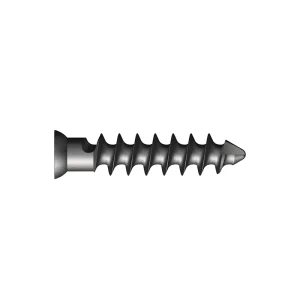
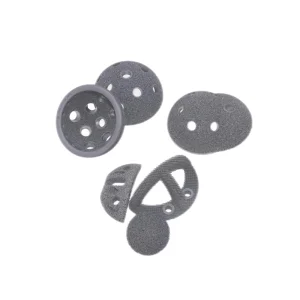
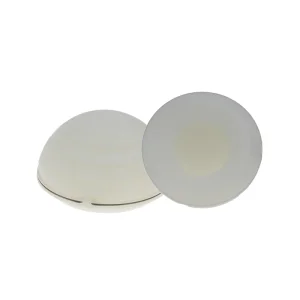
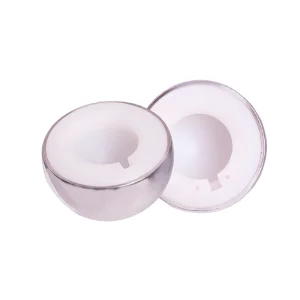
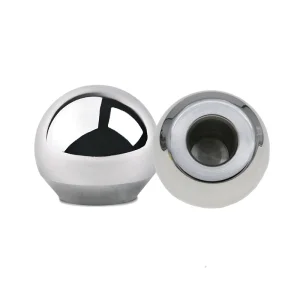
Advanced Acetabular, Bearing, and Revision Components for New Zealand Orthopedics
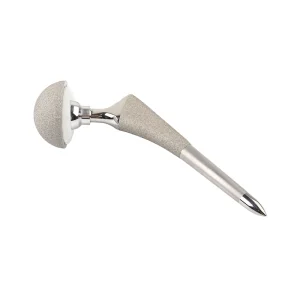
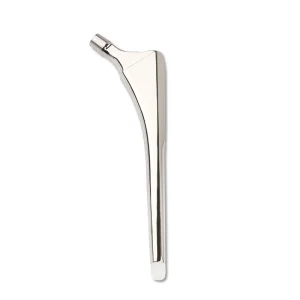
A comprehensive spectrum of primary cups, revision augmentations, advanced ceramics, and femoral heads engineered to support diverse surgical techniques.
Arthroplasty Market Evolution: The Global Shift Toward Value-Based Sourcing
An objective examination of how orthopedic device procurement has transitioned globally, and what it means for the New Zealand healthcare ecosystem.
Historically, the international joint reconstruction marketplace has been heavily consolidated among five multinational conglomerates. While these corporations drove initial product development, their administrative overhead and regional distribution layers have elevated unit acquisition costs beyond sustainable public health thresholds.
Over the past decade, national health registries across Australasia, Scandinavia, and the UK have shown that ISO 13485-certified specialized manufacturers utilizing identical raw materials (ASTM F136 titanium and vacuum-melt CoCrMo) achieve statistical survivorship comparable to premium-priced alternatives.
Consequently, agile procurement models—coupling direct manufacturing pricing with rigorous local clinical stewardship—have emerged as the prevailing standard in healthcare systems seeking to reduce procedural backlogs without compromising clinical outcomes.
Key Procurement Evaluation Criteria:
- Raw Material Traceability: Complete heat-lot documentation to ingot origin.
- Fatigue Survivorship: 5 million cycle dynamic tests without fatigue crack initiation.
- Sterilization Assurance Level (SAL): Validated 10⁻⁶ SAL under strict barrier compliance.
- Tooling Ergonomics: Color-coded, weight-balanced surgical instrumentation sets.
- Supply Lead Times: Direct manufacturing allocations guaranteeing safety stocks.
Frequently Asked Questions for New Zealand Orthopedic Buyers
Essential guidance on certification, WAND registration, supply continuity, and surgical instrument pairing.