
Hungary Core Replacement & Fixation Portfolio
Engineered for high-throughput orthopedic theatres across Budapest, Debrecen, Szeged, and Pécs. Precision cutting blocks, intramedullary alignment guides, and sports medicine fixation assemblies.
-
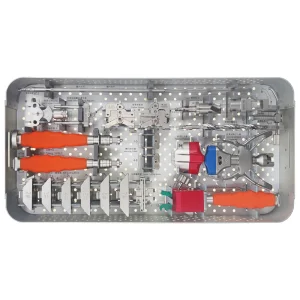 Hungary Total Knee Joint Instruments Set & Cutting Alignment System
-
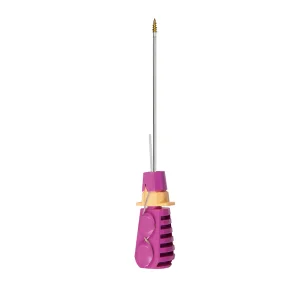 Hungary Knee Cruciate Ligament Repair Titanium Suture Anchor System
-
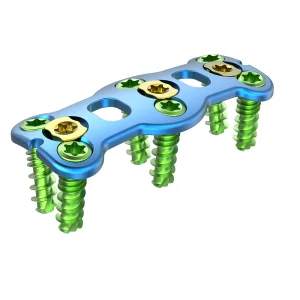 Hungary Orthopedic Shielder Cervical ACP System & Associated Instrumentation
-
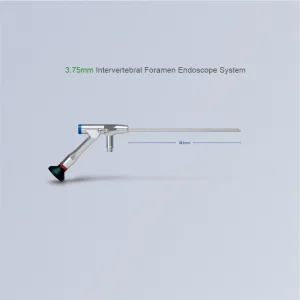 Hungary Minimally Invasive 3.75mm Endoscope & Joint Arthroscopy System
Hungarian & Global Total Knee Arthroplasty (TKA) Landscape
Deciphering surgical load dynamics, reimbursement frameworks under NEÁK (Nemzeti Egészségbiztosítási Alapkezelő), and the shift toward reusable, precision-machined instrument ergonomics.
Hungary Clinical Infrastructure Dynamics
Hungarian orthopedic centers, anchored by university hospitals in Budapest (Semmelweis), Debrecen, Pécs, and Szeged, face demanding arthroplasty caseloads. The pressure to clear backlogs requires joint replacement instrument trays that deliver repeatable accuracy, withstand aggressive autoclave protocols (134°C vacuum steam cycles), and prevent intraoperative mechanical slack during distal femoral and proximal tibial bone resection.
Global Arthroplasty Industry Trends
The global knee replacement instrument marketplace is accelerating away from generic casted instrumentation toward multi-axis CNC-machined, modular platforms. Current trends heavily prioritize ergonomic lightweighting, intuitive quick-connect handles, frictionless micro-dial femoral rotation adjustments (0° to 5° external rotation), and universal pin-track configurations compatible with modern navigation tracking.
MDR Compliance & Regulatory Certainty
Following the full enactment of EU MDR 2017/745, hospital purchasing committees across Hungary reject suppliers lacking clear biocompatibility data, passivation certificates, and rigorous cleaning/sterilization validation protocols. ZATH maintains strict alignment with European standards, assuring distributors that technical documentation, laser-etched UDI markings, and material lot certifications meet every audit requirement.
Direct Procurement Insight for Hungarian Distributors
Tender boards under the Hungarian Directorate-General for Hospitals (OKFŐ) increasingly grade technical offers based on instrument longevity, thermal deformation resistance, and trial implant tactile feedback. Our instruments eliminate recurring tray replacement expenses through surface hardening via specialized passivation and vacuum heat-treatment processes.
Expand Your Arthroplasty Supply in Hungary
Acquire factory-direct pricing, complete EU technical dossiers, and sterilization validation reports for our full knee replacement instrument tray.
Precision Architecture & Future Arthroplasty Trajectory
From mechanical intramedullary/extramedullary alignment jigs to computer-navigated and robotic-compatible end-effectors.
Zero-Tolerance Resection Jigs
Hardened surgical-grade stainless steel cutting blocks engineered to resist burr displacement and saw blade grooving (0.05mm max deflection). Color-coded, quick-switch magnetic spacers for precise extension/flexion gap balancing.
Subvastus & Midvastus MIS Tooling
Curved retractor geometries designed to safeguard the medial collateral ligament (MCL) and patellar tendon during bone preparation. Streamlined trial reduction sizers allowing rapid insertion through smaller 10-12 cm incisions.
Optoelectronic Tracker Compatibility
Universal clamp arrays ready for passive reflective sphere mounting, bridging traditional mechanical alignment with contemporary digital surgical navigation and future robotic resection armatures.
Integrated Systems for Arthroplasty Success in Hungary
Addressing every node of the clinical supply chain: manufacturing, sterilisation longevity, modular interoperability, and custom OEM branding.
Complete Tray Modularity
Our knee instrumentation kit integrates seamlessly into standard Central Sterile Services Department (CSSD) baskets. Accommodates Cruciate-Retaining (CR), Posterior-Stabilized (PS), and revision configurations with minimal component duplication.
Raw Material Traceability
Manufactured using strictly documented medical alloys (ISO 5832-1 biocompatible stainless steels and ISO 5832-3 grade 5 titanium). Full spectroscopic mill certificates accompanied by each production batch.
OEM/ODM Customization
We empower Hungarian medical supply companies to establish proprietary instrument branding. Comprehensive laser marking, tailored tray layout design, and localized instruction manuals (IFUs) provided per regional specifications.
Supporting Knee, Hip & Trauma Trauma Suites for Hungary
Complete surgical lines built to accompany knee joint operations, including periarticular fracture fixation, spinal alignment, and total joint reconstructions.
-
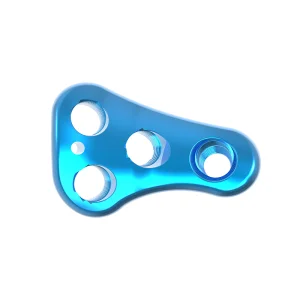 Hungary Proximal Femur MIS Locking Compression Plate II System
-
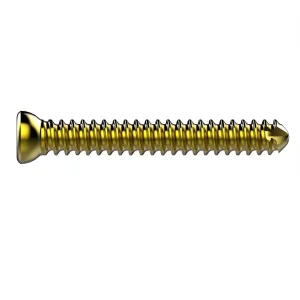 Hungary Cortical Bone Screws (2.0mm - 4.5mm) for Joint Stabilization
-
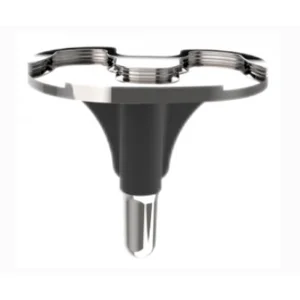 Hungary Tibial Baseplate & Keel Punch Arthroplasty Assembly
-
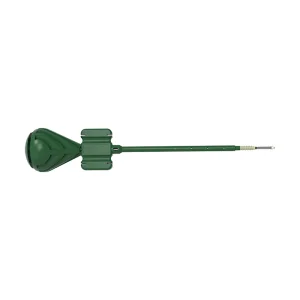 Hungary SuperFix-P Knotless Meniscal & Ligament Anchor Fixation
-
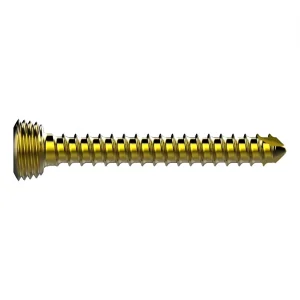 Hungary Titanium Orthopedic Locking Screws (2.0mm - 5.0mm)
-
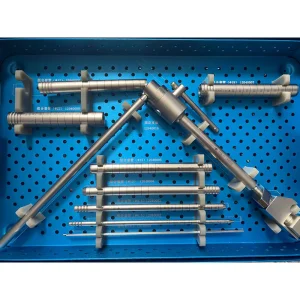 Hungary Minimally Invasive Spine & Channel Instrument Set
-
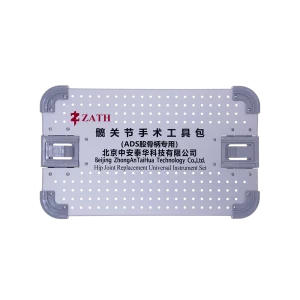 Hungary ADS Total Hip Joint Replacement Precision Instrument Tray
-
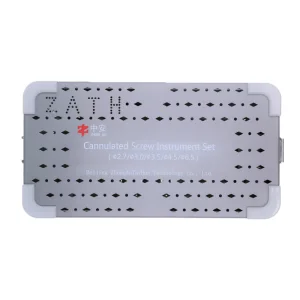 Hungary Surgical Stainless Steel Cannulated Screw Instrument System
Hungarian Distributor & Hospital Procurement Inquiries
Essential guidance covering MDR documentation, alloy characteristics, customs handling in Central Europe, and sterilizer compatibility.