
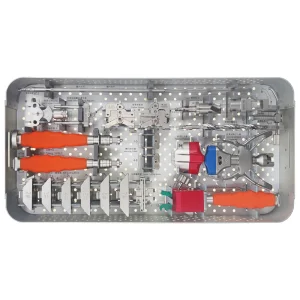
Core Surgical Catalog For Ethiopian Orthopedic Theatres
Featured Arthroplasty & Trauma Instrumentation Platforms
Precision engineered surgical systems calibrated for Total Knee Arthroplasty (TKA), tibial osteotomies, and complex periarticular reconstructive procedures across Addis Ababa and regional referral centers.
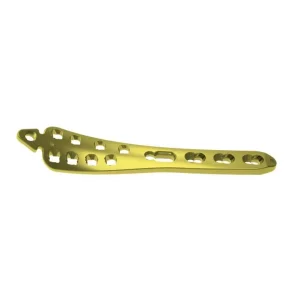
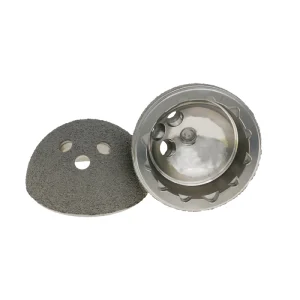
Industry Whitepaper Analysis
Orthopedic Arthroplasty Dynamics in Modern Ethiopia
An analytical overview of epidemiological shifts, clinical capacity bottlenecks, and procurement trends driving the transition from emergency trauma care to scheduled reconstructive arthroplasty across East Africa.
Epidemiological Transition: Degenerative Joint Disease & Fluorosis Impact
Ethiopia, with an expanding population surpassing 125 million, is experiencing an accelerated demographic and epidemiological shift. Historically focused on acute trauma management caused by vehicular accidents and occupational injuries, tertiary hospitals are now confronted with a dramatic surge in end-stage degenerative joint diseases. Primary osteoarthritis of the knee has emerged as a severe public health burden among aging cohorts and agrarian workers subjected to lifelong heavy biomechanical loading.
Crucially, an environmental factor unique to the Ethiopian context is the East African Rift Valley corridor—stretching through the Afar, Oromia, and SNNP regions. Groundwater in these geographical zones exhibits excessive endemic fluoride concentrations, leading to widespread skeletal fluorosis. This condition triggers premature subchondral bone sclerosis, extensive osteophytosis, ligamentous calcification, and accelerated tri-compartmental destruction of the knee joint. Patients frequently present in tertiary clinics with severe fixed varus or valgus deformities exceeding 25 degrees, accompanied by severe flexion contractures. Addressing these complex deformities demands hyper-durable, highly calibrated resection guides and bone-cutting instruments that withstand sclerotic, hyper-dense bone matrices without thermal necrosis or blade deflection.
The Healthcare Surge
Public health institutions under the Ministry of Health (MoH) and private medical providers are heavily expanding arthroplasty services to halt outbound medical tourism to India, Turkey, and Thailand, retaining crucial foreign exchange within Ethiopia.
- Over 6,000+ Backlogged Cases: Substantial untreated primary knee arthroplasty waiting list across Addis Ababa tertiary hubs.
- Expansion of Surgical Fellowships: Sub-specialized arthroplasty training curricula implemented at major academic hospitals.
- Decentralization Beyond the Capital: Regional referral centers in Hawassa, Bahir Dar, and Jimma launching orthopedic joint programs.
Local Operating Theatres & Regulatory Frameworks
Localized Application Scenarios & Institutional Infrastructure
Examining the operating theatre ecosystems, autoclave realities, and EFDA compliance frameworks governing orthopedic joint surgery from the Ethiopian central plateau to regional hubs.
Tertiary Referral Anchors (Addis Ababa)
Tikur Anbessa Specialized Hospital (TASH / Black Lion), St. Paul's Hospital Millennium Medical College (SPHMMC), and the Armed Forces Comprehensive Specialized Hospital serve as the cornerstone centers for advanced reconstructive orthopedics in Ethiopia. Operating theatres in these high-volume settings perform multiple consecutive arthroplasty procedures daily. Instrumentation sets must exhibit uncompromising metallurgical resilience against aggressive, repeated pre-vacuum high-pressure steam autoclaving cycles (134°C at 2.1 bar) without tarnishing, thermal distortion, or loss of laser-etched scale calibration.
Private Hospitals & Medical Tourism Mitigation
Premier private and diplomatic-tier facilities such as the Nordic Medical Centre, Silk Road General Hospital, MCM Comprehensive Specialized Hospital (Korean Hospital), and Kadisco General Hospital cater to middle-class and international patients demanding Western-comparable surgical precision. These private surgical suites mandate ergonomic, modular instrument trays with smooth quick-release coupling handles, precise femoral 4-in-1 resection blocks, and micro-adjustable extramedullary tibial alignment jigs that streamline surgical times below 60 minutes.
EFDA Regulatory & Tender Clearance
Importing orthopedic implants and surgical instrumentation into Ethiopia is regulated by the Ethiopian Food and Drug Authority (EFDA). Qualification demands exhaustive technical dossier filings, including ISO 13485 certification, CE / Free Sale Certificates (FSC), biocompatibility verification under ISO 10993, and validated passivation documentation. Direct procurement via the Ethiopian Pharmaceuticals Supply Service (EPSS) requires strict alignment with tender specifications, CIF Port of Djibouti logistics, and seamless inland customs clearance at the Modjo Dry Port.
| Clinical Setting / Facility Tier | Primary Clinical Focus | Autoclave & OR Constraints | Instrument Ergonomic Demand | Procurement Pathway |
|---|---|---|---|---|
| National Academic Tertiary (e.g., Tikur Anbessa / SPHMMC) |
Complex severe deformities, fluorosis arthropathy, revision TKA | Continuous autoclaving cycles (5–8 rounds/day), central CSSD | High mechanical wear-resistance, 17-4PH hardened surgical stainless steel | EPSS Public International Tenders & Bilateral Medical Grants |
| Regional Referral Centers (e.g., Hawassa, Jimma, Bahir Dar) |
Primary tricompartmental OA, post-traumatic joint contractures | Gravity displacement autoclaves, limited backup instrument inventory | Color-coded visual anodized modularity, low maintenance, foolproof pin locking | Regional Health Bureau (RHB) framework contracts / LC |
| Private Specialty Hospitals (e.g., Silk Road, MCM, Nordic) |
Minimally invasive TKA, early functional mobilization | Dedicated sterile processing departments, fast OR turnover demands | Lightweight Radel® trial components, smooth micro-ratchet distractor systems | Direct Commercial Import via National Bank of Ethiopia Forex Allocation |
Sino-Precision Industrial Matrix
Chinese Factory Advantages: Precision Engineering & Metallurgy
How advanced Chinese manufacturing hubs in Beijing and Yangtze River Delta eliminate supply middle-tier inflation while delivering medical device tolerances down to +/- 0.005mm.
0.005mm
CNC Machining Tolerance
17-4 PH
Precipitation Hardened Steel
100%
Autoclave Passivation Tested
4-6 Days
Direct Airfreight to Addis Ababa
Five-Axis CNC Machining Accuracy
Knee joint replacement instruments require flawless geometric repeatability. From distal femoral resection guides to proximal tibial cutting blocks, Chinese manufacturing facilities utilize multi-axis simultaneous machining centers (DMG MORI, Mazak, and Chiron). This guarantees that femoral resection angles (5°, 6°, 7° valgus presets) and tibial posterior slope guides (0° to 7°) match anatomical variations with absolute precision, mitigating surgeon error during bone preparation.
Medical Grade Metallurgy & Tribology
To counter the aggressive bone sclerosis common in Ethiopian fluorosis-affected knee joints, cutting blocks and oscillating saw guides are fabricated from vacuum-melted 17-4PH martensitic precipitation-hardening stainless steel and custom-treated AISI 420. Subjected to proprietary cryogenic thermal stabilization, our instruments demonstrate Rockwell hardness ratings exceeding HRC 48-52, eliminating slot deformation, metal particulate shredding, and micro-fractures during bone sawing.
Direct Factory OEM / ODM & Cost Agility
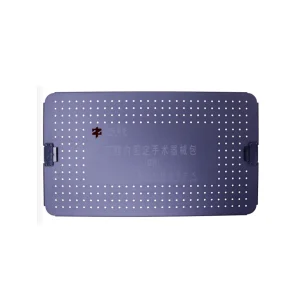
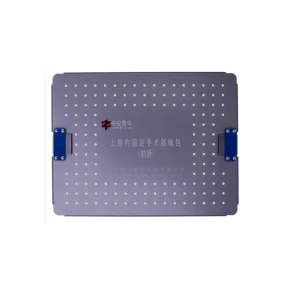
Procuring directly from the Chinese primary manufacturer bypasses European and American multinational branding markups that inflate procurement costs by 300% to 500%. We provide Ethiopian distributors, NGO relief missions, and public healthcare tenders with transparent factory-direct pricing, customized bilingual laser etching (Amharic / English), and custom modular container design tailored to fit autoclave chamber dimensions across East Africa.
Next-Generation Surgical Evolution
Technological Innovations in Arthroplasty Tooling
Pioneering advancements engineered to simplify complex primary TKA, minimize operating room footprint, and improve joint alignment precision under resource-constrained conditions.
Modular 4-in-1 Compact Cutting Blocks
Traditional multi-tray knee replacement systems often require 5 to 7 separate sterilization trays, overburdening African central sterile supply departments (CSSD). Our next-gen systems feature integrated 4-in-1 cutting blocks that execute anterior, posterior, and both chamfer resections through a single unified jig. By reducing tray counts from six down to two, hospitals save over 55% in autoclave electricity and water consumption while cutting turnover time between back-to-back surgeries in half.
PPSU Radel® Sizing Trial Inserts
Trial implants and tibial inserts must deliver identical weight, glide, and visual tactile feedback to high-molecular-weight polyethylene (UHMWPE) prostheses. We incorporate polyphenylsulfone (PPSU Radel®) engineering resins, precision-machined rather than injection-molded. Radel® trial components resist steam sterilization without dimensional swelling or micro-cracking, maintaining exact 9mm through 18mm thickness calibrations through thousands of autoclave cycles.
Antiglare Micro-Bead Blasted Finishing
Operating room LED surgical theater lights can cause severe glare on polished metal surfaces, inducing visual fatigue during lengthy reconstructive cases. All our instrumentation undergoes automated micro-glass bead surface bombardment, producing an ultra-matte, satin-smooth antiglare finish. Furthermore, critical alignment reference lines and sizing scales are deep-annealed with fiber lasers to ensure lifelong legibility beneath intense operating field illumination.
Macro Turnkey Solutions
Turnkey Solutions for Ethiopian Joint Centers
Addressing the structural bottlenecks of orthopedic care: from Foreign Exchange (Forex) allocation hurdles to biomedical engineer training and autoclave reliability.
Comprehensive Equipment & Consignment Stocking Frameworks
A recurring challenge identified by the Ethiopian Orthopaedic and Traumatology Society (ETOS) is the mismatch between implant inventory and available surgical instruments. Hospitals frequently own implants but lack functional, calibrated instrument sets due to lost screws, deformed pins, or worn bone saws.
We provide Ethiopian institutional healthcare clients with an end-to-end Turnkey Arthroplasty Support Package:
- Consignment Instrument Buffers: Provision of redundant instrument trays stationed locally in Addis Ababa to support emergency high-demand trauma centers without capital tie-up.
- Replacement Parts Dispatch: Immediate DHL/FedEx air courier dispatch for high-wear components (e.g., oscillating saw blades, drill sleeves, quick-release chucks) within 4 to 6 business days.
- Biomedical Maintenance Training: Modular workshops for Ethiopian biomedical technicians covering disassembly, torque verification, ultrasonic cleaning, and optical inspection protocols.
Overcoming Forex & Logistics Constraints
The shortage of hard currency allocations through the National Bank of Ethiopia poses significant challenges for medical device imports. We support authorized Ethiopian importers and healthcare groups through:
- Flexible Letter of Credit (L/C) financing terms compliant with Ethiopian banking directives.
- Franco-valuta import license document packaging for diaspora-backed investments and private specialty hospitals.
- Streamlined multimodal freight routing: Air-cargo straight to Bole International Airport (ADD) or sea freight container consolidation via Port of Djibouti and Modjo Dry Port.
Procurement & Regulatory Standard
Global Enterprise Procurement & Tender Qualification
A detailed roadmap for hospital purchasing committees, multinational medical distributors, and tender evaluation boards qualifying knee arthroplasty systems for East Africa.
1. EFDA Dossier Completeness
All instrument assemblies are backed by a complete Common Technical Document (CTD) portfolio, including ISO 13485 certification, CE Declaration of Conformity, biocompatibility evaluation under ISO 10993, cleaning and sterilization validation data under ISO 17665, and Free Sale Certificates authenticated by foreign trade authorities.
2. Lot Traceability & Metallurgy Verifiability
Every instrument features permanent, laser-annealed Datamatrix UDI (Unique Device Identification) codes. Raw steel billets are sourced exclusively from ISO 9001 certified metallurgical mills with full spectral chemistry verification certificates, ensuring absolute material traceability from ingot casting to surgical use.
3. Universal Modular Compatibility
Recognizing that Ethiopian institutions source implants from multiple global vendors, our OEM engineering team supplies universal knee instrument platforms compatible with widely utilized posterior-stabilized (PS) and cruciate-retaining (CR) knee geometries across global arthroplasty product lines.
Procurement & Clinical Inquiries
Frequently Asked Questions: Ethiopian Joint Reconstruction
Clear, authoritative technical answers addressing clinical functionality, sterilization longevity, import regulations, and factory customization.
How do ZATH knee joint instruments perform when resecting hyper-sclerotic bone caused by endemic Rift Valley fluorosis?
Our cutting blocks and drill sleeves are fabricated from premium vacuum-hardened 17-4PH stainless steel and specialized tool steels heat-treated to HRC 48-52. This elevated surface hardness completely prevents blade slot dilation, binding, or particle shedding when orthopedic surgeons cut through the hyper-dense, ivory-like sclerotic bone characteristic of advanced skeletal fluorosis patients in Ethiopia.
What documentation does your factory provide to support EFDA medical device registration in Addis Ababa?
We provide a comprehensive, turn-key EFDA regulatory registration dossier. This includes authenticated ISO 13485 QMS certificates, CE certification under Medical Devices Directive/MDR, Certificate of Free Sale (CFS) legalised by diplomatic channels, raw material mill test certificates, biocompatibility test reports (ISO 10993), sterilization validation studies (ISO 17665), and clinical performance whitepapers.
How do the instrument sets withstand repetitive autoclaving in Ethiopian hospitals where steam quality may vary?
Our instruments undergo an automated 6-stage ultrasonic chemical passivation process that creates an impervious chromium oxide protective layer. Even under conditions with variable steam purity and repeated high-temperature vacuum cycles (134°C at 2.1 bar) in facilities such as Tikur Anbessa Hospital, the instruments remain completely impervious to pitting corrosion, staining, and surface oxidation.
Can you manufacture customized or universal instrument sets compatible with our hospital's existing implant inventory?
Yes. We offer extensive OEM/ODM engineering customization. Our design team can adapt femoral sizing guides, intramedullary alignment rods, tibial resection platforms, and trial components to precisely interface with your specific implant geometries, whether posterior-stabilized (PS) or cruciate-retaining (CR), accompanied by custom laser-etched branding and bilingual labeling.
What is the typical shipping transit time and preferred logistics corridor into Ethiopia?
For urgent orders, instrument replacements, and consignment sets, we utilize international express air courier (DHL, FedEx, UPS) directly to Addis Ababa Bole International Airport (ADD), with transit times of 4 to 6 business days. For bulk containerized procurement and complete hospital installations, shipments are routed via sea freight to the Port of Djibouti and transported via the Addis Ababa-Djibouti Railway corridor to the Modjo Dry Port.
Complete Orthopedic Operating Theater Spectrum
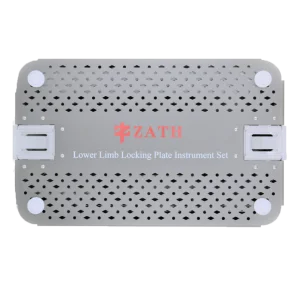
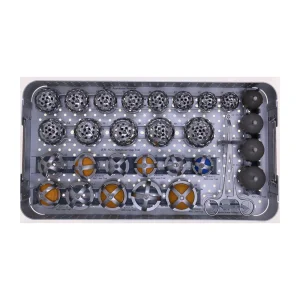
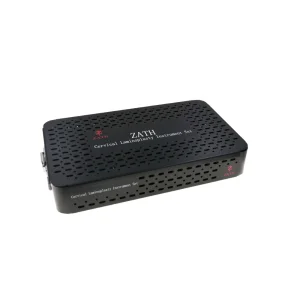
Trauma, Spine & Joint Reconstruction Instrumentation
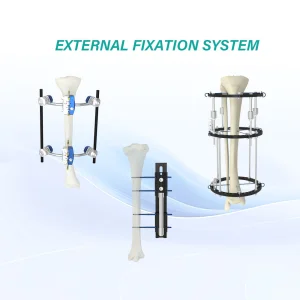
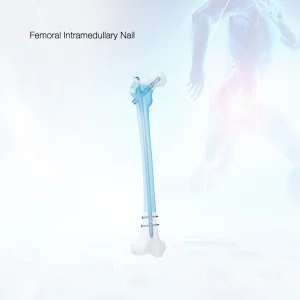
Expanding beyond primary knee arthroplasty: comprehensive fracture management, external fixators, pelvic reconstruction, and spinal decompression systems for Ethiopian surgery centers.

Direct Factory Sourcing Partnership
Empower Your Ethiopian Surgical Theatres with Precision Sino-Engineering
Connect directly with our biomedical engineering and regulatory export team. Request complete product specifications, OEM customization options, ISO 13485 / CE technical files, and competitive CIF Port of Djibouti or Bole Airport quotes.