
Featured Fixation & Surgical Solutions for Spanish Hospitals
Engineered to satisfy the stringent biomechanical standards of Spain's Sistema Nacional de Salud (SNS) and private healthcare consortia. Designed for high torsional stability, rapid osseointegration, and seamless insertion.
-
Spine Platform
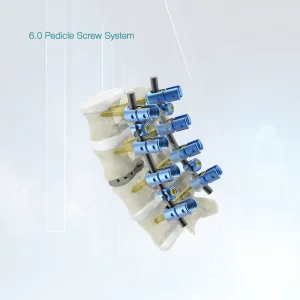
Spain Pedicle System: Zipper Polyaxial Spinal Screws
Explore Screw System -
Sports Medicine
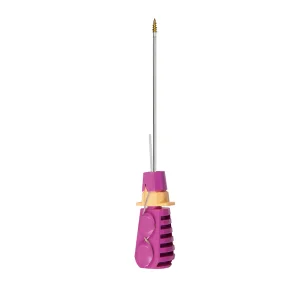
Titanium Suture Anchor Screw Implants for Spain Clinics
Explore Anchor System -
Endoscopic Tech
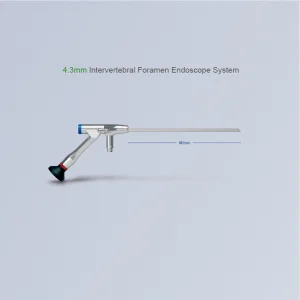
Endoscope System Compatible with Spanish Spine Fasteners
Explore Endoscope System -
Trauma Hardware
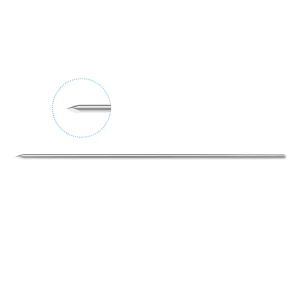
CE Stainless Steel Surgical Pins & Screws for Spain
Explore Trauma Pins
The Orthopedic Screw Market in Spain: Ecosystem & Regulatory Shifts
Spain represents one of Europe's most dynamic and demanding medical device ecosystems. With a universal public healthcare infrastructure and a fast-expanding private hospital market, medical fastener procurement demands an equilibrium of mechanical excellence and cost containment.
Dichotomy of Spanish Healthcare Procurement: SNS Tenders vs. Private Consortia
Spanish procurement for osteosynthesis screws is split between autonomous community tenders (such as CatSalut in Catalonia, SERMAS in Madrid, SAS in Andalusia, and Sergas in Galicia) and prominent private health operators including Quirónsalud, Vithas, and HM Hospitales. Autonomous tenders enforce rigorous centralized bidding matrices prioritizing lot-by-lot batch traceability, CE conformity, and aggressive price-to-performance metrics. Concurrently, private health clusters seek agile OEM/ODM partners capable of delivering customized modular screw kits, specialized Torx drive recesses, and immediate replenishment schedules to optimize operating room turnaround times and surgical efficiency.
Demographic Shifts & Fragility Fractures
With one of Europe's longest life expectancies, Spain confronts an escalating incidence of osteoporotic fragility fractures—surpassing 330,000 cases annually. This reality escalates clinical demand for cannulated cancellous screws with reinforced dual-core geometry, expandable fenestrations for bone cement injection (PMMA augmentation), and locking screw systems designed to prevent cut-out in compromised trabecular bone architectures.
AEMPS Supervision & EU MDR 2017/745
Commercialization within Spain necessitates strict oversight by the Spanish Agency of Medicines and Medical Devices (AEMPS - Agencia Española de Medicamentos y Productos Sanitarios). Importers and distributors must comply with the transitional timelines of EU MDR Regulation 2017/745. Under this framework, orthopedic screws categorized under Class IIa, IIb, and Class III (such as spinal systems and bioactive coated anchors) demand comprehensive clinical evaluation reports (CER), pristine Post-Market Clinical Follow-up (PMCF) registries, and verifiable UDI-DI tracking linked directly to EUDAMED.
Sterile Tyvek® Blister Migration
Operating theaters in Madrid, Valencia, and Barcelona are shifting away from traditional non-sterile consignment screw caddies to individually sterile-packaged units. Pre-sterilized gamma/EO double-barrier packaging eliminates hospital autoclaving expenditure, mitigates bioburden liabilities, eradicates the incidence of surgical cross-contamination, and integrates barcode-driven surgical billing per patient encounter.
Spain Regional MedTech Distribution Hubs
Catalonia and the Basque Country have established prominent biomedical industrial clusters. Spanish distributors operate as technological partners providing consignment management, instrument tray maintenance, and local technical assistance during complex orthopedic procedures. Overseas manufacturing partnerships must accommodate localized laser labeling, Spanish-language IFUs (Instrucciones de Uso), and reliable supply chains resistant to global geopolitical disruptions.
Biomechanics & Micro-Machining: Setting Quality Standards
Modern internal fixation demands zero room for mechanical degradation. Every screw machined across our Swiss-type multi-axis centers complies rigorously with ASTM F136 (Ti-6Al-4V ELI) and ISO 5832-1 (High-grade Surgical Implant Stainless Steel).
| Screw Platform | Metallurgical Standard | Drive & Thread Architecture | Primary Indications | Biomechanical Benchmarks |
|---|---|---|---|---|
| Cortical Bone Screws | Ti-6Al-4V ELI / 316LVM | Hex / Torx Star; High pitch fine thread | Diaphyseal cortical fixation, dynamic compression | ASTM F543 High pull-out strength |
| Cancellous Screws | Ti-6Al-4V ELI (Grade 23) | Coarse deep thread, self-tapping tip | Epiphyseal & metaphyseal bone, femoral condyles | High Core Ductility Shear resilience |
| Cannulated Headless Compression | Titanium Grade 5 ELI | Differential pitch (Herbert type), central lumen | Scaphoid fractures, osteochondritis, hallux valgus | Dynamic Compression Flush articular finish |
| Locking Compression Screws | Ti-6Al-4V ELI / Cold-worked 316L | Threaded head, conical core, Stardrive recess | Fixed-angle periarticular plating, osteoporotic bone | Angular Stability Anti-toggle fatigue lock |
| Polyaxial Pedicle Screws | Ti-6Al-4V ELI / Anodized Type II | Double lead thread, 60° polyaxial spherical friction cup | Degenerative spine, scoliosis, spondylolisthesis | >12 Nm Break-off Zero rod slippage |
Torx (Stardrive) vs. Hexagonal Geometry
Surgical slippage and screw head stripping ("cam-out") represent major clinical hazards in high-torque trauma surgery. ZATH orthopedic screws feature precision CNC-milled Torx/Stardrive interfaces that distribute rotational torque evenly across multiple engagement planes. This increases torsional transmission efficiency by 40% over conventional hexagonal slots, ensuring reliable extraction even after extended years of in vivo bone consolidation.
Advanced Surface Modification
Titanium implants undergo controlled Type II Electrochemical Anodization, forming an anti-galling, dense titanium oxide layer that dramatically reduces cold welding when threaded into locking plate holes. For sports medicine and soft-tissue reattachment, we provide micro-blasted surfaces or bioactive Hydroxyapatite (HA) plasma-sprayed coatings that expedite cellular adhesion, osteoconduction, and permanent osseointegration within Spanish clinical trials.
Lumen Concentricity & Cannulation
Cannulated fracture screws demand concentric lumen boring to prevent guide-wire deflection or drill breakage during percutaneous trauma procedures. Using specialized deep-hole drilling technology, ZATH maintains axial runout tolerances within ±0.015 mm across lengths up to 120 mm. This facilitates flawless fluoroscopic-guided insertion under minimally invasive surgery (MIS) protocols across European trauma theaters.
Empowering Spanish Brands: China's Precision Manufacturing Edge
Navigating the European Medical Device Regulation (MDR) requires a supply partner combining aerospace-grade precision manufacturing, scale-driven cost savings, and fully documented regulatory compliance.
High-Yield CNC Swiss Lathe Machining
Our Beijing facility in the Zhongguancun Science Park deploys high-end Citizen and Star CNC multi-axis automatic Swiss-type lathes. Simultaneous multi-spindle operations permit turning, thread whirling, cross-hole drilling, and Torx recess broaching in a single cycle setup. This eliminates cumulative clamping error, maintains micronic dimensional repeatability (±0.005 mm), and sustains scalable output exceeding 200,000 surgical fasteners monthly.
Stringent Quality Control & Metrology
Every production batch undergoes 100% optical coordinate inspection (CMM), thread pitch verification via video measuring systems, and micro-hardness profiling. Mechanical testing strictly mirrors ASTM F543 parameters: testing torsional yield strength, driving torque, pull-out force from certified polyurethane foam blocks, and dynamic fatigue cycles. Full batch metallography and mill test certificates accompany every export shipment.
Cost Containment for Public Tender Viability
As public tender reimbursement rates tighten under regional health authorities like SAS (Andalusia) and SERMAS (Madrid), local distributors face compressed operating margins when purchasing from legacy Western tier-1 brands. Partnering directly with ZATH's OEM/ODM infrastructure yields direct cost reductions of 35% to 50% without conceding metallurgical purity or surgical reliability, revitalizing tender competitiveness.
Complete Technical Documentation & Local Registration Support
Entering the Spanish market demands more than just hardware; it requires comprehensive documentation. ZATH supplies exhaustive Technical Dossiers formatted to Annex II and III of Regulation (EU) 2017/745. Our engineering team assists Spanish authorized representatives (EAR) and local importers with biocompatibility reports (ISO 10993 series), cleanroom bioburden validation (ISO 11737), accelerated aging shelf-life verifications (ASTM F1980), and Spanish-translated IFU labeling templates with GS1 DataMatrix UDI integration.
Localized Application Scenarios in Spanish Surgical Centers
From high-velocity motor vehicle trauma on the Autovías to elite athletic tendon reconstruction and complex geriatric spine stabilization, our orthopedic screws deliver dependable clinical stability.
Major Polytrauma & Long-Bone Fixation
Emergency operating units at Hospital Universitario La Paz (Madrid) or Hospital Clínic (Barcelona) manage complex periarticular fractures. Our titanium distal locking screws provide rigid angular stability when paired with anatomical reconstruction plates, withstanding weight-bearing loads in active polytrauma patients.
Arthroscopic Reconstructive Surgery
Elite football and basketball sports medicine clinics across Spain utilize our titanium and bio-composite suture anchor screws for labrum, rotator cuff, and ACL/PCL reconstruction. Precision eyelet deburring prevents suture abrasion during high-tension arthroscopic knotting.
Degenerative Spine & Scoliosis Arthrodesis
Specialized neurosurgical departments perform thoracolumbar arthrodesis utilizing our Zipper Polyaxial Pedicle Screws. With exceptional angular deflection and superior pull-out resistance, our spinal screws secure vertebral columns under complex deformity correction stresses.
Osteoporotic Femoral Neck Stabilization
With hip fractures presenting a primary risk factor for geriatric cohorts in Spain, our cannulated screw systems enable rapid, minimally invasive percutaneous tri-screw cross-pinning under local anesthesia, minimizing intraoperative morbidity and accelerating patient mobilization.
Foot, Ankle & Hand Osteotomies
Private podiatric and orthopedic practices throughout Valencia, Bilbao, and Seville rely on our headless cannulated compression screws (Herbert configuration) for hallux valgus correction, scaphoid non-union, and intercarpal fusions with minimal soft-tissue irritation.
Acetabular Cup Augmentation Fixation
When primary hip arthroplasty fails due to osteolysis or aseptic loosening, our heavy-duty spherical head cancellous screws provide secondary mechanical stability, securing 3D-printed porous revision cages and acetabular shells into stable iliac bone stock.
Orthopedic Screw Innovation: The Next Generation
Surgical technology is evolving toward biological integration, smart navigation, and material resorption. ZATH continues to invest in emerging orthopedic frontiers.
3D Printed Porous Trabecular Screws
Selective Laser Melting (SLM) additive manufacturing permits the fabrication of titanium screws featuring fully interconnected, biomimetic porous lattices (60-70% porosity, 300-500 μm pore size). This cellular design matches the elastic modulus of cancellous bone, virtually eliminating stress shielding while enabling rapid vascularized bone ingrowth throughout the core of the screw.
Bioresorbable Magnesium & Polymer Alloys
Secondary surgical procedures for hardware removal impose physical trauma and systemic costs on public healthcare systems. Emerging bioresorbable magnesium alloys degrade gradually into non-toxic biological ions in synchronization with fracture healing, preserving mechanical fixation for the required 8-12 weeks before being metabolized naturally by the human body.
Robotic Navigation & O-Arm Calibration
With robotic-assisted surgery platforms (e.g., Stryker Mako, Medtronic Mazor) advancing across major hospitals in Madrid and Barcelona, modern pedicle screws require tight dimensional tolerances on screw heads and tracker attachments. Our automated machining preserves tight concentric tolerances, preventing optical tracking errors during stereotactic navigation.
Complementary Implants & Instrument Sets for Spain
A fully integrated surgical portfolio: every plate, nail, cage, and arthroplasty component is engineered to operate harmoniously with our orthopedic screw platforms.
-
Pediatric / Trauma
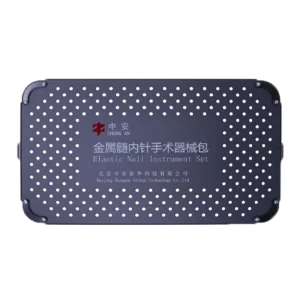
Spain CE Elastic Nail Instrument Set (ZEIN)
View Instrument Set -
Revision Joint
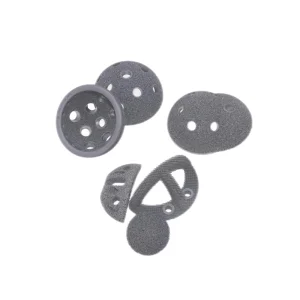
Spain 3D Printing Acetabular Revision System
View Revision System -
Knee Joint
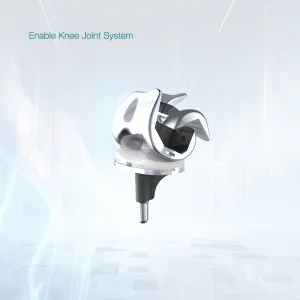
Spain Titanium Total Knee Replacement Implants
View Knee System -
Distal Radius
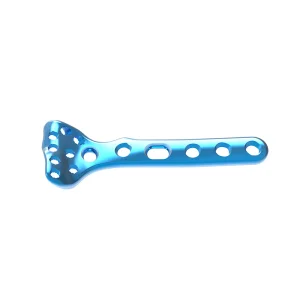
Spain DVR Volar Locking Compression Plate
View DVR Plate -
Cervical Spine
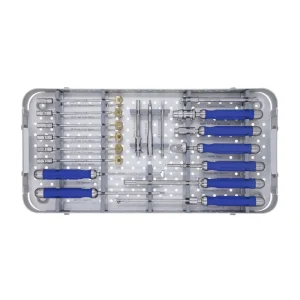
Spain Cervical Fusion Cage & Instrument Set
View Cervical Kit -
Femur Trauma
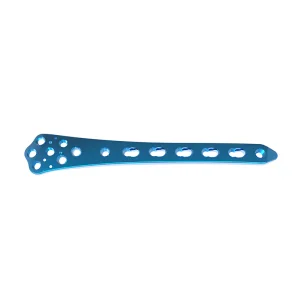
Spain Distal Lateral Femur Locking Plate
View Femur Plate -
Hip Arthroplasty
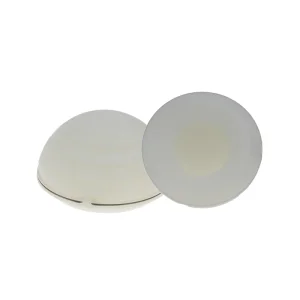
Spain TDC Cemented Acetabular Cup Prosthesis
View Hip Prosthesis -
Intramedullary Nail
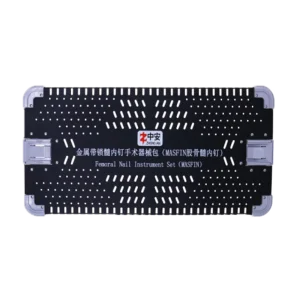
Spain MASFIN Expert Femur Nail Instrument Set
View Nail Set
Frequently Asked Questions: Sourcing Screws for Spain
Essential insights addressing regulatory classification, metallurgical testing, custom OEM branding, and international cold-chain logistics for Spanish medical equipment buyers.
What specific MDR 2017/745 regulatory classifications apply to your orthopedic screws?
Can you provide Spanish-language packaging, IFU instructions, and custom laser etching?
What titanium alloys are used, and do you supply Mill Test Certificates?
How do you verify torque-to-failure and pull-out strength before dispatch?
Are your screws delivered in sterile blister packaging or non-sterile bulk caddies?
What is the typical shipping lead time and customs clearance process for Spain?
What are your minimum order quantities (MOQ) for custom OEM screws?
How does your pricing compare with established European multi-national brands?
Partner with a World-Class Orthopedic Screw Manufacturer
Whether you are preparing a regional tender bid for SERMAS or CatSalut, expanding your private orthopedics brand in Spain, or seeking an agile OEM/ODM manufacturing partner: our technical team is ready to deliver precision samples and technical dossiers.