
Primary Fixation Suite
Clinical Trauma & Reconstruction Implants (Series I)
Engineered to withstand anatomical axial loads, restore joint congruency, and provide uncompromising stabilization for complex reconstructive orthopedics.
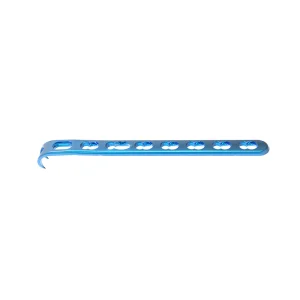
Buy Olecranon Hook Locking Compression Plate Companies, Products
Explore Specifications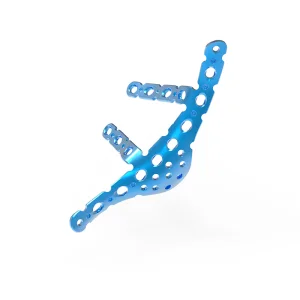
Custom Winged Pelvis Reconstruction Locking Compression Plate Factories, Exporter
Explore Specifications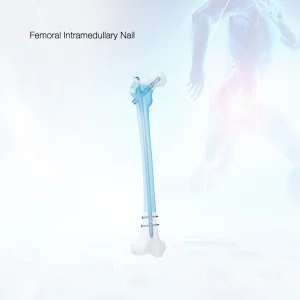
Cheap Surgical Orthopedic Implant Titanium ZAFIN Intramedullary Nail Pricelist, Exporters
Explore Specifications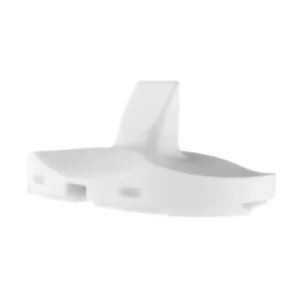
Wholesale Enable Tibial Insert Knee Joint Prosthesis Pricelist, Exporters
Explore Specifications
ODM AC Joint Reconstruction Instrument Set Supplier, Products
Explore Specifications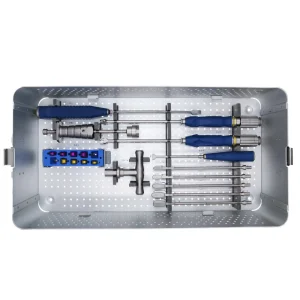
OEM Bone Surgical Instrument Sets Thoracolumbar TLIF Cage Instrument Set Factory, Exporters
Explore Specifications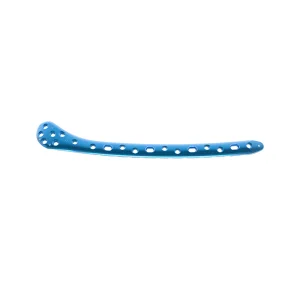
Best Distal Lateral Femur Locking Compression Plate I Factory, Company
Explore SpecificationsClinical Engineering Whitepaper
Calcaneus Fracture Fixation: Biomechanical Challenges & Morphological Realities
Restoring the architectural pillars of the hindfoot requires an intimate understanding of the cancellous bone envelope, joint depression angles, and multi-planar stress distribution.
Restoration of Böhler's and Gissane's Angles
The calcaneus (os calcis) bears the entirety of human bodyweight during initial heel strike. Calcaneal fractures represent approximately 60% of all tarsal injuries, with up to 75% being intra-articular fractures involving the subtalar joint. Displacement of the posterior facet causes immediate collapse of Böhler's angle (normal: 20° to 40°) and distortion of the critical angle of Gissane (normal: 120° to 145°).
Failure to rigidly reconstruct the height, width, and varus-valgus alignment leads to severe post-traumatic arthritis, flatfoot deformity (pes planus), and chronic peroneal tendon impingement. Premium calcaneus locking plates provide the structural bridge required to maintain subchondral reduction until full osteointegration.
The Sanders Classification Decision Matrix
Surgical indication depends largely on high-resolution coronal computed tomography (CT) scanning classified by the Sanders system, which evaluates intra-articular depression based on the number and location of fracture lines in the posterior facet:
- Sanders Type I: Non-displaced articular fragments (conservative protocol).
- Sanders Type II: Two-part articular fractures (IIA, IIB, IIC). Optimal candidates for anatomic open reduction internal fixation (ORIF) or minimally invasive sinus tarsi plating.
- Sanders Type III: Three-part depressed fractures with central impaction. Demands low-profile multi-directional locking plates with dedicated subchondral screw rafts.
- Sanders Type IV: Highly comminuted four-part fractures. Requires primary reconstruction plating or primary subtalar arthrodesis.
Sustentaculum Tali: The Constant Anatomic Anchor
Even in severely comminuted burst fractures of the calcaneus, the medial fragment carrying the sustentaculum tali and middle facet typically remains firmly connected to the talus via the strong interosseous talocalcaneal ligament and deltoid ligament. Orthopedic surgeons consider this the "constant fragment."
Our engineered calcaneus plates feature dedicated diverging sub-facet screw trajectories specifically angled between 15° to 20° anteromedially. This allows locking screws to bite securely into the dense cortices of the sustentaculum tali, creating an ultra-rigid scaffold underneath the elevated articular fragments without penetrating the flexor hallucis longus tendon sheath or medial neurovascular bundle.
Surgical Technique Evolution
Extensile Lateral Approach vs. Minimally Invasive Sinus Tarsi Fixation
The global paradigm in hindfoot trauma surgery has pivoted sharply from high-profile expansive plating toward soft-tissue preservation. Below is the technical comparison guiding clinical device procurement.
| Evaluation Parameter | Extensile Lateral Calcaneus Plate (Classic ELA) | Sinus Tarsi Minimally Invasive Plate (STA / MIPO) | Clinical Engineering Target |
|---|---|---|---|
| Incision Geometry | L-shaped lateral incision down to calcaneal periosteum | 2.5 - 4.0 cm straight incision over sinus tarsi | Minimization of dermal microvascular disruption |
| Wound Complication Rate | 12% - 25% (skin margin necrosis, dehiscence, infection) | 2% - 5% (superior wound healing dynamics) | Preservation of angiosome branches of lateral calcaneal artery |
| Implant Profile & Thickness | 1.8mm - 2.2mm anatomical contoured web matrix | 1.3mm - 1.5mm ultra-low profile perimeter titanium | Elimination of peroneal tendon impingement and skin irritation |
| Screw Trajectory Freedom | Fixed-angle or variable-angle locked (up to 15 holes) | Variable-angle locking (+/- 15° cone) with targeted raft | High subchondral bone purchase in sparse trabecular envelopes |
| Primary Indication | Sanders III/IV comminuted fracture-dislocations | Sanders II/III fractures, diabetic and smoker cohorts | Optimized risk-benefit profile for high-risk soft tissue envelopes |
| OR Turnaround Time | 85 - 130 minutes | 45 - 70 minutes | Accelerated operating theater throughput and anesthesia savings |
Sub-Millimeter Anatomical Pre-Contouring
Traditional calcaneal plates required cumbersome intraoperative bending using handheld irons, which often led to notch sensitivity, plate fatigue failure, and inadvertent micro-fractures in titanium alloys. Our CAD-engineered calcaneus plates are derived from thousands of patient CT reconstructive models, mirroring the complex multi-planar lateral wall curvature. This eliminates intraoperative contouring and significantly reduces theater time.
Multi-Directional Polyaxial Locking Holes
Each screw hole incorporates precision-milled multi-axial threads capable of receiving 3.5mm cortex screws, 3.5mm locking screws, or 4.0mm cancellous screws within a conical angle of ±15°. This allows surgeons to adapt intraoperatively to idiosyncratic fracture lines, directing screws past comminuted zones straight into high-density structural bone fragments.
Minimized Contact Low-Profile Under-Surfaces
Contact points between the plate and the periosteum are undercut to minimize contact footprint. By preserving periosteal blood flow on the lateral calcaneal wall, the implant accelerates callus formation, minimizes avascular necrosis risk, and ensures smooth glide of the overlying peroneal tendons without painful fibular impingement.
Smart Foundry Infrastructure
China Industry 4.0: Supply Chain Resilience, CNC Mastery & Quality Systems
Founded in 2009 in the Zhongguancun Science and Technology Park, Pinggu, Beijing, Beijing ZhongAnTaiHua Technology Co., Ltd. (ZATH) has built an integrated orthopedic manufacturing powerhouse spanning R&D, precision machining, cleanroom packaging, and global logistics.
5-Axis Simultaneous Swiss-Type Machining
ZATH operates state-of-the-art Japanese and German 5-axis DMG MORI and Citizen CNC machining centers. Complex three-dimensional screw-hole threading, perimeter beveling, and under-surface scalloping are machined in a continuous single-clamping cycle. This ensures dimensional tolerances within ±5 micrometers (μm), eliminating micro-burrs that could lead to intraoperative cold welding or screw jamming.
Medical Titanium Metallurgy & Surface Treatment
All raw titanium bar stock is strictly certified to ASTM F136 (Ti-6Al-4V ELI - Extra Low Interstitial) and ISO 5832-3. Following multi-axis machining, our plates undergo ultrasonic precision degreasing, validated passivation (ASTM F86), electro-polishing, and Type II anodization. This creates a biocompatible, chemically inert titanium dioxide (TiO2) layer that prevents ion leaching and optimizes biocompatibility.
ISO Class 7 Cleanrooms & Sterile Packaging
To eliminate bioburden and endotoxin risks, finished calcaneus plates and trauma screws are transferred to our ISO Class 7 (Class 10,000) cleanroom suites with laminar flow Class 100 packaging stations. We offer medical-grade Tyvek blister packs validated for 5-year sterile shelf life under ISO 11607-1, ready for immediate deployment in hospital operating rooms.
The 6-Stage Controlled Manufacturing Ecosystem
01
Raw Material Control
Incoming spectrometer verification of Ti-6Al-4V ELI ingots with mill test certificates and ultrasonic defect scanning.
02
Precision Wire EDM
High-precision wire electrical discharge profiling minimizing heat-affected zones and preserving grain structures.
03
5-Axis CNC Milling
Sub-micron milling of polyaxial locking threads, rounded chamfers, and anatomically sculpted plate contours.
04
Cleanroom Sterility & UDI
Laser marking of GS1-compliant Unique Device Identifiers (UDI) followed by validated ethylene oxide / gamma packaging.
15+
Years of Orthopedic Manufacturing (Est. 2009)
300+
Dedicated Production & Engineering Staff
100≈
Senior Quality & Precision Technicians
4-6
Days Express Worldwide Dispatch (DHL/FedEx)
B2B Distributor Dynamics
Global Orthopedic Sourcing: Navigating Cost Pressures & Regulatory Hurdles
Distributors and hospital procurement leaders face rising regulatory demands under the EU Medical Device Regulation (MDR 2017/745) and national Value-Based Procurement (VBP) policies. Selecting an agile, certified manufacturing partner is essential to sustaining competitive margins.
Inventory Rationalization & Modular Caddies
Traditional calcaneus plating sets required dozens of specialized instrument trays, consuming valuable hospital sterilization capacity. Modern distributors demand compact, modular kits where calcaneus plates, proximal humerus plates, and distal fibula implants share common 2.7mm/3.5mm instrumentation, hex/stardrive drivers, drill sleeves, and depth gauges. This consolidation lowers hospital capital outlay and speeds up operating room turnover.
Comprehensive Technical Documentation
Market entry requires robust documentary backing. ZATH supports our global distributor network with comprehensive Technical Dossiers, Biocompatibility Assessment Reports (ISO 10993 series), Mechanical Static and Dynamic Fatigue Testing data (ASTM F382 / ASTM F136), Sterilization Validation Reports (ISO 11135 / ISO 11137), and ready-to-file Certificates of Free Sale (CFS).
Full Turnkey OEM / ODM Customization
Whether you require distributor-branded private labeling, regional morphological adjustments, custom screw hole layout adaptations, or bespoke titanium anodization colorways (Gold, Cyan, Magenta, Ice Blue), our in-house engineering team converts clinical concepts into functional, validated implants within 4 to 6 weeks, supported by rapid rapid-tooling prototyping.
Material Science Matrix
Comparative Metallurgy: Titanium Ti-6Al-4V ELI vs. Alternative Alloys
The biomechanical success of a calcaneus plate hinges upon matching material modulus to host bone to prevent stress shielding while delivering superior fatigue life under repetitive cyclic loading.
| Material Property | Ti-6Al-4V ELI (ASTM F136 / Grade 5) | CP Titanium (ISO 5832-2 / Grade 4) | 316L Stainless Steel (ASTM F138) | Clinical Performance Advantage |
|---|---|---|---|---|
| Elastic Modulus (GPa) | 110 - 114 GPa | 100 - 105 GPa | 190 - 210 GPa | Ti-6Al-4V is closer to cortical bone (15-30 GPa), reducing stress shielding |
| Tensile Yield Strength (MPa) | ≥ 860 MPa | ≥ 480 MPa | ≥ 690 MPa | Resists permanent plastic deformation under premature post-op weight bearing |
| Ultimate Tensile Strength (MPa) | ≥ 930 MPa | ≥ 550 MPa | ≥ 860 MPa | High ultimate margin preventing catastrophic plate snapping during trauma impact |
| Fatigue Limit (10^7 cycles) | ≥ 510 MPa | ≥ 300 MPa | ≥ 380 MPa | Endures hundreds of thousands of micro-gait cycles during delayed consolidation |
| MRI Artifact Rating | Minimal Artifact (MR Conditional 3.0T) | Minimal Artifact | Significant Ferromagnetic Distortions | Enables precise postoperative CT and MRI imaging of subtalar joint cartilage |
Procurement & Clinical FAQ
Frequently Asked Technical, Regulatory & Commercial Questions
Comprehensive answers to help procurement directors, distributor principals, and regulatory affairs managers verify factory capabilities.
What are the key engineering advantages of ZATH calcaneus locking plates?
Our calcaneus plates are precision-machined from Grade 5 Ti-6Al-4V ELI titanium with ultra-low profiles (1.3mm to 1.8mm). They feature anatomically pre-contoured geometries, scalloped undersurfaces to protect lateral periosteal circulation, and multi-directional polyaxial locking holes allowing ±15° screw angulation to target the sustentaculum tali and support depressed subchondral articular fragments.
Which surgical approaches are compatible with your calcaneus plate designs?
We manufacture dedicated implants for both major surgical workflows: our perimeter reconstruction mesh plates are tailored for the classical Extensile Lateral Approach (ELA), while our specialized mini-perimeter plates are engineered for the Sinus Tarsi Minimally Invasive Approach (STA/MIPO), which reduces wound dehiscence and protects the lateral calcaneal artery.
How does ZATH ensure quality management compliance under ISO 13485?
ZATH has operated an ISO 13485-certified quality management system since 2009. Every batch undergoes 100% optical and CMM coordinate measurement dimensional verification, chemical composition verification with mill test certificates, and documented pass/fail lot segregation. Our quality documentation includes complete raw-material-to-sterile-barrier traceability.
Are ZATH calcaneus implants provided in sterile or non-sterile packaging?
Both options are available based on distributor preference. We offer sterile-packed implants sealed in medical-grade Tyvek double blisters within ISO Class 7 cleanrooms, providing a 5-year validated shelf life. We also supply non-sterile inventory suited for hospital autoclave caddie systems, supported by validated sterilization instructions.
Can ZATH provide OEM and ODM private-label manufacturing?
Yes. As an authentic primary manufacturer, we support comprehensive OEM/ODM partnerships. Our engineering team assists with plate profile adjustments, customized screw-hole threading, bespoke surgical instrument caddies, laser-marked distributor logos, and tailor-made packaging configurations compliant with your target market's regulatory frameworks.
What documentation is provided to support national medical device registrations?
We furnish qualified distributors with complete Technical Files including ISO 13485 certificates, Free Sale Certificates (CFS), ASTM F382 mechanical static and dynamic fatigue test data, ISO 10993 biocompatibility dossiers, risk management files (ISO 14971), and sterilization validation reports (ISO 11135 / ISO 11137).
What are typical production lead times and logistics delivery timelines?
Standard trauma inventory items ship within 3 to 5 business days. Custom OEM orders or large production batches typically require 3 to 5 weeks. For urgent distributor replenishment, express air shipments via DHL, FedEx, UPS, or TNT arrive within 4 to 6 business days worldwide, complete with real-time temperature-monitored tracking when requested.
What screw sizes and driver types are utilized in the calcaneus plate system?
Our calcaneus plating systems primarily utilize 3.5mm low-profile locking screws and 3.5mm cortex screws, with options for 4.0mm cancellous screws in osteopenic cases. Screws feature self-tapping flutes and precision Torx (Stardrive T15) or standard 2.5mm hexagonal recesses to prevent screw-head stripping during insertion into dense cortical bone.
How does your titanium alloy perform regarding MRI conditional safety?
Because our plates are manufactured from high-purity medical-grade Ti-6Al-4V ELI (ASTM F136), they exhibit non-ferromagnetic properties. In vitro evaluations have confirmed our implants to be MR Conditional up to 3.0 Tesla, creating minimal susceptibility artifacts to facilitate clear post-operative subtalar visualization.
What are the minimum order quantities (MOQ) for international distribution?
We offer flexible MOQ structures tailored to market entry. Initial evaluation sample batches and hospital trial sets do not require large volume commitments. For private label OEM manufacturing and custom brand packaging, MOQs are assessed collaboratively to support your business expansion.
Comprehensive Portfolio
Joint Arthroplasty, Spine & Advanced Trauma Systems (Series II)
A unified manufacturing foundation spanning arthroplasty, spinal instrumentation, sports medicine soft-tissue repair, and peripheral skeletal fixation.
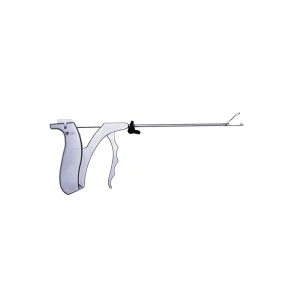
Wholesale sports medicine manufacturer SuperFix Suture Passer Factories, Product
Explore Specifications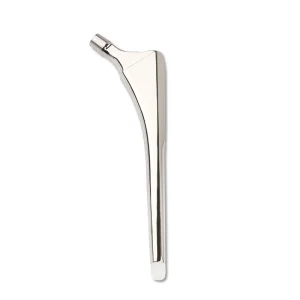
Cheap TDS Cemented Stem Orthopedic Implants Companies, Service
Explore Specifications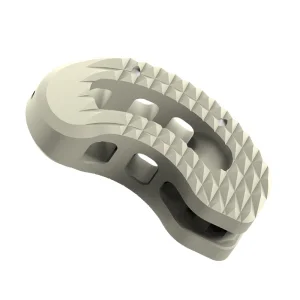
ODM Thoracolumbar Interbody Cage (Angled) Exporter, Company
Explore Specifications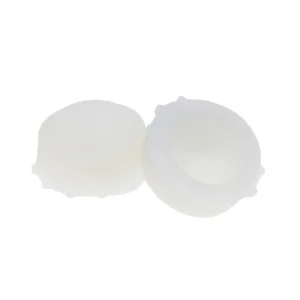
High-Quality Hip Joint ADC Acetabular Liner Manufacturer, Supplier
Explore Specifications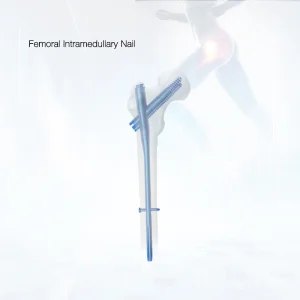
OEM Surgical Hospital Use InterZan Titanium Interlocking Nail for Femur Supplier, Factories
Explore Specifications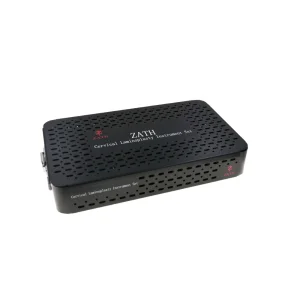
Buy Medical Hospital Use Cervical Laminoplasty Instrument Set Factories, Exporter
Explore Specifications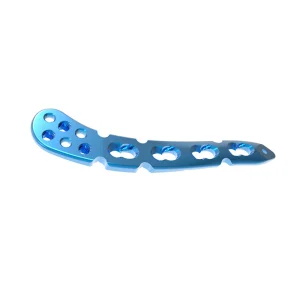
Wholesale Distal Clavicle Locking Compression Plate Manufacturers, Suppliers
Explore Specifications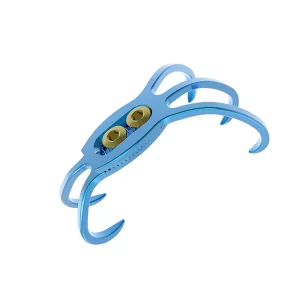
Cheap Patella claw S M L patella bone fracture solutions Supplier, Exporters
Explore SpecificationsGlobal Supply Alliance
Partner Directly with Beijing ZhongAnTaiHua Technology Co., Ltd.
Join our growing global network of orthopedic distributors across over 50 countries. Access direct manufacturer pricing, ISO 13485-certified quality assurance, complete registration documentation, and dependable express dispatch.