
Flagship Clinical Implants & Instrument Assemblies
Engineered to precise micrometric tolerances at our Beijing manufacturing facility. Explore 8 core systems delivering optimal clinical stability, tissue preservation, and seamless operative workflow.
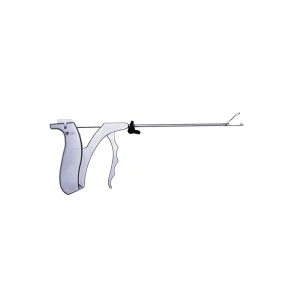
SuperFix Suture Passer Sports Medicine System
Explore Product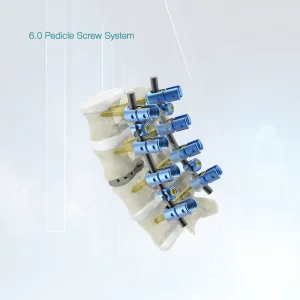
Zipper Polyaxial Pedicle Screws Spinal Fixation
Explore Product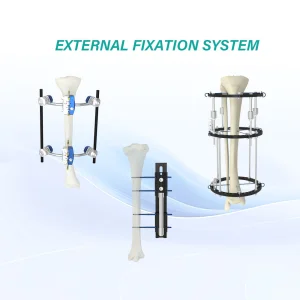
Orthopedic External Fixation Construct Fixator
Explore Product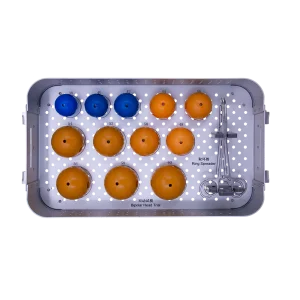
Bipolar Hip Instrument Set Arthroplasty Kit
Explore Product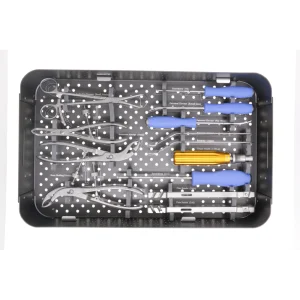
Upper Limb Locking Plate Surgical Instrument Set
Explore Product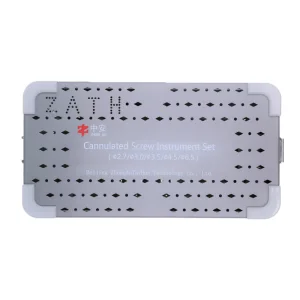
Cannulated Compression Screw Surgical Instrument Set
Explore Product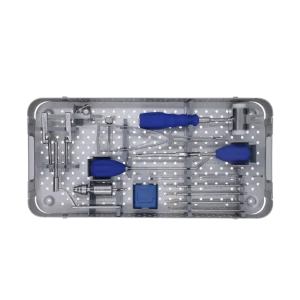
ZP Cervical Interbody Cage System & Instruments
Explore Product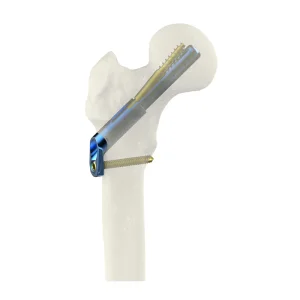
Femoral Neck Antirotation System (FNAS) Implants
Explore ProductBiomechanical Metallurgy of Medical Titanium Screws
Modern internal bone fixation demands precision harmony between modulus of elasticity, torsional shear resistance, and osteointegration kinetics. Here is the metallurgic science behind ZATH’s titanium implants.
Ti-6Al-4V ELI (ASTM F136 / ISO 5832-3)
Unlike commercial pure titanium or standard industrial Grade 5, ZATH exclusively sources certified Extra Low Interstitial (ELI) titanium alloy. Reducing interstitial elements (oxygen, nitrogen, and carbon) delivers superior fatigue life under cyclic physiological gait loads, prevents brittle micro-fissuring, and ensures optimal bioinert stability inside host bone marrow.
Differential Flute Geometry & Thread Kinematics
Pullout resistance is governed by thread depth, pitch progression, and core taper. ZATH screws employ reverse buttress dual-lead threads that double axial insertion speed without stripping cancellous micro-trabeculae. Precision self-tapping cutting flutes generate clean pilot pathways, evacuating micro-bone chips into designated clearing grooves to minimize peak insertion torque.
Electrochemical Type II Anodization
Untreated titanium interfaces risk micro-fretting corrosion when mated under heavy tension against locking plates. Our advanced Type II anodization dense-oxide layer hardens surface micro-structures to over 400 HV, drastically curtailing metal ion leaching, lowering coefficient of friction, and eliminating cold-welding galling between screw heads and plate locking eyelets.
Biomechanical Benchmark: Titanium Grade 23 (ELI) vs. Conventional Materials
| Implant Material Specification | Elastic Modulus (GPa) | Yield Strength (MPa) | MRI Compatibility | Biocompatibility & Bone Adhesion | OR Removal Risk (Galling) |
|---|---|---|---|---|---|
| Ti-6Al-4V ELI (ZATH Spec) | 110 GPa (Closest to Cortical Bone) | ≥ 860 MPa | Zero Ferromagnetic Artifact | Superior (Direct Hydroxyapatite integration) | Near Zero (Type II Anodized surface) |
| Standard Ti-6Al-4V (Grade 5) | 114 GPa | ≥ 825 MPa | High Artifact Resistance | High (Contains micro interstitial impurities) | Moderate without specialized anodization |
| 316L Stainless Steel (Orthopedic) | 205 GPa (High Stress Shielding Risk) | ≥ 690 MPa | Moderate Magnetic Scattering | Moderate (Sensitization & Nickel Leaching Risk) | High (Severe risk of galling & cold-weld) |
Why Global Tier-1 Brands Choose ZATH China
Situated within Beijing’s Zhongguancun Science Park (Pinggu), ZATH combines world-class 5-axis Swiss CNC precision with integrated domestic raw-material supply chains, driving unmatched economies of scale and QA reliability.
Integrated Supply Cluster
China produces over 60% of global surgical sponge titanium. ZATH procures aerospace-certified Ti bar stock under direct mill oversight, insulating partners from volatile Western raw material shortages.
Citizen Swiss 7-Axis Turning
Our workshop houses high-speed sliding-head turning centers machining cannulated screws, drive recesses (Star/Torx and Hex), and threads in one clamping setup with repeatable ±0.005mm accuracy.
ISO 13485 Controlled QMS
All production steps adhere to medical device cleanroom protocols. Batch traceability numbers are laser-etched onto implant collars, matched to full metallurgical spectroscopy certificates.
Cleanroom Sterile Packaging
Equipped with Class 100,000 cleanrooms and validated double Tyvek-blister packaging. Implants are delivered Gamma or Ethylene Oxide (EO) pre-sterilized, ready for direct hospital OR opening.
Years of Precision Orthopedic Device Manufacturing Since 2009
Specialized Engineers, Metallurgists, and Production Personnel
Critical Dimensional Micro-Tolerance on Swiss CNC Line
Lot-Traceable Raw Material Heat Verification & QC Archival
Localized Anatomic Application Scenarios
ZATH manufactures specialized orthopedic titanium screws matched to specific structural demands across spinal realignment, long-bone comminuted fractures, and soft-tissue joint preservation.
Polyaxial pedicle screws and MIS percutaneous screw constructs provide 54 degrees of multi-planar angulation. Designed with friction-fit tulip heads, high-pitch dual cortical-cancellous threads, and buttress locking caps to anchor securely through osteoporotic pedicle corridors without loosening under rotational shear.
Cortical and locking compression screws (Ø3.5mm, Ø4.5mm, Ø5.0mm) integrated with anatomical plates for femur, humerus, and tibia. Featuring Torx star drives that withstand high insertion torque, self-tapping flutes that bypass pre-tapping, and tapered conical thread heads that lock rigidly into the plate for fixed-angle biomechanics.
Engineered for scaphoid fractures, radial head reconstruction, and femoral neck fixation (FNAS). The continuous variable thread pitch generates dynamic inter-fragmentary compression as the screw advances, while the headless profile sits buried below the articular cartilage plane to avoid soft-tissue impingement.
Fully threaded titanium suture anchors, endo-buttons with loops, and interference screws for ACL/PCL ligament reconstruction. Designed with rounded thread crests to prevent graft laceration, accompanied by high-strength UHMWPE suture configurations for permanent soft-tissue-to-bone fixation.
Supply Chain Solutions for Hospital Tenders & OEMs
Navigating national healthcare reimbursement cuts, Volume-Based Procurement (VBP), and strict MDR CE certification requires a manufacturing partner with deep regulatory technical files and rapid delivery agility.
OEM / ODM White-Label Customization
Whether your hospital network requires unique thread pitch variables, localized laser branding, custom anodization coloration for quick diameter identification, or tailor-made sterilization caddies, ZATH’s engineering division delivers rapid turn-around prototypes in under 15 days.
Comprehensive Dossier & Registration
We supply complete technical documentation portfolios including ISO 13485 audits, UDEM certifications, Free Sale Certificates (FSC), biocompatibility dossiers (ISO 10993), and biomechanical fatigue test records (ASTM F543) to expedite your local Ministry of Health registration.
Express Global Logistics & Buffer Stocking
Never risk stockout penalties during nationwide hospital tenders. ZATH coordinates dedicated international express pipelines via DHL, FedEx, TNT, and air-freight logistics hubs, reaching client warehouses in Europe, Southeast Asia, the Middle East, and Latin America within 4 to 6 business days.
Technological Trends in Orthopedic Screw Engineering
The global orthopedic trauma implants sector is undergoing revolutionary material transitions. Discover how ZATH aligns with next-generation clinical demands.
Additive Trabecular Surface Growth
Traditional machined titanium relies on passive bone contact. The next evolution combines Selective Laser Melting (SLM) 3D printing to create microporous trabecular titanium zones on screw shanks, accelerating osteoblast infiltration and biological anchoring in revision arthroplasty and severe osteoporosis.
Bactericidal Ag-TiO2 Nano-Coatings
Implant-associated surgical site infections represent a primary cause of non-union failure. Research into silver-doped titanium dioxide (Ag-TiO2) nano-surfaces offers contact-killing bactericidal efficacy against MRSA and biofilm development without impairing systemic cellular biocompatibility.
Robotic Navigation Integration
Surgeons increasingly employ intraoperative navigation and robotic pedicle trajectory arms. ZATH titanium screws feature ultra-concentric guide wire cannulations and standardized drive heads calibrated for real-time robotic screwdriver torque-feedback tracking.
Advanced Arthroplasty, Plates & Reconstruction Hardware
Complete your clinical system requirements with ZATH’s precision trauma locking compression plates, high-grade ceramic heads, and anatomic extremity devices.
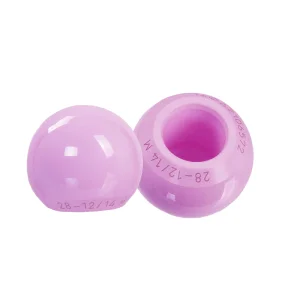
Ceramic CDH Femoral Head Hip Implant
Explore Product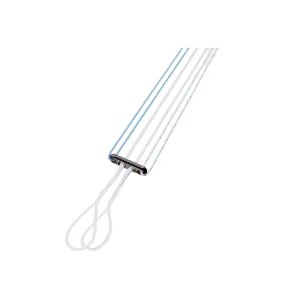
SuperFix Titanium Endo Button with Continuous Loop
Explore Product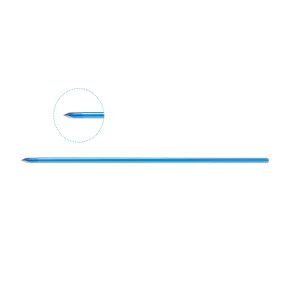
Titanium Alloy Threaded Bone Pins (Ø1.5mm - Ø3.0mm)
Explore Product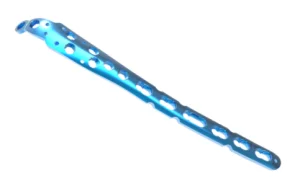
Anatomical Proximal Ulna Locking Compression Plate
Explore Product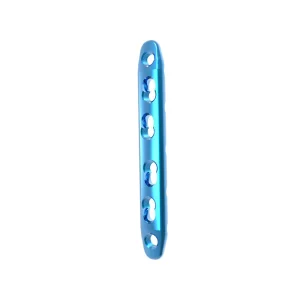
Humerus Limited Contact Locking Compression Plate
Explore Product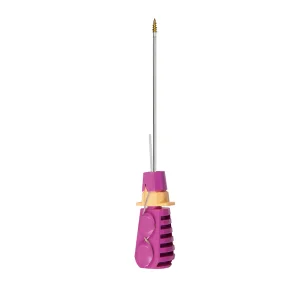
Sports Medicine Titanium Suture Anchor Implant
Explore Product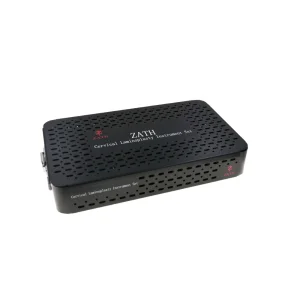
Cervical Laminoplasty Surgical Instrument Set
Explore Product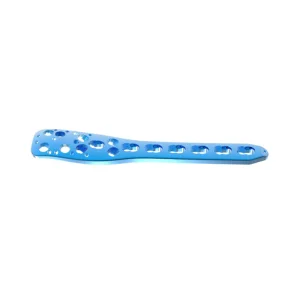
Proximal Humerus Locking Compression Plate III
Explore ProductStrict In-House Inspection Protocols
Zero-defect manufacturing is non-negotiable for implantable orthopedic hardware. Every production lot at ZATH undergoes multi-stage mechanical validation meeting international standards.
ASTM F543 Torsional Yield Testing
Random samples from each CNC shift are tested on calibrated digital torsion testers. We measure torsional yield strength, maximum breaking torque, and breaking angle to confirm screws exceed minimum failure torque thresholds before stripping.
Optical Coordinate & Pitch Profiling
Utilizing automated optical profile projectors and Mitutoyo CMMs, pitch dimensions, thread crest angles, flute cutting geometries, and cannulation concentricity are confirmed against digital CAD blue-prints at 50x magnification.
Axial Pullout Force in Polyurethane Bone
Conducted in cellular rigid polyurethane foam blocks representing normal and osteoporotic cancellous bone models (grades 10 to 40 PCF). Validates that our thread root profile guarantees maximum grip without micro-stripping upon final tightening.
Frequently Asked Questions for Procurement Teams
Direct engineering and business answers to the most frequent queries raised by surgical implant distributors, OEM brand owners, and hospital tender committees.
What specific titanium alloy grade does ZATH utilize for orthopedic screws?
ZATH exclusively utilizes certified medical-grade Ti-6Al-4V ELI (Grade 23) in compliance with ASTM F136 and ISO 5832-3. Every raw material heat is procured with chemical composition and tensile mill test certificates, ensuring minimal interstitial impurities, optimal fatigue life, and superior biocompatibility compared to industrial Grade 5 titanium.
What quality management certifications and registration documents are available?
Our manufacturing facility operates under an accredited ISO 13485 medical device quality management system. Implants carry CE/UDEM certification, Free Sale Certificates (FSC), biocompatibility evaluation reports according to ISO 10993, and mechanical validation test reports (ASTM F543 / ASTM F1717) ready to support regional Ministry of Health distributor dossiers.
Can ZATH provide sterile-packed implants directly to hospitals?
Yes. All ZATH orthopedic screw series and bone plates are available in validated double-sterile blister packaging with medical-grade Tyvek lids, processed through Gamma irradiation or validated Ethylene Oxide (EO) cycles. This dramatically reduces surgical center sterilization overhead, simplifies OR logistics, and ensures immediate, sterile availability.
How does ZATH support custom OEM/ODM development for national tender contracts?
With nearly 100 experienced technicians and multi-axis Swiss CNC machinery, we offer comprehensive OEM/ODM solutions: from thread pitch adjustments and unique star-drive geometries to custom laser marking, localized packaging barcodes (GS1 / UDI), and customized surgical tray configurations tailored to specific tender specifications.
What are the lead times and delivery methods for international distributors?
Standard catalog items are stocked in our temperature-controlled central warehouse in Beijing, enabling shipment within 48 to 72 hours via DHL, FedEx, TNT, or UPS express, with average transit times of 4 to 6 business days. Custom OEM production batches typically require 3 to 4 weeks depending on batch volume and surface anodization specifications.
Are matching surgical instrument sets supplied with the screws?
Yes. Every orthopedic screw platform is paired with complete surgical instrumentation kits made of medical-grade stainless steel (17-4PH / Custom 465) and PPSU/silicone handles. Sets include calibrated torque-limiting screwdrivers, drill bits, countersinks, tap handles, depth gauges, and radiolucent drill guides packaged in autoclave-ready sterilization cases.