
Precision Titanium Fracture Fixation Systems (1-8)
Explore our certified orthopedic implants and matching instrument sets engineered with micro-tolerance medical-grade titanium alloy (Ti-6Al-4V ELI & Pure Ti Grade 4).
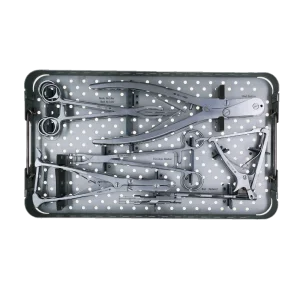
Custom CE approved Orthopedic Ladder OCT Instrument Set for sale Suppliers, Company
View Details & Request Quote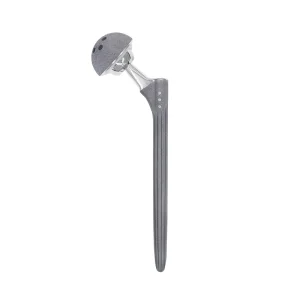
ODM Best Selling DDS Titanium Hip and Joint Implant Prosthesis Suppliers, Factories
View Details & Request Quote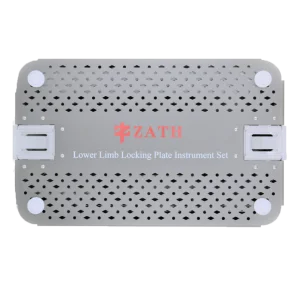
ODM Orthopedic Instrument Lower Limb Locking Plate Instrument Set Manufacturer, Suppliers
View Details & Request Quote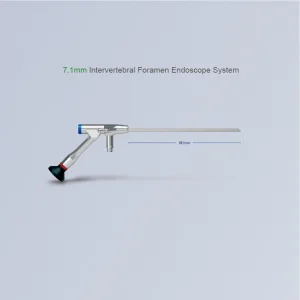
Wholesale 7.1mm Intervertebral Foramen Endoscope System Factory, Factories
View Details & Request Quote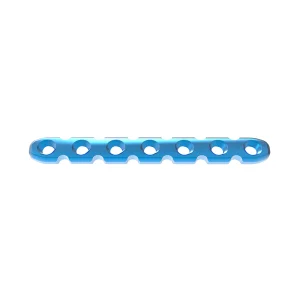
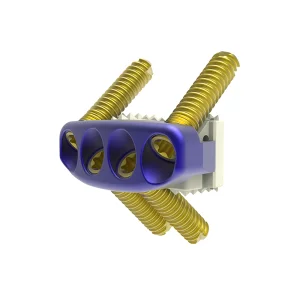
Buy ZP Cervical Cage Manufacturer CE FSC ISO Insured Supplier Exporter, Company
View Details & Request Quote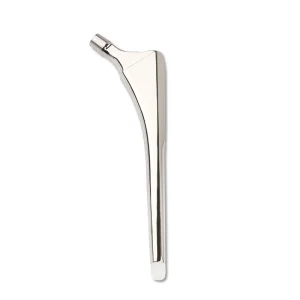
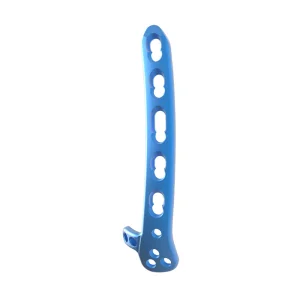
ODM Distal Posterolateral Humerus Locking Compression Plate (with Lateral Support) Product
View Details & Request QuoteBiomechanical Fundamentals of Titanium Fracture Fixation
A technical evaluation of material selection, stress shielding mitigation, and angular stability in modern trauma osteosynthesis.
The Shift from Stainless Steel to Titanium Alloys (Ti-6Al-4V ELI)
In modern orthopedic trauma surgery, internal fixation plates must balance structural rigidity with biological elasticity. Historical reliance on 316L stainless steel often resulted in stress shielding—a phenomenon where an overly rigid implant carries excess mechanical load, causing bone resorption and delayed union.
Titanium material fracture fix orthopedic plates manufactured from Grade 5 Ti-6Al-4V ELI (Extra Low Interstitial) exhibit a Young’s Modulus of Elasticity (~110 GPa) significantly closer to natural human cortical bone (~10–30 GPa) than stainless steel (~200 GPa). This closer biomechanical match stimulates primary callus formation via dynamic micro-motion while maintaining structural integrity under torsional and bending stresses.
CE MDR 2017/745 Compliance Standard
Under European Union Medical Device Regulation (CE MDR 2017/745), titanium fracture plates are classified as Class IIb implantable medical devices. Certification requires rigorous demonstration of:
- Full mechanical fatigue testing (ISO 14801 / ASTM F382)
- Chemical characterization & extractables analysis (ISO 10993-18)
- Cleanroom packaging microbial barrier integrity (ISO 11607)
- Post-Market Clinical Follow-up (PMCF) telemetry data
| Biomechanical Parameter | Ti-6Al-4V ELI (Grade 23) | Commercially Pure Ti (Grade 4) | 316L Stainless Steel |
|---|---|---|---|
| Elastic Modulus (GPa) | 110 GPa (Optimized Bone Match) | 105 GPa (Soft Tissue Compatible) | 200 GPa (High Stress Shielding Risk) |
| Tensile Strength (MPa) | ≥ 860 MPa (High Impact Resistance) | ≥ 550 MPa (Malleable / Reconstructive) | ≥ 620 MPa |
| MRI / CT Artifact Impact | Minimal Artifacts (Clear Post-Op Imaging) | Minimal Artifacts | Severe Distortion Artifacts |
| Corrosion & Galling Resistance | Superior (Type II Anodized Coating) | Excellent Oxide Layer Protection | Susceptible to Crevice Corrosion |
Localized Clinical Application Protocols
How surgical teams utilize specialized titanium locking compression plate (LCP) systems across varying anatomical sites and trauma severities.
1. High-Energy Peri-Articular & Complex Fractures
Complex juxta-articular fractures (such as distal humerus, proximal tibia, and distal femur) require precise anatomical contouring to restore articular congruity. Titanium locking compression plates with comb-locking holes allow surgeons to combine dynamic compression for simple diaphyseal fractures with angular-stable locking screws for osteopenic peri-articular bone fragments.
Clinical Advantage: Anatomical pre-shaping reduces operating room intra-operative bending time by up to 40%, preserving periosteal blood supply.
2. Geriatric Osteoporotic Fracture Fixation
In fragile bone structures where traditional cortical screws risk pull-out failure, titanium polyaxial locking plate systems create a rigid fixed-angle construct. Threaded screw heads lock securely into the plate's internal threads, forming a single mechanical unit that distributes physiological loads over a wider surface area.
Clinical Advantage: Eliminates screw loosening risks in poor bone stock, enabling early patient mobilization and reduced post-operative hospital stay.
3. Minimally Invasive Plate Osteosynthesis (MIPO)
Modern trauma centers heavily prioritize soft-tissue preservation through submuscular plate insertion techniques. Sleek, low-profile titanium plates engineered with tapered, rounded distal tips facilitate smooth insertion through small cutaneous incisions without disrupting muscular attachments.
Clinical Advantage: Dramatically reduces peri-operative blood loss, infection rates, and tissue trauma while promoting rapid indirect bone healing via secondary callus.
4. Maxillofacial & Reconstructive Non-Union Surgery
For craniomaxillofacial or corrective osteotomy procedures where multi-planar flexibility is paramount, Commercially Pure (CP) Titanium Grade 4 reconstruction plates allow custom dynamic hand-contouring while preserving high fatigue resistance against cyclical masticatory or axial forces.
Clinical Advantage: Excellent tissue tolerance prevents soft-tissue irritation, skin necrosis, or secondary implant removal surgeries.
Supply Chain Resilience & Beijing Industrial Excellence
How vertical manufacturing integration, advanced 5-axis CNC machining, and automated quality control establish a superior cost-performance ratio for global hospital procurement.
Full-Chain Vertical Integration
Located within the Zhongguancun Science & Technology Park in Beijing, ZATH operates a fully integrated manufacturing pipeline. From raw certified titanium sponge forged bar-stock inspection to precision wire EDM cutting, multi-axis high-speed milling, and cleanroom double-blister sterile packaging, every step remains controlled under one ISO 13485 quality system.
5-Axis DMG MORI Milling Precision
Precision execution ensures that plate hole threads match locking screw angles with sub-micron tolerance (±0.005mm). Automated CMM coordinate measuring machines continuously audit key dimensions to eliminate batch variance, minimizing intra-operative cold welding or screw jam occurrences.
Agile OEM/ODM Prototyping & Logistics
With an engineering staff of over 100 specialized technicians, custom OEM shape adaptations, tailored instrument tray layouts, and localized branding requests transition from CAD models to physical sterile prototypes within 14 business days, backed by 4–6 day global express door-to-door freight SLAs.
Orthopedic Trauma Fixation Technology Roadmap (2025–2035)
Forecasting the integration of additive manufacturing, surface bio-functionalization, and telemetric strain sensors in next-generation trauma implants.
Implementation of advanced Type III hard anodization combined with hydroxyapatite (HA) nanoparticle plasma spraying on peri-articular contact surfaces. This dual approach increases wear resistance by 300% while accelerating early peri-implant osseointegration in compromised bone tissue.
Transitioning from standardized pre-contoured plates to CT-guided 3D selective laser melting (SLM) titanium implants for severe bone defect reconstructions. Designed with biomimetic trabecular porous structures (65–75% porosity), these constructs facilitate vascular ingrowth and cell migration directly through the implant matrix.
Embedding micro-electromechanical strain gauges (MEMS) into titanium plate shafts. Powered via passive RF telemetry, these smart implants measure micro-strain changes across the fracture gap in real-time, providing orthopedic surgeons with objective digital data regarding bone stiffness and union progress via smartphone platforms.
Global Market Entry & Localization Support
Comprehensive regulatory technical documentation and quality assurance backing to streamline registration for regional distributors.
Technical Documentation File (TDF) Dossiers
We provide full regulatory dossiers organized according to STED (Summary Technical Documentation) guidelines, including comprehensive raw material certs, ISO 10993 biocompatibility testing, shelf-life validation reports, and risk management files compliant with ISO 14971.
UDI & EUDAMED Traceability Integration
Every single titanium locking plate and screw carries laser-etched Unique Device Identification (UDI) barcoding (GS1 format), ensuring 100% lot traceability from factory raw stock to operating table deployment, fully compatible with European EUDAMED and US FDA GUDID databases.
Spine, Joint & Specialized Trauma Systems (9-16)
Complete surgical matching sets, spinal fixation platforms, and arthroplasty components engineered under ISO 13485 quality control.
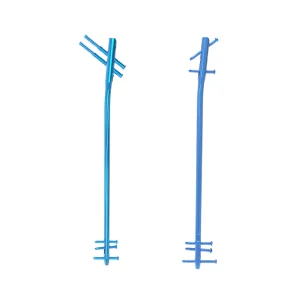
China MASFIN Femur Intramedullary Nail Implant Manufacturer, Manufacturers
View Details & Request Quote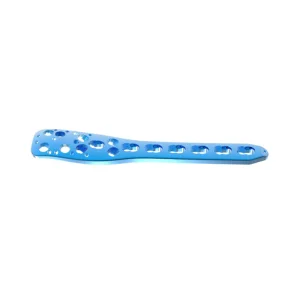
Famous Proximal Humerus Locking Compression Plate III Exporters, Product
View Details & Request Quote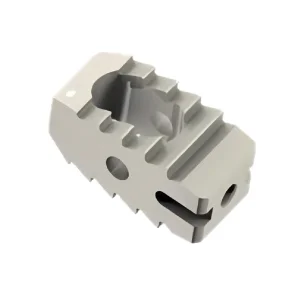
Famous Thoracolumbar Interbody Cage (Straight) Manufacturers, Factories
View Details & Request Quote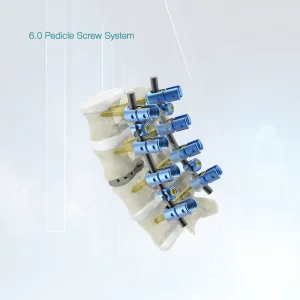
OEM CE approved Zipper Polyaxial Pedicle Screws Spine System Manufacturer, Product
View Details & Request Quote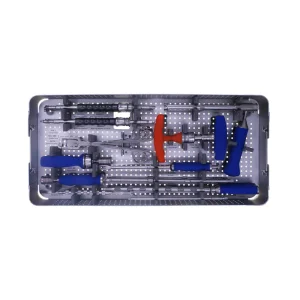
CE Certification Zipper 6.0 System Spinal Internal Fixation System Instrument Exclusive Set
View Details & Request Quote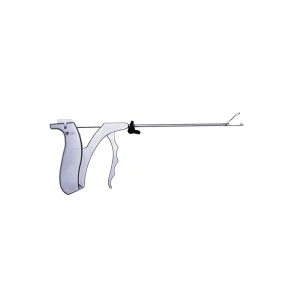
Wholesale sports medicine manufacturer SuperFix Suture Passer Factories, Product
View Details & Request Quote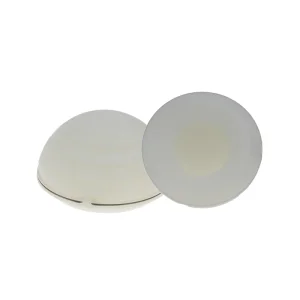
High-Quality TDC Cemented Acetabular Cup Artificial hip Joint Prosthesis Supplier, Suppliers
View Details & Request QuoteFrequently Asked Questions for Surgical & Procurement Directors
In-depth responses regarding manufacturing compliance, titanium metallurgy, sterilization protocols, and global distribution terms.