Buy ZP Cervical Cage Manufacturer CE FSC ISO Insured Supplier Exporter, Company
Product Description
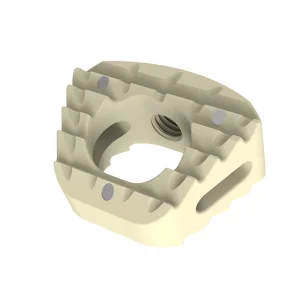
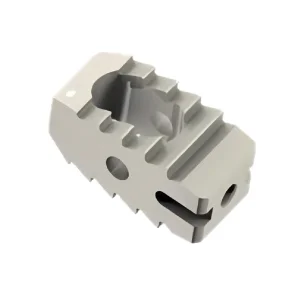
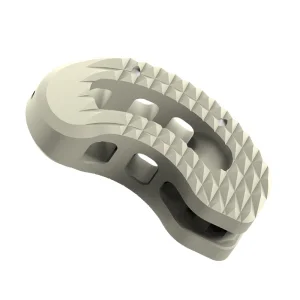
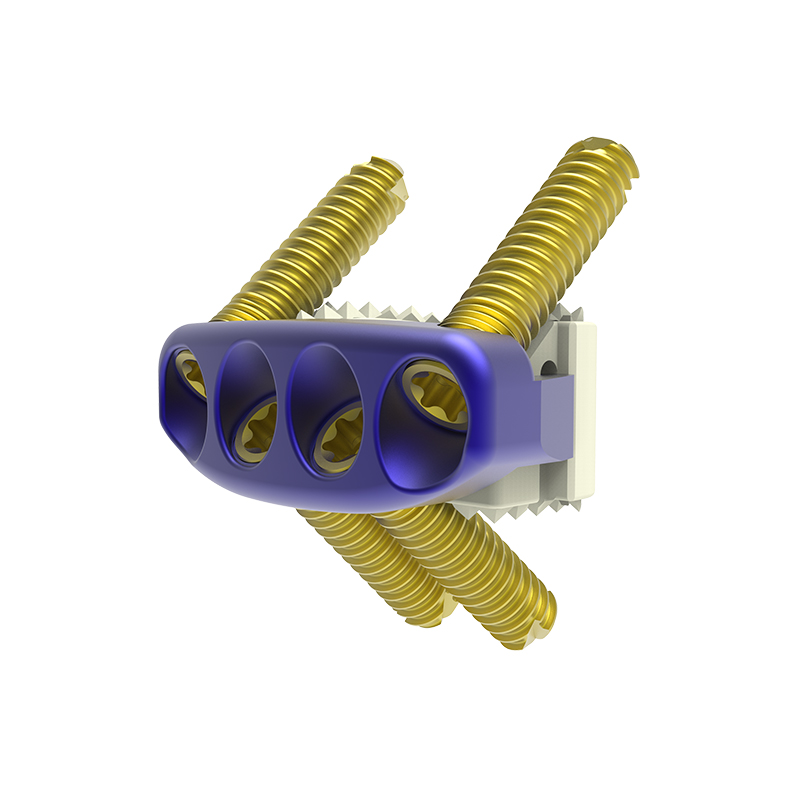
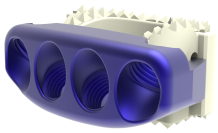
ZP Cervical Cage
|
5 mm Height |
| 6 mm Height | |
| 7 mm Height | |
| 8 mm Height | |
| 9 mm Height | |
| 10 mm Height | |
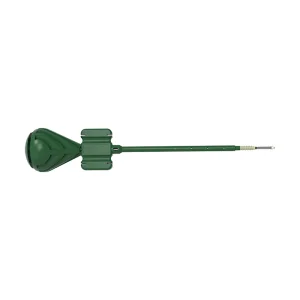
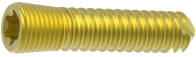
ZP Locking Screw
|
Φ3.0 x 12 mm |
| Φ3.0 x 14 mm | |
| Φ3.0 x 16 mm | |
| Φ3.0 x 18 mm | |
| Material | Titanium Alloy |
| Surface Treatment | Micro-arc Oxidation |
| Qualification | CE / ISO13485 / NMPA |
| Package | Sterile Packaging 1pcs/package |
| MOQ | 1 Pcs |
| Supply Ability | 1000+ Pieces per Month |
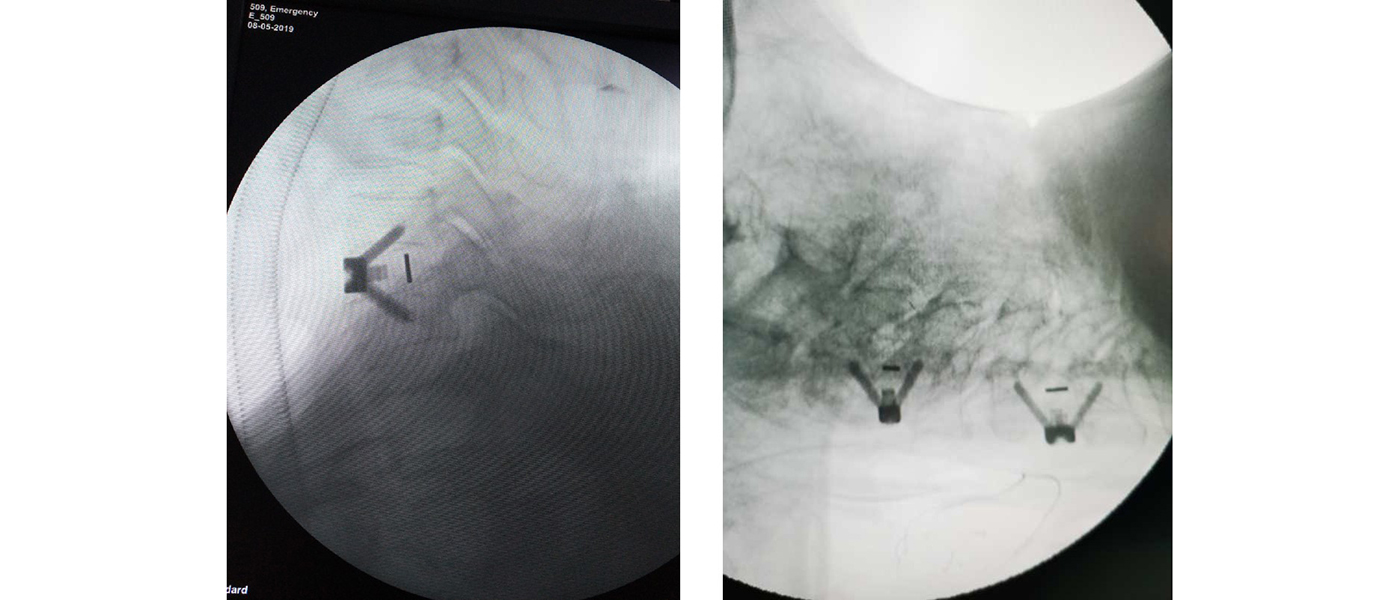
Indications are lumbar and lubosacral pathologies in which segmental spondylodesis is indicated, for example:
- Degenerative disc diseases and spinal instabilities
- Revision procedures for post-discectomy syndrome
- Pseudarthrosis or failed spondylodesis
- Degenerative spondylolisthesis
- Isthmic spondylolisthesis
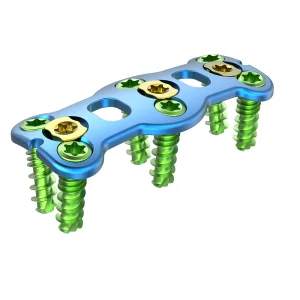
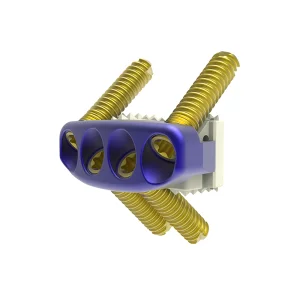
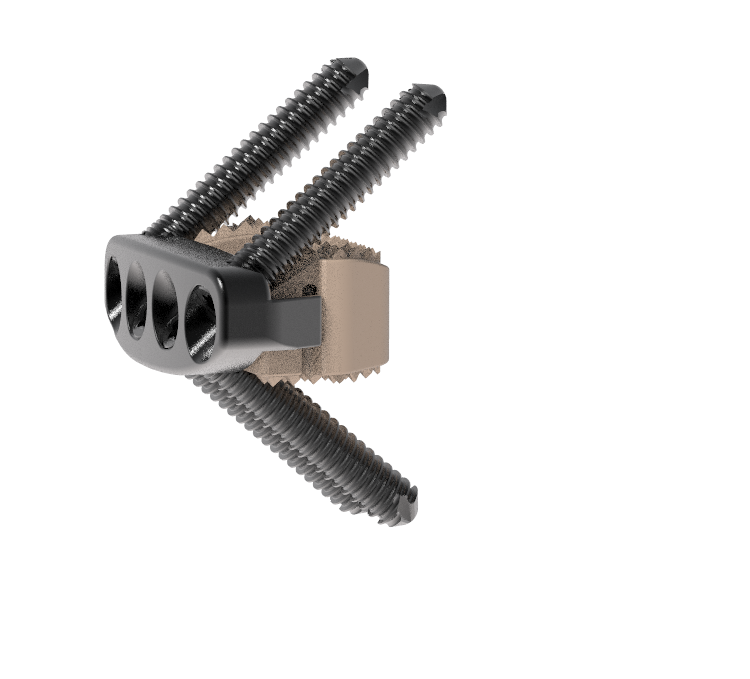
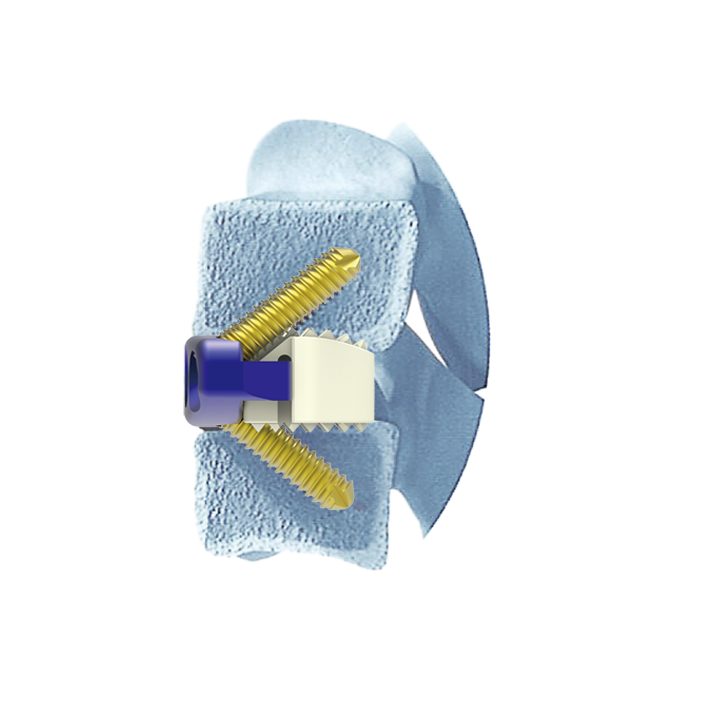
Because plate and spacer are preassembled, the plate is automatically aligned upon implant insertion. This avoids the process of aligning and realigning an anterior cervical plate.
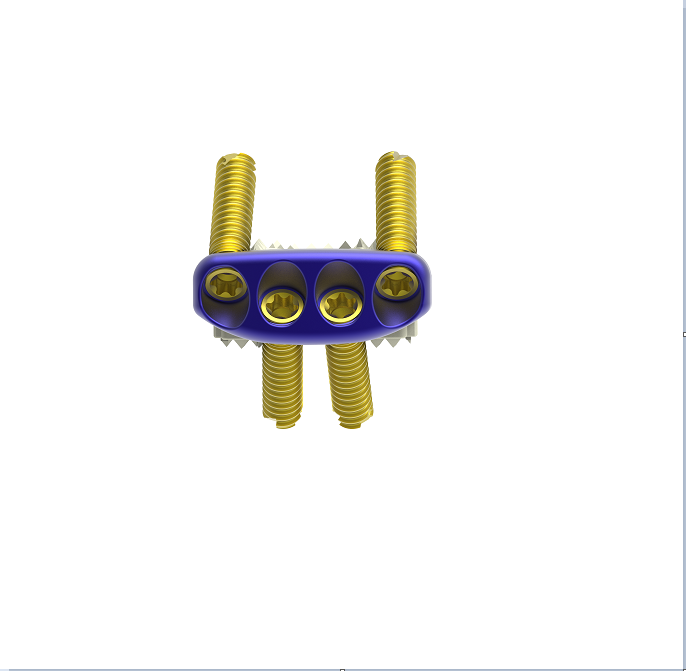
The ZP screws have a one-step locking conical head which locks the screw to the plate by simply inserting and tightening the screw.
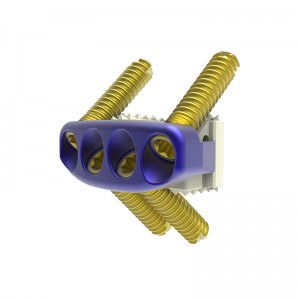
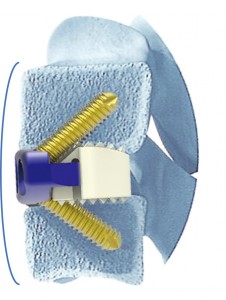
ZP Cage is contained within the excised disc space and does not protrude past the anterior wall of the vertebral body as do anterior cervical plates. This zero anterior profile may be beneficial in reducing the occurrence and severity of postoperative dysphagia. In addition, preparation of the anterior surface of the vertebral body is minimized because the implant does not lie against this surface.
It has been shown that cervical plates placed near adjacent level discs can contribute to bone formation near or around the adjacent level which may lead to future complications. ZP Cage minimizes this risk, as it remains as far as possible from the adjacent level disc spaces.
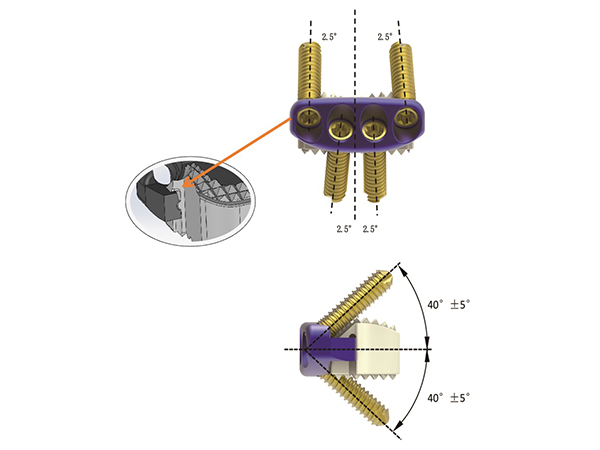
- Provides a secure, rigid screw locking interface
- Stresses in plate are decoupled from spacer through an innovative interface
- Radiopaque marker for posterior visualization during imaging
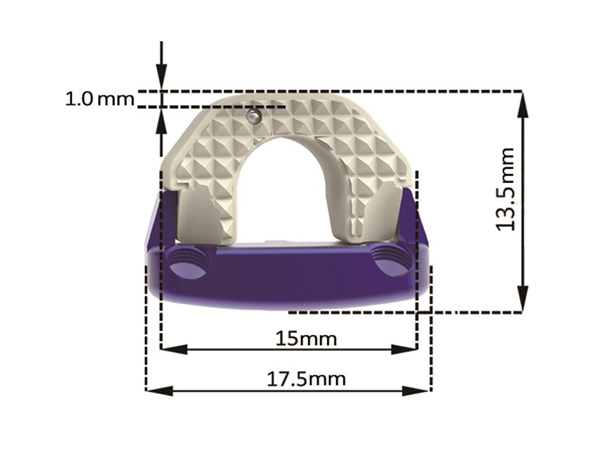
- Tantalum marker is 1.0mm away from the edge, provides intra- and post- operative positional information
- Spacer component is made of pure medical grade PEEK (Polyetheretherketone)
- PEEK material does not contain carbon fibers reducing the risk of systematic uptake and local connective tissue formation
- Teeth on the implant surface provide initial stability
- Spinal fracture
- Spinal tumor
- Severe osteoporosis
- Spinal infection
- Screws form a bone wedge with a 40º± 5º cranial/caudal angle and 2.5º medial/lateral angle to enhance pull-out resistance
- One-step locking screws
- Self-tapping screws improve thread purchase
- Trilobular thread cutting flutes are self-centering
The ZP cage is indicated for use following anterior cervical discectomy for reduction and stabilization of the cervical spine (C2–C7).
Indications:
- Degenerative disc disease (DDD, defined as neck pain of discogenic origin with degeneration of the disc confirmed by history and radiographic studies)
- Spinal stenosis
- Failed previous fusions
- Pseudoarthrosis