
Trauma / Cable
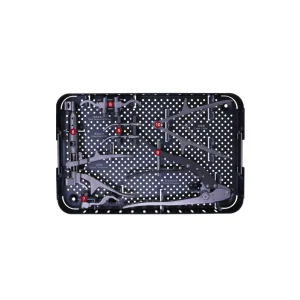
Explore initial clinical hardware configurations across trauma locking compression plates, joint reconstruction, and surgical intervention sets manufactured under verified cleanroom controls.
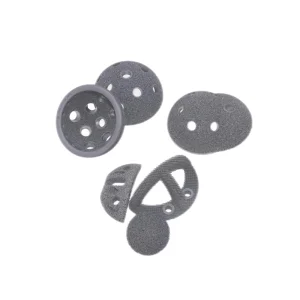
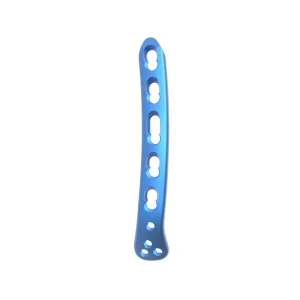
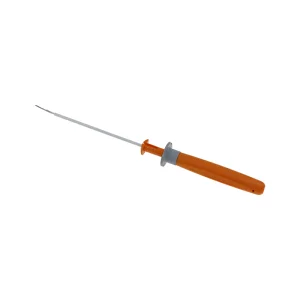
A rigorous examination of biological osteosynthesis, the shift from dynamic compression to angular stability, and the macroeconomic positioning of Chinese precision medical device manufacturing.
Internal fracture fixation has transitioned through three definitive biomechanical epochs: rigid dynamic compression plates (DCP) aimed at primary bone healing via absolute stability; limited-contact dynamic compression plates (LC-DCP) designed to mitigate periosteal devascularization; and the modern paradigm of Locking Compression Plates (LCP). By functioning mechanically as an internal-external fixator, the LCP construct relies not on plate-to-bone friction, but on threaded screw heads locked rigidly into corresponding female threads machined into the plate's combi-holes. This fundamental mechanical departure shields the periosteal microcirculation, preserves osteogenic cellular viability, and drastically reduces the incidence of secondary fracture collapse, avascular necrosis, and hardware loosening in compromised bone stock.
On a macro-industrial scale, international orthopedic device sourcing is experiencing structural realignments. In North America and Europe, escalating healthcare expenditures combined with European Union Medical Device Regulation (EU MDR 2017/745) burdens have elevated production costs for legacy multinational brands. Consequently, healthcare ministries, group purchasing organizations (GPOs), and hospital chains across Latin America, the Middle East, Southeast Asia, and Eastern Europe increasingly seek direct supply partnerships with Tier-1 Chinese manufacturers possessing end-to-end processing, accredited ISO 13485 cleanroom infrastructure, and complete Design History Files (DHF).
Founded in 2009 in the Xinggu Area of Pinggu Park, Zhongguancun Science and Technology Park, Beijing, Beijing ZhongAnTaiHua Technology Co., Ltd. (ZATH) has emerged as a cornerstone of high-precision trauma, spine, joint arthroplasty, and sports medicine implant production. By coupling aerospace-grade titanium alloy bar stock (ASTM F136 Ti-6Al-4V ELI) with multi-axis Japanese and Swiss CNC machining centers, ZATH provides international distributors with a compliant, high-reliability alternative that meets strict European and FDA-aligned mechanical specifications without the premium overheads of conglomerate branding.
By suspending the plate 1–2 mm above the periosteum, LCP constructs prevent the crushing of Haversian vessels, accelerating secondary callus formation through micromotion control.
Engineered dual-geometry apertures integrate both a threaded locking socket and a DC dynamic compression unit in one continuous hole, giving surgeons intraoperative versatility.
In low bone mineral density (BMD) geriatric patients, cortical thread purchase is severely compromised. Fixed-angle constructs prevent toggling, screw pullout, and reduction loss.
Pre-contoured anatomical plates eliminate extensive intraoperative bending, maintain natural biomechanical axes, and mitigate implant fatigue failure across high-stress skeletal zones.
| Anatomical Sub-System | Predominant AO/OTA Classification | Biomechanical Objective | Plate Geometry & Thread Profile | Recommended ZATH Platform Solution |
|---|---|---|---|---|
| Distal Posterolateral Humerus | 13-A, 13-B, 13-C (Intra-articular) | Restoration of column stability; low-profile condyle contouring to avoid soft tissue impingement. | Pre-shaped 2.7mm / 3.5mm combi-holes, low profile, recessed screw pockets. | Distal Posterolateral Humerus LCP System |
| Curved Clavicular Shaft | 15-B1, 15-B2, 15-B3 (Midshaft comminuted) | Neutralization of rotational forces, dynamic compression of axial fragments, clavicle length preservation. | S-shaped 3D helical contour, 3.5mm locking & cortex holes, tapered ends. | S-Shape Clavicle Locking Compression Plate |
| Pelvic & Acetabular Ring | 61-A/B/C, 62-A/B/C (Column & wall ruptures) | Malleable tri-dimensional adaptation to the iliopectineal and ilioischial lines; high tensile endurance. | Deep notch reconstruction design, multi-directional bendable ribs, 3.5mm/4.5mm. | Curved Reconstruction Locking Plate / Acetabular Sets |
| Thoracic Rib Wall Trauma | Flail chest, serial rib fractures | Restoration of chest wall respiratory mechanics, minimization of intercostal neurovascular bundle trauma. | Ultra-thin low profile titanium alloy, 2.4mm/2.7mm monocortical self-tapping locking screws. | CE Approved Trauma Rib Locking Plate System |
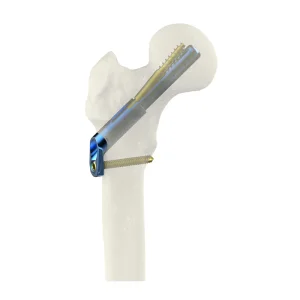
| Femoral Neck & Subtrochanteric | 31-B, 31-A1/A2 (Intracapsular / Extracapsular) | Rotational stability against muscular pull, sustained sliding compression, collapse prevention. | Dynamic antirotation helical barrel construct or proximal femoral anatomically curved LCP. | Custom Femoral Neck Antirotation System (FNAS) |
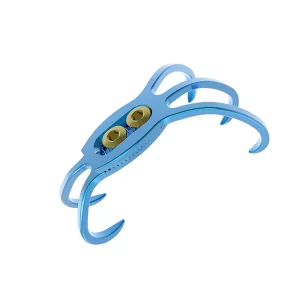
| Patella Comminution | 34-A, 34-B, 34-C (Displaced tension injuries) | Tension band conversion, compression across articular fragments without bulky wire irritation. | Multi-arm claw configuration or low-profile mesh locking patella plate. | Patella Claw S/M/L & Titanium Patella Pin System |
Modern trauma surgeries increasingly avoid extensile open reductions. ZATH LCP plates are tapered at the distal and proximal tips, allowing submuscular tunneling via small percutaneous incisions under fluoroscopic guidance.
Fractures adjacent to total hip or knee stems represent significant surgical challenges due to intramedullary space occupancy. ZATH combi-hole systems allow hybrid bicortical locking around the prosthesis and cerclage cable integration.
From aerospace-certified raw billets to Class 100,000 cleanroom sterilization, explore how ZATH enforces micro-tolerance fidelity and pioneers next-generation orthopedic technologies.
The manufacturing integrity of a locking plate hinges on precise thread execution within both the plate hole and the screw head. Discrepancies as minimal as 12 microns can lead to thread cross-galling, premature cold-welding, or catastrophic intraoperative jamming. At ZATH’s Beijing facility, production adheres to six rigidly verified stages:
1. Certified Raw Material Management: Only biocompatible Grade 5 Titanium alloy (Ti-6Al-4V ELI conforming to ASTM F136 / ISO 5832-3) and medical-grade 316L stainless steel (ASTM F138 / ISO 5832-1) are admitted. Every shipment undergoes spectrographic metallurgical verification, ultrasonic crack flaw detection, and tensile grain size analysis.
2. Precision Wire Cutting (EDM): Slow-speed wire electric discharge machining cuts external contour blanks, minimizing residual thermal and microstructural stress along the plate perimeter.
3. Multi-Axis CNC Milling: High-speed 5-axis simultaneous machining centers mill complicated 3D anatomical curvatures, threaded locking female holes, and dynamic compression ramp angles under constant synthetic coolant flood.
4. Electrochemical Surface Modification (Type II Anodization): Plates and screws undergo controlled electrochemical anodization. This creates an anti-galling titanium oxide layer that substantially lowers friction during screw seating, minimizes bacterial adhesion, and improves biocompatibility while eliminating metallic ion release.
5. Comprehensive Product Testing & Metrology: Laser coordinate measuring machines (CMM) and optical profile projectors verify thread pitch, angular offsets, and structural tolerances against master engineering blueprints. Fatigue endurance testing is executed under cyclic four-point bending according to ASTM F382 and ISO 9585 standards.
6. Validated Cleanroom Sterilization & Packaging: Ultrasonic multistage cleaning removes microscopic cutting residues before products enter Class 100,000 / ISO Class 7 cleanrooms for double-blister sterile packaging, labeled with GS1 compliant 2D DataMatrix barcodes for global UDI traceability.
The next decade of osteosynthesis will transcend static metal fixation. ZATH's dedicated engineering R&D center is currently executing clinical translational trials across four frontier domains:
Developing 15° multi-directional cone angles within the combi-hole, allowing surgeons to target intra-articular fragments or circumvent preexisting internal prostheses without compromising thread purchase or load capacity.
Radiolucent CFR-PEEK locking plates provide artifact-free CT/MRI postoperative imaging and an elastic modulus closely mirroring human cortical bone (15–20 GPa), completely eliminating stress-shielding bone resorption.
Moving from subtractive CNC milling to additive manufacturing for patient-matched pelvic, acetabular, and complex oncology reconstruction cages with integrated diamond-lattice trabecular porosity.
Micro-piezoelectric sensors integrated into the central plate bridge to broadcast real-time fracture micro-strain and healing progression wirelessly to clinical smartphones via BLE protocols.
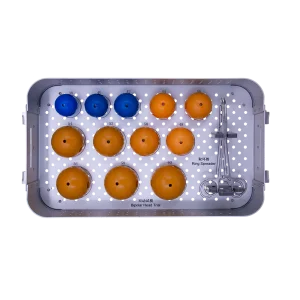
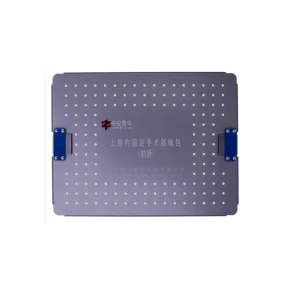
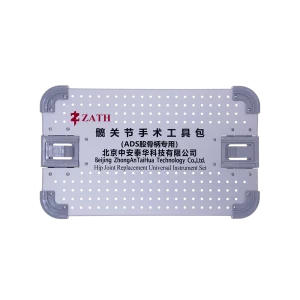
Comprehensive regulatory documentation, sterile packaging programs, and complete matching surgical instrument cases tailored to national health tenders and regional distributors.
Full design customization spanning laser marking, screw hole configurations, plate anodizing coloration (Gold, Blue, Magenta), and sterile blister packaging printed with your registered corporate identity.
Navigating global medical device regulations requires rigorous paperwork. ZATH furnishes accredited ISO 13485:2016 audit reports, UDEM declarations, Free Sale Certificates (FSC), biocompatibility ISO 10993 test records, and ASTM F382 mechanical fatigue test dossiers.
To support hospital emergency departments, ZATH maintains extensive inventory of standard small-fragment, large-fragment, and reconstruction LCP sets. International air-express courier shipping via DHL, FedEx, UPS, and TNT ensures arrival in 4 to 6 business days.
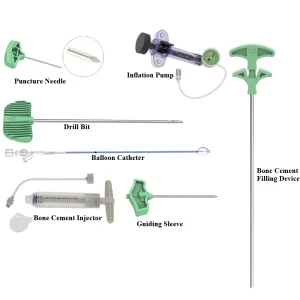
Explore matching instrument sets, patented antirotation systems, rib plates, and suture anchors engineered to complete surgical armamentariums.
In-depth responses to critical biomechanical, regulatory, and production queries from orthopedic surgeons, hospital buyers, and global distributors.
A traditional DCP relies strictly on dynamic compression and friction generated by pressing the plate tightly against the periosteal cortex via standard cortex screws. This compressive force can disrupt periosteal blood supply, leading to bone necrosis under the plate. In contrast, an LCP features combi-holes with internal threading that mates with threaded screw heads. This creates a fixed-angle beam construct (internal fixator). The plate does not need to compress the bone surface to achieve stability, preserving cortical vascularity, resisting shear toggling, and dramatically decreasing hardware loosening in comminuted or osteoporotic fractures.
Titanium alloys (Ti-6Al-4V ELI) are inherently prone to adhesive wear (galling) under high contact pressures. ZATH mitigates this through three controlled measures: First, high-precision 5-axis CNC thread milling maintains thread clearance tolerances within ±0.012 mm. Second, proprietary Type II electrochemical anodization creates a hard, dense titanium oxide layer on the plate and screw surfaces, significantly reducing friction coefficients. Third, matching surgical instrument sets include calibrated torque-limiting screwdrivers (e.g., 1.5 Nm for 3.5mm screws, 4.0 Nm for 5.0mm screws) that prevent overtightening and cross-threading.
ZATH operates under a comprehensively audited ISO 13485:2016 Medical Devices Quality Management System. We furnish full documentation packages including UDEM conformity assessments, official Free Sale Certificates (FSC) issued by government authorities, mill test certificates for ASTM F136 titanium and ASTM F138 stainless steel, ISO 10993 cytotoxicity and biocompatibility reports, cleanroom sterilization validation records (ISO 11137 / ISO 11607), and ASTM F382 4-point dynamic bending fatigue reports to expedite local ministry of health registrations.
Yes. The proprietary combi-hole design features two distinct halves in a single aperture: one unthreaded dynamic compression unit (DCU) and one threaded conical locking unit. If interfragmentary compression is needed, a standard cortex screw is inserted and tightened first in the dynamic compression side to draw the bone fragment toward the plate. Subsequently, locking screws are placed in the threaded side of adjacent holes to establish angular stability. Inserting a locking screw first will prevent subsequent dynamic compression.
With over 15 years of orthopedic engineering experience and nearly 100 technicians, ZATH provides complete OEM and ODM services. We customize plate lengths, curvature profiles, combi-hole layouts, and surface coloration (anodized finishes). We also provide precision laser marking for corporate logos, lot tracking numbers, and custom graphic tray layouts for sterilization boxes. Custom tooling and prototype validation samples can typically be fabricated and mechanically evaluated within 3 to 4 weeks.
All ZATH sterile implant lines are packed within ISO Class 7 cleanrooms inside medical-grade double blister trays heat-sealed with breathable DuPont™ Tyvek® lids conforming to ISO 11607 standards. This packaging provides an impermeable microbial barrier with a validated 5-year shelf life. Each package includes external chemical sterilization indicators and GS1 UDI barcodes. Express global logistics partners (DHL, FedEx, UPS) deliver shipments within 4 to 6 business days, packed in impact-resistant outer shipping containers.