
Certified Implant Platforms & Instrument Systems
From specialized thoracic osteosynthesis implants to high-grade cervical plates, endoscopes, and arthroplasty prostheses, all devices are manufactured under strict ISO 13485 protocols with 100% material lot traceability.
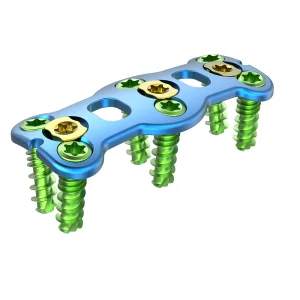
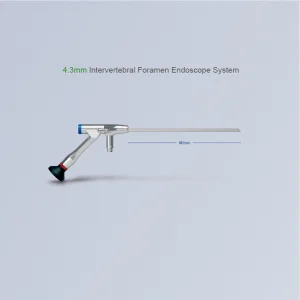
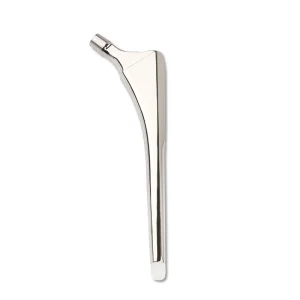
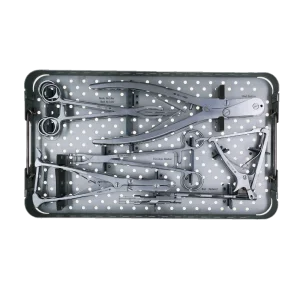
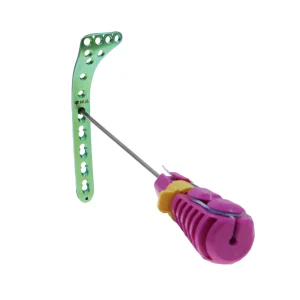
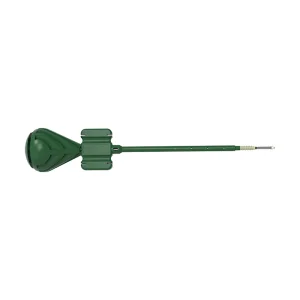
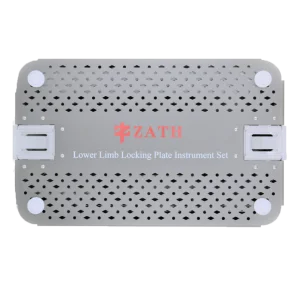
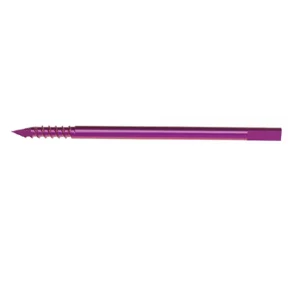
The Clinical Evolution of Surgical Stabilization of Rib Fractures (SSRF)
Traumatic rib fractures represent more than 10% of all blunt trauma admissions worldwide. As clinical evidence demonstrates the clear superiority of internal fixation over conservative mechanical ventilation, global demand for low-profile, anatomical rib plating systems is surging.
Historically, severe blunt thoracic trauma with multiple displaced fractures or flail chest was managed almost exclusively via prolonged positive-pressure mechanical ventilation, deep sedation, and pain management regimens. While this conservative approach supported gas exchange, it frequently resulted in protracted Intensive Care Unit (ICU) stays, ventilator-associated pneumonia (VAP), chronic chest wall deformity, refractory intercostal neuralgia, and permanent loss of vital capacity. Over the past decade, a fundamental paradigm shift toward Surgical Stabilization of Rib Fractures (SSRF) has been embraced by international trauma societies (including the Chest Wall Injury Society, EAST, and AO Trauma).
Clinical registries and prospective multicenter randomized controlled trials (RCTs) confirm that anatomical fixation utilizing low-profile titanium rib plates significantly reduces mechanical ventilation duration by an average of 4.5 days, lowers ICU stay by over 40%, decreases tracheostomy rates, and substantially improves long-term thoracic quality-of-life indices. Today, the global commercial market for thoracic osteosynthesis devices is expanding at a Compound Annual Growth Rate (CAGR) exceeding 7.8%, driven by aging demographics with osteoporotic chest injuries, rising automotive accident survivals, and standardized clinical guidelines recommending intervention within 48 to 72 hours of injury.
Biomechanics: Anatomical Contouring, Pullout Resistance & Dynamic Compliance
The human rib cage undergoes over 20,000 respiratory cycles daily. Thoracic plates must provide rigid fracture neutralization while maintaining physiological elasticity to prevent bone resorption or fatigue failure.
Low-Profile Ergonomics
Engineered with a thickness between 1.5mm to 2.2mm, our titanium plates minimize soft-tissue palpability, eliminate pectoral muscle impingement, and protect the subcostal neurovascular bundle running along the inferior costal groove.
Unicortical vs. Bicortical Fixation
Our variable-angle locking screws feature blunt self-tapping tips. Precision depth calipers and drill-stops ensure secure unicortical locking that achieves >350N pullout resistance while eradicating iatrogenic pleural puncture or parenchymal lung laceration.
Anatomical Pre-Contouring
Constructed utilizing 3D computed tomography (CT) rib morphological datasets, plates feature differential curvatures for anterior, lateral, and posterior costal segments, eliminating operating-room bending stress and metal notch-induced fatigue microfractures.
| Fixation Parameter | ZATH Advanced Titanium Rib System | Conventional Reconstruction Plates | Absorbable / Polymer Systems |
|---|---|---|---|
| Raw Material Specification | ✓ Ti-6Al-4V ELI (ASTM F136) / Pure Ti Gr 3 | Commercial Grade Stainless Steel 316LVM | PLLA / PDLLA Polylactic Acid Copolymers |
| Plate Profile Thickness | 1.6 mm Ultra-low profile with radiused margins | 2.4 mm – 3.2 mm (Noticeable palpability) | 2.8 mm – 3.5 mm (Bulky construct) |
| Screw Locking Mechanism | Conical multi-directional locking, 2.7mm/3.2mm | Standard non-locking cortical screws | Tack/Pin friction press-fit without threading |
| Elastic Modulus Match | 105–110 GPa (Optimized to human cortical bone) | 210 GPa (Excessive stiffness, stress-shielding) | 3–6 GPa (Insufficient initial stiffness) |
| Pleural Safety Guard | Calibrated drill stops + blunt screw tip guides | Standard manual drill bit freehand gauging | Requires deep bone canal preparation |
China Manufacturing Efficiency: Precision, Scalability & Traceability
Operating from the Zhongguancun Science and Technology Park in Pinggu, Beijing, Beijing ZhongAnTaiHua Technology Co., Ltd. (ZATH) brings over 15 years of orthopedic implant engineering expertise, operating a vertically integrated manufacturing ecosystem.
Multi-Axis Swiss CNC Centers
Our workshop houses high-precision imported multi-axis Swiss longitudinal turning and 5-axis milling centers, executing complex locking thread geometry and contoured plate beveling with tolerances under ±0.005mm.
Supply Chain Cost Mastery
By coupling localized titanium smelting partnerships with automated production lines, we provide Western-tier implant performance at a 35% to 50% cost advantage, unlocking immense competitive margins for overseas distributors.
Class 100,000 Cleanroom
Sterile-barrier double-blister packaging complies with ISO 11607. Implants undergo rigorous validated ultrasonic cleaning, electro-polishing, and Type II anodization for superior osseointegration and fatigue strength.
Rapid Delivery & Turnaround
With an active inventory of standard plate configurations and direct courier agreements (DHL, FedEx, UPS, TNT), urgent hospital replenishment and custom OEM pilot batches are dispatched internationally within 4 to 6 business days.
Clinical Application Scenarios & Surgical Protocols
From emergency trauma resuscitation in Level 1 trauma centers to elective reconstruction of non-union chest deformities, the ZATH rib system provides versatile clinical answers.
Severe Flail Chest & Paradoxical Breathing
Applied when at least three consecutive ribs are fractured in two or more places, eliminating paradoxical chest movement, stabilizing the thoracic cavity, and immediately restoring physiological negative intrapleural pressures.
Minimally Invasive Thoracoscopic (VATS) Fixation
Engineered for small-incision muscle-sparing approaches. Our flexible plate holding forceps and 90-degree screwdriver handpieces enable sub-scapular and sub-pectoral plate insertion without large muscle-severing thoracotomies.
Symptomatic Non-Union & Oncologic Resection
Indicated for costal malunion, pseudoarthrosis, and structural chest wall bridging following oncological sarcoma resections. Bridges complex chest gaps while safeguarding underlying mediastinal organs.
Technological Trends Reshaping Thoracic Osteosynthesis
The thoracic surgery discipline is transitioning from purely mechanical rigid fixation to biologically responsive, anatomically adaptive smart systems.
3D-Printed Patient-Specific Implants (PSI)
Additive manufacturing using Electron Beam Melting (EBM) and Selective Laser Melting (SLM) produces custom titanium costal prostheses based directly on the patient's preoperative helical CT scan for massive thoracic destruction.
Screwless Claw & Clip Fixation Systems
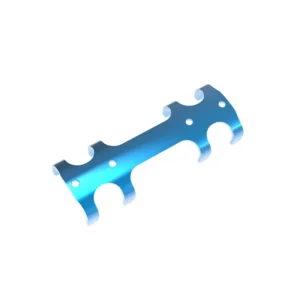
Claw-type encircling plates (such as our titanium rib claw series) clamp firmly around the costal cortical borders without drilling screws, preventing drill bit plunge hazards and drastically reducing surgical operating time.
Single-Use Pre-Sterilized Procedure Kits
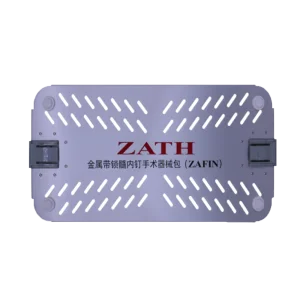
Moving away from heavy hospital autoclave trays, each procedure kit arrives vacuum-sealed with pre-measured anatomical plates, color-coded screws, and disposable drill guides to cut hospital CSSD costs and eliminate cross-infection risks.
Global B2B Procurement Specifications & Quality Dossiers
Medical device importers require ironclad regulatory documentation, cleanroom testing certificates, and verifiable compliance to win public hospital tenders.
ISO 13485:2016 Certified QMS
Comprehensive design control, non-conformance logging, and post-market surveillance ensure every production batch satisfies international standards.
Free Sale Certificate (FSC)
Fully endorsed by the Chinese National Medical Products Administration (NMPA) and chamber of commerce for streamlined registration across Southeast Asia, the Middle East, Latin America, and Africa.
ISO 10993 Biocompatibility
Full cytotoxic, systemic toxicity, sensitization, and genotoxicity test records validate long-term human in-vivo implantation safety.
Complete OEM / ODM Dossiers
Bilingual labeling (English, Spanish, Arabic, French, Russian), customized laser-etched UDI codes, custom dimensions, and matching sterile blister layouts.
Frequently Asked Questions: Rib Plate Sourcing & Engineering
Authoritative answers on biomechanical parameters, surgical sets, MOQ requirements, and international supply chain logistics.
Comprehensive Reconstructive & Trauma Fixation Solutions
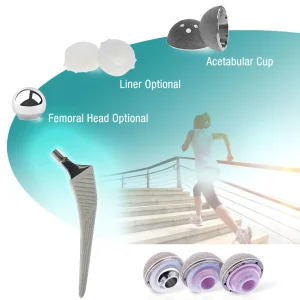
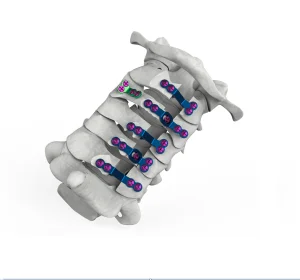
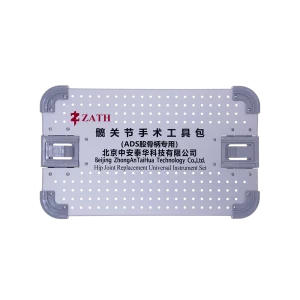
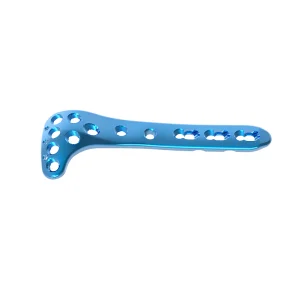
Explore our full clinical spectrum, including titanium rib claw plates for pectorales osteosynthesis, total hip arthroplasty sets, intramedullary femoral nails, and anatomical tibial locking plates.
Partner with China's Premier Rib Fixation Manufacturer
Empower your hospital trauma tenders with high-yield orthopedic implant solutions. Request full dimensional CAD technical drawings, CE MDR qualification dossiers, Free Sale Certificates (FSC), or customized OEM trial samples directly from our engineering team.