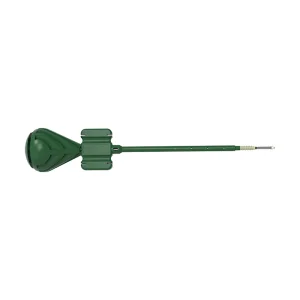
Primary Trauma, Joint & Spinal Implant Platform
Explore our export-certified orthopedic devices engineered in full conformance with ASTM F136 / ASTM F138 standards, providing high-affinity fixation and long-term biomechanical stability.
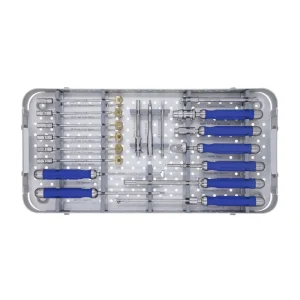
Famous Cervical Fusion Cage Instrument Set Exporters, Service
Technical Specs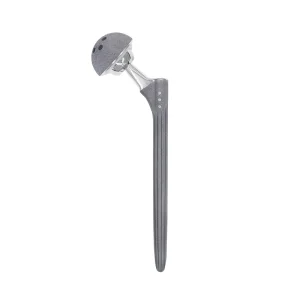
ODM Best Selling DDS Titanium Hip and Joint Implant Prosthesis Suppliers, Factories
Technical Specs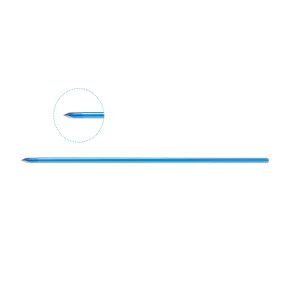
Best Diameter 1.5mm 2.0mm 2.5mm 3.0mm Titanium Alloy Threaded Bone Pin Manufacturers, Exporter
Technical Specs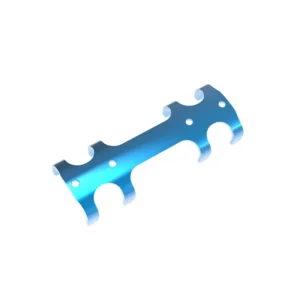
OEM Titanium Rib Claw Plate for Pectorales AO Manufacturers, Company
Technical Specs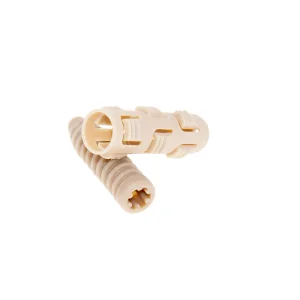
OEM Zath Sports Medicine Orthopedic Suture Anchor Implant Company, Service
Technical Specs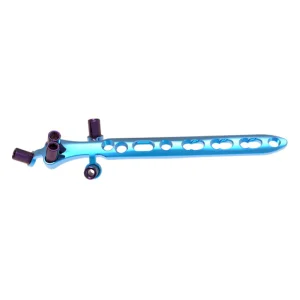
China Proximal Ulna ISC Locking Compression Plate I Pricelist, Service
Technical Specs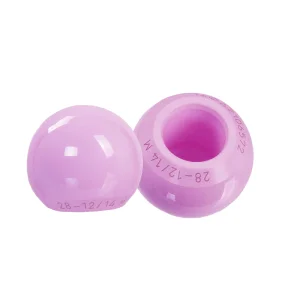
Buy Ceramic CDH Femoral Head Implant Hip Exporter, Company
Technical Specs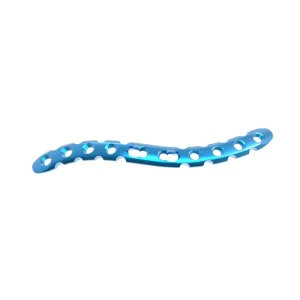
Wholesale Clavicle Reconstruction Locking Compression Plate Supplier, Exporters
Technical SpecsBiomechanical Principles of Cortical Bone Screws
A rigorous examination of core diameter, pitch-to-depth ratios, asymmetrical thread dynamics, and tensile shear performance in cortical bone fixation.
Asymmetrical Buttress Geometry
Cortical screws rely on a dense asymmetrical buttress thread profile designed specifically for the compact, Haversian architecture of cortical bone. The leading thread angle minimizes insertion resistance, while the steeper 35-degree trailing load-bearing flank maximizes resistance to pullout forces under physiological cyclic loading, significantly outperforming standard symetrical metric profiles.
Core-to-Outer Diameter Optimization
The torsional and bending rigidity of an orthopedic bone screw varies with the third and fourth powers of its inner core root diameter, respectively. Our precision-lathed cortical screws maintain an optimized core-to-outer diameter ratio (typically 0.65 to 0.72), ensuring extreme resistance to torsional shear failure during insertion into hardened diaphyseal cortex without sacrificing thread depth engagement.
ASTM F543 Mechanical Conformance
Every lot manufactured for global export undergoes thorough axial pullout strength, insertion torque, and torsional yield testing in accordance with ASTM F543 requirements. Tested in grade 20 to 40 rigid polyurethane foam bone analogs, our self-tapping flute geometries maintain clean debris clearance, preventing bone thermal necrosis and micro-cracking along osteon boundaries.
China Factory 4.0: Resilience, Traceability & Scale
How state-of-the-art Swiss-type sliding head lathes, automated optical inspection, and cleanroom packaging establish China as the premier supply hub for global osteosynthesis implants.
Multi-Axis Swiss CNC
Using 7-axis Citizen and Star Swiss-type sliding head machining centers, each cortical screw is completed in a single continuous clamping cycle. Thread whirling minimizes thermal heat generation, preserving material microstructure and eliminating surface micro-stress fractures.
Automated Passivation
Automated ultrasonic multi-stage cleaning and nitric/citric acid passivation ensure complete depletion of free iron atoms, forming a dense titanium dioxide (TiO2) or chromium-rich passive film that exceeds ASTM F86 standards for biocompatibility and corrosion immunity.
100% Optical Sorting
Eliminating human sampling errors, high-speed vision inspection systems project micro-telecentric lenses to measure total pitch runout, pitch angle variation, drive recess concentricity, and flank burrs, ensuring 100% zero-defect qualification before sterile packaging.
Class 100k Cleanroom
Implant manufacturing terminates inside certified ISO Class 7 (Class 10,000) and Class 8 (Class 100,000) cleanrooms. Implants receive sterile-barrier pouch or double-blister Tyvek packaging with validated gamma or ethylene oxide (EtO) sterilization profiles.
Global Enterprise Procurement: TCO & Supplier Audit Matrix
A comprehensive framework detailing how multinational distributors, GPOs, and orthopedic brand owners de-risk high-volume cortical screw procurement from China.
Metallurgical Traceability (EN 10204 3.1)
Tier-1 OEM buyers require complete heat lot certificates for all medical titanium alloy (Ti-6Al-4V ELI conforming to ISO 5832-3 / ASTM F136) and ultra-clean surgical stainless steel (ASTM F138 / ISO 5832-1). China’s elite manufacturing exporters guarantee chemical composition analysis, microscopic inclusion testing, and tensile elongation reports tied via laser etching to every single sterile unit.
Flexible Private Label & DFM
Global procurement teams prioritize manufacturers offering integrated Design for Manufacturability (DFM) support. Whether custom drive recesses (Torx/Stardrive vs. Hexagonal), non-standard thread pitch pitches for specialized plating systems, or custom laser brand marking, scalable Chinese exporters shorten prototype-to-production cycles from months to weeks.
Total Cost of Ownership (TCO) Optimization
Beyond the unit FOB price, high-volume B2B importers evaluate the entire landed expenditure. By combining localized raw-material stocking, optimized multi-cavity tool path algorithms, and direct containerized logistics to Europe, Latin America, and Southeast Asia, established exporters reduce overall procurement costs by 35% to 50% compared to Western OEM competitors.
| Standard AO Type | Thread Outer Diam. (mm) | Core Diam. (mm) | Pitch (mm) | Pilot Drill Bit (mm) | Drive Interface | Standard Indications |
|---|---|---|---|---|---|---|
| HA 1.5 Mini | 1.50 ± 0.02 | 1.00 ± 0.02 | 0.50 | Ø 1.1 mm | T4 / T6 Stardrive / Hex 1.5 | Hand, wrist, cranio-maxillofacial fracture fixation |
| HA 2.0 Small | 2.00 ± 0.03 | 1.35 ± 0.02 | 0.60 | Ø 1.5 mm | T6 / Hex 1.5 | Phalangeal, metacarpal, and pediatric distal radius |
| HA 2.7 Small | 2.70 ± 0.03 | 1.90 ± 0.03 | 1.00 | Ø 2.0 mm | T8 / Hex 2.5 | Clavicle, ulna, fibula, and ankle reconstruction |
| HA 3.5 Standard | 3.50 ± 0.03 | 2.40 ± 0.03 | 1.25 | Ø 2.5 mm | T15 / Hex 2.5 | Forearm, humerus, pelvic reconstruction plates |
| HA 4.5 Large | 4.50 ± 0.04 | 3.00 ± 0.04 | 1.75 | Ø 3.2 mm | T25 / Hex 3.5 | Femoral shaft, tibial diaphysis broad compression plating |
Technology Roadmap & Future Osteosynthesis Outlook
The transition toward bio-absorbable magnesium alloys, antimicrobial nano-coatings, and smart sensor-enabled surgical implants shaping next-generation cortical fixation.
Bio-absorbable Magnesium Alloys
Eliminating the clinical necessity for second-look implant removal surgeries, next-generation cortical screws integrate high-purity magnesium-rare earth (Mg-RE) alloys. These advanced biocompatible materials degrade harmlessly into physiologic ions over a 12-to-18-month osteosynthesis window while providing mechanical stiffness that matches natural cortical bone, reducing stress-shielding phenomena.
Functionalized Surface Nano-Engineering
Moving beyond basic anodization, our R&D centers are deploying Type-II/III hard color anodization and nanostructured hydroxyapatite (HA) aerosol deposition. These thin films stimulate rapid peri-implant osseointegration in osteopenic patients, alongside silver-ion (Ag+) plasma doping that discourages bacterial biofilm formation (such as Staphylococcus aureus) on external hardware.
Robotic & AI-Guided Navigation Compatibility
Modern operating suites demand absolute geometric precision for computer-assisted orthopedic surgery (CAOS). Our cortical screws feature ultra-tight hexalobular drive recess coaxiality (within 0.01mm runout) enabling automated robotic end-effector engagement, real-time depth tactile tracking, and instant torque-limiting feedback during automated pilot insertion.
Localized Support, MDR Compliance & Risk Mitigation
Ensuring frictionless international market entry through verified regulatory dossiers, localized audit readiness, and resilient global multi-hub supply distribution.
EU MDR 2017/745 Class IIb Dossiers
Transitioning beyond legacy MDD, our dedicated regulatory affairs teams maintain comprehensive Class IIb Technical Files conforming to European Medical Device Regulation (EU MDR 2017/745). Complete Clinical Evaluation Reports (CER), Post-Market Clinical Follow-up (PMCF) registries, and ISO 10993 biological evaluations ensure uninterrupted access across EU territories.
Regional MOH Registrations Worldwide
Expanding across Latin America, Southeast Asia, and the Middle East requires tailored documentation. We assist our overseas distributors directly with Free Sale Certificates (FSC) authenticated by the China Chamber of Commerce and foreign embassies, alongside turnkey technical dossiers for ANVISA (Brazil), COFEPRIS (Mexico), SFDA (Saudi Arabia), and TFDA (Taiwan).
GS1 UDI & Serialization Traceability
To comply with modern hospital supply chain electronic tracking mandates, all sterile packaged cortical screw units carry high-density 2D DataMatrix Unique Device Identification (UDI) labels. Each barcode encodes the Device Identifier (DI) and Production Identifier (PI—including lot, expiration date, and manufacturing date) directly readable by hospital inventory ERPs.
Frequently Asked Questions: Cortical Screw Sourcing
Direct technical and operational answers to the most critical inquiries submitted by international distributors, hospital supply directors, and OEM project leaders.
We manufacture exclusively from implant-grade Titanium Alloy (Ti-6Al-4V ELI conforming to ASTM F136 / ISO 5832-3) and Ultra-Clean Surgical Stainless Steel (316LVM conforming to ASTM F138 / ISO 5832-1). Every raw material delivery arrives with complete EN 10204 3.1 chemical composition and tensile mechanical mill test certifications.
Our self-tapping tip flutes are precision-ground with three cutting edges angled at an aggressive rake angle with optimized chip-relief chambers. This geometry cuts crisp helical paths into dense cortical bone rather than exerting excessive lateral hoop stress, ensuring low insertion torque while preserving bone structural integrity.
We produce both classical hexagonal drives and high-torque Torx (hexalobular / Stardrive) recesses conforming to ISO 10664. Torx designs distribute driving torque across six vertical contact planes, virtually eliminating cam-out risks, driver slipping, and screw head stripping during high-resistance bicortical insertion.
We offer both formats. For hospital supply contracts, implants can be packaged individually in double-barrier Tyvek blister packs or medical-grade sterilization pouches irradiated by Cobalt-60 Gamma (ISO 11137) or validated EtO (ISO 11135) with a 5-year shelf-life. Bulk caddy arrangements are also supplied for OEM autoclave tray sets.
Yes. As a full-service OEM/ODM provider, we customize screw lengths (from 6mm up to 120mm in 2mm increments), specialized pitch profiles, and Type II or Type III electrolytic color anodization (e.g., golden, blue, green, or rose) for rapid visual identification in the operating theater.
Standard catalog configurations in high-frequency sizes (HA 2.7mm, HA 3.5mm, HA 4.5mm) are kept in buffer stock and can ship via air express within 4 to 6 business days. Custom private-label OEM manufacturing runs typically require 4 to 6 weeks, depending on custom tooling and laser marking parameters.
Advanced Trauma, Locking & Reconstruction Assemblies
Integrate our internationally trusted trauma locking systems, endoscope instrumentation, and bone pins to deliver complete surgical solutions for orthopedic hospitals worldwide.
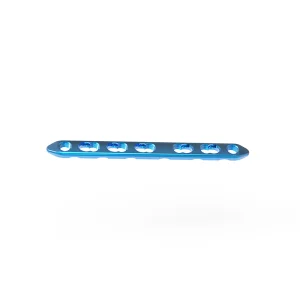
Custom Radius-Ulna Limited Contact Locking Compression Plate Factory, Exporter
Technical Specs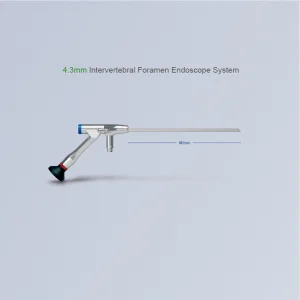
ODM 4.3mm Intervertebral Foramen Endoscope System Product, Products
Technical Specs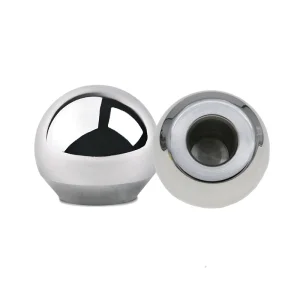
Famous Artificial Hip Joint FDH Femoral Head Factories, Companies
Technical Specs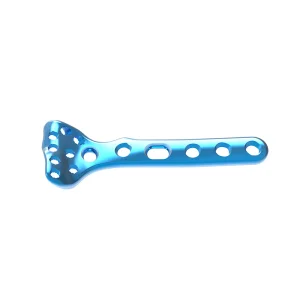
ODM DVR Locking Compression Plate I Exporter, Product
Technical Specs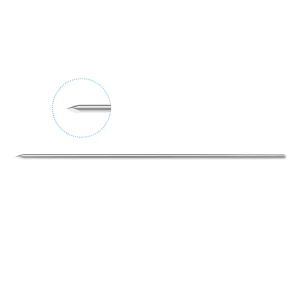
Wholesale High Quality CE Approved Stainless Steel Orthopedic Bone Pin Factory, Quotes
Technical Specs
ODM Orthopedic Surgical Use Cervical ACP Plate System Instrument Set Manufacturer, Pricelist
Technical Specs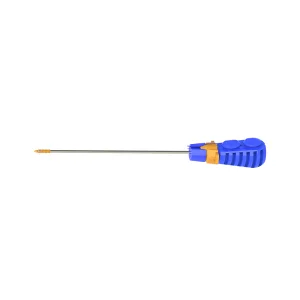
Wholesale Titanium Alloy knotless all adult titanium suture anchor with needle Pricelist, Products
Technical Specs