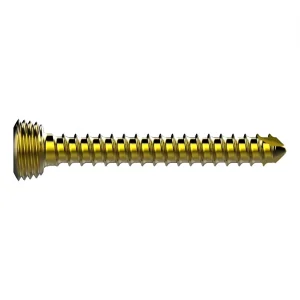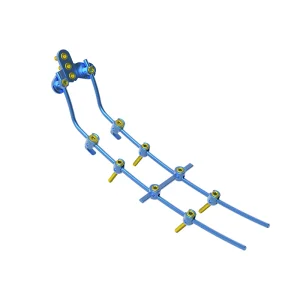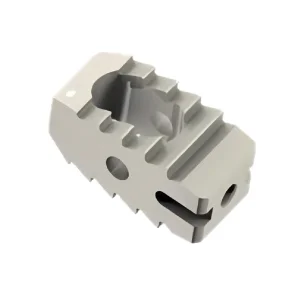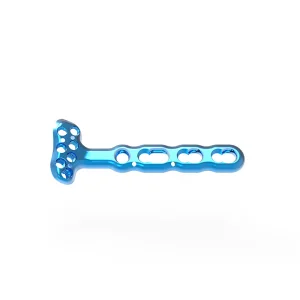
Featured Surgical Platforms & Implants
Explore precision-engineered orthopedic systems, sterile-packed implants, and precision instrument sets certified to ISO 13485 quality standards for hospital procurement worldwide.
Industry Evolution: Distal Tibia Trauma & LCP Breakthroughs
Understanding the clinical shifts from traditional rigid fixation to anatomically contoured locking compression constructs (LCP) in managing complex lower extremity trauma.
Clinical Paradigm Shifts
Distal tibia fractures—including extra-articular metaphyseal fractures (AO/OTA 43-A) and complex pilon intra-articular disruptions (AO/OTA 43-B/C)—present notorious surgical hurdles due to thin cutaneous soft-tissue coverage and tenuous periosteal blood supply. In recent years, orthopedic trauma surgery transitioned from extensive open anatomical plating to biological internal fixation using Locking Compression Plate (LCP) systems. The introduction of modern Low-Profile Anatomical Anterolateral and Medial Distal Tibia Plates has reduced the rate of soft tissue dehiscence, infection, and secondary non-union.
The China Supply Advantage
Historically dominated by premium Western OEMs, the global market for distal tibia implants encountered extreme pricing friction and extended distributor lead times. Tier-one Chinese manufacturers like ZATH (Beijing ZhongAnTaiHua Technology Co., Ltd.), founded in 2009, closed the engineering parity gap through 5-axis Swiss-lathe milling, ISO 13485 cleanroom validation, and biocompatible Ti-6Al-4V ELI (Grade 23) alloy utilization, delivering identical clinical performance at dramatically more sustainable tender valuations.
Combi-Hole Dynamic Biomechanics
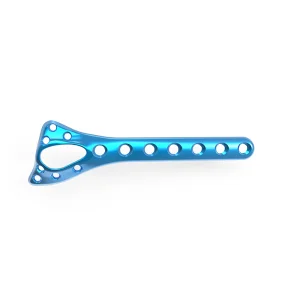
The hallmark of a high-precision Orthomed LCP distal tibia plate is the integration of proprietary Combi-Holes. This dual-geometry engineering enables trauma surgeons to exercise intraoperative autonomy: placing standard cortex screws for active axial compression or angular stable locking screws to resist toggling and shear stress in osteoporotic metaphyseal bone blocks without compressing the underlying periosteum.
Technical Architecture: Orthomed LCP Distal Tibia Specification
In-depth engineering parameters, dimensional tolerances, and multi-hole matrix options designed for pre-bent anatomical alignment and minimal contouring.
| Feature Parameter | ZATH Custom Orthomed Lcp Distal Tibia | Conventional Reconstruction Plates | Clinical / Procurement Significance |
|---|---|---|---|
| Raw Material Grade | Ti-6Al-4V ELI (ASTM F136 / ISO 5832-3) | Commercial Pure Titanium / 316L SS | Superior fatigue life, modulus closer to cortical bone, reduced stress shielding. |
| Shaft Profile Thickness | Tapered 3.0mm – 3.5mm Low-Profile | 4.0mm – 4.5mm Rigid Bulk Profile | Prevents tenting of the anteromedial skin flap; minimizes implant palpability. |
| Distal Fixation Matrix | Multi-planar convergence (Up to 8 locking holes) | Unidirectional 3-hole configurations | Provides multi-planar subchondral raft support for articular comminution restoration. |
| Screw Compatibility | 2.7mm / 3.5mm Locking & Cortex Screws | 3.5mm / 4.5mm Standard Screws | Permits tailored purchase in brittle metaphyseal fragments and robust diaphysis fixation. |
| Surface Finishing | Electrochemical Anodizing Type II | Basic Mechanical Polishing | Reduces soft-tissue adherence, minimizes cold welding between screw head and plate hole. |
| Pre-Formed Anatomy | Right & Left specific 80° metaphyseal flare | Flat requires manual bench intraoperative benders | Shortens operating room time, mitigates notch sensitivity caused by repeated bending. |
Global Procurement Demands: Solving Distributor Pain Points
Medical device directors, public health tender boards, and B2B orthopedic importers face recurring bottlenecks when qualifying trauma plate manufacturers.
1. MDR & Strict Auditing Compliance
Distributors worldwide face severe regulatory hurdles under evolving Medical Device Regulations (such as EU MDR 2017/745, US FDA 510(k), and local ANVISA / SFDA frameworks). Sourcing custom Orthomed LCP distal tibia plates from unverified vendors risks consignment seizure or regulatory revocation. A certified manufacturer must deliver complete Device Master Files (DMF), biological safety reports (ISO 10993), and full static/dynamic biomechanical fatigue test suites (ASTM F382).
2. Inventory Balancing & Stockouts
Trauma cannot be scheduled like elective total hip or knee arthroplasty. Hospital consignment shelves require immediate replenishment across diverse lengths (4 to 14 holes, left and right variants). Extended lead times of 12-16 weeks common among traditional exporters lead to lost surgical cases. Top China suppliers address this with automated buffer inventory, delivering stock orders via express DHL/FedEx logistics within 4 to 6 business days.
3. Complete Instrument Set Co-Engineering
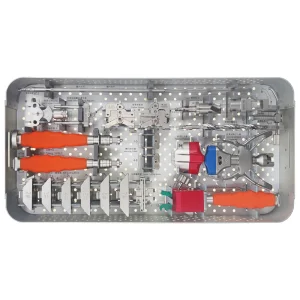
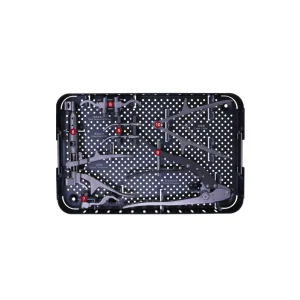
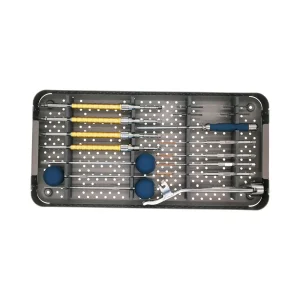
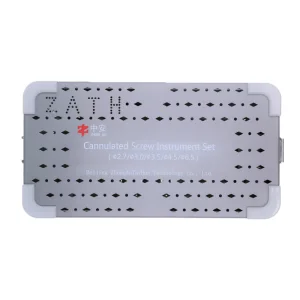
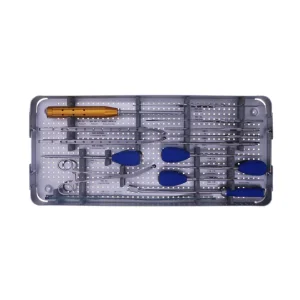
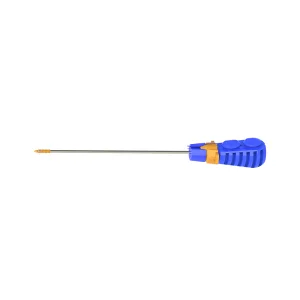
An orthopedic implant is only as reliable as the surgical instrumentation used to insert it. A chronic procurement complaint is screw head stripping, misaligned drill sleeves, or quick-coupling screwdriver fatigue. Leading trauma vendors build complete modular instrument kits—featuring quick-release torque-limiting screwdrivers, dedicated depth gauges, threaded drill guides, and bone-holding reduction forceps—under a single ISO-certified roof.
End-to-End Manufacturing Rigor: The ZATH Industrial Benchmark
A look inside the 6-stage controlled production ecosystem in Zhongguancun Science and Technology Park, Pinggu, Beijing.
1. Material Chemical Verification
Every titanium bar stock batch passes spectral chemical analysis, confirming low interstitial element thresholds (O, N, C, H, Fe) conforming precisely to ASTM F136 requirements prior to machining.
2. Multi-Axis CNC & Wire EDM
Complex anatomical geometry requires simultaneous 5-axis CNC machining centers. Low-temperature Wire EDM cuts structural contours while eliminating thermal stress micro-fractures on the titanium substrate.
3. Automated Coordinate Metrology
Every manufactured batch undergoes CMM (Coordinate Measuring Machine) laser surface profiling to ensure thread pitch, combi-hole taper angle, and overall contour tolerances stay within ±0.005mm.
4. Cleanroom Sterile Packaging
Class 10,000 cleanrooms provide medical-grade blister packaging. Gamma irradiation and EO sterilization protocols eliminate hospital-acquired infection vectors and allow immediate emergency OR application.
Empirical Scale: ZATH Global Quality & Manufacturing Footprint
Sustained orthopedic engineering excellence validated across international healthcare ecosystems.
15+
Years of Orthopedic Manufacturing (Est. 2009)
300+
Specialized Production & R&D Personnel
100~
Senior Quality & Precision Technicians
19
Comprehensive Orthopedic Product Families
Localized Regulatory Support & Private Label OEM/ODM
Empowering medical equipment distributors to achieve rapid market entry and secure national tender contracts.
Dossier & Registration Dossiers
We supply comprehensive Technical Documentation Folders (STED format), ISO 13485 QMS certificates, UDEM conformity declarations, and Free Sale Certificates (FSC) to facilitate swift regulatory approval in Southeast Asia, the Middle East, Latin America, and Eastern Europe.
Custom Branding & Laser Etching
Private label OEM/ODM services include customized laser engraving of product codes, GS1 standard UDI (Unique Device Identification) 2D DataMatrix barcodes, custom anodized color variations (titanium blue, gold, rose), and partner-branded sterile packaging designs.
Clinical Workshops & Technical Sales Training
Long-term partnerships are sustained with surgical technique manuals (STMs), sawbone model demonstration sets, and online/on-site training modules conducted by our biomedical engineering team to educate distributor sales forces and hospital scrub technicians.
Technology Roadmap: Next-Generation Trauma Solutions
Continuous investment in patient-matched customization, advanced osteoconductive coatings, and surgical ergonomics.
Phase 1: Present Core
Anatomical Optimization
Continuous iteration of distal tibia anterolateral and medial contours utilizing 3D CT reconstruction databases to optimize anatomical fit across diverse international demographic patient populations.
Phase 2: Additive Mfg
3D-Printed Porous Plates
Deploying Electron Beam Melting (EBM) and Selective Laser Melting (SLM) for patient-specific complex distal tibia defect revision, featuring trabecular porous structures that accelerate osseointegration.
Phase 3: Surface Science
Bioactive Anti-Microbial Coatings
Investigating silver-doped and antimicrobial peptide (AMP) thin-film surfaces designed to mitigate bacterial colonization and lower implant-related surgical site infections (SSI) in open pilon fractures.
Phase 4: Digital Health
Smart Sensor Bone Healing
Collaborating with university clinical centers on passive micro-strain telemetry sensors embedded within the plate neck to monitor real-time fracture callus stiffness and guide patient weight-bearing.
Frequently Asked Questions (Procurement & Technical)
Detailed technical, commercial, and regulatory guidance for orthopedic procurement specialists and healthcare executives.
What specific fracture indications are addressed by the Orthomed LCP Distal Tibia System?
The Orthomed LCP Distal Tibia System is primarily indicated for extra-articular distal tibia fractures (AO/OTA 43-A), partial articular split fractures (AO/OTA 43-B), and complete metaphyseal-diaphyseal intra-articular pilon fractures (AO/OTA 43-C). Additionally, the system provides reliable mechanical stability for distal tibia osteotomies, non-unions, and malunions, especially when soft tissue envelope compromise or osteoporotic bone density limits standard non-locking plate fixation.
How does the combi-hole design in your distal tibia plates enhance intraoperative flexibility?
The combi-hole consists of two merged geometries: one side features a dynamic compression unit (DCU) thread that accommodates standard non-locking cortex screws for anatomical reduction and dynamic interfragmentary compression. The opposing side features an internally threaded taper that locks securely with the threaded head of the locking screw, converting the construct into an internal fixator that prevents angular toggle, plate collapse, and secondary loss of reduction.
What medical certifications and audit reports can ZATH supply to international tender authorities?
ZATH operates an audited ISO 13485:2016 Medical Devices Quality Management System. We provide qualified distributors with valid UDEM Conformity Certifications, Free Sale Certificates (FSC) issued by the Chinese National Medical Products Administration (NMPA), biocompatibility test suites complying with ISO 10993, sterilization validation reports (ISO 11137 / ISO 11135), and mechanical fatigue testing documentation in accordance with ASTM F382.
Can ZATH provide OEM/ODM customization for specialized screw holes and localized branding?
Yes. As an authentic manufacturer with in-house R&D and 5-axis CNC machining capabilities, we support customized plate length extensions, alternate hole geometries, custom laser etching of logos and lot serials, custom anodization coloring for screw/plate identification, and bespoke sterile pouch packaging adapted to the distributor's regional trademark.
What are the minimum order quantities (MOQ) and typical international delivery timelines?
For standard portfolio items, flexible MOQs are available to facilitate distributor sample evaluation and registration sampling. Production lead times for customized volume batches typically range from 2 to 4 weeks. In-stock trauma replenishment orders are packed and dispatched via DHL, FedEx, TNT, or UPS express courier services, arriving within 4 to 6 business days worldwide.
Complementary Orthopedic Platforms & Implants
Explore ZATH's expansive clinical matrix across joint replacement, spine stabilization, trauma internal fixation, and diagnostic imaging hardware.