Featured Orthopedic Systems & Precision Fixation Units
Manufactured in full conformity with ISO 13485 standards. Review certified trauma plates, joint prostheses, and reconstruction instrument sets engineered to pair seamlessly with our standard and self-tapping titanium cortical screws.
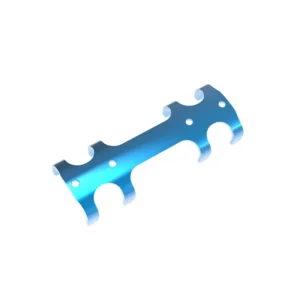
OEM Titanium Rib Claw Plate for Pectorales AO Manufacturers, Company
View Specifications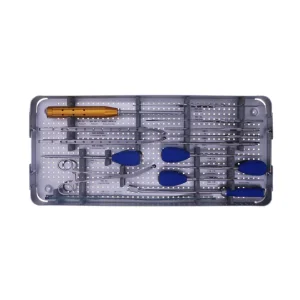
Best Zipper 6.0 System Spinal Internal Fixation System Instrument Universal Set Quotes, Company
View Specifications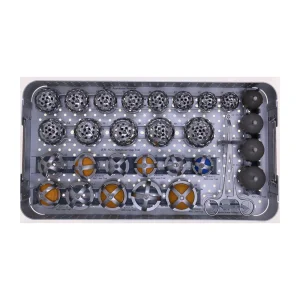
High-Quality Hip Joint Replacement Universal Instrument Set (Acetabular Part) Exporter, Products
View Specifications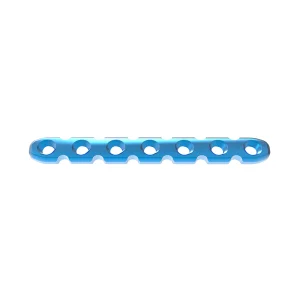
Cheap Reconstruction Locking Plate Quotes, Company
View Specifications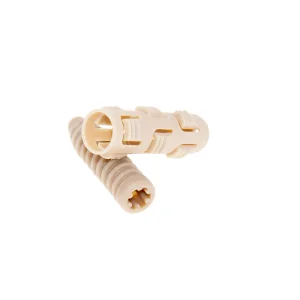
OEM Zath Sports Medicine Orthopedic Suture Anchor Implant Company, Service
View Specifications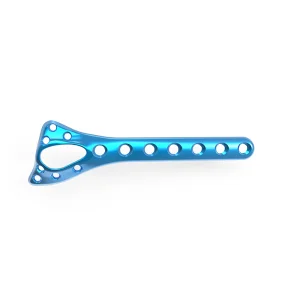
ODM DDR Locking Compression Plate Companies, Product
View Specifications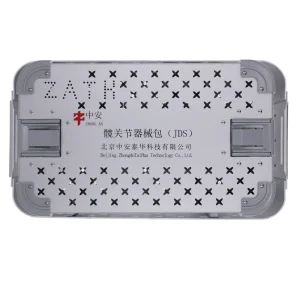
Custom ZATH Orthopedic JDS Stem Hip Revision Instruments Implant Factory, Pricelist
View Specifications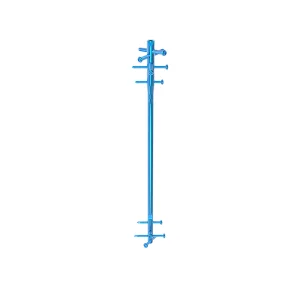
CE Certification Customized Expert Tibia Intramedullary Nail Implant Pricelist, Products
View SpecificationsEngineering Principles of Cortical Titanium Screw Fixation
An in-depth whitepaper analysis on thread pitch optimization, shear stress distribution, and Grade 5 Ti-6Al-4V ELI structural superiority in rigid internal trauma fixation.
ASTM F136 Ti-6Al-4V ELI Alloy
Cortical bone requires high yield strength combined with low modulus of elasticity to prevent stress shielding. Our cortical screws utilize extra-low interstitial titanium alloy, ensuring biocompatibility, high fatigue limits, and resistance to cyclic shear forces under dynamic weight-bearing.
- Tensile strength exceeding 860 MPa with high ductility
- Elastic modulus (~110 GPa) closer to bone than 316L SS (~200 GPa)
- Superior corrosion resistance with passive titanium dioxide film
Buttress Thread & Pitch Precision
Cortical bone possesses dense architecture demanding shallow, fine threads. Our screws feature asymmetrical buttress thread profiles that concentrate compressive forces along the load-bearing face while minimizing radial hoop stress that could cause micro-fractures during cortical purchase.
- Standard 1.25mm to 1.75mm pitch optimized for cortical wall thickness
- Self-tapping flutes reduce insertion torque by up to 34%
- Calculated pull-out resistance surpassing ASTM F543 benchmarks
Cruciform, Hex & Torx Head Integrity
Screw stripping during surgical insertion or removal represents an acute operating room complication. We precision-broach deep StarDrive (Torx) and hexagonal recesses, ensuring axial engagement, preventing cam-out phenomena, and maximizing torque transmission reliability.
- T-drive profiles distribute torsional loads over multiple facets
- Zero slippage design during motorized high-speed drivers
- Smooth, rounded screw head contours protect soft tissue
| Screw Parameter | Small Fragment Cortical (Ø 2.7 / 3.5 mm) | Large Fragment Cortical (Ø 4.5 mm) | Specialty Cortical (Cervical & Pelvic) |
|---|---|---|---|
| Target Anatomy | Radius, Ulna, Fibula, Clavicle, Ankle | Femur, Tibial Diaphysis, Humeral Shaft | Occipitocervical, Iliac Wing, Sacral Ala |
| Raw Material Grade | ASTM F136 Ti-6Al-4V ELI Medical Grade | ASTM F136 Ti-6Al-4V ELI / ISO 5832-3 | High-Grade Biocompatible Titanium Alloy |
| Thread Profile | Fine pitch asymmetrical cortical thread | Reinforced root deep cortical thread | Dual-lead quick-drive buttress design |
| Recess Profile | T8, T15 StarDrive / Hex 2.5 mm | T25 StarDrive / Hex 3.5 mm | Self-retaining conical Torx Plus |
| Surface Treatment | Type II Electrochemical Anodization | Color-coded hard anodization | Micro-arc passive protective finish |
| Sterilization Format | Sterile Gamma-Packed or Clean Non-Sterile | Sterile Blister Pack with Traceability Labels | Custom Surgical Kit Ready |
Global Sourcing Realities & Supply Chain Resiliency
Navigating global tender requirements, OEM private labeling, MDR compliance hurdles, and batch-to-batch metallurgical consistency for national healthcare systems.
Procurement Challenges Faced by Modern Distributors
Global orthopedic supply chains have entered an era of unprecedented scrutiny. Medical distributors and hospital purchasing committees face escalating pressures: stringent European Union Medical Device Regulation (EU MDR 2017/745) requirements, unpredictable lead times, and extreme volatility in raw medical-grade titanium bar pricing.
Procuring low-cost fasteners from unverified suppliers frequently results in catastrophic surgical failures: sheared screw heads, uneven thread pitches that strip osteoporotic cortical bone, and inadequate passivation leading to metallosis. Leading hospital networks now mandate complete origin auditing, mill test certificates with every production run, and validated sterile packaging systems that guarantee 5-year barrier integrity.
ZATH addresses these core pain points by acting as an integrated manufacturing partner rather than a transactional broker. With our 300+ workforce, extensive CNC machinery base, and dedicated regulatory department in Beijing, we ensure absolute consistency from raw bar stock to finished sterile implant.

End-to-End Precision: From Certified Bar Stock to Sterile Kit
Every titanium cortical screw produced inside our Beijing Zhongguancun Science Park facility passes through six strictly monitored physical checkpoints to ensure micron-level dimensional repeatability.
1. Raw Metallurgy & 2. Wire EDM
We source medical-grade Ti-6Al-4V ELI conforming strictly to ASTM F136 and ISO 5832-3. Incoming bars undergo chemical spectrometry, ultrasonic flaw detection, and metallographic grain size evaluation. Precision high-speed wire cutting and bar-feeding systems prepare blanks without generating thermal micro-cracks.
3. Swiss CNC & 4. Optical QC
Multi-axis Swiss-type turning centers machine thread leads, self-tapping cutting flutes, and drive recesses in a single setup, eliminating concentricity errors. Optical coordinate measuring machines (CMM) and computerized shadowgraphs verify major/minor pitch diameters with ±0.005mm repeatability.
5. Sterile Packing & 6. Warehousing
Screws undergo validated multi-frequency ultrasonic degreasing, Type II electrochemical anodization, and cleanroom packaging inside ISO Class 7 clean environments. Implants are packaged in double-sterile Tyvek blister barriers, labeled with GS1 DataMatrix UDI, and stored in temperature-regulated warehouses.
Rigorous International Standards & Registration Dossiers
Providing distributors and OEM brand partners with unshakeable compliance documentation to expedite ministry of health filings across Europe, Latin America, Southeast Asia, and the Middle East.
ISO 13485:2016 Certified QMS
Our certified Quality Management System covers the full lifecycle: medical device design, risk management (ISO 14971), biocompatibility evaluation (ISO 10993), computerized machining, sterilization validation (ISO 11137), and post-market surveillance. Routine unannounced notified body audits confirm our procedural integrity.
Technical Dossiers & Clinical Data
We provide comprehensive regulatory dossiers including: Biomechanical test reports (ASTM F543 torsion yield, insertion torque, axial pullout strength), accelerated aging shelf-life test records, sterilization validation protocols, and Free Sale Certificates (FSC) authenticated by governmental authorities.
Comprehensive OEM/ODM Turnkey Service
Distributors looking to establish proprietary private labels benefit from our flexible OEM engineering. We customize screw lengths, diameter combinations, surface color anodizing (gold, cyan, magenta for diameter coding), laser-etched barcodes, custom sterilization blister cards, and tailored surgical instrument caddies.
Technological Roadmap: The Next Generation of Fixation
How ZATH's dedicated engineering teams are advancing surface science, smart implants, and additive manufacturing integration for next-decade trauma care.
Type II Electrochemical Hard Anodization
Standardizing anti-galling oxide layers that dramatically lower the coefficient of friction during insertion while increasing resistance to fretting corrosion when combined with locking plates.
Bioactive Nanotube Coatings
Electrochemical anodization in fluoride electrolytes yielding oriented TiO2 nanotube arrays loaded with gentamycin or silver nanoparticles to resist surgical site biofilm formation.
3D Additive Hybrid Cortical Screws
SLM (Selective Laser Melting) cortical screws with solid core structural shafts and graded porous lattice collars, encouraging cortical osseointegration in osteoporotic fracture fixations.
Passive RFID / Strain Sensor Telemetry
Micro-cavity embedded passive sensor tags enabling non-invasive postoperative monitoring of fracture healing loads, callus consolidation, and early implant loosening.
Frequently Asked Questions for Hospital & Distributor Buyers
Clear, definitive technical answers covering material provenance, sterility shelf life, compatibility with standard AO/ASIF instrumentation, and global shipping timelines.
What specific titanium alloy grade is used in ZATH cortical bone screws?
Are ZATH orthopedic screws compatible with standard AO/ASIF plates and instrumentation?
What quality control protocols are implemented to guarantee zero thread stripping?
What packaging options are available: sterile vs. non-sterile?
What is the minimum order quantity (MOQ) and production turnaround for OEM branding?
Complementary Systems: Reconstruction, Spinal & Sports Implants
Complete your clinical inventory with our specialized orthopedic hardware. Each device shares identical biocompatibility testing benchmarks, high-precision Swiss manufacturing tolerances, and full ISO 13485 certification.
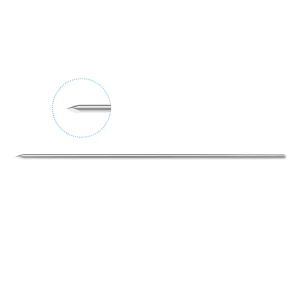
Wholesale High Quality CE Approved Stainless Steel Orthopedic Bone Pin Factory, Quotes
View Specifications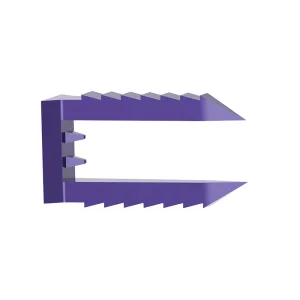
Famous Titanium Alloy Orthopedic Suture Anchor Titanium Manufacturer Companies, Products
View Specifications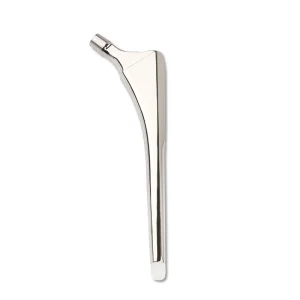
Cheap TDS Cemented Stem Orthopedic Implants Companies, Service
View Specifications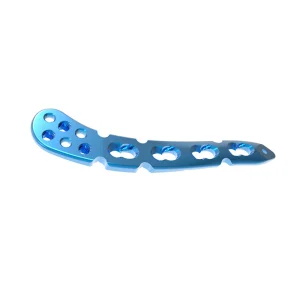
Wholesale Distal Clavicle Locking Compression Plate Manufacturers, Suppliers
View Specifications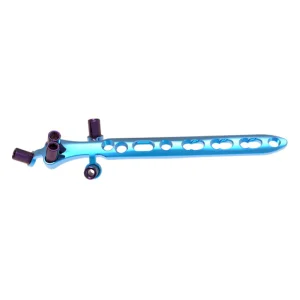
China Proximal Ulna ISC Locking Compression Plate I Pricelist, Service
View Specifications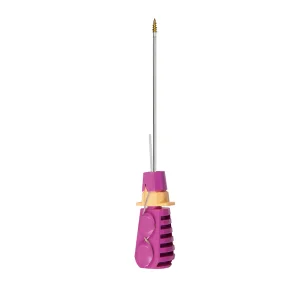
ODM Sports Medicine Titanium Orthopedic Suture Anchor Implant Suppliers, Service
View Specifications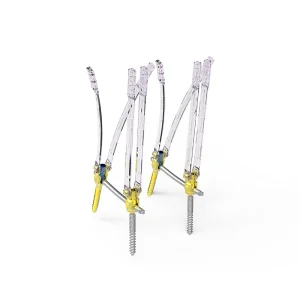
ODM Spine Titanium Minimally Invasive Pedicle Screws Manufacturer, Pricelist
View Specifications