
Enterprise Product Catalog: Precision Implants & Core Fixation
Engineered in compliance with ISO 13485 standards. Review certified primary fracture systems, anatomical locking plates, and reconstructive instrumentation configured for global hospital distribution.
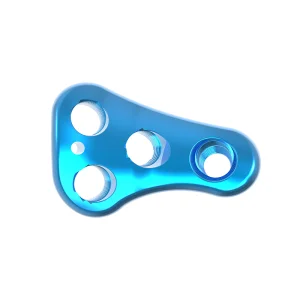
High-Quality Proximal Femur MIS Locking Plate II Suppliers, Product
View Product Specs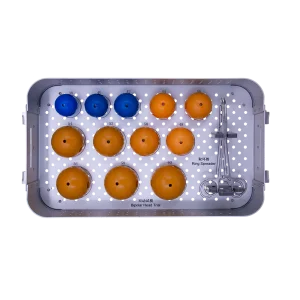
Famous Orthopedic Implant Human Use Bipolar Hip Instrument Set Suppliers, Exporter
View Product Specs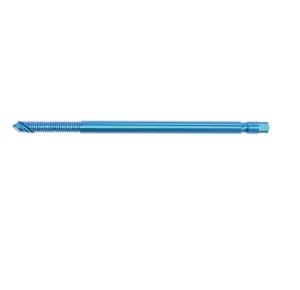
Cheap Titanium Alloy Pin for Orthopedic External Fixation Pricelist, Exporter
View Product Specs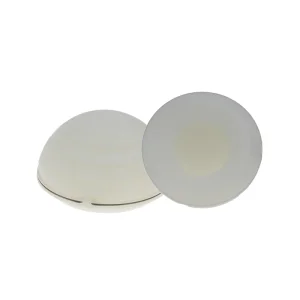
High-Quality TDC Cemented Acetabular Cup Artificial hip Joint Prosthesis Supplier, Suppliers
View Product Specs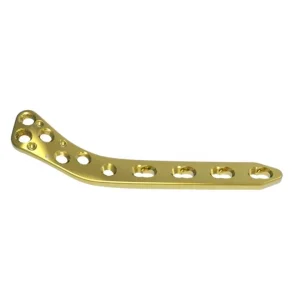
OEM Proximal Lateral Tibia Locking Compression Plate Supplier, Factories
View Product Specs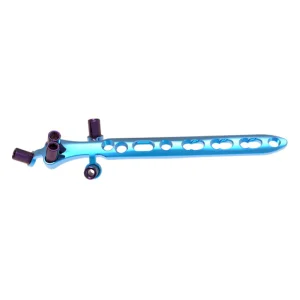
China Proximal Ulna ISC Locking Compression Plate I Pricelist, Service
View Product Specs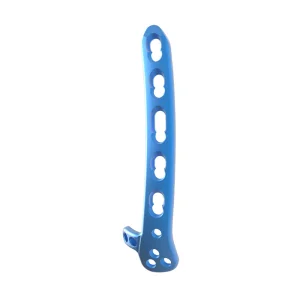
ODM Distal Posterolateral Humerus Locking Compression Plate (with Lateral Support) Product, Products
View Product Specs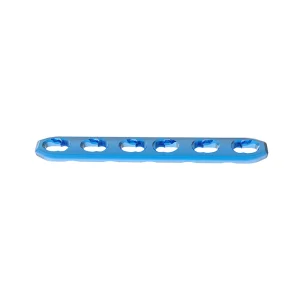
Wholesale Tibia Limited Contact Locking Compression Plate Manufacturer, Supplier
View Product SpecsEngineering Benchmarks in Modern Clavicular Internal Fixation
Quantified biomechanical metrics governing modern low-profile titanium clavicle plating systems, from 4-point fatigue endurance limits to periosteal vascular preservation.
Tapered thickness profile engineered to mitigate soft-tissue prominence and hardware irritation over subcutaneous borders.
Variable-angle combi-holes allowing targeted screw trajectory into comminuted fragments and acromioclavicular periarticular zones.
Grade 23 medical-grade titanium according to ASTM F136 standards, offering biocompatibility and modulus close to cortical bone.
Exceeds ASTM F382 dynamic bending endurance limits, ensuring post-operative stability during early upper extremity rehabilitation.
Macro Industry Solutions in Clavicle Bone Plate Engineering
The human clavicle functions as a strategic strut bridging the axial skeleton to the glenohumeral girdle. Fractures of the clavicular shaft and distal ends represent approximately 2.6% to 4% of all adult fractures, with midshaft fractures (Allman Type I / Robinson Type 2) accounting for nearly 75% to 80% of all cases. For international medical device brands and hospital supply chains, securing an original design manufacturer (ODM) with sophisticated biomechanical capabilities has shifted from a mere cost-efficiency strategy to a core clinical safety requirement.
Traditional non-operative management of displaced middle-third clavicular fractures historically led to nonunion rates as high as 15% to 20%, along with symptomatic malunion and shortening that significantly degraded shoulder girdle kinematics. Conversely, historical plating solutions utilized generic 3.5mm dynamic compression plates (DCP) or reconstruction plates that demanded rigorous intraoperative manual bending. Such contouring inevitably created micro-notches, stress concentration loci, and disrupted cortical vascular networks due to excessive contact pressure.
Clinical Engineering Insight: Contemporary ODM clavicle plating utilizes CT DICOM-derived morphology databases to establish double S-shaped anatomical curvatures. By integrating limited-contact undercuts with variable-angle locking hole geometry, modern systems preserve periosteal vascularity while providing robust neutralization against combined bending and torsional vectors.
Comparative Metallurgical & Structural Mechanics
When engineering clavicle bone plates under an ODM model, the selection of raw materials dictates fatigue threshold, stress shielding risks, and clinical handling. The table below delineates the empirical metallurgical and biomechanical differences across standardized orthopedic implant alloys:
| Mechanical Property | Ti-6Al-4V ELI (Grade 23) | Pure Titanium (Grade 4) | 316L Stainless Steel |
|---|---|---|---|
| Tensile Strength (MPa) | ≥ 860 MPa | ≥ 550 MPa | ≥ 490 - 690 MPa |
| Yield Strength (0.2% MPa) | ≥ 795 MPa | ≥ 480 MPa | ≥ 190 - 310 MPa |
| Elastic Modulus (GPa) | 110 GPa (Closer to Bone) | 105 GPa | 193 GPa (High Stiffness) |
| MRI Compatibility | Exceptional / Low Artifact | Superior / Negligible | Moderate Artifact Distortion |
| Plate Notch Sensitivity | Low (High Fatigue Limit) | Extremely Low | Moderate |
By engineering with medical-grade Ti-6Al-4V ELI (ASTM F136), our ODM manufacturing protocols provide an ideal balance of tensile strength and flexible compliance. The closer modulus of elasticity reduces stress shielding at the fracture boundaries, significantly accelerating secondary callus formation without risking fatigue fractures across early weight-bearing cycles.
Global Enterprise Sourcing Paradigms: OEM vs. ODM Partnerships
Strategic criteria prioritized by hospital procurement groups, multi-national brand holders, and regional distributors qualifying orthopedic implant factories.
SKU Rationalization & Modular Caddies
Global distributors demand streamlined tray footprints that cover both midshaft fractures and distal fractures while minimizing hospital sterilization processing costs.
- Unified Ø2.7/Ø3.5mm screwdrivers
- Left/right anatomically mirrored slots
- Graphic anodized aluminum case architecture
MDR Technical File Readiness
Regulatory overhead under EU MDR 2017/745 requires comprehensive device master records, validated mechanical testing, and exhaustive clinical evaluation plans (CEP).
- Biocompatibility verified to ISO 10993
- Full static and dynamic 4-point fatigue reports
- Turnkey technical dossier delivery for CE mark
Rapid Factory Customization (ODM)
From custom screw head recessed geometries to regional-specific color anodization and custom laser-engraved branding, flexibility defines factory competitiveness.
- Confidential OEM/ODM private labeling
- Custom hole patterns & screw thread profiles
- Cleanroom sterile blister packaging under ISO 11607
Inside the ODM Clavicle Bone Plate Production Chain
A multi-stage, zero-defect industrial pipeline spanning medical-grade raw material validation to micro-milling, automated electropolishing, and ISO Class 7 cleanroom packaging.
1. 5-Axis Simultaneous CNC Machining
Every anatomical contour, bevel, and screw thread combi-hole is milled on DMG MORI and Swiss-type Citizen CNC machines, preserving tight tolerances (±0.005mm) across complex organic curves.
2. Precision Wire EDM Blank Profiling
Utilizing submerged wire Electrical Discharge Machining ensures that high-stress implant profiles are formed without generating micro-cracks or heat-affected zones that induce premature metallurgical fatigue.
3. Automated Micro-Deburring & Polishing
Centrifugal disc finishing eliminates micro-burrs along internal locking threads. Edge radii are carefully rounded to ensure adjacent neurovascular bundles and supraclavicular cutaneous nerves are protected.
4. Surface Passivation & Type II Anodization
Electrochemical Type II anodization dense-oxide layer formation mitigates fretting wear between screw heads and plate holes while significantly enhancing corrosion resistance in physiological environments.
5. Multi-Sensor Coordinate CMM Inspection
Zeiss Coordinate Measuring Machines (CMM) and optical video measurement verify compound radii, screw thread engagement depth, and plate thickness profiles across 100% of validated production lots.
6. Cleanroom Packaging & Direct UDI Labeling
Implant packaging within Class 10,000 (ISO Class 7) cleanrooms ensures microbial bioburden meets strict SAL 10-6 criteria for terminal sterilization. High-contrast fiber lasers apply indelible UDI barcodes.
Turnkey Localization Support & Global Quality Assurance
Ensuring distributor partners experience zero friction during local health authority product registration through comprehensive documentation packages.
ISO 13485:2016 Certification
Fully certified quality management systems covering design, precision engineering, risk assessment (ISO 14971), and traceability across the device lifecycle.
Free Sale Certificates (FSC)
Government-attested Free Sale Certificates and Certificates of Origin to expedite fast-track import authorizations across Latin America, Southeast Asia, and the Middle East.
MDR GSPR Compliance
Exhaustive General Safety and Performance Requirements (GSPR) matrices fully mapped to clinical literature, risk files, and biocompatibility documentation.
UDEM CE Verification
Verified third-party conformity assessment documentation confirming adherence to European Union medical device health and safety standards.
Technological Roadmap & Next-Generation Clavicle Fixation (2025–2035)
Anticipating next-wave clinical breakthroughs in upper extremity reconstruction, patient-matched additive implants, and smart telemetry.
CT-Guided S-Plate Morphology Optimization
Expansion of multi-center 3D bone morphology databases to engineer gender-specific and population-tuned anatomical plate geometries, reducing surgical bending requirements to virtually zero.
Additive EBM Trabecular Contact Pads
Electron Beam Melting (EBM) 3D-printed porous titanium underside pads engineered to match the cancellous bone architecture, encouraging controlled vascular integration while reducing contact necrosis.
Bioabsorbable Magnesium Hybrids
Development of second-generation resorbable magnesium alloy (Mg-Zn-Ca) coracoclavicular augmentation bands and suture buttons that safely degrade after full ligamentous reconstitution.
Integrated Micro-Sensor Telemetry
Low-profile passive RFID micro-strain sensors embedded in the plate shaft to dynamically measure fracture gap strain and provide non-invasive, radiation-free union confirmation during clinical follow-up.
Frequently Asked Questions: Technical Evaluation for B2B Buyers
In-depth responses resolving the clinical, mechanical, and logistical inquiries most frequently posed by hospital procurement directors and private label distributors.
What biomechanical advantages do superior vs. anteroinferior clavicle plates offer?
Superior plating positions the plate on the tension side of the clavicle during physiological arm movements, providing the highest biomechanical resistance against inferior bending moments. However, because superior bone surfaces have minimal soft-tissue coverage, patients frequently report hardware prominence, cold sensitivity, and subcutaneous irritation.
Anteroinferior plating shifts hardware to the broader anterior surface of the clavicle. Biomechanically, screws are directed away from the critical infraclavicular neurovascular bundle (subclavian artery/vein and brachial plexus), significantly enhancing surgical safety margins. Anteroinferior plates also offer superior fixation in osteoporotic bone by permitting longer bicortical screw purchase without neurovascular jeopardy.
How does the variable-angle (VA) combi-hole prevent cross-threading and cold-welding?
Our variable-angle locking holes incorporate a 4-point spherical threaded lip engineered to receive both standard fixed-angle locking screws and variable-angle screws up to ±15° off-axis (creating a 30° total cone of trajectory). To eliminate titanium-on-titanium galling and cold-welding under high insertion torque, the plate undergoes proprietary Type II electrochemical anodization, creating an extra-hard titanium oxide layer that dramatically reduces friction coefficients.
What is the standard turnaround time for OEM/ODM private labeling and custom instrumentation?
For existing certified geometries requiring private-label laser marking (distributor logo, custom part numbers, GS1 DataMatrix) and customized graphic caddies, delivery is typically 30 to 45 business days following final digital drawing sign-off. For ground-up ODM developments requiring novel CAD profiles, rapid SLA prototyping, mechanical FEA simulation, tooling setup, and ASTM F382 fatigue verification, typical project timelines range between 90 and 120 calendar days.
Are implants supplied in validated sterile barrier systems (ISO 11607)?
Yes. All clavicle bone plates and associated locking screws are available in pre-packaged sterile formats. Double-blister PETG trays sealed with medical-grade Tyvek lids undergo accelerated aging (ASTM F1980) and transport simulation testing (ASTM D4169) to certify a 5-year shelf-life stability under standard EtO (Ethylene Oxide) or Gamma irradiation regimes. Implants are delivered ready for operating theater transfer.
How do you prevent plate breakage at the transitional curve in comminuted midshaft fractures?
Fatigue failure in clavicle plates almost universally occurs across the central bridge portion overlying the fracture gap, where stress concentrations peak under repetitive bending. Our engineering team addresses this by thickening the cross-sectional core area at the inflection curves while avoiding screw holes directly in the critical transition zone. FEA (Finite Element Analysis) ensures stress is evenly distributed across adjacent screw hole bridges, preventing local yield stress exceedance.
What documentation is provided to support regional health authority tenders?
Each OEM/ODM client receives a comprehensive regulatory submission dossier including: Certificate of Conformity, Raw Material Mill Test Certificates (chemical composition and mechanical strength verification), Biocompatibility Summary Reports (Cytotoxicity, Sensitization, Genotoxicity, Systemic Toxicity per ISO 10993), ASTM F382 Static & Dynamic Fatigue Test Verification, Packaging Integrity Reports, and sterilization validation documentation.
Enterprise Product Catalog: Joint, Spine & Specialized Reconstruction
Explore matching surgical instrument sets, spinal stabilization systems, and arthroscopic reconstruction implants manufactured under precision-controlled quality management.
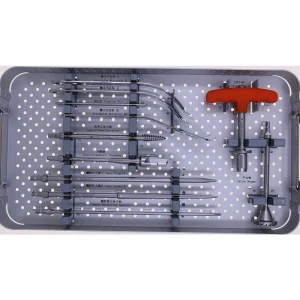
Famous CE Approved Orthopedic Implant THA Hip Instrument Set Femoral Part Supplier, Service
View Product Specs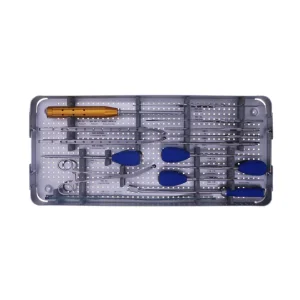
Best Zipper 6.0 System Spinal Internal Fixation System Instrument Universal Set Quotes, Company
View Product Specs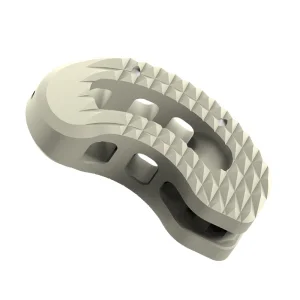
ODM Thoracolumbar Interbody Cage (Angled) Exporter, Company
View Product Specs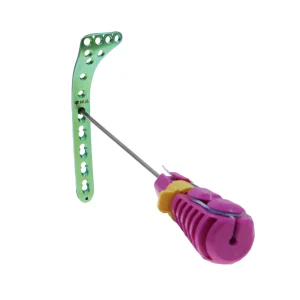
CE Certification CE Approved Hospital Use All Suture Anchor Titanium With Needle Factory, Companies
View Product Specs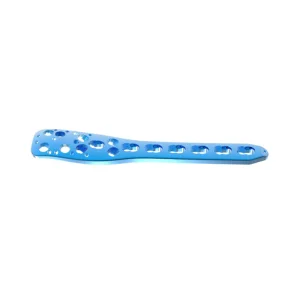
Famous Proximal Humerus Locking Compression Plate III Exporters, Product
View Product Specs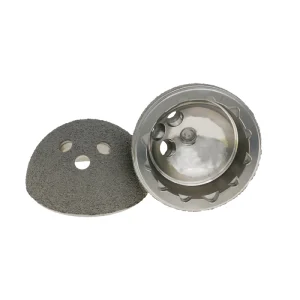
ODM ADC Acetabular Cup Surgical Instrument Factories, Exporters
View Product Specs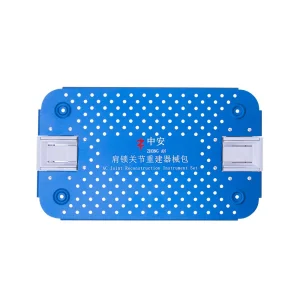
ODM AC Joint Reconstruction Instrument Set Supplier, Products
View Product Specs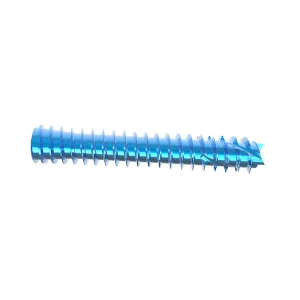
Buy Headless screw titanium cannulated screws Companies, Product
View Product SpecsInitiate Your Clavicle Plating ODM Evaluation & Factory Audit
Receive our complete regulatory dossier package, ASTM F382 fatigue verification certificates, sample evaluation implants, and private-label caddy configuration options.