ODM Different Bone Screw Orthopaedic Dies Supplier & Exporters
High-precision progressive cold heading, thread rolling dies, and micro-machining solutions engineered for cortex, cancellous, cannulated, and polyaxial pedicle screws.
Engineered Implant Systems & Instrument Sets
ZATH (Beijing ZhongAnTaiHua Technology Co., Ltd.) integrates cutting-edge tooling dies with Class III orthopedic implant fabrication, delivering ISO 13485 sterile-packaged solutions globally.
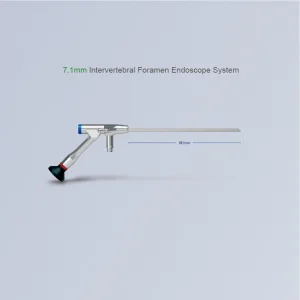
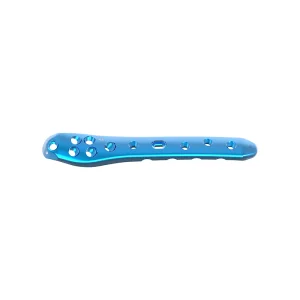
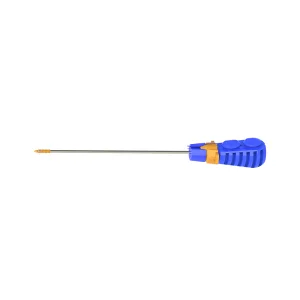
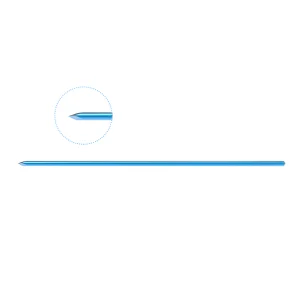
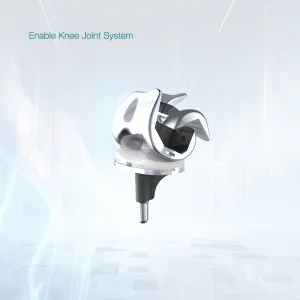
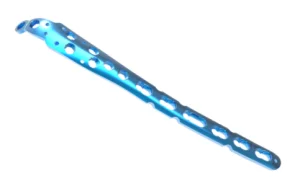
ODM Orthopaedic Bone Screw Dies: Micro-Tooling Architecture
Modern fracture fixation, spine arthrodesis, and extremity reconstruction demand micron-level metallurgical stability. Orthopaedic bone screw dies are the apex of cold forming and thread rolling technology, controlling micro-crack mitigation, surface finish (Ra < 0.2 µm), and grain alignment for medical Grade 5 Titanium (Ti-6Al-4V ELI) and implant-grade 316LVM stainless steel.
Cortex Screw Thread Rolling Dies
Specialized flat and cylindrical rolling dies engineered to produce shallow asymmetrical buttress profiles. Maximizes shear load resistance along dense diaphyseal cortical bone while preventing notch sensitivity during cold displacement.
- Pitch Range: 1.0mm to 1.75mm
- Die Substrate: Micro-grain Tungsten Carbide (WC-Co)
- Tolerance: ±0.002 mm profile runout
Cancellous & Dual-Lead Dies
Deep thread flute forming dies configured with pronounced rake angles to compress and preserve low-density trabecular bone in metaphyseal regions. Employs multi-stage cold extrusion dies to ensure continuous molecular grain continuity.
- Deep-thread relief up to 2.75mm
- AlCrN PVD nano-composite wear barrier
- Differential thread pitch geometries
Pedicle & Cannulated Screw Dies
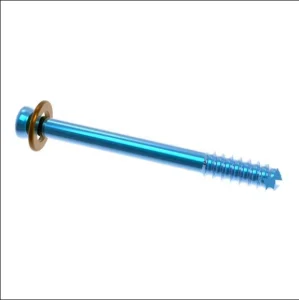
High-integrity rolling dies engineered for spinal pedicle screws and hollow-core cannulated trauma screws. Manages concentricity between hollow guide-wire lumens and outer dual-core threads without wall deformation.
- Concentricity control < 0.005 mm
- Multi-axis Torx/Hexalobular punch dies
- Quad-lead rapid insertion profiling
| Die Category | Material Target | Die Substrate | Surface Treatment | Applicable Standards | Key Tolerance |
|---|---|---|---|---|---|
| Cortical Screw Rolling Dies | Ti-6Al-4V ELI / 316LVM | Sub-micron WC + 10% Co | Balinit Altensa / TiAlN | ISO 5835 / ASTM F543 | ±0.002 mm |
| Cancellous Heading Punch Dies | Grade 5 Ti / PEEK | Powder Metallurgy CPM 10V | DLC (Diamond-Like Carbon) | ISO 5832-3 / ASTM F136 | ±0.003 mm |
| Spinal Pedicle Screw Rolling Dies | Ti-6Al-7Nb / Grade 5 ELI | Ultra-fine Tungsten Carbide | AlCrSiN nanocomposite | ASTM F1717 / ISO 12189 | ±0.0015 mm |
| Cannulated Micro-Screw Dies | Biodegradable Mg / Ti6Al4V | High Cobalt Tool Steel / WC | Multilayer TiN + CrN | ISO 5835 / ASTM F1147 | ±0.0025 mm |
China Factory 4.0: Supply Chain Resilience & Tooling Agility
ZATH leverages automated digital cell manufacturing at its Beijing production facility, combining rapid mold tooling iterations, IoT-driven process monitoring, and ISO 13485-compliant quality architecture.
5-Axis CNC & Wire EDM
Swiss-style multi-axis lathes and ultra-precision sub-micron Sodick Wire EDM systems fabricate bone screw dies with surface roughness under Ra 0.1 µm, eliminating manual micro-polishing deviations.
Closed-Loop Metrology
In-line optical profile scanners and coordinate measuring machines (CMM) automatically verify die pitch geometries, flank angles, and core radii against 3D CAD step files in real time.
PVD Micro-Coating Tech
In-house plasma physical vapor deposition applied to tooling dies ensures superior hot hardness, low coefficient of friction (<0.15), and extended die lifespan exceeding 250,000 screw cycles.
Rapid Prototyping ODM
Rapid conversion from proprietary surgeon designs to functional die tooling within 7–10 working days, backed by comprehensive finite element analysis (FEA) of bone-screw engagement.
Macro Healthcare Solutions & B2B Procurement Alignment
Global orthopedic distributors, hospital chains, and OEM medical device brand owners require reliable manufacturing partners capable of balancing stringent regulatory audits with cost-efficiency and supply-chain continuity.
Total Cost of Ownership (TCO)
By sourcing proprietary ODM bone screw dies and implants directly from an integrated Beijing manufacturer, OEM clients achieve up to a 42% reduction in per-unit manufacturing tooling amortizations without compromising ASTM F543 torque and pullout specifications.
Matching Instrument System Sets
Every screw profile is manufactured alongside synchronized taps, drill bits, screwdriver shafts, and depth gauges. Dies are designed concurrently with cannulated screwdrivers to prevent surgical head stripping during high-torque cortical insertion.
Complete Regulatory Dossiers
We provide full technical documentation (Device Master Records, biocompatibility validation per ISO 10993, finite element analysis, fatigue test records, and Free Sale Certificates) supporting immediate local MOH and FDA 510(k) registrations.
Technology Roadmap: Next-Generation Orthopaedic Tooling
As surgical trends shift toward robot-assisted placement, minimally invasive surgery (MIS), and bioresorbable polymers, ZATH is expanding die engineering to meet tomorrow's biomechanical challenges.
Bioabsorbable Magnesium & PLLA Dies
Specialized isothermal extrusion dies engineered for bio-degradable magnesium alloys and high-purity PLLA/PCL polymers, eliminating grain disruption and thermal degradation during high-speed rolling.
Smart AI-Driven Die Micro-Compensations
Machine-learning generative algorithms that anticipate spring-back deviations in Grade 23 Ti-6Al-4V ELI titanium wire, automatically compensating thread tooling dimensions down to 0.8 microns before fabrication.
Nano-Structured Osseointegrative Surfaces
Tooling dies capable of transferring controlled micro-topographies directly onto screw root and flank profiles during the cold rolling process, stimulating rapid early osteoblast adhesion post-implantation.
Frequently Asked Questions: Bone Screw Dies & OEM Procurement
Direct insights from our senior tooling engineering and regulatory compliance department.
What is the primary technical advantage of cold thread rolling dies over CNC threading?
Cold thread rolling using ultra-hard tungsten carbide dies displaces titanium metal grains along natural uninterrupted flow lines rather than severing them, which occurs during CNC single-point cutting. This increases bone screw fatigue strength by 25–40%, reduces notch stress vulnerability, and achieves an optical-grade mirror surface finish (Ra < 0.2 µm) without micro-burrs.
Can ZATH provide custom bone screw die designs (ODM) based on surgeon requests?
Yes. ZATH’s dedicated R&D engineering department works directly with medical device brand owners, hospital groups, and orthopaedic surgeons. We can customize screw head profiles (Hex, Torx, Star, Square), differential pitches, variable taper angles, self-tapping flutes, and cannulation diameters, delivering custom die sets and validation samples within 2–3 weeks.
How does ZATH ensure quality consistency across large-volume die orders?
Every batch of our tooling dies undergoes complete metallurgical verification via spectroscopy, Rockwell and Vickers micro-hardness testing, and 100% CMM non-contact optical inspection. Tooling dies are tracked under our ISO 13485 QMS with individual serialized laser markings, ensuring lot-to-lot repeatability across worldwide manufacturing facilities.
What documentation accompanies ZATH export shipments?
Standard export consignments include the Certificate of Analysis (CoA), Raw Material Mill Certificate with chemical composition analysis, ISO 13485 certificate copy, Free Sale Certificate (FSC), UDEM European CE documentation, and dimensional tolerance validation inspection reports.
Trauma, Arthroplasty & Spinal Fixation Solutions
Explore our sterile-packed medical devices, manufactured with high-precision tooling dies to deliver optimal clinical stability and rapid surgical workflows.