Singapore Clinical Core: Acute Trauma & Micro-Fixation Systems
Engineered to satisfy Health Sciences Authority (HSA) medical device regulatory thresholds and high-turnover surgical theaters across Singapore's restructured healthcare clusters.
Cannulated Osteosynthesis
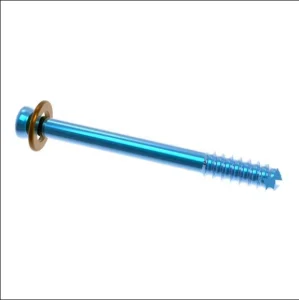
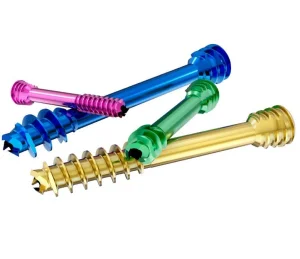
Singapore Acute Surgical Cannulated Bone Screws
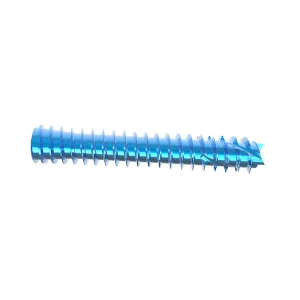
Self-drilling, self-tapping titanium alloy (Ti-6Al-4V ELI) cannulated bone screws optimized for percutaneous fracture fixation and geriatric femoral neck stabilization.
Dual-pitch differential threading generates sustained interfragmentary compression without head protrusion, ideal for scaphoid and intra-articular osteochondral fractures.
Trauma Implants in Singapore: The Intersection of Regulatory Stringency, Aging Demographics & Supply Chain Resilience
1. Singapore Healthcare Infrastructure: The Restructured Cluster Model
Singapore's healthcare delivery framework represents one of the most sophisticated, clinically rigorous, and economically structured environments in the Asia-Pacific region. Public healthcare operates across three integrated restructured clusters: SingHealth (anchored by Singapore General Hospital and Sengkang General Hospital), National University Health System (NUHS) (anchored by National University Hospital and Ng Teng Fong General Hospital), and National Healthcare Group (NHG) (anchored by Tan Tock Seng Hospital and Khoo Teck Puat Hospital). Alongside these tertiary public powerhouses exists a world-renowned private healthcare tier represented by Parkway Pantai (Mount Elizabeth Orchard, Mount Elizabeth Novena, Gleneagles) and Raffles Medical Group.
For trauma implant exporters, supplying Singapore requires not merely competitive manufacturing costs, but complete adherence to the Health Sciences Authority (HSA) regulatory standards under the Medical Devices Branch (MDB). Orthopedic implants—categorized as Class C (moderate-high risk) and Class D (high risk)—must comply with the GN-15 Guidance on Medical Device Product Registration, demonstrating comprehensive Common Submission Dossier Template (CSDT) submissions, valid ISO 13485:2016 certifications, comprehensive biocompatibility reports (ISO 10993 series), and validated sterilization assurance dossiers (ISO 11137 for radiation or ISO 11135 for EtO).
Strategic Procurement Reality: Singapore's acute trauma units demand exceptional supply chain agility. Under ALPS (Agency for Logistics, Procurement and Supplies), hospital clusters seek consignment inventory architectures, rapid surgical set turnaround (<4 hours from emergency admission), and absolute lot-level traceability to mitigate operating theater downtime during poly-trauma emergencies.
2. Epidemiological Shifts: Geriatric Fragility Fractures vs. High-Energy Trauma
Singapore officially crossed into "super-aged" demographic status, with more than 21% of citizens aged 65 and older by 2026. This demographic velocity has dramatically transformed local orthopedic caseloads. In tertiary trauma centers, conventional high-energy vehicular trauma is now outnumbered by low-energy fragility fractures secondary to osteoporotic bone loss. Hip fractures—notably intertrochanteric and femoral neck fractures—represent the single largest trauma burden on Singapore hospital bed-days, costing the healthcare system tens of millions annually.
This shift requires specialized trauma hardware:
Variable-Angle Locking Compression Plates (VA-LCP): Enabling surgeons to steer screws around osteoporotic voids and anchor securely into dense subchondral bone.
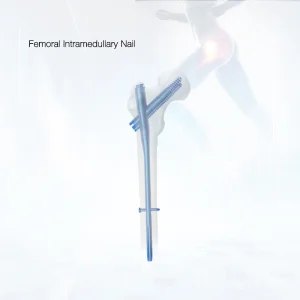
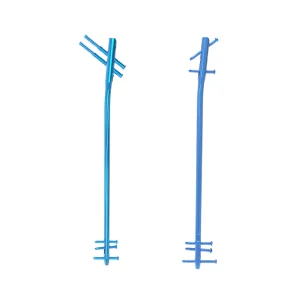
Cephalomedullary Nails with Anti-Rotation & Dynamic Compression: Such as the MASFIN and InterZan-type nails that minimize the catastrophic risk of secondary cut-out in severely cancellous trochanteric bone.
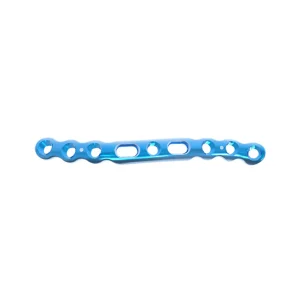
Low-Profile Periarticular Anatomical Fixation: Thin-profile distal radius, proximal humerus, and distal tibia plates tailored to Asian skeletal morphology, minimizing iatrogenic soft-tissue tension and flexor/extensor tendon ruptures.
21.4%
Population 65+ in SG by 2026
<48h
National Hip Fracture Surgery Window
Class C/D
HSA Implant Regulatory Tier
100%
Mill-Certified Medical Titanium
Global Engineering Frontiers
Biomechanical Materials Science & Global Manufacturing Evolution
Analyzing advanced metallurgy, fatigue mechanics, and anatomical contouring paradigms bridging global manufacturing with Singapore surgical precision.
Ti-6Al-4V ELI (Grade 23) Metallurgy
Global trauma manufacturing has transitioned decisively away from 316L stainless steel toward Extra Low Interstitial (ELI) titanium alloy. With a modulus of elasticity (~110 GPa) significantly closer to cortical bone (~18-20 GPa) than stainless steel (~200 GPa), our implants drastically reduce stress-shielding, prevent premature bone resorption, and exhibit fatigue limits exceeding 10 million cycles under ASTM F382 cyclic 4-point bending protocols.
Type II Anodization & Surface Integrity
Implant-associated infection (IAI) and cold-welding between screw heads and plate locking holes present grave risks in prolonged internal fixation. By applying electrochemical Type II hard anodization, our plates achieve superior surface hardness, reduced friction coefficients, and elimination of fretting corrosion, while resisting bacterial adhesion from biofilm-forming pathogens such as Staphylococcus epidermidis.
Anatomical Matching for Asian Populations
Traditional Western trauma plates were designed around Caucasian skeletal geometry, frequently exhibiting mismatched radii of curvature when applied to Asian patients—resulting in plate overhang and soft-tissue irritation. ZATH implants incorporate morphological CT dataset modeling from Asian anthropometric cohorts, providing pre-contoured plates that seat flush on bone surfaces without excessive intraoperative contouring.
Implant System Parameter
ZATH Singapore-Ready Specifications
International Standard Benchmark
Clinical Performance Advantage
Raw Material Purity
Ti-6Al-4V ELI (ASTM F136 / ISO 5832-3)
ASTM F136 / ISO 5832-3
Ultra-low interstitial elements (O <0.13%, Fe <0.25%), superior elongation & fracture toughness.
Intramedullary Nail Fatigue
Dynamic loading >5 million cycles without failure
ASTM F1264
Eliminates nail breakages through proximal locking holes in non-union cases.
Screw Pull-out Strength
Differential thread pitch, buttress root
ASTM F543-17
Up to 34% higher axial holding power in poor-quality osteopenic cancellous bone.
Sterility Assurance Level (SAL)
10-6 (Double-barrier sterile packaging)
ISO 11137 / ISO 11607
Immediate OR deployment; cuts pre-op re-sterilization labor and zero hospital autoclave delays.
Surface Roughness (Ra)
Ra ≤ 0.4 μm (low profile polished edges)
ISO 4287
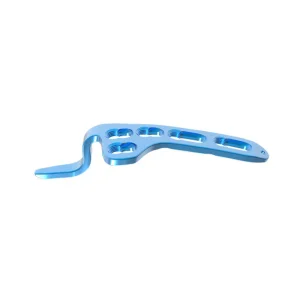
Prevents extensor tendon attrition in distal radius and clavicle hook plate applications.
Scenario A: 48-Hour Geriatric Hip Fracture Pathway (Acute Restructured Hospitals)
Singapore's Ministry of Health (MOH) clinical quality benchmark incentivizes surgical intervention for elderly hip fractures within 48 hours of emergency admission. In high-volume institutions like Tan Tock Seng Hospital (TTSH) or Changi General Hospital (CGH), surgeons face fragile, comminuted intertrochanteric fractures in octogenarian patients with multiple comorbidities.
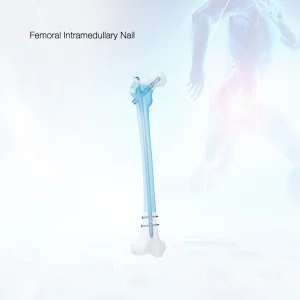
Application: The MASFIN and InterZan Femoral Interlocking Nailing Systems are designed precisely for this urgent pathway. Through a minimal trochanteric entry portal, the nail can be introduced with guided radiolucent aiming jigs without broad open exposure. Dual compression integrated screws achieve rapid primary stability, permitting early weight-bearing and reducing pulmonary complications, deep vein thrombosis (DVT), and bedsores.
Private day-surgery centers across Camden Medical Centre, Novena Specialist Center, and Mount Elizabeth Medical Centre specialize in elective and semi-urgent small-bone and sports reconstruction. Patients demand rapid return to high-level desk and executive work with minimal cosmetic scarring and zero secondary hardware-removal surgeries.
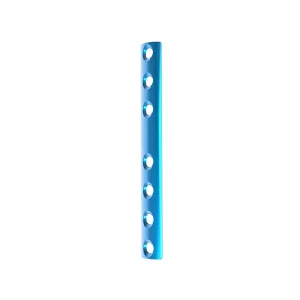
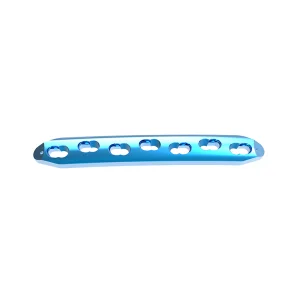
Application: 1/3 Tubular Plates and Headless Titanium Cannulated Compression Screws facilitate scaphoid non-union reconstruction, Jones fracture fixations, and metatarsal osteotomies. Subchondral burying of screw heads prevents tendon friction, allowing surgeons to discharge patients on the same day without fear of secondary soft-tissue impingement.
Strategic technological trajectories shaping orthopedics through 2030 and our end-to-end export integration models for Singapore medical distributors.
3D Porous Titanium Trabecular Fixation
Moving beyond conventional subtractive CNC milling, electron beam melting (EBM) and selective laser melting (SLM) enable 3D-printed titanium implants featuring controlled interconnecting pore sizes (300-600 μm) mimicking cancellous bone architecture. This encourages rapid osseointegration and vascular ingrowth, critical for massive bone loss and oncology reconstructive trauma cases.
Smart Fixation & Bioresorbable Composites
The convergence of bioresorbable magnesium alloys (Mg-Zn-Ca) and telemetry sensors represents the next decade of fracture care. Biodegradable screws eliminate secondary implant removal surgeries in pediatric and foot/ankle trauma, while micro-strain gauge sensors embedded into intramedullary nails broadcast real-time bone healing kinetics directly to clinical monitoring dashboards.
Singapore Regional Distribution Hub (3PL)
Leveraging Singapore's Changi Airport logistics corridor, ZATH functions as a master supply center for Southeast Asia. Operating under a bonded warehouse model, local distributors can maintain safety stock buffers, access fast customs clearance through Singapore Customs TradeNet, and dispatch replenishments into Malaysia, Indonesia, and Vietnam within 24 to 48 hours.
HSA Dossier Support for Importers: ZATH provides Singapore medical device distributors with turnkey registration dossiers compliant with HSA GN-15. Our regulatory engineering team supplies complete design dossiers, risk management files (ISO 14971:2019), clinical evaluation reports (CER), and biocompatibility validations to accelerate your Singapore Class C/D device listing process.
Procurement & Technical Q&A
Frequently Asked Questions for Singapore Hospital & Distribution Buyers
Essential guidance on regulatory clearances, sterilization verification, biomechanical testing, and OEM/custom manufacturing.
What regulatory documentation does ZATH provide for Singapore HSA Class C and Class D medical device registrations?
For registration with the Health Sciences Authority (HSA) under GN-15 / CSDT requirements, ZATH delivers a comprehensive technical packet: ISO 13485:2016 certification issued by an accredited notified body, full biocompatibility test reports according to ISO 10993 (cytotoxicity, sensitization, irritation, systemic toxicity, and genotoxicity), sterilization validation reports (ISO 11137 / ISO 11135), full mechanical bench fatigue test data (ASTM F382 for bone plates, ASTM F1264 for intramedullary nails, ASTM F543 for bone screws), risk analysis reports conforming to ISO 14971:2019, and English-language Instructions for Use (IFU) and clinical evaluation dossiers.
How do ZATH titanium implants prevent cold-welding and screw galling during plate removal?
Titanium-on-titanium galling or cold-welding is a well-known risk when titanium screws are locked into titanium plates at excessive torque. ZATH implants utilize electrochemical Type II hard anodization surface treatment. This dense oxide layer dramatically increases surface micro-hardness, eliminates surface friction micro-welding, and ensures smooth, non-destructive screw extraction even after long-term fracture healing and bone consolidation.
What is the typical shipping transit time and supply chain turnaround for Singapore hospital consignments?
Stock items ship via express air cargo (DHL, FedEx, UPS, or direct air freight) with door-to-door transit to Singapore within 4 to 6 business days. For established distribution partners holding local hospital consignment contracts, we support scheduled rolling replenishment orders, emergency backup stocks, and dedicated factory lot reservation to ensure 100% fulfillments during seasonal trauma spikes.
Can ZATH manufacture customized or OEM/ODM trauma systems tailored to Singapore private group specifications?
Yes. With in-house multi-axis CNC Swiss machining centers, precision wire EDM, laser marking, cleanroom sterile blister packaging, and an experienced orthopedic engineering team, ZATH provides complete OEM and ODM services. We can customize screw pitch configurations, plate contours, laser-etched distributor branding, custom anodization coloring schemes, and tailored surgical instrument tray layouts to meet your exact market needs.
Are implants supplied sterile-packed or non-sterile for hospital Central Sterile Services Departments (CSSD)?
We offer both modalities. To assist Singapore hospital clusters in reducing CSSD washing and autoclaving workloads while ensuring zero cross-contamination, our primary recommendation is our 10-6 Sterility Assurance Level (SAL) sterile pre-packaged portfolio. Each unit is sealed in double-barrier Tyvek blister packs with thermal temperature indicators and 5-year validated shelf-life labeling. Alternatively, non-sterile implants packaged for automated hospital autoclave wash-racks can also be provided upon contractual request.
How do the mechanical properties of your Ti-6Al-4V ELI screws compare with European and US multinational brands?
ZATH sources medical-grade titanium strictly conforming to ASTM F136 and ISO 5832-3 from accredited global suppliers, with material mill test certificates (MTC) accompanying every batch. Independent cyclic fatigue, torsion, and axial pull-out testing under ASTM F543 and ASTM F382 demonstrates yield strength and torsional shear parameters that meet or exceed comparable European and American market-leading brands, offering Singapore healthcare systems exceptional clinical outcomes at favorable procurement pricing.
Singapore Expert Tibia Intramedullary Nailing System
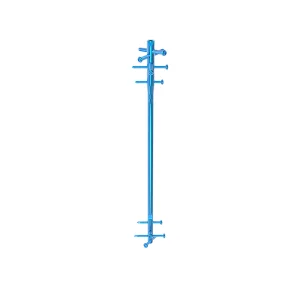
Multi-planar proximal and distal locking options offering maximum angular stability for extremely proximal, midshaft, and distal metaphyseal tibial fractures.
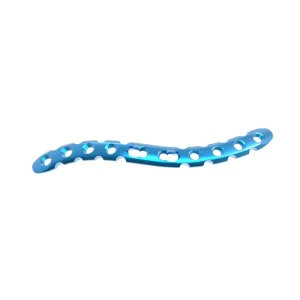
Long curved anatomically contoured plate engineered for submuscular MIPO application in polytrauma femoral shaft comminutions and periprosthetic fractures.
Partner with an ISO 13485 Certified Trauma Exporter for Singapore
Gain immediate access to full technical dossiers, HSA CSDT documentation support, competitive factory-direct pricing, and sterile-packaged implants engineered for superior clinical outcomes.