
Precision Cannulated Fixation & Femoral Osteosynthesis Systems
High-performance titanium cannulated bone screws and femoral reconstructive nails tailored for emergency trauma and geriatric fragility fracture protocols in the Russian market.
-
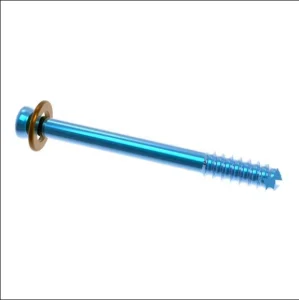
Surgical Orthopedic Titanium Cannulated Bone Screws (Russian Trauma Line)
-
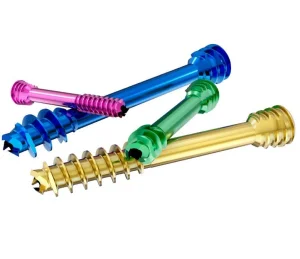
Double-Threaded Cannulated Compression Screws for Federal Clinics
-
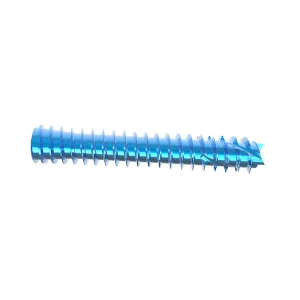
Headless Acutrak-Type Titanium Cannulated Screws for Extremity Trauma
-
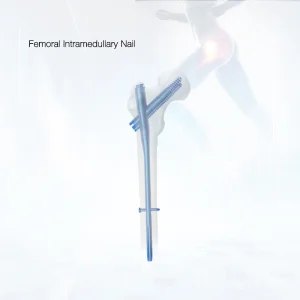
InterZan Titanium Femoral Interlocking Nail for Russian Polytrauma Centers
The Clinical & Industrial Reality of Trauma Surgery in the Russian Federation
The orthopedic trauma sector in the Russian Federation is undergoing a structural paradigm shift. Historically dependent on Western European and North American med-tech multinationals for Class IIb and Class III osteosynthesis devices, Russian federal medical institutions, regional clinical hospitals, and municipal emergency departments are rapidly reorganizing their procurement corridors. Under the regulatory auspices of Roszdravnadzor (Federal Service for Surveillance in Healthcare), the healthcare landscape has prioritized long-term supply chain security, economic sustainability, and the swift adoption of equivalent medical devices meeting international standard ISO 13485 alongside national GOST-R parameters.
Geodemographically, Russia represents one of the world's most demanding environments for orthopedic trauma devices. The incidence of high-energy skeletal trauma resulting from industrial activity in heavy manufacturing centers (such as the Urals, Chelyabinsk, and Kuzbass regions), extreme sub-zero weather conditions that spike geriatric fall-induced hip fractures in northwestern territories, and transport-related polytrauma across extensive highway corridors necessitates osteosynthesis implants that exhibit extraordinary mechanical resilience, rapid consolidation capabilities, and versatile instrumentation.
In response to state initiatives encouraging healthcare localization and uninterrupted patient care, regional distributors in Moscow, Saint Petersburg, Novosibirsk, and Yekaterinburg are turning to trusted Asian manufacturing hubs. These manufacturing facilities combine 5-axis precision CNC machining, certified cleanroom gamma/EO sterilization, and rigorous metallurgical controls with full technical dossiers (Technical Files according to STED formats) to expedite local registration.
Epidemiological Vectors and Clinical Pressures in the Russian Market
The clinical demand within Russian traumatology is characterized by several distinct patterns:
- Peritrochanteric & Subtrochanteric Fractures in an Aging Demographic: Increased longevity across central federal districts has elevated osteoporotic fragility fractures. Cephalomedullary nailing systems—specifically InterZan and MASFIN-style intramedullary nails—are critical to enabling immediate weight-bearing and reducing complications associated with prolonged immobilization.
- Complex Diaphyseal and Articular Long-Bone Non-Unions: Severe winters and industrial workloads frequently result in comminuted diaphyseal tibial and femoral fractures. Dynamic locking compression plates (LCP) and anatomical reconstruction plates must endure excessive torsional loads without hardware failure.
- High-Frequency Clavicular and Periarticular Upper-Limb Trauma: Sports, seasonal ice-related accidents, and motor vehicle trauma present high volumes of acromioclavicular disruptions and midshaft clavicle fractures, making pre-contoured anatomical clavicle hook and S-shape locking plates indispensable in municipal Level-1 trauma rooms.
Medical-Grade Metallurgy
Utilizing certified medical-grade Titanium Grade 5 ELI (ASTM F136 / ISO 5832-3) ensuring high biocompatibility, modulus of elasticity closer to human cortical bone, and zero sub-zero thermal degradation.
Standardized STED Documentation
Complete toxicological, biomechanical, and biocompatibility documentation (ISO 10993 compliant) prepared specifically to streamline Roszdravnadzor registration dossier submissions for our Russian partners.
Universal Orthopedic Toolkits
Every trauma implant platform is accompanied by ergonomically engineered surgical instrument sets designed for quick intraoperative reconfiguration and compatibility with Russian autoclave cycles.
Global Orthopedic Innovations & Localized Clinical Integration
Worldwide, the orthopedic trauma landscape is evolving past simple rigid mechanical splinting toward biological fixation strategies that preserve periosteal vascularity, minimize operative soft-tissue trauma, and actively promote osteogenesis. In the Russian Federation, where vast geographical distances often require decentralized post-operative follow-up, the stability of initial fixation is critical.
1. Biological Fixation & Minimally Invasive Plate Osteosynthesis (MIPO)
Traditional open reduction with extensive periosteal stripping has been supplanted by MIPO techniques. Anatomically pre-shaped locking plates, such as curved femoral shaft plates and anteromedial clavicle plates, act as internal fixators. By locking screws directly into the plate threaded holes rather than relying on plate-to-bone friction, periosteal perfusion remains unimpeded, reducing pseudoarthrosis and delayed union in cold climates where vascular contraction is elevated.
2. Biomechanical Load-Sharing Cephalomedullary Constructs
In trochanteric and subtrochanteric fractures, intramedullary nails provide a biomechanically superior load-sharing advantage compared to lateral extramedullary devices like the dynamic hip screw (DHS). Intramedullary implants reduce the bending moment arm by 30–40%, permitting earlier post-operative ambulation. MASFIN and InterZan-type locking nails utilize integrated telescoping lag screws and anti-rotation mechanisms that eliminate the "Z-effect" cut-out phenomenon commonly encountered in fragile osteoporotic bone.
Biomechanical Matrix: Trauma Implant Performance Standards
| Implant Platform | Material Specification | Primary Biomechanical Advantage | Clinical Indication (Russia) | Standard Compliance |
|---|---|---|---|---|
| Cannulated Bone Screws | Ti-6Al-4V ELI (ASTM F136) | Controlled interfragmentary dynamic compression | Femoral neck, malleolar, and scaphoid fractures | ISO 5832-3 / GOST-R ISO |
| MASFIN / InterZan IM Nails | High-Fatigue Titanium Alloy | Reduced lever arm, anti-rotation lag stabilization | Subtrochanteric & complex femoral shaft fractures | ASTM F384 / ISO 14602 |
| Expert Tibial IM Nails | Anodized Titanium Alloy | Multi-planar distal & proximal locking options | Extreme distal/proximal tibial shaft trauma | ASTM F1264 |
| Anatomical Clavicle LCP | Cold-Worked Pure Ti / Ti-Alloy | Pre-contoured fit; low-profile to reduce impingement | Middle/distal third clavicle fractures | ISO 14602 / CE / ISO 13485 |
| Curved Femoral Shaft Plates | Grade 5 ELI Medical Titanium | Anatomical radius compensation, high pull-out torque | Periprosthetic & comminuted femoral fractures | ASTM F136 / ASTM F382 |
3. Low-Temperature Material Performance in Northern Clinical Environments
Surgeons practicing in the Siberian and Far Eastern Federal Districts frequently evaluate how extreme cold impacts orthopedic implants during logistical storage and transit. Implants manufactured from Grade 5 ELI Titanium demonstrate exceptional fracture toughness and ductile-to-brittle transition thresholds far superior to commercial steels, ensuring that sterile packaging maintained in regional warehouses at sub-zero temperatures retains mechanical properties upon intraoperative implantation.
Technology Roadmap & Supply Chain Resilience (2025–2035)
Sustaining continuous clinical capabilities across Russian hospitals requires a multi-stage technological and logistical roadmap that bridges advanced industrial manufacturing with specialized distribution requirements.
Transitioning 100% of trauma supplies into individual pre-sterilized, double-blister Tyvek packaging. This eliminates hospital autoclave bottlenecks, ensures sterile integrity across thousands of kilometers of overland transit, and provides barcoded traceability for Russian regional hospital networks.
Integrating additive manufacturing for trauma revision implants and complex periprosthetic stabilization. Electron Beam Melting creates highly porous titanium surfaces (pore size 400–600 μm) that mimic trabecular architecture, accelerating bone in-growth for difficult non-unions and bone defect scenarios.
Developing magnesium-alloy osteosynthetic screws for hand and foot trauma that naturally resorb over 18 to 24 months, removing the requirement for secondary implant extraction surgeries. Deploying antimicrobial silver/hydroxyapatite composite coatings to combat hospital-acquired periprosthetic infections.
Macro-Industry OEM/ODM Solutions for Russian Distributors
For medical supply firms operating in Moscow, Kazan, Vladivostok, and other administrative centers, our direct manufacturing partnerships offer end-to-end supply chain control:
- Custom Labeling & Cyrillic Packaging: Full compliance with Roszdravnadzor secondary packaging mandates, providing Russian instruction leaflets, serialized GTIN barcodes, and localized tamper-evident seals.
- Direct Rail & Air Logistics Corridors: Efficient trans-Eurasian rail freight via the Manzhouli–Zabaikalsk and Erenhot corridors alongside dedicated air cargo to Moscow Sheremetyevo (SVO), achieving door-to-door transit times within 7 to 14 days.
- Tailored Dimension Customization: Adjusting plate contours and intramedullary nail radii to match anthropological morphological databases specific to Eastern European populations.
Partner with an Accountable Trauma Device Manufacturer
Empower your regional hospital tenders and surgical distribution networks with ISO 13485 certified, cost-effective, and clinically proven osteosynthesis solutions.
Send Inquiry NowIntramedullary Nails & Anatomical Locking Compression Plates
Extensive trauma catalog encompassing tibial and femoral intramedullary fixation, small-fragment tubular plates, and anatomically profiled clavicle and femoral shaft locking constructs.
-
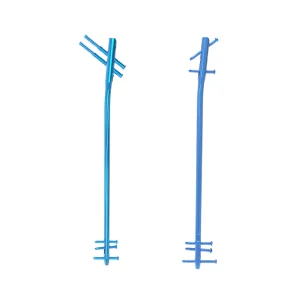
MASFIN Titanium Femur Intramedullary Nail Implant for Russian Clinics
-
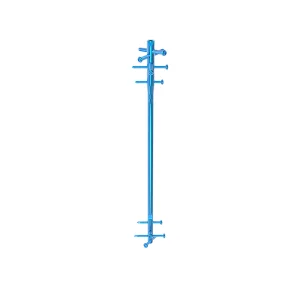
CE-Certified Expert Tibial Intramedullary Nail for Regional Trauma Centers
-
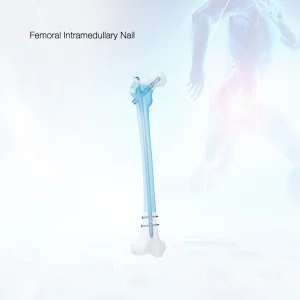
Titanium ZAFIN Universal Intramedullary Nail for Hospital Tenders
-
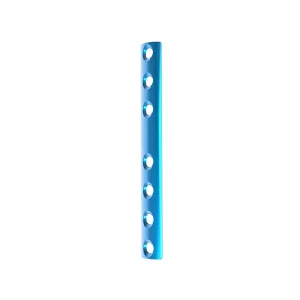
1/3 Tubular Locking Plate for Metacarpal & Metatarsal Fractures
-
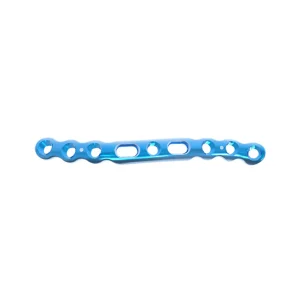
Anteromedial Clavicle Locking Compression Plate (LCP System)
-
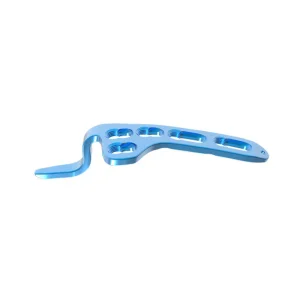
Clavicle Hook Locking Compression Plate for Acromioclavicular Disruption
-
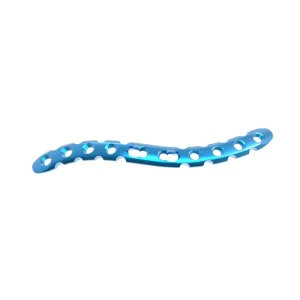
Clavicle Reconstruction Locking Compression Plate for Complex Non-Unions
-
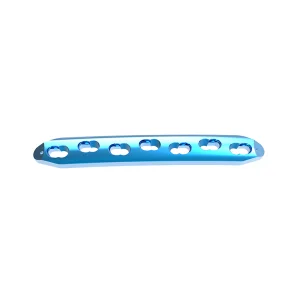
Curved Femoral Shaft Locking Compression Plate for Russian Federal Centers
Frequently Asked Questions for Russian Medical Importers & Surgeons
Key regulatory, metallurgical, and operational insights for healthcare institutions, authorized distributors, and hospital procurement departments.
What regulatory support is provided for Roszdravnadzor registration in Russia?
We provide comprehensive registration dossiers conforming strictly to Eurasian Economic Union (EAEU) and Roszdravnadzor requirements. This includes full ISO 13485 design dossiers, biocompatibility reports conducted according to ISO 10993 series, mechanical bench testing verification (ASTM F382 for bone plates, ASTM F1264 for intramedullary nails, ASTM F543 for bone screws), risk management files (ISO 14971), and sterilization validation dossiers. All technical files can be notarized, apostilled, and translated into Russian to expedite approval timelines.
How do your titanium implants perform in sub-zero and Arctic climate conditions?
Our implants are fabricated exclusively from medical Grade 5 ELI (Extra Low Interstitial) Titanium Alloy (Ti-6Al-4V ELI conforming to ASTM F136 and ISO 5832-3). ELI grades have reduced interstitial elements (oxygen, nitrogen, and carbon), providing superior low-temperature impact toughness and ductility. Unlike standard stainless steels that can experience cold embrittlement during arctic transit, our implants maintain structural and mechanical integrity even during severe winter logistics across Siberia and the Far North.
Are instruments and trauma plates cross-compatible with existing Russian hospital trays?
Yes. All screw heads and plate holes utilize international AO/ASIF standard geometries (such as Torx/Star-drive and standard hex recesses). Our cannulated screws, locking compression plates, and intramedullary nails are designed to interface seamlessly with standard AO-coupling screwdrivers and drills. In addition, we supply complete, standalone surgical instrument sets crafted from German 1.4116 surgical stainless steel that withstand repeated 134°C vacuum autoclave sterilization cycles typical in Russian central sterile processing departments (TsSO).
What are the lead times and logistical corridors used for shipments to the Russian Federation?
We operate dedicated freight corridors to support reliable lead times. Express high-priority shipments (sterile inventory replenishment, emergency clinical restock) are routed via air freight through major hubs directly into Moscow (SVO/DME) within 5 to 7 business days. Bulk hospital tender orders are dispatched via multimodal rail containers (direct rail through Manzhouli/Zabaikalsk to Moscow Vorsino), offering predictable delivery windows of 14 to 21 days with customs clearance documentation prepared in advance.
Do you offer OEM/ODM customization and private label packaging for local distributors?
Yes, OEM and ODM collaboration forms a core part of our manufacturing partnerships. We offer laser marking of distributor brands, customized color-anodization for size differentiation, tailored dimensional configurations (such as anatomical contours tailored to specific regional surgical preferences), and bespoke packaging options (cleanroom sterile packaging in double blister Tyvek or non-sterile bulk packaging with customized Cyrillic labeling).