ODM Orthopedic titanium knee joint replacement prosthesis Exporters, Service
Product Description
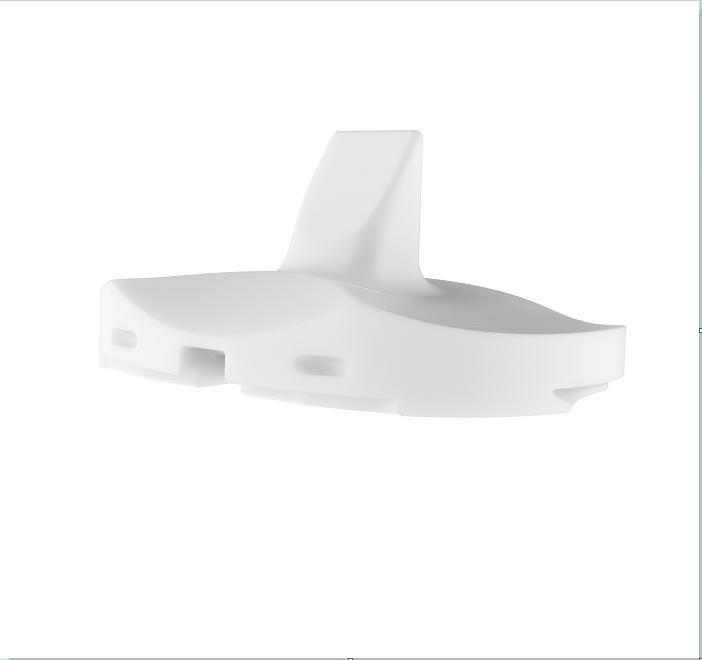
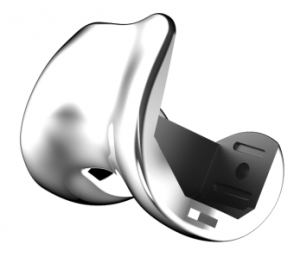
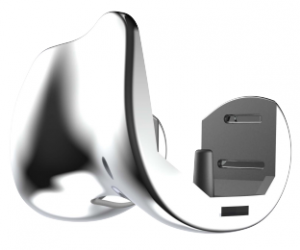
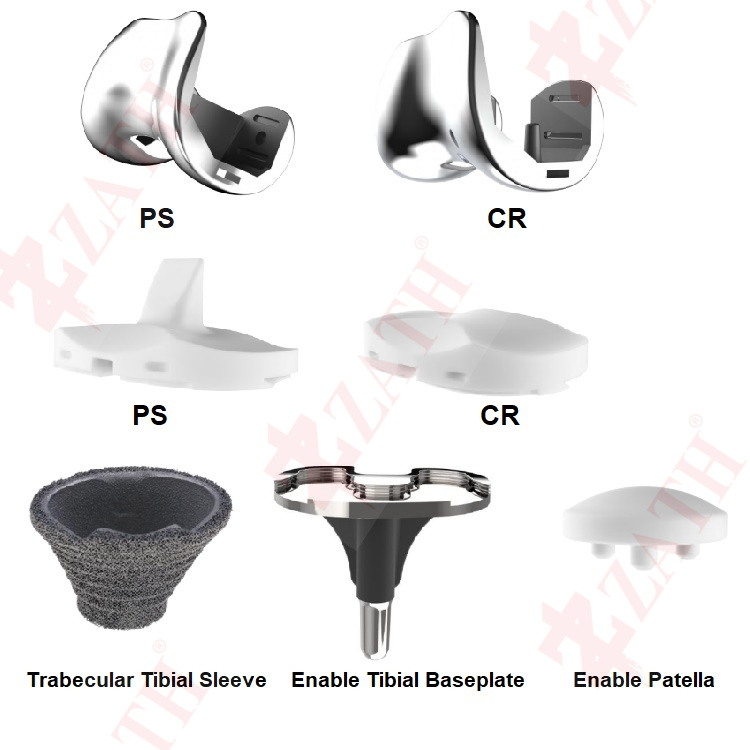
| Enable Femoral Component • PS | Enable Femoral Component • CR | Available Specifications |
|---|---|---|
|
PS Type
|
CR Type
|
2# Left |
| 3# Left | ||
| 4# Left | ||
| 5# Left | ||
| 6# Left | ||
| 7# Left | ||
| 2# Right | ||
| 3# Right | ||
| 4# Right | ||
| 5# Right | ||
| 6# Right | ||
| 7# Right | ||
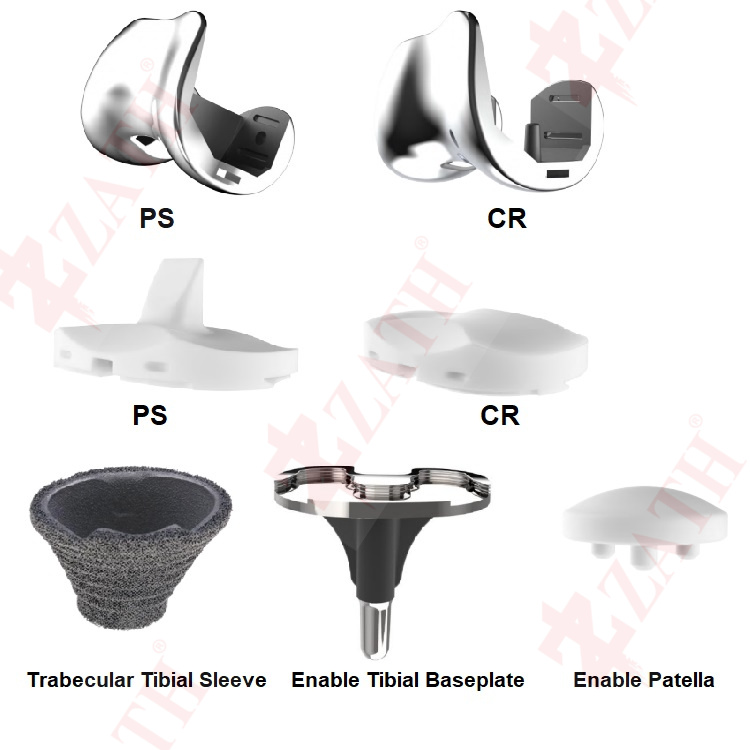
| Component Name | Specifications & Material | |
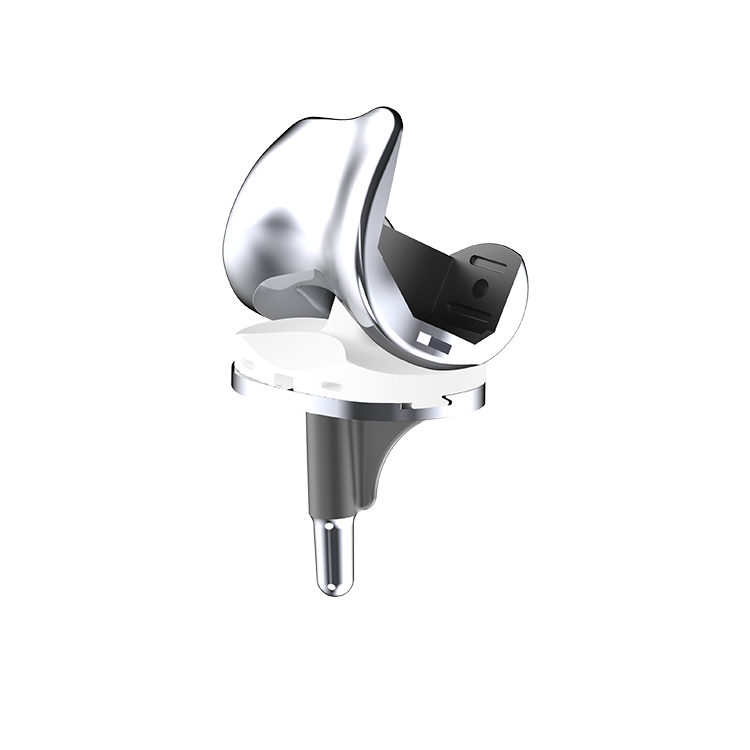
| Enable Femoral Component (Material: Co-Cr-Mo Alloy) | PS/CR | |
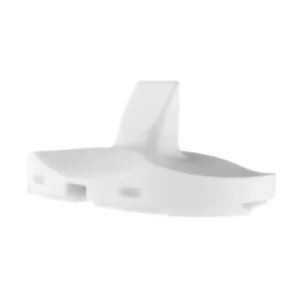
| Enable Tibial Insert (Material: UHMWPE) | PS/CR | |
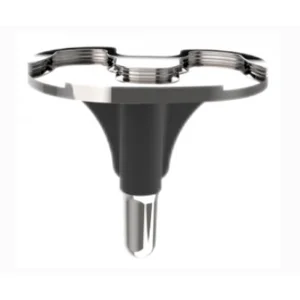
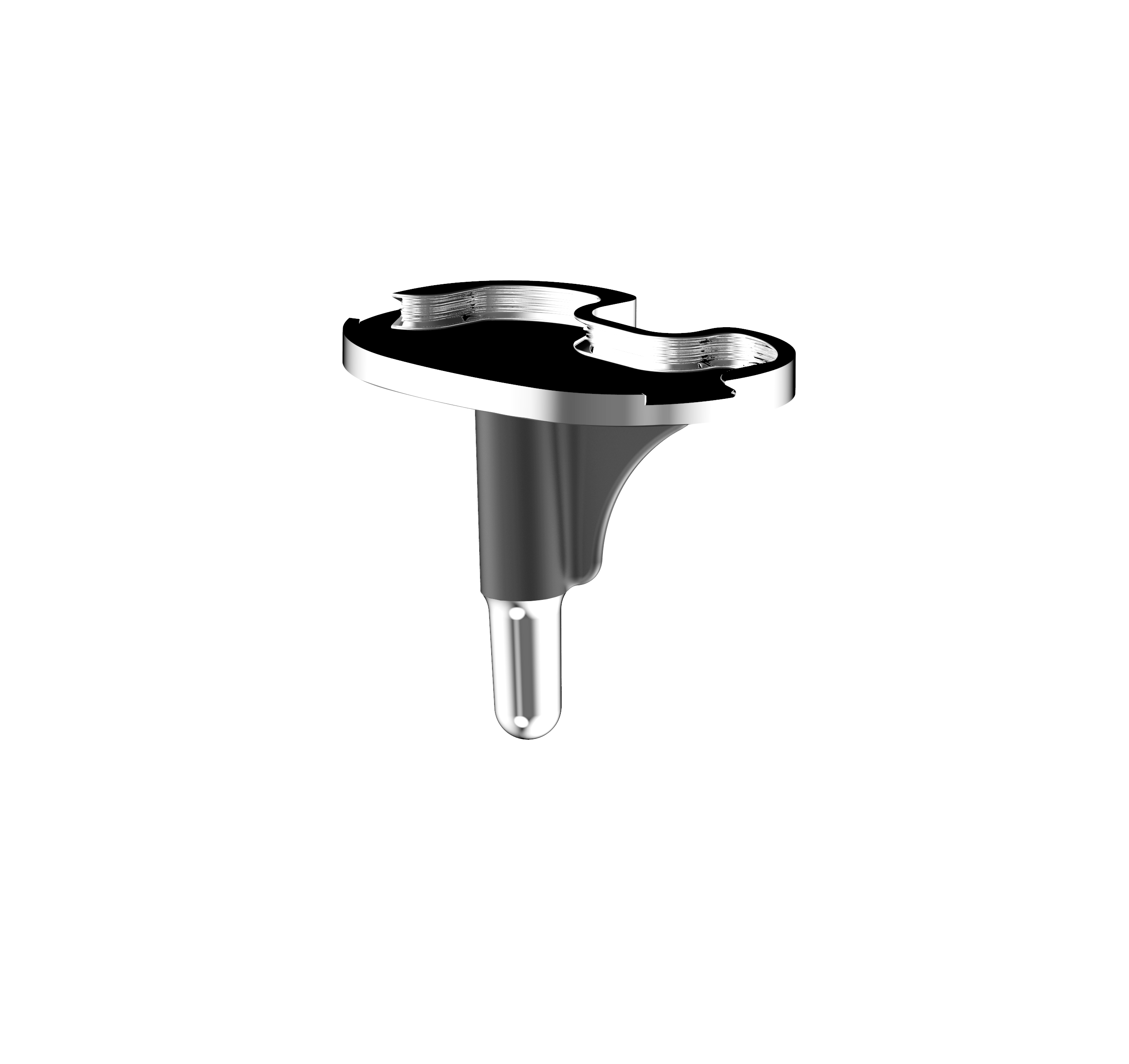
| Enable Tibial Base plate | Material: Titanium Alloy | |
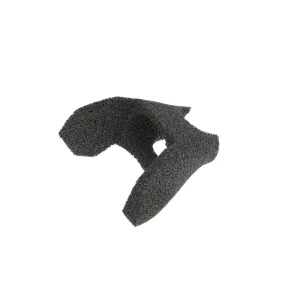
| Trabecular Tibial Sleeve | Material: Titanium Alloy | |
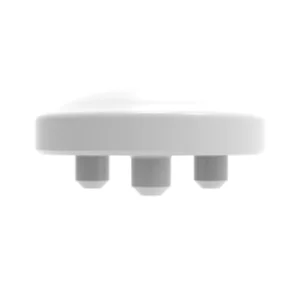
| Enable Patella | Material: UHMWPE | |
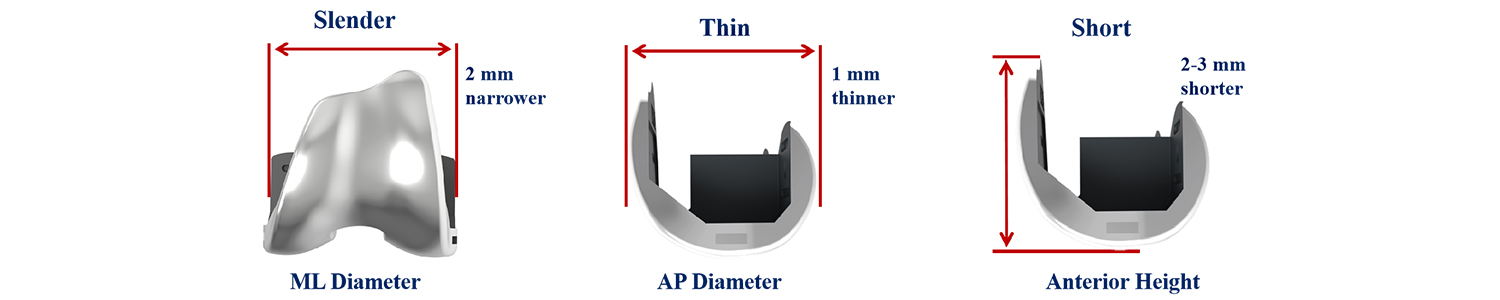
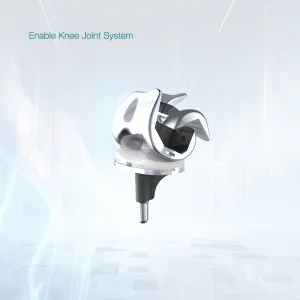
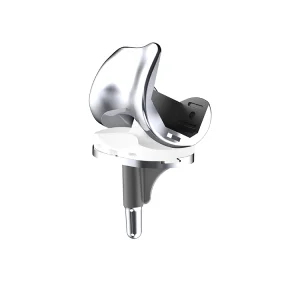
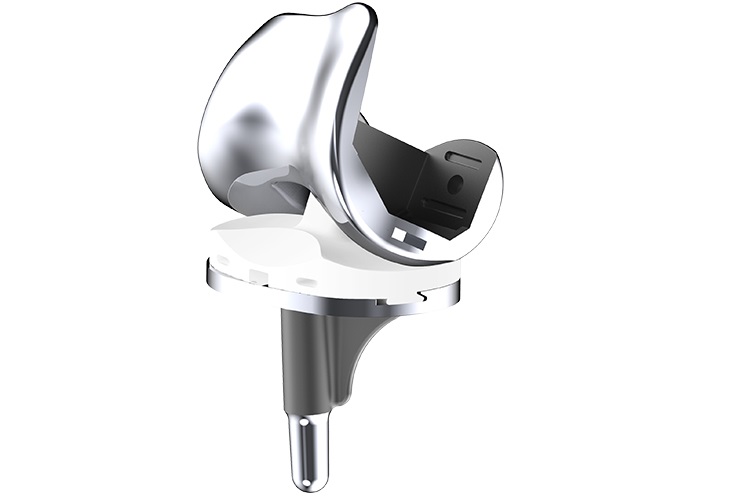
The multi-radius design provides freedom of flexion and rotation.

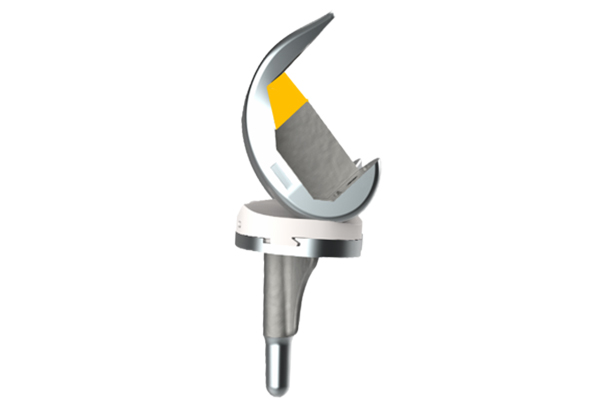
The design of decrescent radius of J curve femoral condyles can bear the contact area during high flexion and avoid insert excavating.
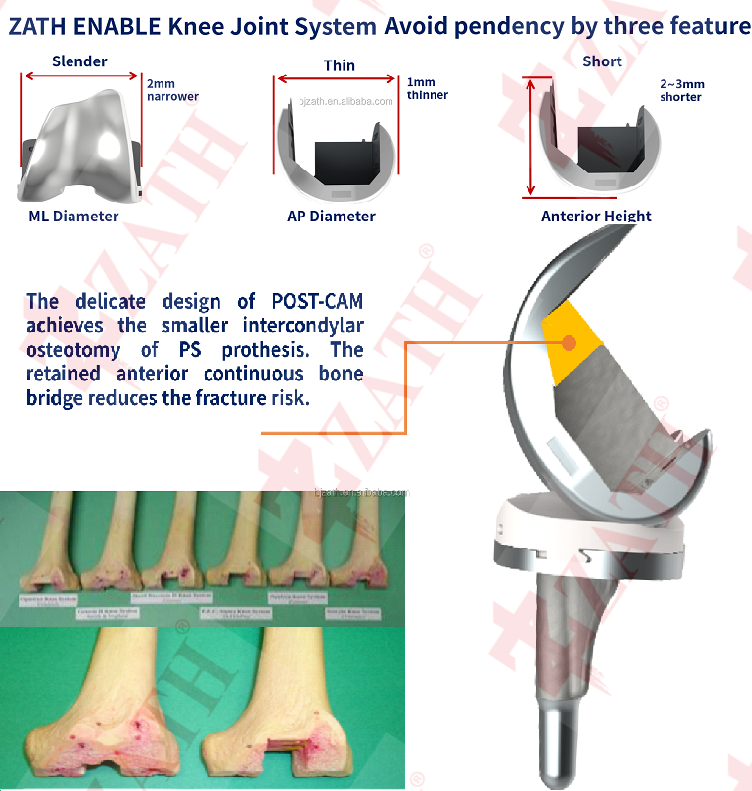
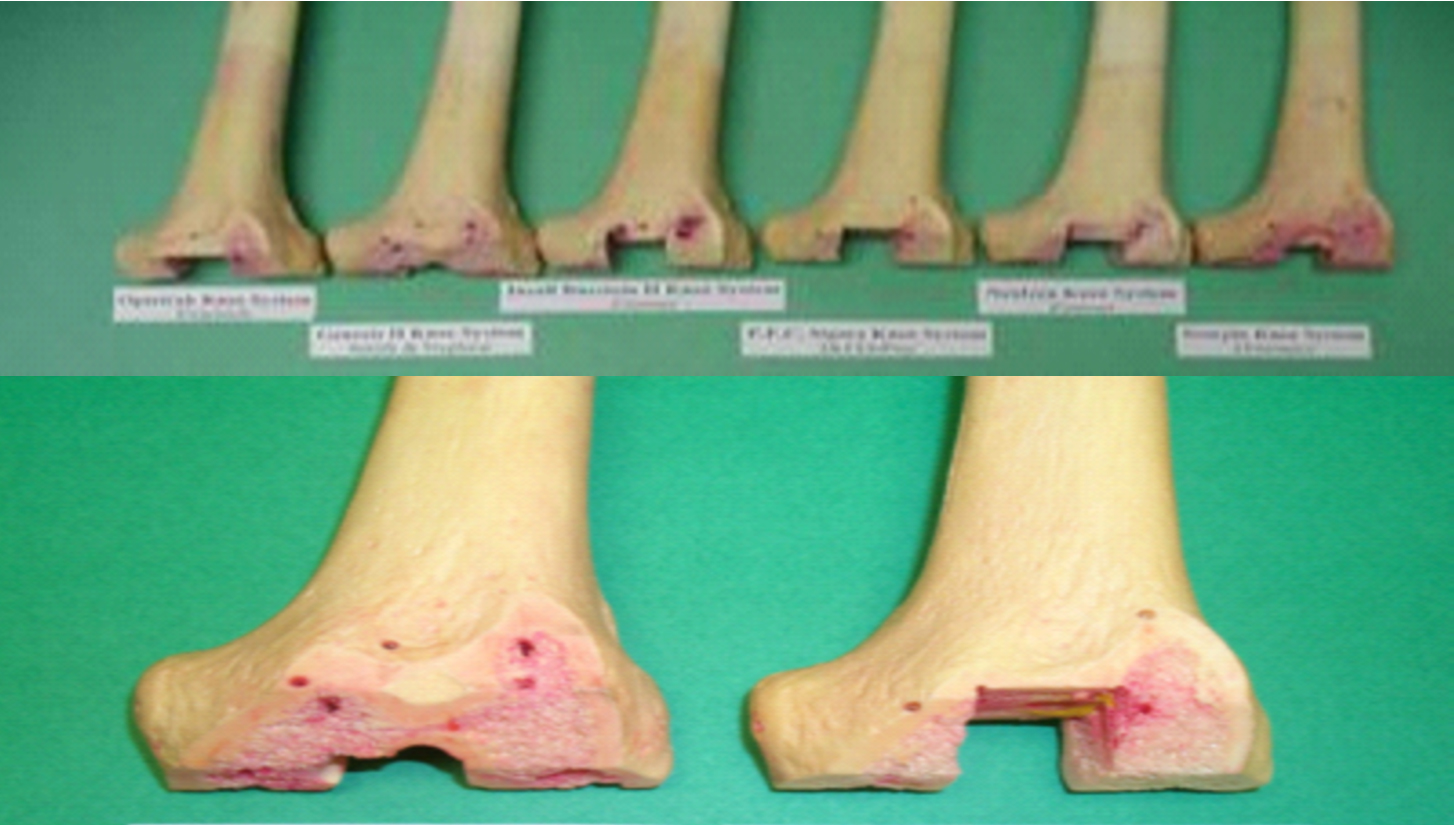
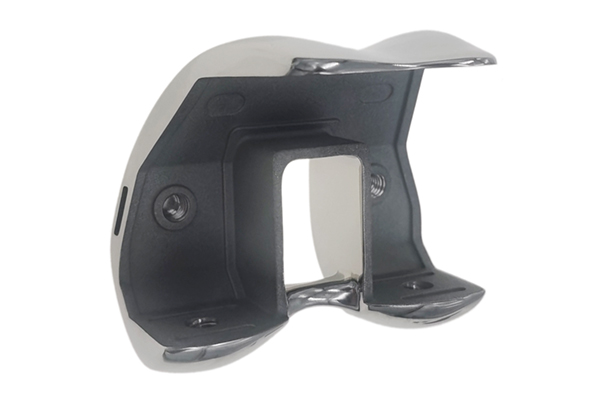
The delicate design of POST-CAM achieves the smaller intercondylar osteotomy of PS prosthesis. The retained anterior continuous bone bridge reduces the fracture risk.
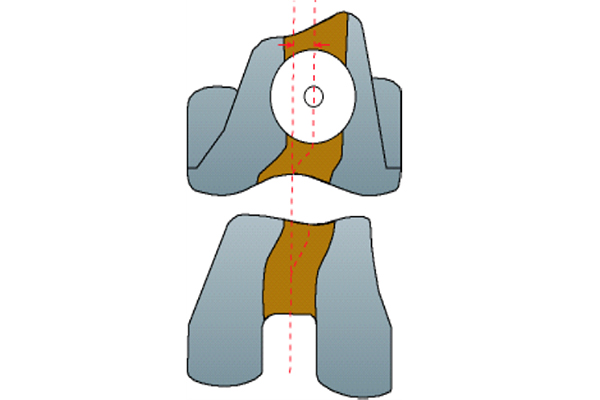
The normal patella trajectory is S shape.
- Prevent patella medial bias during high flexion, when the knee joint and patella bear the shear force most.
- Do not allow patella trajectory cross centre line.
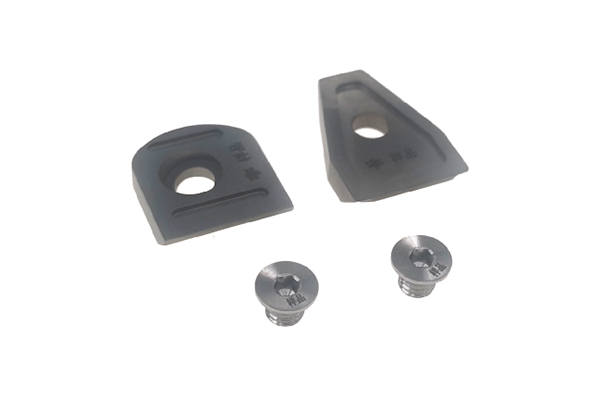
- 1. Matchable wedges
- 2. The highly polished intercondylar side wall avoids post abrasion.
- 3. The open intercondylar box avoids the abrasion of post top.
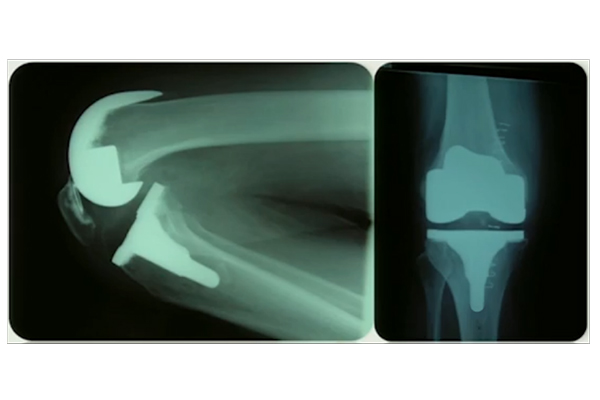
The knee is the largest joint in the human body. It connects your femur to your tibia. It helps you stand, move and keep your balance. Your knee also has cartilage, such as the meniscus, and ligaments, including the anterior cruciate ligament, the middle cruciate ligament, the anterior cruciate ligament, and the anterior cruciate ligament.
The most common reason for knee replacement surgery is to relieve pain caused by arthritis. People who need knee joint replacement surgery have trouble walking, climbing stairs and getting up from chairs. The goal of knee replacement prosthesis is to repair the surface of the damaged area of the knee and reduce knee pain that cannot be controlled by other treatments.
If only part of the knee is damaged, the surgeon can usually replace that part. This is called partial knee replacement. If the entire joint needs to be replaced, the end of the femur bone and tibia will need to be reshaped, and the entire joint will need to be surfacing. This is called total knee replacement (TKA). The femur bone and tibia are hard tubes with a soft center inside. The end of the artificial part is inserted into the softer central part of the bone.
- Rheumatoid arthritis
- Post-traumatic arthritis, osteoarthritis or degenerative arthritis
- Failed osteotomies or unicompartmental replacement or total knee replacement
The system combines advanced biomedical alloys and polymers: Cobalt-Chromium-Molybdenum (Co-Cr-Mo) Alloy for femoral components, biocompatible Titanium Alloy for the tibial base plate and trabecular sleeve, and Ultra-High-Molecular-Weight Polyethylene (UHMWPE) for the articulating tibial insert and patellar component.
PS (Posterior Stabilized) components incorporate a CAM-and-post mechanism designed to substitute for a resected posterior cruciate ligament, whereas CR (Cruciate Retaining) components preserve the patient's native posterior cruciate ligament. Both designs are provided in left and right specifications across sizes 2# through 7#.
Thanks to the multi-radius J-curve condyle and optimized decrescent radius geometry, the contact area is maintained during deep flexion to prevent insert excavation. Up to 155 degrees of flexion can be safely attained with appropriate surgical positioning and physical rehabilitation.
The anatomical S-shaped groove conforms to natural patellar tracking. It prevents patellar medial bias and prevents crossing the central midline during high flexion angles, directly counteracting peak shear forces and decreasing anterior knee pain.
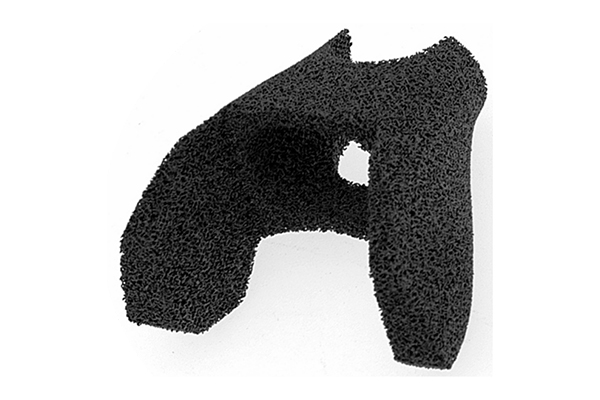
3D-printed porous metal cones offer structural augmentation to fill critical metaphyseal bone defects. The interconnected porous trabecular microstructure promotes rapid bone ingrowth and biological fixation, enhancing long-term implant anchorage in revision or challenging primary surgeries.
Candidates include patients suffering from advanced osteoarthritis, post-traumatic arthritis, or rheumatoid arthritis unresponsive to non-operative treatment, as well as revision candidates experiencing failure from previous osteotomies or unicompartmental knee arthroplasties.