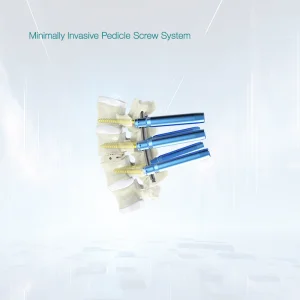
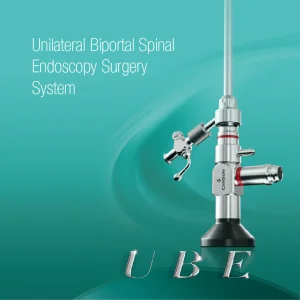
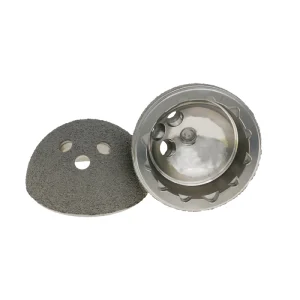
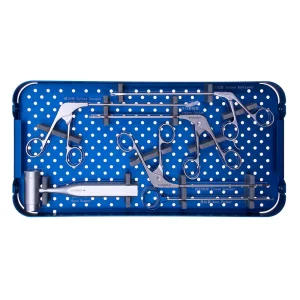
Featured Clinical Fixation Systems & Instruments
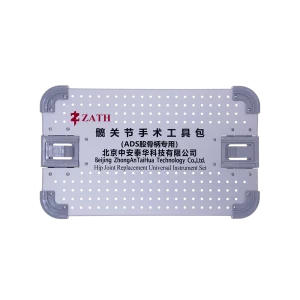
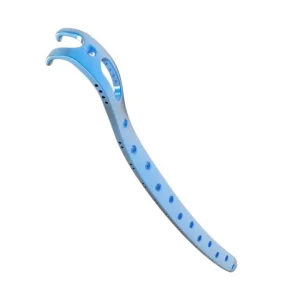
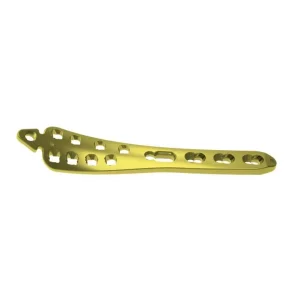
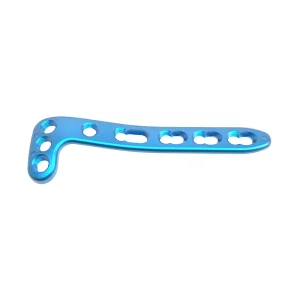
Pre-calibrated locking plates, joint prostheses, and complete operative kits verified for precision biomechanical integration.
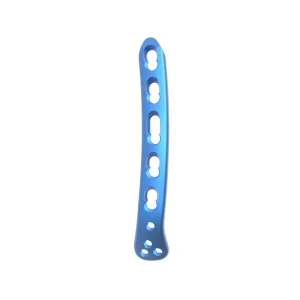

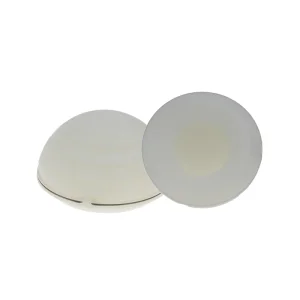
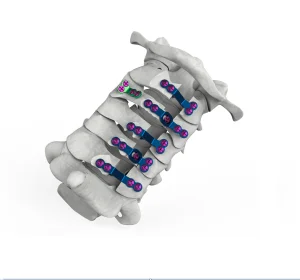
Global Clavicle Trauma Market & Procurement Metrics
Market expansion driven by sports trauma injuries, improved diagnostic imaging, and rapid surgical intervention strategies across hospital groups worldwide.
2026 Clavicle Fixation Plate Benchmark Pricelist
Comparative market baseline costs across standard anatomical profiles, alloy materials, and supply tiers (FOB / Contract OEM vs. Hospital Procurement).
| Plate Geometry & Anatomical Class | Material Specification | OEM / Wholesale FOB (USD) | Hospital / Regional Tender (USD) | Key Market Tier |
|---|---|---|---|---|
| Superior Midshaft Anatomical Plate | Ti-6Al-4V ELI (Grade 23) | $28.00 – $48.00 | $220.00 – $450.00 | Volume Benchmark |
| Anteroinferior Midshaft Locking Plate | Medical Grade Titanium Alloy | $32.00 – $52.00 | $260.00 – $520.00 | Trauma Specialist |
| Distal Clavicle Hook Plate (AC Joint) | Ti-6Al-4V / 316L Stainless | $45.00 – $75.00 | $380.00 – $780.00 | High-Precision Ortho |
| Distal Lateral Clavicle Locking Plate | Pre-contoured Titanium | $35.00 – $60.00 | $310.00 – $640.00 | Anatomical Contour |
| Reconstruction Locking Plate (3.5mm) | Pure Titanium / Ti Alloy | $18.00 – $32.00 | $150.00 – $300.00 | Universal Value |
Technological Trends in Modern Clavicle Plating
From generic reconstruction bars to pre-contoured anatomical systems engineered through multi-center CT morphological datasets.
High-Definition Morphometry
Modern plates eliminate manual intraoperative contouring by utilizing multi-ethnic population 3D CT reconstruction models. This anatomical precision significantly diminishes screw loosening, hardware prominence, and stress risers.
Variable-Angle Combi-Holes
Polyaxial locking mechanisms allow surgeons to adjust trajectory angles within a ±15° envelope. This facilitates precise distal fragment fixation and robust subchondral purchase in osteoporotic or comminuted bone segments.
Low-Profile Tapered Bevels
Subcutaneous clavicle anatomy demands ultra-low cross-sectional plate profiles and fully countersunk screw recesses to reduce soft tissue impingement, skin irritation, and the need for secondary revision surgeries.
Global Enterprise Procurement Requirements
Evaluating total acquisition cost, vendor risk factors, regulatory documentation, and logistical timelines for healthcare distribution networks.
Comprehensive Dossiers
Global hospital tenders require complete device Master Files (DMF), biological safety evaluations (ISO 10993), validated gamma/EtO sterilization protocols, and mechanical fatigue test results (ASTM F382).
Integrated Tray Sets
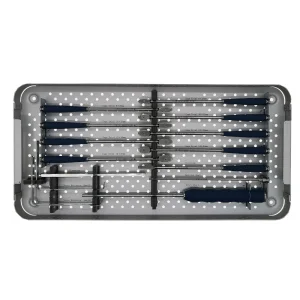
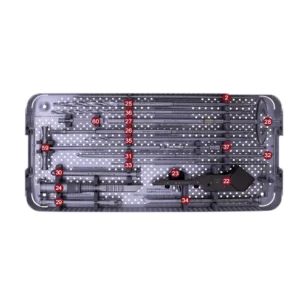
Distributors prefer suppliers that offer implants along with color-coded, CNC-milled surgical instrument trays, reduction clamps, depth gauges, and calibrated torque limiters to optimize workflow and surgical throughput.
Agile Supply Chain Management
Healthcare providers require guaranteed delivery timelines (4–6 business days for express consignments) along with buffered inventory options to prevent operating room delays during emergency trauma surgeries.
Macro Industry Solutions & OEM Integration
End-to-end medical device manufacturing: transforming certified medical grade raw stock into precision sterile implants under one roof.
Raw Stock Traceability
Every batch of Ti-6Al-4V ELI titanium alloy and 316L stainless steel undergoes chemical spectroscopy and metallographic certification prior to automated machining.
Multi-Axis Machining
Swiss-type longitudinal lathes and multi-axis CNC milling centers produce dynamic combi-holes, beveled edges, and thread patterns that meet tight tolerance standards.
Surface Treatment
Plates undergo Type II anodization and automated deburring processes to increase surface fatigue strength, prevent cold-welding, and ensure smooth bio-inert performance.
Class 100k Packaging
Double-barrier medical blister packs sealed in certified cleanrooms keep products sterile throughout global shipping routes, ready for immediate operative use.
Global Regulatory Assurance & Local Support
Ensuring regional market access through international medical device registration documentation, auditing compliance, and regional field support.
International Clearances
Devices are manufactured under strict ISO 13485 QMS standards, backed by Free Sale Certificates (FSC) and third-party certifications like UDEM to streamline entry into regional health systems.
Complete Dossier Files
We supply certified manufacturing process sheets, biocompatibility profiles, sterilization validation summaries, and clinical literature evaluations for regional ministries of health.
Engineering & After-Sales
Technical consultation, in-depth CAD/CAM engineering collaboration, product customization, and surgical technique guides are readily accessible to clinical staff and distribution partners worldwide.
Technology Roadmap & Next-Gen Innovations
The transition toward patient-matched additive implants, resorbable biocomposites, and intelligent surgical workflows.
Electron Beam Melting (EBM) 3D
Additive manufacturing produces trabecular titanium mesh designs with elastic moduli tailored to match cortical bone, helping reduce stress-shielding and promote periosteal vascularization.
Bioabsorbable Magnesium Alloys
High-purity magnesium fixation systems degrade safely within the body post-consolidation, eliminating the need for hardware removal and reducing long-term clinical costs.
AI Navigational Planning
Machine learning models map patient fracture fragments from low-dose CT scans, providing pre-selected plate profiles, custom screw trajectories, and intraoperative AR guidance.
Frequently Asked Questions (FAQ)
In-depth clinical, metallurgical, and commercial procurement answers for orthopedic product directors and hospital procurement leads.
What distinguishes Titanium Grade 23 (Ti-6Al-4V ELI) from Grade 5 in clavicle plating?
Grade 23 (ELI - Extra Low Interstitial) contains reduced levels of interstitial elements like oxygen, carbon, and nitrogen. This lower impurity profile yields improved fracture toughness and superior resistance to cyclic dynamic stress, making it exceptionally well-suited for superior-border clavicle fixation plates subjected to continuous axial and torsional forces.
How does superior vs. anteroinferior plate positioning influence mechanical stability and complications?
Biomechanically, superior plate placement provides greater resistance against tension and inferior cantilever bending moments during shoulder elevation. However, anteroinferior plate placement offers superior screw purchase into denser bone, avoids the subclavian neurovascular structures during bicortical drilling, and markedly decreases hardware prominence and patient complaints regarding skin irritation.
What are the lead times and MOQ parameters for OEM / ODM customized clavicle plates?
Standard OEM custom configurations (involving specialized laser marking, unique hole geometry, or tailored anodization color-coding) carry minimum order quantities typically beginning at 100 to 200 units per line. Prototype iterations require approximately 3 to 4 weeks, with full-batch delivery generally accomplished within 45 to 60 days post design freeze.
What regulatory test documentation is mandatory for bidding on government hospital tenders?
Tenders require dynamic four-point bending fatigue tests (ASTM F382 standard), material mill certificates identifying chemical compositions (ISO 5832-3 or ASTM F136), cleanroom validation records, ISO 11137 / ISO 11135 sterilization validation files, and comprehensive ISO 10993 cytotoxicity and biological safety reports.
Are matching surgical instruments and custom sterilization cassettes provided with the systems?
Yes. Every plate series is supported by a matched instrument tray system. This includes custom drill guides, self-retaining drivers, calibrated torque-limiting screwdrivers, plate benders, reduction bone forceps, and hard-anodized PPSU/aluminum sterilization containers configured for efficient operative room turnover.
Additional Trauma, Spine & Orthopedic Specialties
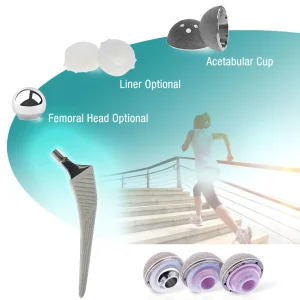
Explore specialized intramedullary nail systems, pedicle screws, and joint prostheses built for clinical durability.