Engineered Osteosynthesis & Spinal Fixation Systems
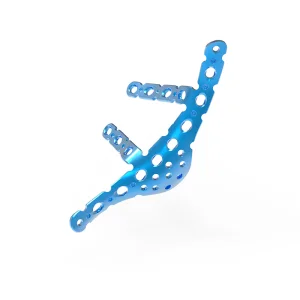
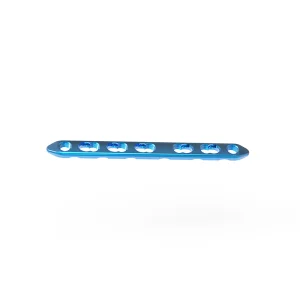
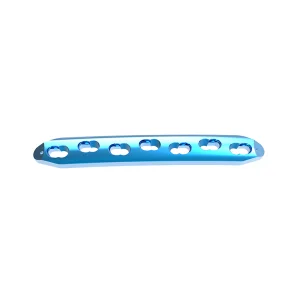
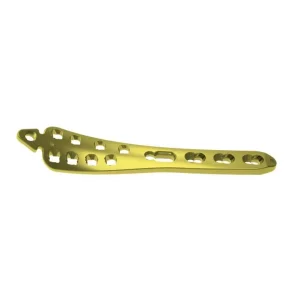
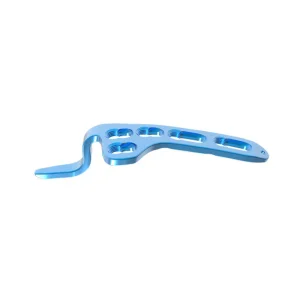
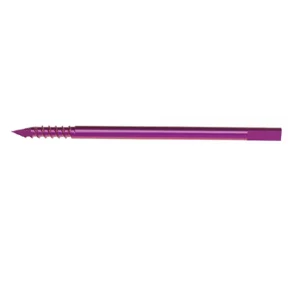
Explore our core selection of precision-calibrated implants, ranging from polyaxial pedicle anchor screws to locking compression plates and intramedullary stabilization systems.
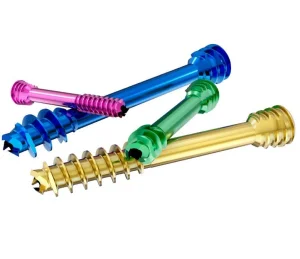
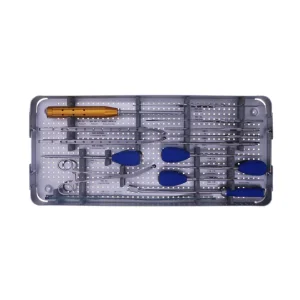
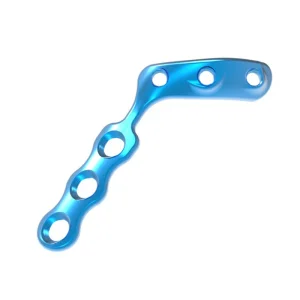
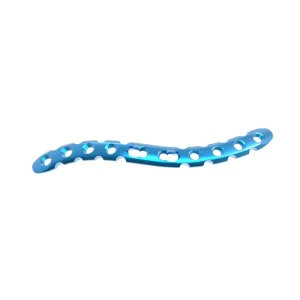
Global Commercial & Industrial Dynamics of Fracture Fixation Screws
A rigorous examination of biomechanical load distributions, material fatigue thresholds, and international market transformation in orthopedic hardware.
Expanding Market Demographics & Traumatology Demands
The global fracture fixation orthopedic screw ecosystem represents a multi-billion-dollar cornerstone of modern musculoskeletal reconstruction. The surge in clinical demand is driven by two compounding vectors: an aging global population prone to osteoporotic fragility fractures (notably femoral neck, distal radius, and vertebral compression) and rising high-energy road traffic accidents across emerging industrial territories. Hospital trauma departments require fixation hardware engineered to guarantee immediate secondary mechanical stability while respecting local micro-vascularization. The shift from non-locking cortical screws to specialized locking compression screw architecture has fundamentally altered the standard of clinical recovery, reducing non-union and screw toggle rates significantly.
Metallurgical Superiority: Ti-6Al-4V ELI vs. Medical Stainless Steel
Fracture fixation screws operate under strenuous cyclical shear, axial pullout, and rotational stress. While 316L medical stainless steel maintains historic clinical relevance in cost-restricted markets, Grade 23 Ti-6Al-4V ELI (Extra Low Interstitial) has emerged as the definitive material choice. Offering an elastic modulus closer to human cortical bone (110 GPa vs. ~200 GPa of stainless steel), titanium alloys drastically mitigate the adverse effects of stress shielding. Furthermore, biocompatible titanium native oxide films (TiO2) reduce inflammatory cytokine release, maximize fibrous osseointegration, and deliver supreme diagnostic clarity across postoperative Magnetic Resonance Imaging (MRI) and CT artifact attenuation protocols.
Advanced Thread Geometries
Modern fixation relies on tailored dual-core and buttress thread configurations. Variable pitch designs create continuous interfragmentary compression without manual countersinking, while self-tapping flutes evacuate bone debris effortlessly, minimizing thermal necrosis during insertion.
Biomechanical Fatigue Tolerance
Screw failures predominantly occur at the head-neck junction due to cantilever bending moments. Finite Element Analysis (FEA) has empowered manufacturers to introduce micro-radiused thread transitions, boosting dynamic endurance limits past 1.2 million loading cycles under ISO 5832 standards.
Single-Use Precision Tooling
Modern surgical suites prioritize pre-calibrated star-drive (Torx) and hexalobe recesses over traditional cruciform designs. This high-efficiency interface provides optimal torque transfer, preventing cam-out and stripping during deep bicortical purchase into dense bone structures.
Clinical Insight: The Shift toward Angular Stability
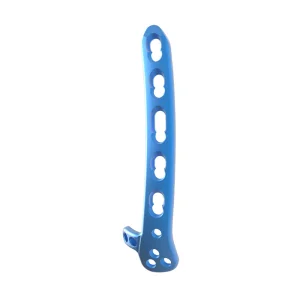
In traditional compression plating, stability relies entirely on friction generated between the plate and the periosteum, risking devascularization of cortical bone. Fixed-angle locking screws transform the plate-screw assembly into an internal fixator, dispersing mechanical loads across the construct and safeguarding periosteal perfusion to facilitate rapid primary callogenesis.
Chinese Manufacturing Efficiency: Scaling Precision & Value
How cutting-edge industrial clustering, CNC Swiss lathe automation, and unified quality infrastructure establish China's dominant orthopedic supply ecosystem.
End-to-End Vertical Supply Chain Integration
The strategic emergence of Beijing ZhongAnTaiHua Technology Co., Ltd. (ZATH) within the Zhongguancun Science Park (Pinggu Park) exemplifies the supreme industrial synergy achieved in China's specialized medical device manufacturing hubs. By integrating ultra-pure titanium bar stock procurement, multi-axis Swiss-type longitudinal turning, wire EDM contouring, automated surface passivation, cleanroom class 10,000 sterile barrier packaging, and certified gamma/EO sterilization under a unified operational umbrella, lead times are compressed by up to 60% compared to fragmented European or North American manufacturing supply lines.
Nanometer CNC Swiss Lathe Accuracy
Surgical screws require micrometer-level geometric fidelity to prevent cross-threading and micro-motion within the plate hole. Modern Chinese facilities deploy multi-spindle Swiss CNC turning centers operating with continuous thermal compensation algorithms. This infrastructure guarantees thread pitch consistency within ±0.005 mm tolerances, immaculate burr-free cannulation channels for guide wire trajectory precision, and micro-blasted anodic surface finishes that reduce frictional resistance during surgeon drive engagement.
| Evaluation Parameter | Ti-6Al-4V ELI (Grade 23) | Medical 316L Stainless Steel | ZATH Engineering Standard |
|---|---|---|---|
| Tensile Strength (MPa) | ≥ 860 MPa | ≥ 490 - 690 MPa | ≥ 930 MPa Verified |
| Modulus of Elasticity (GPa) | 110 - 114 GPa | 190 - 205 GPa | Cortical Match (110 GPa) |
| Fatigue Limit (Cycles @ 400 MPa) | > 10,000,000 | > 5,000,000 | Certified ISO 14801 / ASTM F543 |
| Biocompatibility / MRI Artifact | Minimal Artifact / Non-ferromagnetic | Moderate Artifact Distortion | Type II Anodized Surface |
| Cleanroom Packaging Standard | ISO Class 7 / Class 10,000 | Standard Cleanroom | Pre-Sterile Blister Available |
Localized Application Scenarios: Anatomical Site Optimization
Comprehensive biomechanical alignment matching specific anatomical structures to screw morphology, purchase depth, and load-bearing requirements.
Diaphyseal Long-Bone Fractures
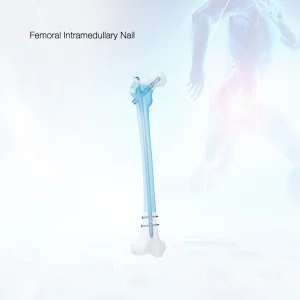
Femoral, tibial, and humeral shaft fractures encounter massive rotational torque and axial loading. Cortical screws with fine pitch and deep thread depth optimize resistance against shear forces. In comminuted patterns, combining locking plates with bicortical screws provides a rigid bridge-plating span that encourages secondary healing via periosteal callus formation.
Metaphyseal & Articular Incongruities
Joint-adjacent fractures (such as distal radius, tibial plateau, and distal femur) require absolute anatomical reduction to prevent post-traumatic osteoarthritis. Partially threaded cancellous screws and headless compression cannulated screws apply interfragmentary squeeze, closing micro-gaps while sinking below cartilage margins to protect soft tissues.
Complex Pelvic & Acetabular Fixation
Pelvic ring disruptions are life-threatening surgical emergencies requiring long cannulated screw trajectories placed across narrow osseous corridors (such as retrograde anterior column or iliosacral screws). Screw tip self-centering flutes and high torsional ductility prevent catastrophic bone breach into neurovascular safe zones.
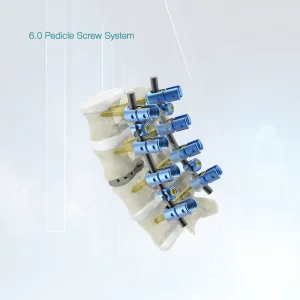
Pedicle Screw Spinal Stabilization
Posterior thoracolumbar internal fixation requires polyaxial screws designed with wide angular clearance (up to 45° conical articulation) to facilitate seamless rod linkage. Buttress reverse-angle locking caps prevent cross-threading and head expansion, maintaining rigid kyphotic correction and interbody decompression under long-term cyclical flexion.
Small Bone & Sports Extremities
Metatarsal, scaphoid, and clavicular surgeries demand low-profile hardware that mitigates hardware prominence beneath thin cutaneous envelopes. Mini-fragment locking screws with countersunk heads deliver high pullout resistance without creating bursal irritation or tendon impingement.
Geriatric Osteoporotic Augmentation
In low-density, brittle trabecular bone, standard screws risk early pullout and loosening. Fenestrated cannulated pedicle and trauma screws allow targeted polymethylmethacrylate (PMMA) bone cement injection through radial micro-apertures, establishing an integrated cement-trabecular mantle that quadruples holding power.
Technological Frontiers: Transforming Orthopedic Fixation
From bioresorbable magnesium alloys to smart micro-sensor telemetry, review the innovations redefining patient clinical trajectories.
Bioabsorbable Magnesium & Polymer Alloys
A primary complication of titanium fixation is the necessity for secondary implant removal surgeries, which risk refracture and impose financial strain. Next-generation screws incorporate high-purity magnesium-rare earth alloys (Mg-Zn-Ca). These implants degrade gradually into physiological electrolytes in tandem with bone regeneration, eliminating secondary surgical intervention while releasing osteogenic magnesium ions.
Antimicrobial & Nano-Textured Surfaces
Surgical site infection (SSI) and bacterial biofilm formation represent critical clinical challenges. Advanced orthopedic screws feature atomic layer deposition (ALD) of nanosilver particles and copper-doped titanium oxide coatings. These chemical surfaces disrupt bacterial cell walls upon contact while remaining entirely non-cytotoxic to circulating osteoblasts, reducing implant infection rates drastically.
Additive Manufacturing & Porous Lattice Screws
Electron Beam Melting (EBM) and Direct Metal Laser Sintering (DMLS) 3D-printing technologies permit the fabrication of hollow, porous trabecular screws. Featuring interconnecting pore sizes of 400-600 μm, these structures mimic the physiological porosity of cancellous bone, stimulating early capillary migration, deep endosseous tissue ingrowth, and enduring biological locking.
Global B2B Sourcing: Procurement Criteria for Distributors & Hospital Groups
Essential frameworks to de-risk medical device sourcing, regulatory registration, and supply security in international clinical markets.
Stringent Regulatory Dossiers: EU-MDR & FDA 510(k) Ready
International medical tenders no longer evaluate hardware solely on unit price; regulatory defensibility is paramount. Procuring teams must demand full Technical Files containing biocompatibility test data per ISO 10993, cleaning and sterilization validation (ISO 11137 / ISO 11135), biomechanical verification per ASTM F543 (torsional yield strength, driving torque, pullout resistance), and demonstrated compliance with EU-MDR 2017/745 Class IIb requirements. ZATH ensures complete documentary portfolios and Free Sale Certificates (FSC) to facilitate rapid local MOH import clearances.
Sterile vs. Non-Sterile Stock Rationalization
Traditional non-sterile delivery places an enormous decontamination, sorting, and steam autoclave workload on hospital Central Sterile Supply Departments (CSSD), compounding the hazard of cross-contamination. Elite global distributors now require validated pre-sterilized, double-barrier blister packs. Sterile individual packaging simplifies inventory control, eliminates hospital autoclave overhead, guarantees lot-traceable UDI barcodes directly at the operating room nurse station, and safeguards sharp cutting flutes from microscopic damage.
Frequently Asked Questions: Technical, Clinical & Sourcing
In-depth responses to the foundational technical and commercial questions posed by orthopedic surgeons, clinical engineers, and procurement directors.
What metallurgical grade is optimal for fracture fixation orthopedic screws?
How do locking screws differ from conventional cortical screws in clinical mechanics?
Can ZATH produce custom OEM/ODM orthopedic screws and private label markings?
What mechanical verification testing is performed on every production batch?
What is the standard lead time and international shipping logistics process?
Advanced Trauma, Reconstruction & Joint Implants
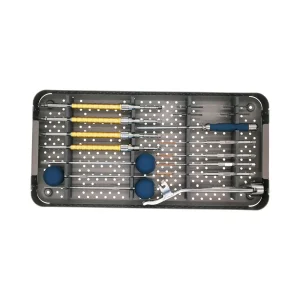
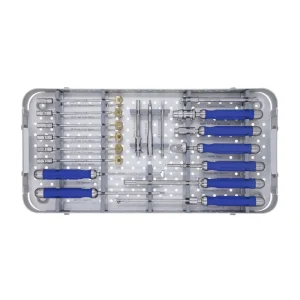
Explore our specialized anatomical trauma plates, cervical cages, external fixation pins, and instrumentation systems engineered for comprehensive trauma workflows.