
Tier-1 Engineered Fracture Fixation & Surgical Platforms
Factory-direct OEM/ODM sterile-ready configurations engineered to eliminate medical distributor margins while adhering strictly to international biomechanical criteria.
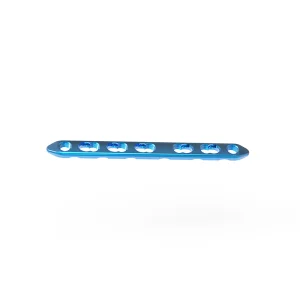
Custom Radius-Ulna Limited Contact Locking Compression Plate Factory, Exporter
Configure Plate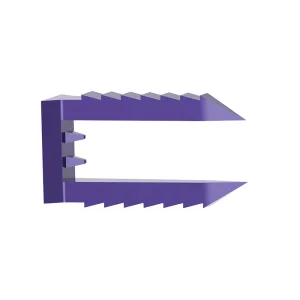
Famous Titanium Alloy Orthopedic Suture Anchor Titanium Manufacturer Companies, Products
Configure Anchor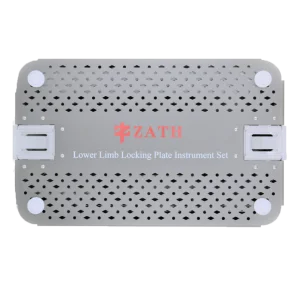
ODM Orthopedic Instrument Lower Limb Locking Plate Instrument Set Manufacturer, Suppliers
View Instrument Set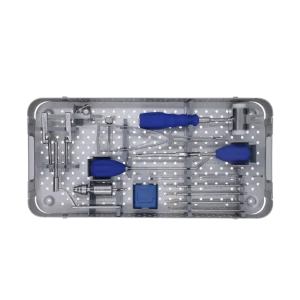
ODM High Quality ZP Cage Instrument Set Manufacturer, Manufacturers
View Cage Kit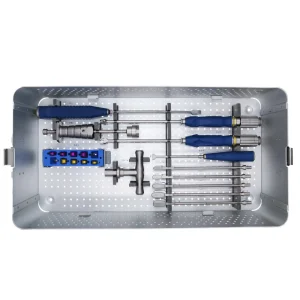
OEM Bone Surgical Instrument Sets Thoracolumbar TLIF Cage Instrument Set Factory, Exporters
View TLIF Set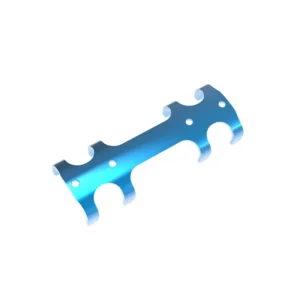
OEM Titanium Rib Claw Plate for Pectorales AO Manufacturers, Company
View Rib Plate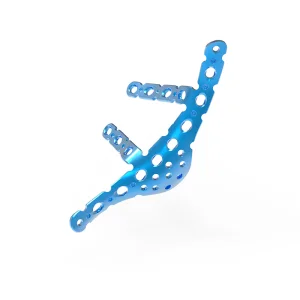
Custom Winged Pelvis Reconstruction Locking Compression Plate Factories, Exporter
View Pelvic Plate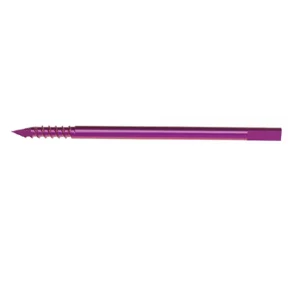
China Self Drilling and Self Tapping Triangular Cutting Edge Pin for Orthopedic External Fixation Supplier, Products
View Fixation PinResolving the "Low-Cost vs. Surgical Efficacy" Dichotomy in Modern Orthopedics
When procurement directors search for "cheap orthopedic bone plates," they are not seeking inferior metallurgical compromises. They demand structurally reliable osteosynthesis that bypasses multinational markups to withstand strict DRG/DIP hospital reimbursement limits.
Across both developed and emerging surgical economies, national healthcare systems face intense structural pressure. Diagnosis-Related Groups (DRGs), prospective payment architectures, and public hospital price caps have transformed orthopedic inventory management. In the past, multinational medical device brands justified 400% to 800% premiums through branded legacy channels. Today, orthopedic surgery departments, private surgical networks, and regional ministries of health realize that patient outcomes are determined by the precision geometry of the implant, biological biocompatibility of the titanium substrate, and stable angular fixation—not marketing brand equity.
As an authoritative orthopedic implant manufacturer established in 2009 in Beijing's Zhongguancun Science and Technology Park, Beijing ZhongAnTaiHua Technology Co., Ltd. (ZATH) engineers orthopedic trauma systems that dismantle this outdated cost-quality paradox. By operating high-throughput DMG MORI and Citizen 5-axis CNC multi-tasking centers, maintaining rigorous ISO 13485 cleanroom validation, and producing unified surgical instrumentation sets, ZATH delivers "cost-effective" bone plating systems. We achieve direct factory pricing that cuts procurement budgets by 40% to 65% while meeting the exact mechanical tolerances required by the AO Foundation principles of internal fixation.
Clinical Insight: Low-cost osteosynthesis must maintain mechanical integrity. ZATH titanium bone plates use medical-grade Ti-6Al-4V ELI (ASTM F136), combining high ultimate tensile strength (≥860 MPa) with an elastic modulus that mitigates stress shielding while preventing periosteal devascularization via Limited-Contact (LC) contours.
DRG & DIP Hospital Alignment
Under fixed case-rate reimbursements, implant acquisition costs directly dictate surgical department solvency. ZATH provides tier-1 locking compression systems at a fraction of Western brand costs, enabling hospitals to maintain positive margins per trauma admission without compromising postoperative healing rates.
Turnkey Importer Margin Expansion
National distributors often struggle with compressed wholesale margins when representing tier-1 conglomerates. Partnering directly with ZATH as an OEM/ODM manufacturer restores commercial viability, offering distributors exclusive regional margins of 35% to 55% backed by full tender dossier authorization.
Tender Supply Assurance
Large-scale public health tenders across Latin America, Southeast Asia, the Middle East, and Africa demand dependable, high-volume production. ZATH's automated production facility safeguards tender winners against delivery delays, backorders, or raw material batch failures.
China Factory 4.0: The Structural Mechanics Behind Our Price Competitiveness
Discover how ZATH's integrated digital fabrication ecosystem achieves superior cost-efficiencies through engineering automation, vertical raw material purchasing, and zero-defect quality controls.
Automated 5-Axis Milling
Utilizing high-speed Japanese and Swiss multi-spindle CNC machining centers, our automated robotic loading systems execute intricate plate profiles, combi-holes, and bevel contours with sub-micron repeatable precision, drastically lowering labor scrap rates.
Direct Mill Metallurgical Sourcing
We source certified medical-grade titanium alloy bar stock (Ti-6Al-4V ELI) and implant-grade 316L VM stainless steel directly from vetted primary titanium smelters. By purchasing in massive bulk volumes, we insulate our global partners from intermediate raw metal price speculation.
Fully Integrated In-House Chain
From initial wire EDM contouring and CNC thread whirling to automated vibratory polishing, Type II electrochemical anodization, cleanroom ultrasonic washing, and validated packaging, our 100% in-house manufacturing eliminates external vendor processing fees.
Zero-Defect Inline CMM Metrology
ZATH integrates advanced optical coordinate measuring machines (CMM) directly at machining stations. Every production lot undergoes computerized dimensional verification, thread profile pitch testing, and structural surface inspection, ensuring complete compliance before cleanroom packaging.
Engineering Integrity: The Anatomical Science of ZATH Bone Plates
Low-cost manufacturing never excuses mechanical failure. ZATH fracture fixation implants are engineered to meet stringent ASTM and ISO orthopedic standards, balancing biological osteogenesis with robust fatigue endurance.
A successful internal fixation plate must maintain three critical mechanical equilibriums: primary stability, biological preservation of the periosteal vascular network, and long-term dynamic cyclic fatigue strength. When bone plates fail clinically, catastrophic fatigue fractures usually occur around unused screw holes or from notch sensitivity caused by improper plate bending. ZATH's dedicated orthopedic engineering team employs advanced Finite Element Analysis (FEA) to eliminate micro-stress concentrations, creating an optimal stress gradient across comminuted fracture sites.
| Engineering Parameter | ZATH High-Efficiency Specification | Clinical & Biomechanical Advantage |
|---|---|---|
| Raw Material Substrate | ASTM F136 Ti-6Al-4V ELI (Extra Low Interstitial) / ISO 5832-3 | Delivers ultimate biocompatibility, exceptional corrosion resistance, and an elastic modulus closely mirroring cortical bone, preventing severe stress shielding. |
| Fixation Hole Geometry | Dynamic Hybrid Combi-Holes (Locking Thread + Dynamic Compression Unit) | Provides the operating surgeon total intraoperative freedom: use standard cortical screws for axial interfragmentary compression or locking screws for rigid angular stability. |
| Periosteal Undercut Profile | Limited-Contact (LC) scalloped base geometry | Reduces bone-to-plate contact by up to 58%, preserving the periosteal blood supply, accelerating callus bridging, and lowering infection risks. |
| Surface Treatment & Finish | Type II Electrochemical Anodization + Electro-polishing (Ra < 0.4 μm) | Hardens the surface layer to eliminate cold-welding galling between screw heads and plate holes, while minimizing soft-tissue adhesion and fretting corrosion. |
| Fatigue Resistance Testing | Dynamic 4-Point Bending Evaluation (ASTM F382-17 standards) | Guaranteed to exceed 1,000,000 load cycles at physiological stress levels, ensuring absolute structural survival throughout delayed union recovery. |
Beijing ZhongAnTaiHua Technology Co., Ltd. (ZATH)
Pioneering precision medical device engineering since 2009 in Beijing's national high-tech innovation cluster.
Operating from our advanced manufacturing campus in Building 6, No. 39 Pinghe Street, Pinggu Park, Zhongguancun Science and Technology Park, ZATH has grown into an international medical device manufacturing powerhouse. Our vertically integrated production facility spans the complete orthopedic spectrum: Joint Arthroplasty (hip and knee systems), Thoracolumbar Spine & MIS Fixation, Extensive Trauma Systems, Sports Medicine, and Precision Surgical Instrument Kits. With dedicated testing laboratories, validated Class 10,000 cleanrooms, and worldwide logistics capabilities, ZATH is the trusted manufacturing partner behind prominent distributor brands across 40+ countries.
Streamlined International Registration & Local Market Access
Navigating regional medical device registration can be a costly bottleneck. ZATH empowers international distributors with comprehensive, turnkey regulatory documentation to accelerate approvals with local health authorities.
ISO 13485:2016 Certified QMS
Our complete facility operates under an audited ISO 13485 Medical Devices Quality Management System covering product design, CNC manufacturing, surface passivation, cleanroom sterile packaging, and post-market surveillance.
Turnkey Dossiers & Technical Files
We provide full Common Technical Document (CTD) registration files, including ISO 10993 biocompatibility test data, mechanical fatigue reports, packaging shelf-life validations, and cleanroom sterilization validation dossiers.
Free Sale Certificates (FSC)
To expedite market approvals across Southeast Asia, the Middle East, Central and South America, and Africa, ZATH provides government-notarized Free Sale Certificates (FSC) and Letters of Authorization (LoA) for registered importers.
Next-Generation Osteosynthesis: Technology Roadmap
How ZATH's dedicated engineering R&D team is pushing the boundaries of bone healing, bioactive surfaces, and additive manufacturing.
3D Printed Porous Trabecular Plates
Leveraging Electron Beam Melting (EBM) additive printing to manufacture bone-mimetic trabecular titanium surfaces. These advanced plates encourage rapid osseointegration across severe, non-union periarticular trauma fractures.
Bioabsorbable Mg-Zn Composites
Pioneering biodegradable magnesium-zinc-calcium alloys designed for craniofacial, pediatric, and low-load hand trauma plates. These implants absorb safely within 12-18 months, eliminating secondary hardware removal surgeries.
Sensorized Telemetry Bone Plates
Integrating ultra-thin passive RFID micro-strain sensors into internal fixation plates. These smart systems wirelessly transmit micro-strain and bone callus bridging data directly to orthopedic teams during postoperative checks.
High-Precision Extended Catalog: Available for Global Export
Discover our complementary clinical product lines, covering high-demand anatomical locking plates, sports medicine anchors, intramedullary nails, and ceramic hip joint replacements.
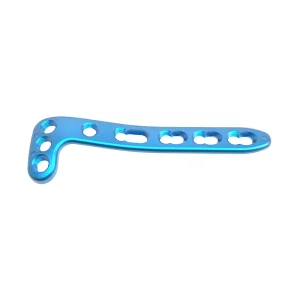
Best Proximal Medial Tibia Locking Compression Plate I Pricelist, Product
Get Tibia Plate Pricelist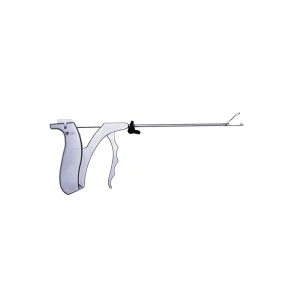
Wholesale sports medicine manufacturer SuperFix Suture Passer Factories, Product
Explore Suture Passer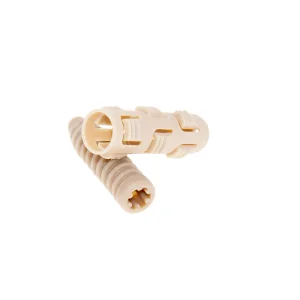
OEM Zath Sports Medicine Orthopedic Suture Anchor Implant Company, Service
Order Anchor OEM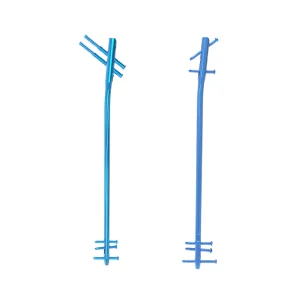
China MASFIN Femur Intramedullary Nail Implant Manufacturer, Manufacturers
View Femur Nail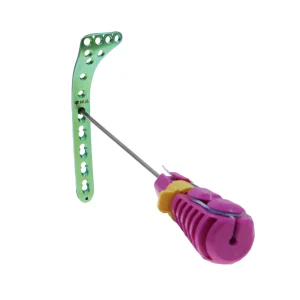
CE Certification CE Approved Hospital Use All Suture Anchor Titanium With Needle Factory, Companies
CE Anchor Specs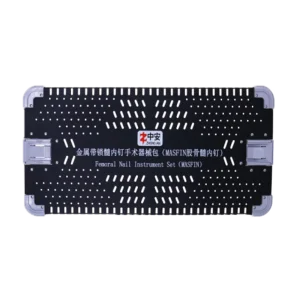
China MASFIN Expert Femur Intramedullary Nail Instrument Set Quotes, Companies
Request Instrument Quote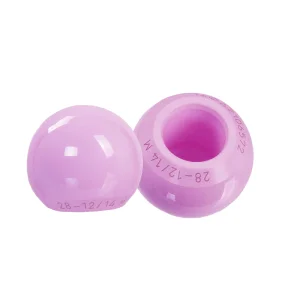
Buy Ceramic CDH Femoral Head Implant Hip Exporter, Company
Buy Hip Ceramic Head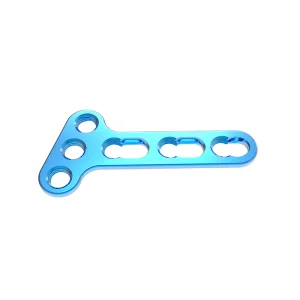
Buy Oblique T-Shape Locking Compression Plate Manufacturers, Pricelist
Get T-Plate PricelistGlobal Procurement Checklist: Evaluating Low-Cost Orthopedic Suppliers
Protect your hospital supply chain, clinical reputation, and balance sheet by screening prospective OEM/ODM bone plate manufacturers against these five essential criteria.
1. Raw Material Verification
Insist on mill test certificates with complete heats/lot traceability. Ensure the titanium meets ASTM F136 / ISO 5832-3 standards, with interstitial elements (oxygen, nitrogen, carbon, iron, and hydrogen) kept within strict bio-compatible limits.
2. Screw-Plate Compatibility
Verify that locking screws and bone plates share identical metallurgical lots. Mixing alloys (such as stainless screws in titanium plates) triggers galvanic corrosion and premature fatigue failure.
3. Surgical Instrument Sets
Ensure the manufacturer supplies complete, ergonomically balanced instrument trays—including calibrated torque-limiting screwdrivers, drill guides, depth gauges, and plate benders designed specifically for the plate geometry.
4. Validated Cleanroom Sterile Packaging
Verify cleanroom packaging capabilities. ZATH offers validated Tyvek peel-pouch double-barrier packaging, delivered sterile via gamma or EO processing. This eliminates hospital autoclave logistics and reduces surgical site infection risks.
5. Total Cost of Ownership (TCO)
Evaluate overall value rather than the unit plate quote alone. Factor in freight logistics, customs duties, import tariffs, matching instrument set amortizations, and the cost of regulatory file generation.
Frequently Asked Questions by Orthopedic Importers
Expert answers addressing metallurgical specs, regulatory clearances, minimum order quantities, and surgical delivery guarantees.
Our cost savings stem entirely from structural supply-chain efficiencies: running 5-axis automated CNC machine banks in Beijing, procuring raw medical-grade titanium bar stock directly from primary mills, and managing surface treatment in-house. We maintain zero-compromise metallurgy using certified ASTM F136 Grade 23 Ti-6Al-4V ELI titanium.
Yes. Our locking plates feature dynamic hybrid combi-holes designed to accept both standard self-tapping cortical screws and angular-stable locking screws with standardized thread pitches (Ø2.4mm, Ø2.7mm, Ø3.5mm, Ø4.5mm, and Ø5.0mm), following AO/ASIF surgical principles.
For catalog implants and standard trauma systems kept in finished stock, dispatch occurs within 24 to 48 hours. International express shipments via DHL, FedEx, TNT, or UPS arrive at your regional distribution hub within 4 to 6 business days.
Absolutely. As an experienced OEM/ODM partner, we provide custom fiber-laser etching of distributor logos, unique batch barcodes, tailored anodized plate colors, and branded double-sterile blister packaging suited to your regional regulatory guidelines.
Type II electrochemical anodization alters the titanium dioxide surface microstructure, hardening the outer layer. This reduces micro-fretting corrosion, prevents cold-welding between the locking screw head and plate hole during extraction, and improves soft-tissue compatibility.
We supply an exhaustive tender dossier: ISO 13485:2016 certificates, Free Sale Certificates (FSC), raw material mill test certificates, static and dynamic four-point bending fatigue reports (ASTM F382), cleanroom sterilization validation data, and full Letters of Authorization.