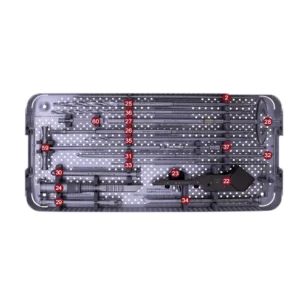
Precision Surgical Instruments & Implants: Series I
Engineered to exact surgical tolerances, our Class IIb and Class III orthopedic products support operating rooms, specialized clinics, and worldwide orthopedic distribution networks.
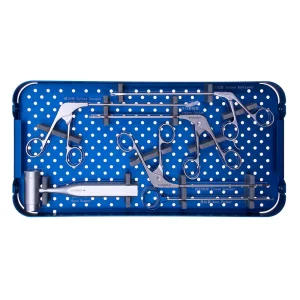
OEM Shoulder Arthroscopy Instrument Set
View Product Details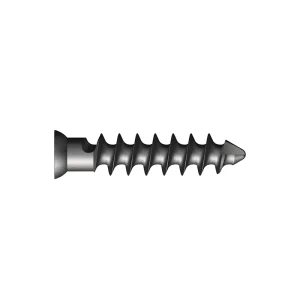
ODM Titanium FDN Acetabular Screw
View Product Details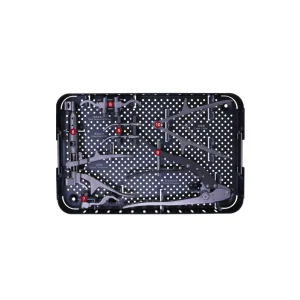
Cable Instrument Set Type II System
View Product Details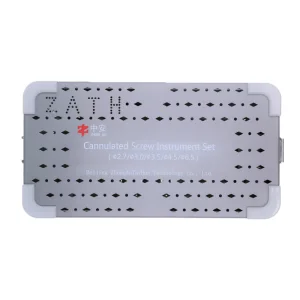
Stainless Steel Cannulated Screw Instrument Set
View Product Details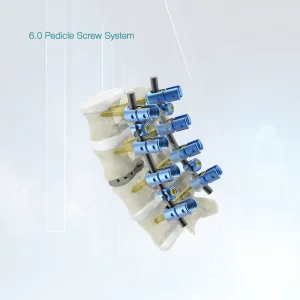
Zipper Polyaxial Pedicle Screws Spine System
View Product Details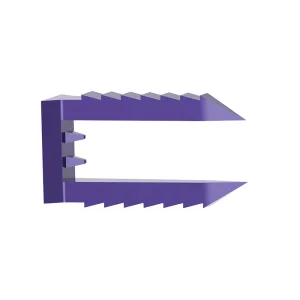
Titanium Alloy Orthopedic Suture Anchor
View Product Details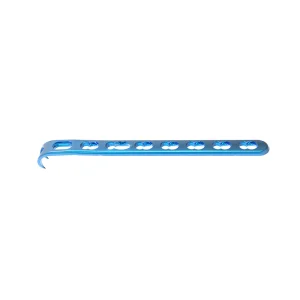
Olecranon Hook Locking Compression Plate
View Product Details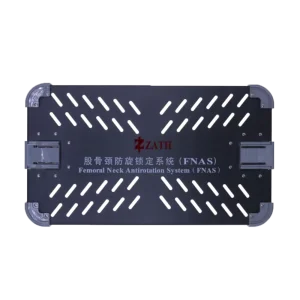
Femoral Neck Antirotation System (FNAS) Set
View Product DetailsThe Structural Shift in Orthopedic Device Manufacturing
The global orthopedic implant market has undergone a definitive transition. Once dominated solely by Tier-1 Western conglomerates, hospital procurement boards, regional ministries of health, and commercial distributors now aggressively diversify their supply pipelines toward high-precision Chinese contract manufacturers. This shift is not merely predicated on unit cost savings; it is driven by fundamental advancements in multi-axis computerized numerical control (CNC) machining, automated cleanroom sterilization, comprehensive raw material traceability, and alignment with stringent international medical device standards such as ISO 13485:2016, EU MDR (Regulation 2017/745), and US FDA 510(k) pathway prerequisites.
As an authoritative orthopedic manufacturer operating out of the Zhongguancun Science Park hub in Beijing since 2009, Beijing ZhongAnTaiHua Technology Co., Ltd. (ZATH) exemplifies this technological paradigm. Housing more than 300 highly trained personnel—including over 100 dedicated senior clinical engineers and quality assurance technicians—our infrastructure bridges the historical gap between rapid industrial scalability and micro-millimeter medical precision.
Core Engineering Standard: All titanium alloy components utilize medical-grade Ti6Al4V ELI (ASTM F136 / ISO 5832-3) and ultra-high-molecular-weight polyethylene (UHMWPE ISO 5834-2), guaranteeing biocompatibility, optimal modulus of elasticity, and long-term osteointegration under dynamic biological loading conditions.
Years of Clinical R&D (Est. 2009)
Senior & Mid-Level Tech Engineers
Lot Traceability from Ingot to Sterile Pack
Express International Stock Replenishment
End-to-End Chinese Manufacturing: The Technical Advantage
Why Tier-1 medical distributors and public health systems leverage our integrated Beijing production ecosystem for high-yield, consistent orthopedic hardware.
Vertical Tooling & Swiss Machining
By operating multi-axis Swiss longitudinal turning machines and 5-axis milling centers directly on-site, we achieve micron-level concentricity and thread pitch control. From bar stock feeding to wire EDM contouring, process variability is strictly suppressed within CpK > 1.33 statistical parameters.
- Tolerances sustained to ±0.005 mm across micro-screws
- Elimination of secondary tier outsourcing markups
- Rapid cycle time adjustment for custom anatomy
Class 10,000 Cleanroom Packaging
Implant integrity is sealed at origin. Implants are cleaned via multi-stage ultrasonic degreasing, passivation, and processed in certified cleanrooms. Dual sterile-barrier peel pouches or rigid double-blister formats ensure sterility assurance levels (SAL 10⁻⁶) under ISO 11137 gamma irradiation or ethylene oxide standards.
- Direct OR-ready inventory delivery
- Reduces hospital processing overhead and infection risks
- Extended shelf-life validation up to 5 years
Agile High-Volume Logistics
Direct logistical channels out of Beijing Capital International Airport (PEK) facilitate dispatch via DHL, FedEx, UPS, and air-freight consolidation. Rapid 4–6 day delivery cycles prevent costly orthopedic surgical delays, providing reliable safety stock replenishment for high-velocity trauma trauma systems.
- Pre-cleared customs documentation dossiers
- Real-time lot verification and temp-controlled tracking
- Guaranteed fulfillment of emergency hospital tenders
Four Specialized Surgical Platforms
A unified manufacturing foundation spanning reconstruction, neuro-spine, acute skeletal trauma, and sports tendon repair.
1. Joint Arthroplasty Systems
Targeted for primary and revision total hip arthroplasty (THA) and total knee arthroplasty (TKA). Includes cementless hydroxyapatite (HA) plasma-sprayed titanium femoral stems, cemented polished cobalt-chromium (CoCrMo) stems, highly cross-linked polyethylene acetabular liners, and multi-radius femoral condylar knee prostheses engineered for natural kinematics.
- Biological Fixation: Controlled titanium pore size (300–500 μm) encourages high bone ingrowth.
- Kinematic Fidelity: 135° anatomical femoral neck angle matches diverse pelvic morphometry.
2. Spinal Fixation & Deformity Correction
Advanced thoracolumbar pedicle screw constructs, minimally invasive surgery (MIS) percutaneous retractor systems, anterior cervical plates (ACP), and interbody fusion cages (PEEK and 3D Titanium). Low-profile screw heads and reverse angle thread geometries minimize cross-threading and facet joint impingement.
- Bi-Cortical Purchase: Dual-lead thread architecture accelerates insertion speed by 50%.
- MIS Innovation: 3-in-1 integrated reduction and rod-persuasion systems streamline surgical maneuvers.
3. Trauma & Fracture Reconstruction
Complete anatomical locking compression plate (LCP) systems, cephalomedullary interlocking intramedullary (IM) nails, cannulated screws (headless and partially threaded), and external circular/monolateral fixators. Anatomically pre-contoured plates significantly reduce the necessity of intraoperative intra-articular bending.
- Combi-Holes: Dynamic compression and angular locking combined in a single screw hole.
- Scaphoid & Periarticular: Headless differential thread pitches generate sustained interfragmentary compression.
4. Sports Medicine & Arthroscopy
Soft tissue to bone re-attachment solutions, including fully threaded titanium suture anchors, knotless polyetheretherketone (PEEK) anchors, cortical fixation endo-buttons with adjustable loops for anterior cruciate ligament (ACL) reconstruction, and ultra-high-molecular-weight polyethylene braided non-absorbable sutures.
- Pullout Resistance: Optimized pitch design guarantees superior mechanical retention in osteoporotic bone.
- Tear Resistance: High-lubricity braided suture minimizes tissue slicing during sliding knot tensioning.
5. Ergonomic Instrument Sets
No orthopedic implant can perform without surgical instrumentation of equal caliber. We fabricate matching autoclavable aluminum/radel graphic cases containing medical-grade stainless steel reamers, drill guides, broaches, torque limiters, and extraction sets specifically calibrated to implant tolerances.
- Zero Play Interface: Precision quick-coupling connections prevent drive-shaft stripping.
- Color-Coded Anodization: Visual identification cues accelerate surgical workflow efficiency.
Metallurgical Properties and Global Compliance Standards
A transparent comparative matrix detailing materials, bio-mechanical standards, and international testing validations.
| Implant Classification | Material Specification | Yield Strength (MPa) | Mechanical & Fatigue Norms | Biological Clearance Standard |
|---|---|---|---|---|
| Spine Pedicle Screws | Ti6Al4V ELI (Grade 23) | ≥ 795 MPa | ASTM F1717 / ISO 12189 | ISO 10993 Cytotoxicity / Pyrogenicity Pass |
| Locking Compression Plates | Pure Titanium Gr 4 / 316LVM Stainless | ≥ 480 / ≥ 690 MPa | ASTM F382 (Four-point bending) | ISO 10993 Systemic Toxicity Cleared |
| Hip Stems & Femoral Heads | Forged Ti-6Al-4V / Cast Co-Cr-Mo | ≥ 825 / ≥ 450 MPa | ISO 7206-4 / ISO 7206-6 | ISO 10993-6 Subchronic Muscle Implantation |
| Intramedullary Interlocking Nails | Medical Grade Titanium Alloy | ≥ 860 MPa | ASTM F1264 Static / Fatigue Torsion | ISO 10993-11 Endotoxin LAL < 0.25 EU/ml |
| Sports Suture Anchors | Implantable PEEK-OPTIMA / Ti6Al4V | ≥ 170 / ≥ 830 MPa | ASTM F543 Pullout & Torque Strength | ISO 10993 Genotoxicity & Hemocompatibility |
Localized Regulatory Assistance & Registration Dossiers
For international medical distributors, navigating regional Ministry of Health registrations represents the single highest operational hurdle. ZATH maintains an in-house dedicated Regulatory Affairs (RA) department specializing in drafting and submitting customized technical dossiers according to the Common Submission Dossier Template (CSDT) framework. We furnish fully certified documentation portfolios to fast-track approvals with agencies worldwide:
Europe & UK
Technical Documentation alignment with EU MDR (2017/745) Annex II/III, UDEM-certified ISO 13485 QMS.
Latin America
Apostilled Free Sale Certificates (FSC) and Device Master Files tailored for ANVISA (Brazil) and COFEPRIS (Mexico).
Middle East & Africa
Pre-legalized documentation supporting SFDA (Saudi Arabia), Egyptian EDA, and South African SAHPRA submissions.
Southeast Asia
Harmonized ASEAN Medical Device Directive (AMDD) registration filings for Malaysia, Indonesia, and Vietnam.
OEM / ODM Manufacturing & Turnkey Private Labeling
Transforming proprietary clinical concepts and distributor brands into market-ready orthopedic products.
CAD/CAM Prototyping
Collaborating directly with orthopedic surgeons, our industrial design team uses advanced FEA (Finite Element Analysis) to evaluate stress distribution and peak strain concentrations prior to cutting metal. We can transition rapid-machined prototypes to mechanical test benches in under 14 working days.
Laser Etching & UDI Compliance
Full support for Unique Device Identification (UDI) regulations. Implants and instruments are etched with high-contrast, corrosion-resistant fiber lasers indicating GS1 DataMatrix barcodes, serial lots, reference codes, and your proprietary commercial branding without disturbing structural integrity.
Custom Sterile Packaging Design
We configure customized primary and secondary packaging, providing multi-lingual IFU (Instructions for Use) leaflets, barcode stickers, sterile Tyvek pouches, blister seals, and branded outer cartons designed to withstand temperature shifts and drop shocks encountered in long-haul distribution.
Clinical Use-Cases & Healthcare Application Scenarios
Addressing clinical workflows across varied patient demographics and institutional resource levels.
Level 1 Trauma Triage
High-energy traffic collisions and industrial accidents demand swift skeletal stabilization. Our pre-assembled anatomical reconstruction locking plates and cephalomedullary femoral nails offer modular, intuitive instrumentation that reduces intraoperative fluoroscopy exposure and cuts tourniquet duration.
Geriatric Osteoporotic Fracture Care
Fragility fractures of the femoral neck and distal radius in elderly populations require elevated pullout security. Our Femoral Neck Antirotation Systems (FNAS) and multi-directional locking plates preserve periosteal blood flow while resisting cyclic varus collapse in low-density bone matrix.
Ambulatory Surgery Centers (ASCs)
With arthroscopic rotator cuff repairs and single-level lumbar discectomies rapidly migrating toward outpatient surgery centers, pre-sterilized implants and disposable or streamlined instrument sets prevent autoclave bottlenecks, slashing reprocessing costs per patient case.
Future Technology Trends in China's Orthopedic Sector
How cutting-edge additive manufacturing, surface biology, and smart robotics interface with our manufacturing roadmap.
3D Electron Beam Melting (EBM)
Additive titanium manufacturing enables the creation of complex trabecular lattices that mirror cancellous bone porosity. ZATH is integrating 3D printing into customized pelvic revision implants and cervical interbody cages, substantially decreasing stress-shielding phenomena.
Bioactive Nano-Coatings
Beyond traditional hydroxyapatite, clinical trials are validating antibacterial silver-doped or tantalum-coated surfaces. These next-generation interfaces actively inhibit biofilm formation, a major cause of deep surgical site infections (SSI) in high-risk joint arthroplasty procedures.
Robotic Surgery Navigational Compatibility
Modern surgical suites increasingly utilize robotic arms for bone cutting. Our knee and hip components are being mathematically mapped to open-architecture robotic tracking arrays, ensuring accurate intraoperative alignment, ligament balancing, and component longevity.
Frequently Asked Questions for Global Procurement Directors
Clear, direct answers regarding quality control, auditing, minimum order quantities, and international fulfillment.
What quality certifications does ZATH maintain for international export?
ZATH maintains a comprehensive Quality Management System certified to ISO 13485:2016 for medical devices. We hold certified CE marks (notified body UDEM) for critical implant and instrument lines, alongside verified Free Sale Certificates (FSC) issued by national health authorities to support regional distributor import licensing.
What are your standard manufacturing lead times and emergency reorder cycles?
For catalog implants and high-demand trauma plates maintained in our central distribution inventory, orders dispatch within 48 to 72 hours via international express (DHL, FedEx, UPS) arriving in 4–6 days. Custom private-label runs or modified instrument batches generally require a 30 to 45-day fabrication window.
How does ZATH support foreign on-site or digital factory audits?
We welcome third-party and distributor auditing bodies. Partners can review Device Master Records (DMR), incoming raw material spectrophotometry assays, CNC machining validation protocols (IQ/OQ/PQ), cleanroom bioburden particulate metrics, and lot sterilization indicators through live visual audits or scheduled facility inspections in Beijing.
Are surgical implants supplied sterile-packed or non-sterile?
All core implant product lines (including spinal screws, locking plates, intramedullary nails, and prosthetic joints) are available in validated sterile double-barrier packaging, drastically reducing hospital autoclave labor. Surgical instruments are typically supplied non-sterile in autoclavable graphic containment trays.
What Minimum Order Quantities (MOQs) apply for OEM / ODM brand integration?
Because we operate vertically integrated manufacturing cells, we offer highly accommodating MOQs for trial distributor orders, evaluating clinical reception without excessive inventory holding strain. Standard OEM laser marking and custom packaging can begin with low baseline batch sizes depending on component complexity.
Can you provide technical registration dossiers in English and Spanish?
Yes. Our dedicated Regulatory Affairs division drafts comprehensive, dual-language medical registration dossiers detailing biological safety (ISO 10993), clinical literature evaluations, finite element mechanical analysis, and accelerated aging stability data formatted to meet individual country requirements.
Precision Surgical Instruments & Implants: Series II
Review our extended joint reconstruction, internal trauma stabilization, and spinal instrumentation lines available for global OEM contract manufacturing and direct distribution.
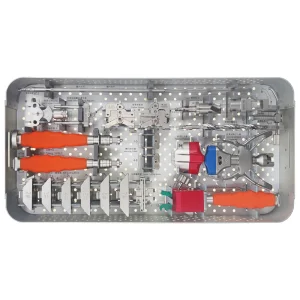
Total Knee Joint Replacement Instruments
View Product Details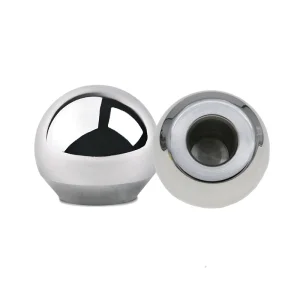
Artificial Hip Joint FDH Femoral Head
View Product Details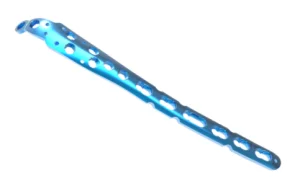
Proximal Ulna Locking Compression Plate
View Product Details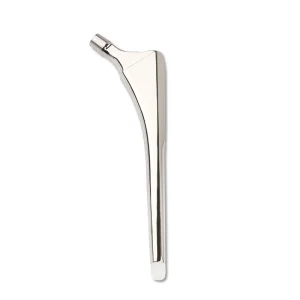
TDS Cemented Stem Orthopedic Implant
View Product Details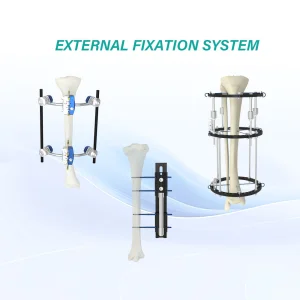
Stainless External Fixation Fixator System
View Product Details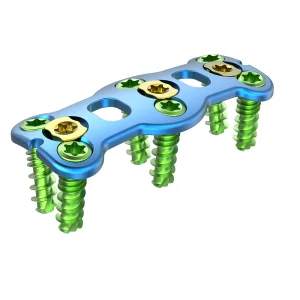
Cervical Shielder ACP Plate System
View Product Details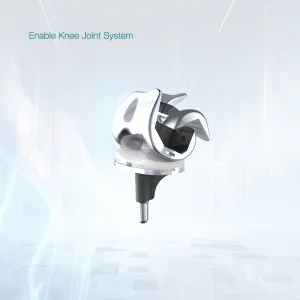
Titanium Total Knee Joint Replacement System
View Product Details