Clinical Trauma & Joint Fixation Platforms
Comprehensive orthopedic solutions designed to withstand biomechanical stress, ensure periosteal microcirculation preservation, and streamline operational times.
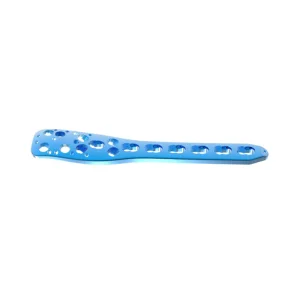
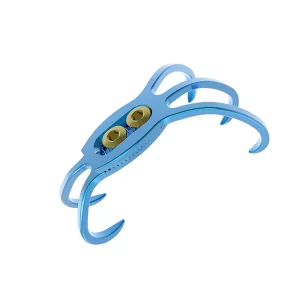
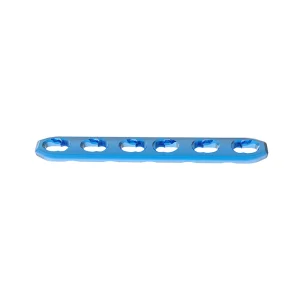
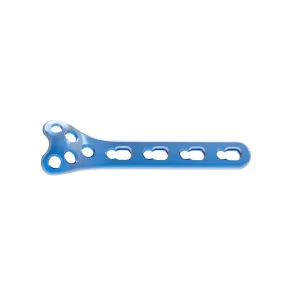
The Paradigm Shift in Clavicular Fracture Fixation
From non-operative neglect to biomechanically validated anatomical locking compression osteosynthesis.
Historical Context & Anatomical Complexities
Historically, midshaft and distal clavicle fractures were conservatively managed with figures-of-eight or slings under the assumption of inevitable non-union tolerance. However, modern clinical data verifies high symptomatic non-union rates (up to 15-20%) and residual shoulder girdle dysfunction following shortened malunions. The complex anatomical double-curve of the clavicular S-shape renders traditional reconstruction and semi-tubular plates vulnerable to mechanical loosening, screw pullout, and plate fatigue fractures under cyclic rotational loads caused by arm elevation.
Pre-contoured Anatomical Fit
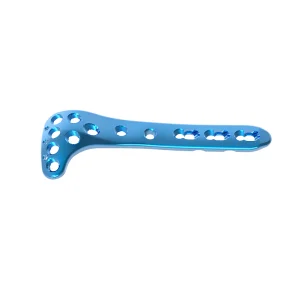
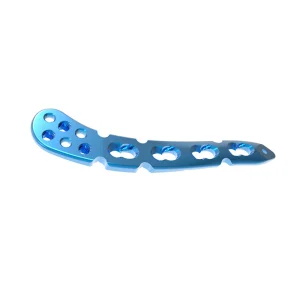
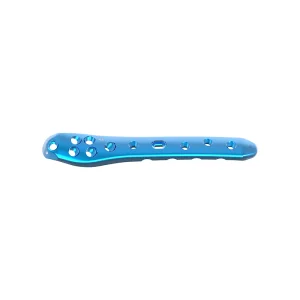
Our clavicle locking plates are engineered utilizing extensive 3D CT anatomical databases to match both left and right midshaft/distal curves, virtually eliminating intraoperative contouring, micro-crack initiation, and soft-tissue irritation.
Fixed-Angle Stability & Combi-Holes
Featuring precision-threaded locking holes and elongated dynamic compression units (Combi-holes), the construct provides fixed-angle biomechanical bridging critical for osteoporotic bone beds and multi-fragmentary comminuted trauma.
Limited Contact Profile (LC-Design)
Engineered with scalloped undersurface geometries that minimize plate-to-bone contact area. This design prevents periosteal vascular strangulation, accelerates osteogenesis, and diminishes the incidence of postoperative bone atrophy.
Addressing Global Supply Chain Vulnerabilities in Orthopedics
Enterprise sourcing challenges encountered by hospital groups, OEM brands, and multinational distributors.
Uncompromising Material Integrity
Eliminating micro-porosity and brittle failures through exclusive deployment of certified Medical-Grade Titanium Alloy (Grade 5, Ti-6Al-4V ELI conforming to ASTM F136 / ISO 5832-3) and Implant-Grade 316L Stainless Steel.
Sterile Packaging & Rapid OR Readiness
Implants supplied in Class 10,000 cleanroom thermoformed medical Tyvek® blister packaging. Terminal gamma/EO sterilization reduces surgical preparation lead times, eliminates autoclave variability, and reduces HAI vectors.
Turnkey Technical Dossiers (MDR / FDA)
Navigating stringent global regulatory gatekeeping with full Design Dossiers, Biocompatibility validations (ISO 10993), dynamic fatigue testing reports (ASTM F382), and CER documentation ready for MDR Class IIb audits.
Macro Solutions, Regulatory Moats & Manufacturing Rigor
How Beijing ZhongAnTaiHua Technology Co., Ltd. (ZATH) assures clinical precision through advanced metallurgy.
ISO 13485:2016 Certified Infrastructure
Every clavicle plate and cortex/locking screw is machined under strict Quality Management System (QMS) protocols. Raw billets maintain raw spectroscopic melt certificates guaranteeing biocompatibility and structural homogeneity.
Multi-Axis High Precision CNC Machining
Utilizing high-speed 5-axis Swiss-machining and DMG Mori milling centers to generate intricate combi-hole threads, rounded screw-head recesses, and micro-deburred chamfered plate borders that prevent soft-tissue entrapment.
Surface Treatments: Type II Anodization
Biomedical electro-chemical passivation and Type II anodization optimize surface hardness, significantly reduce fretting wear between screw heads and plate holes, and suppress titanium ion release into surrounding tissue beds.
Engineering Roadmap: Next-Gen Clavicular Reconstruction
The progression of osteosynthetic fixation technologies through computational mechanics and additive manufacturing.
3D Electron Beam Additive Manufacturing
Direct Metal Laser Sintering (DMLS) integration allows porous trabecular lattice structures to be printed directly into the distal acromial interface, promoting osseous integration and reducing stress-shielding stiffness.
Bioresorbable Magnesium Fixation
Targeted R&D into absorbable magnesium alloys (Mg-Zn-Ca) provides initial structural fixation that safely resorbs naturally once union occurs, avoiding secondary hardware removal operations in pediatric and active sports cases.
AI-Powered Patient-Specific Matching
Machine-learning geometric morphometrics cross-correlate patient CT scans with inventory plate catalogs to guide surgeons to the exact configuration and contour match prior to opening the sterile packaging.
Frequently Asked Questions by Surgical & Procurement Teams
In-depth responses regarding material properties, regulatory clearances, and supply mechanics.
What specific biomechanical advantages do pre-contoured anatomical clavicle locking plates provide over conventional recon plates?
Pre-contoured anatomical locking compression plates are manufactured with three-dimensional S-curves matched directly to average clavicular anatomical geometries. Conventional plates require manual cold-bending in the OR, which causes micro-fracturing along screw hole boundaries, reduces fatigue cycle limits by up to 40%, and prolongs anesthesia time. The angular stability provided by the threaded locking screws ensures fixed-angle purchase, preventing secondary displacement, tilt, or pullout under the dynamic rotational stresses exerted by the trapezius and sternocleidomastoid muscles.
What titanium alloy grade is utilized in ZATH clavicle locking plate systems?
ZATH exclusively utilizes certified Ti-6Al-4V ELI (Extra Low Interstitial) conforming to ASTM F136 and ISO 5832-3. This specific alloy provides superior mechanical tensile strength (yield strength ≥ 795 MPa) combined with exceptional fatigue resistance and biological inertia. The reduced interstitial element content (oxygen, carbon, hydrogen, nitrogen) imparts elevated fracture toughness compared to standard Grade 5 alloy, substantially mitigating risks of brittle mechanical failure under cyclic physiological loads.
How does ZATH support international distributors with regional medical device registrations?
ZATH provides a dedicated regulatory support team providing full technical dossiers formatted for regional authorities (such as CE MDR Class IIb, US FDA 510(k), COFEPRIS, ANVISA, and Russian Roszdravnadzor). Documentation packages include ISO 13485 QMS certificates, Free Sale Certificates (FSC), raw material chemical composition certifications, accelerated aging validation reports, ISO 10993 biocompatibility testing, bioburden reports, and biomechanical static/dynamic 4-point bending test data (ASTM F382).
What options exist for private label, custom sizing, and contract OEM/ODM manufacturing?
With an in-house engineering team and more than 100 multi-axis CNC machines and Swiss automatic lathes, ZATH accommodates comprehensive customization. This includes custom laser-marking (distributor logos, unique device identification UDI, lot numbers), modified screw hole layouts, alternative curvature radii for specific patient demographics, custom-anodized color codes for screw diameter identification, and custom-labeled sterile blister barrier packaging.
Are matching surgical instruments supplied alongside the locking plate systems?
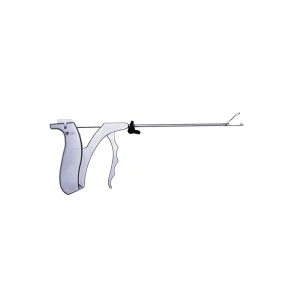
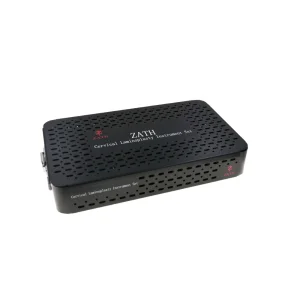
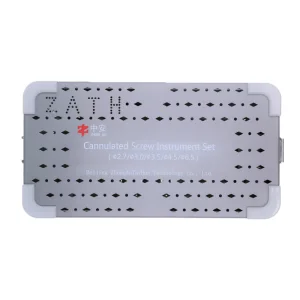
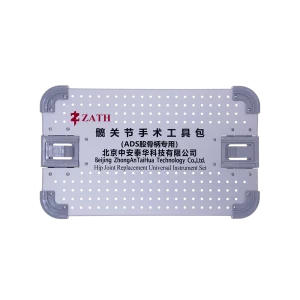
Yes. Every plate system is complemented by dedicated medical-grade stainless steel (17-4PH / AISI 420) surgical instrument trays. Sets include calibrated torque-limiting screwdrivers, quick-release hex/star drivers, double-ended drill guides, threaded locking drill sleeves, bone reduction forceps, and depth gauges. Instrument sets are anodized or passivated, autoclave-ready, and housed in high-temperature-resistant Radel® or aluminum sterilization cases.
Specialized Surgical Instrumentation & Trauma Implants
Engineered to deliver mechanical accuracy across orthopedic specialties, trauma intervention, and joint reconstruction.