
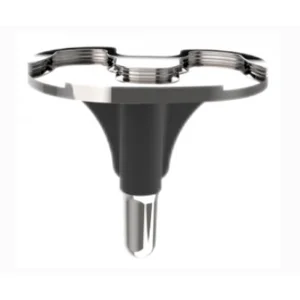
Enable Tibial Baseplate: Engineered for superior knee arthroplasty stability and physiological load distribution.
Buy Enable Tibial Baseplate QuotesExplore high-tolerance arthroplasty, spinal instrumentation, and orthopedic trauma reconstruction systems developed for surgeon confidence and exceptional clinical outcomes worldwide.
Enable Tibial Baseplate: Engineered for superior knee arthroplasty stability and physiological load distribution.
Buy Enable Tibial Baseplate Quotes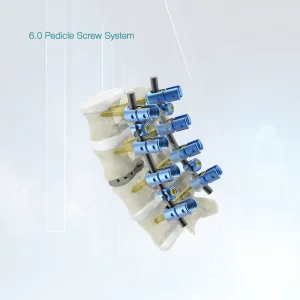
Zipper Polyaxial Screws: Advanced posterior thoracolumbar rigid stabilization with high angular articulation.
OEM CE Pedicle Screws System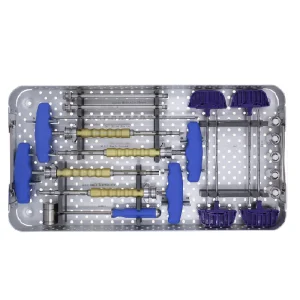
Zenith HE Spine Kit: Comprehensive minimally invasive and open thoracolumbar spinal surgical instrument set.
Spine Instrument Set Quotes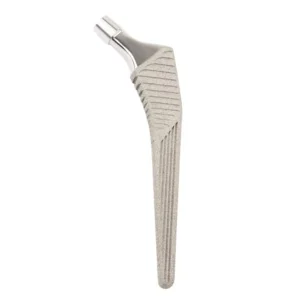
ADS Hip Stem: Cementless press-fit femoral stem featuring biological hydroxyapatite coating for primary total hip replacement.
ADS Hip Stem Product & Service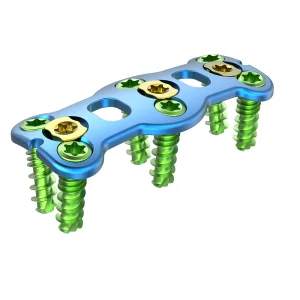
Shielder ACP System: Ultra low-profile anterior cervical plating system ensuring multi-segment construct biomechanical balance.
Cervical Shielder ACP System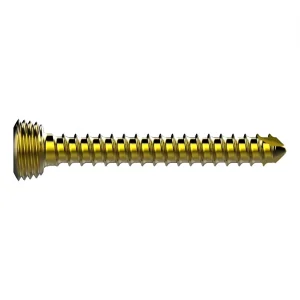
Locking Screws (2.0–5.0mm): High-precision self-tapping titanium locking screws for trauma bone plate fixation.
Locking Screw Implants Supply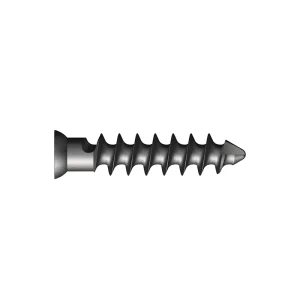
FDN Acetabular Screw: Deep cancellous thread design delivering optimal supplemental fixation in acetabular cup placement.
Titanium FDN Screw Service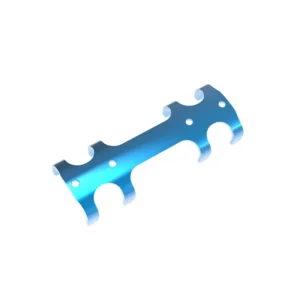
Titanium Rib Claw Plate: Anatomical thoracic reconstruction locking plate for rib fracture fixation and chest wall stability.
Rib Claw Plate ManufacturerDistal femoral fractures represent one of the most formidable mechanical and biological challenges in modern orthopedic trauma, requiring surgical hardware capable of resisting severe varus collapse while preserving periosteal microcirculation.
The global incidence of distal femur fractures displays a classic bimodal distribution. In developing nations and industrialized urban corridors, high-velocity vehicular and industrial accidents cause severely comminuted intra-articular fractures (AO/OTA 33-C) in young cohorts. Conversely, an aging demographic across Europe, North America, and East Asia has triggered an exponential surge in low-energy fragility fractures (AO/OTA 33-A) and periprosthetic fractures adjacent to total knee arthroplasty (TKA) implants, demanding internal fixation that provides exceptional screw purchase in compromised osteopenic bone.
Historically, dynamic condylar screws (DCS), angled blade plates, and non-locking condylar buttress plates experienced significant rates of nonunion, secondary varus collapse, and fatigue failure under cyclical physiological loading. Modern clinical consensus mandates the deployment of Anatomically Pre-Contoured Distal Femur Locking Compression Plates (DF-LCP) and Variable-Angle (VA) locking constructs. These systems function as internal fixators, neutralizing high deforming forces (quadriceps and gastrocnemius pull) without bone-to-plate compression.
Global procurement teams in hospital consortiums and orthopedic distribution firms face severe margin compression alongside tightening regulatory scrutiny under EU MDR 2017/745 and FDA standards. Hospital networks are actively divesting from overpriced multinational brand tiers in favor of verified direct tier-1 medical device manufacturers capable of delivering identical ISO-certified mechanical tolerances, traceable titanium metallurgy, and pristine sterile-barrier packaging at an accessible cost structure.
At Beijing ZhongAnTaiHua Technology Co., Ltd. (ZATH), located within the prestigious Zhongguancun Science Park in Pinggu, Beijing, our orthopedic implant manufacturing facility unifies the complete vertical chain of production. With over 300 employees and a specialized technical corps of nearly 100 senior and mid-level precision engineers, ZATH has cultivated a manufacturing ecosystem that outperforms international competitors on cycle efficiency, metallurgical purity, and cost-to-quality metrics.
China's comprehensive supply-chain infrastructure allows rapid procurement of certified titanium bar stock (Ti-6Al-4V ELI conforming to ISO 5832-3 and ASTM F136), in-house wire electrical discharge machining (EDM), multi-axis high-speed CNC milling, automated electrolytic polishing, and validated ISO Class 7 cleanroom packaging.
Rigorous finite element analysis (FEA) and dynamic fatigue testing benchmarked beyond ASTM F382 standards ensure ZATH distal femur plates endure upwards of 1,000,000 cycles under 1,500N axial compressive loading without catastrophic failure.
| Parameter | ZATH Titanium DF-LCP | Standard SS 316LVM |
|---|---|---|
| Base Material | Ti-6Al-4V ELI (Gr 5) | High-N Stainless Steel |
| Young's Modulus | 110 GPa (Closer to cortical bone) | 200–210 GPa (Higher rigidity) |
| Stress Shielding Risk | Extremely Low | Moderate to High |
| Biocompatibility | Superior Osseointegration | Passive Chromium Oxide |
| MRI Compatibility | Minimal Susceptibility Artifact | Noticeable Image Distortion |
The distal femur features an intricate, non-concentric geometry characterized by an anterior patellofemoral trochlea, an asymmetric lateral condyle inclination, and an osteoporotic metaphyseal void prone to crushing under impact.
For complete articular fractures with metaphyseal comminution, absolute anatomical restoration of the articular surface is mandatory prior to plate application. The distal cluster of multiple diverging and parallel locking screw holes allows multi-planar subchondral raft screw insertion. This effectively captures coronal shear fragments (Hoffa fractures) and transverse intercondylar splits without penetrating the knee joint capsule or patellofemoral tracking zone.
A burgeoning challenge in geriatric revision traumatology is the periprosthetic femur fracture occurring adjacent to stable femoral components (Su / Lewis-Rorabeck Type II). With intramedullary canals blocked by prosthesis stems or closed femoral boxes, retrograde intramedullary nailing is contraindicated. ZATH distal femur plates provide variable-angle polyaxial screws and specialized cable-button troughs that securely bypass and hug the prosthesis shield without loosening the implant.
Biological fixation emphasizes periosteal vascular preservation over rigid anatomical stripping. The low-profile, beveled distal tip of our plating system facilitates submuscular retrograde insertion along the vastus lateralis through a minimal lateral condylar incision. Carbon-fiber radiolucent aiming guides and percutaneous trocars permit remote shaft screw fixation under fluoroscopic control, substantially accelerating callus bridging and reducing deep surgical site infection (SSI) rates.
Post-traumatic genu valgum or varum malalignments require precise supracondylar opening- or closing-wedge osteotomies. The ZATH plate's combi-hole architecture allows initial dynamic compression of the osteotomy gap using standard cortical screws, followed immediately by angularly stable locking screw insertion to resist high lever moments during early rehabilitation and weight-bearing protocols.
The distal femur fixation sector is transitioning from static mechanical splinting toward biological modulation, customized additive geometries, and intelligent telemetry.
Traditional fixed-angle locking limits screw trajectory to a single pre-determined path, occasionally colliding with existing knee prostheses or failing to grab small articular fragments. Next-generation variable-angle systems permit a continuous ±15° freedom cone around the screw axis, engaging hard subchondral bone islands while preserving high pull-out torque via threaded bush or hardened cobalt-chrome alloy thread interfaces.
Overly rigid constructs cause biological quiescence, leading to delayed union or nonunion at the trans-metaphyseal fracture bridge. Advanced biphasic plating concepts and dynamic locking screws (DLS) introduce controlled axial compliance (0.2–0.8 mm of micro-movement) under functional loading, stimulating early chondrogenesis and vigorous secondary periosteal callus formation while eliminating excessive asymmetric stiffening.
For massive metaphyseal bone defects resulting from gunshots or crush injuries, selective laser melting (SLM) enables the production of custom 3D trabecular titanium augments. Built with interconnected 60–70% porous scaffold architecture mimicking cancellous architecture, these patient-specific spacers interlock directly with standard distal femur plates to avoid structural autograft harvest morbidity.
Qualifying a distal femur plate exporter requires rigorous vetting across engineering repeatability, medical device quality management standards, and comprehensive registration dossier support.
Global procurement teams must mandate certified ISO 13485:2016 Quality Management Systems covering full lifecycle design, testing, and production. At ZATH, our audit-ready technical files, UDEM CE certificates, and Free Sale Certificates (FSC) streamline local market authorizations across Southeast Asia, Latin America, the Middle East, Central Asia, and Africa, significantly mitigating regulatory rejection hazards.
While bulk non-sterile implants remain an option, global hospital standards overwhelmingly favor validated pre-sterilized implants. ZATH supplies gamma/EO-sterilized distal femur plates individually sealed in double-barrier Tyvek® peel pouches conforming to ISO 11607-1/2, providing a certified 5-year shelf life that eliminates hospital autoclaving delays and minimizes surgical site cross-contamination risks.
A distal femur plate cannot be evaluated in isolation from its surgical delivery kit. ZATH engineers and manufactures matching complete trauma instrument sets: including carbon-fiber radiolucent aiming arms, calibrated drill sleeves, torque-limiting screwdrivers (4.0 Nm), self-centering bone forceps, and depth gauges, all packaged in anodized aluminum sterilization trays bearing custom distributor branding.
Detailed insights compiled by our trauma engineering group to assist hospital procurement directors, orthopedic distributor specialists, and trauma department chiefs.
Founded in 2009 and headquartered in the Xinggu Area of Pinggu Park, Zhongguancun Science and Technology Park in Beijing, ZATH has evolved into a premier national high-tech orthopedic medical enterprise. We specialize exclusively in the continuous research, precision micro-machining, cleanroom assembly, and global exportation of advanced medical devices.
Operating under strict ISO 13485 certification, ZATH maintains 19 complete orthopedic product families spanning 5 core disciplines: Joint Replacement (total hip and total knee systems), Spine Fixation (pedicle screw, MIS, cervical plates, fusion cages), Trauma Stabilization (anatomical locking plates, intramedullary interlocking nails, cannulated screws, external fixators), Sports Medicine (suture anchors, endobuttons), and Surgical Instrument Systems.
Facility Address: Building 6, No. 39 Pinghe Street, Xinggu A Area, Pinggu Park, Zhongguancun Science and Technology Park, Pinggu District, Beijing, China.
Direct Global Procurement Desk: [email protected] | Tel: +86-10-61569104 | WhatsApp: +86-15846554118
Explore additional high-demand implants from our Beijing manufacturing lines, certified for international clinical deployment and hospital tender qualification.
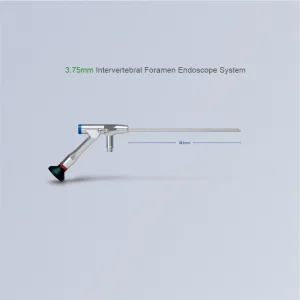
Foramen Endoscope (3.75mm): Ultra-high-definition optics for minimally invasive transforaminal decompression surgery.
Endoscope System Exporter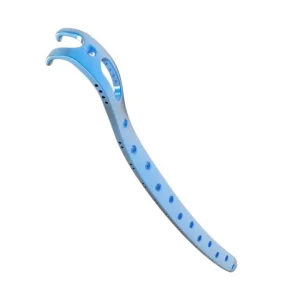
Proximal Femur Locking Plate III: Biomechanical fixation for unstable pertrochanteric and subtrochanteric hip fractures.
Proximal Femur Plate III ODM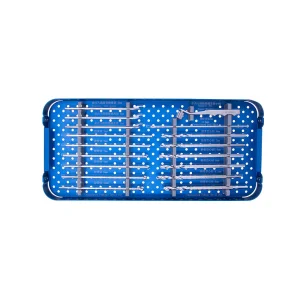
ACL/PCL Instrument Kit: High-precision tibial and femoral tunnel aiming guides, drills, and reamers for sports medicine knee surgery.
Buy ACL/PCL Instrument Set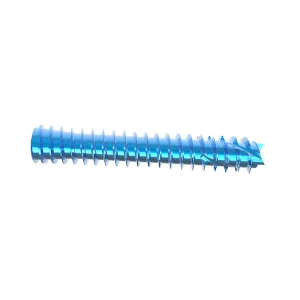
Headless Cannulated Screws: Differential pitch thread delivers powerful interfragmentary compression across scaphoid and intra-articular fractures.
Headless Cannulated Screws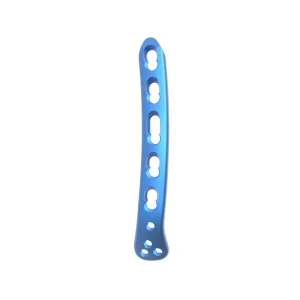
Posterolateral Humerus Plate: Low-profile anatomical pre-contoured locking plate for distal humerus shaft and supracondylar stabilization.
Distal Humerus Locking Plate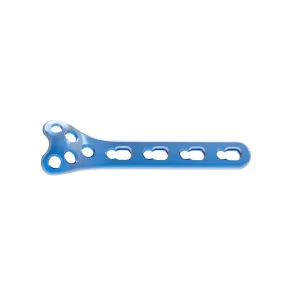
Radial Head Locking Plate: Designed to fit radial neck and head contour precisely, preventing impingement during forearm pronation-supination.
Radial Head Plate Manufacturer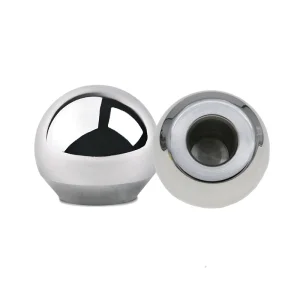
FDH Femoral Head: Cobalt-chromium and ceramic femoral heads with mirror-like sphericity tolerances for low-friction hip arthroplasty.
FDH Femoral Head Factory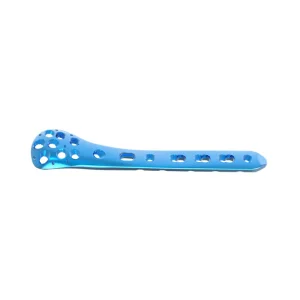
Proximal Humerus Plate II: Calcar-referencing screw holes designed to resist varus tipping in osteoporotic proximal humeral head fractures.
Proximal Humerus Plate IIRequest comprehensive product catalogs, OEM laser-marking quotations, and complete regulatory registration dossiers directly from our Beijing engineering headquarters.