
Trauma / Hip
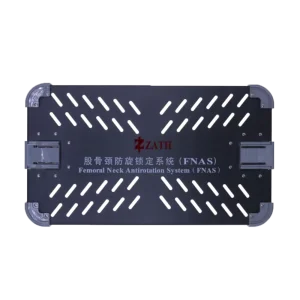
Precision-engineered titanium internal fixation devices, arthroplasty kits, and MIS instrument assemblies verified across international operating rooms.
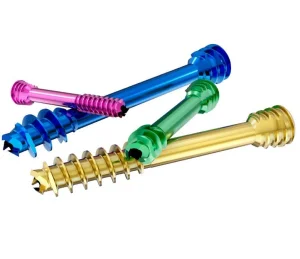
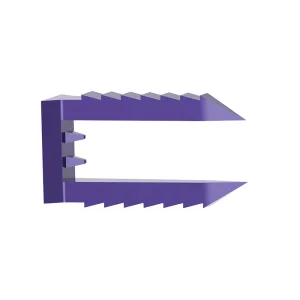
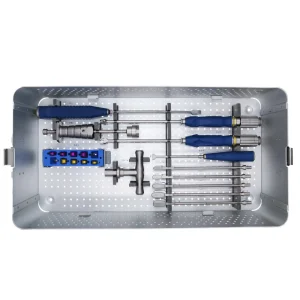
From dynamic compression to locked internal splinting: how locking compression plate (LCP) architectures resolve complex comminution and osteoporotic bone failure.
In contemporary orthopedic traumatology, the biomechanical paradigm has fundamentally transitioned from rigid frictional compression toward biological osteosynthesis (the "BO" concept). Conventional dynamic compression plates (DCP) rely strictly on the frictional interface between the undersurface of the plate and the periosteum. Generating this compressive friction mandates substantial torque during screw insertion, which inherently collapses the delicate periosteal vascular network, precipitates focal cortical necrosis, and elevates the risk of delayed union or stress fracture post-hardware removal.
As an authoritative ODM locking bone plate exporter and manufacturer, Beijing ZhongAnTaiHua Technology Co., Ltd. (ZATH) engineers implant architectures based on fixed-angle construct mechanics. When a locking screw engages the threaded combi-hole of a locking compression plate (LCP), it functions as an "internal-external fixator." The mechanical load is transferred directly through the screw heads into the rigid plate beam, bypassing the requirement for frictional plate-bone compression. This preserves periosteal blood flow, accommodates early mobilization, and delivers exceptional angular stability in osteoporotic, metaphyseal, and comminuted fracture configurations.
By locking the screw head into the plate at a predetermined or variable trajectory, cantilever bending forces are converted into compressive and tensile axial stresses along the plate longitudinal axis. This mechanism entirely prevents secondary toggling, screw back-out, and angular displacement—even when bone mineral density is critically degraded (T-score < -2.5).
| Biomechanical Parameter | Conventional Compression Plates (DCP/LC-DCP) | ZATH Advanced Locking Compression Plates (LCP) |
|---|---|---|
| Primary Stability Source | Plate-to-bone frictional contact force | Threaded screw-to-plate fixed-angle locking construct |
| Periosteal Perfusion Impact | High risk of vascular throttling & bone devitalization | Preserved periosteal microcirculation via sub-plate standoff |
| Screw Pull-Out Resistance | Relies on individual screw thread purchase in bone cortex | Summation resistance: entire construct functions as an integrated block |
| Performance in Osteoporotic Bone | High failure rate; screw stripping under physiological cycling | Excellent angular stability; resistant to toggle and progressive collapse |
| Anatomical Contouring Precision | Requires perfect manual contouring to match bony surfaces | Elastic bridging possible without obligatory flush cortical seating |
From raw aerospace-grade titanium billet to ultra-clean, sterilized Class IIb medical devices under full ISO 13485 oversight in Beijing.
Utilizing high-speed 5-axis DMG MORI and Citizen Swiss-type lathe centers. We achieve micro-tolerances within ±0.005 mm on intricate variable-angle locking threads, compound contours, and undercut recess grooves.
±5μm Precision MachiningRaw bar stock exclusively procured from aerospace-tier suppliers conforming to ASTM F136 / ISO 5832-3 (Ti-6Al-4V ELI) and ASTM F138 / ISO 5832-1 (316L Stainless Steel). Complete heat melt mill test certifications accompany every batch.
100% Raw Material Ingot TraceabilityAutomated multi-stage ultrasonic cavitation lines remove residual hydrocarbons. Packaged inside ISO Class 7 cleanrooms using DuPont™ Tyvek® thermoformed blisters validated according to ISO 11607-1/2 for 5-year shelf-life stability.
ISO Class 7 Cleanroom StandardsHeadquartered within the Zhongguancun Science and Technology Park (Pinggu Park, Beijing), ZATH operates an integrated orthopedic production campus spanning over raw material profiling, wire EDM, multi-axis simultaneous milling, electrochemical anodization (Type II hard-anodizing to eliminate cold-welding), automated laser micro-marking with Unique Device Identification (UDI), and validated cleanroom packaging.
This vertical integration insulates overseas distributors from volatile sub-tier contractor lead times. By coupling computerized manufacturing execution systems (MES) with digitized ERP inventory allocation, our supply chain guarantees rapid order turnaround, high surge-capacity elasticity, and continuous delivery across North America, Europe, Latin America, Southeast Asia, and the Middle East.
Pioneering smart biomechanical constructs, additive bio-mimetic lattices, resorbable metals, and carbon-composite radiotransparency.
Mitigating mechanical over-stiffness by introducing pin-in-sleeve micro-motion mechanics. Induces 0.2–0.5 mm of controlled axial displacement at the near cortex to promote symmetrical callus formation without asymmetric plate pull-out.
Prevents Stress ShieldingSelective Laser Melting (SLM) creates patient-matched anatomical plates featuring highly porous titanium diamond lattice undersurfaces. Accelerates osseointegration at metaphyseal segments while reducing structural modulus closer to cortical bone.
Bio-Mimetic EBM / SLM AdditiveNext-generation WE43 high-purity magnesium plates for craniomaxillofacial and pediatric trauma. Fully resorbable constructs degrade into harmless magnesium ions over 12–18 months, eliminating mandatory second-look hardware removal surgeries.
Resorbable OsteosynthesisCFR-PEEK composite plates offer complete radiolucency for unimpeded intraoperative fluoroscopic visualization and oncology artifact-free CT/MRI scanning, combined with extraordinary fatigue endurance mimicking natural bone flexure.
Radiolucent Oncology PlatesConfigured for distinct biomechanical zones: periarticular reconstructive buttressing, diaphyseal bridging, and complex periprosthetic fractures.
Pre-contoured profiles specifically optimized for the volar distal radius, proximal humerus (PHILOS configuration), distal femur, and proximal/distal tibia. Multidirectional screw trajectories support subchondral articular fragments without joint penetration.
Zero-Recontouring ArchitectureLong-span bridging plates engineered with tapered tips for percutaneous, submuscular insertion in Minimally Invasive Plate Osteosynthesis (MIPO). Maximizes fracture-spanning working length to evenly distribute strain and stimulate secondary bone healing.
Submuscular MIPO FriendlyEngineered to resolve Vancouver B1/C femoral fractures surrounding stable hip or knee prostheses. Integrates staggered bicortical locking screw options with broad lateral plate wings that accommodate titanium cerclage cables and trochanteric claw attachments.
Cable & Plate Construct SynergyAccelerating time-to-market for medical device multinationals, private label distributors, and regional orthopedic brands worldwide.
Clinical need translation into 3D SolidWorks/Creo parametric models. Design for Manufacturability (DFM) reviews optimize tool clearance, cycle speeds, and screw head locking torque retention profiles.
Finite Element Analysis (FEA) testing under extreme physiological gait loads. We simulate 4-point bending fatigue, cyclic cantilever loads, and screw pull-out forces per ASTM F382 before physical metal is cut.
Functional pilot lots manufactured within 10 to 15 working days. Delivered alongside matched trial instruments, bone models, and custom screw drill guides for cadaveric lab evaluations.
Delivery of comprehensive submission dossiers: biocompatibility testing (ISO 10993), sterilization validation (ISO 11137 / ISO 11607), biomechanical static/dynamic test reports, and risk management (ISO 14971).
Navigating the stringent landscape of international medical device regulations with documented audit trails and uncompromised compliance.
Our QMS covers every touchpoint: mechanical R&D, supply chain validation, multi-axis machining, visual CMM metrology inspection, cleanroom packaging, and lot traceability. Audited and certified continuously.
Audited QMS SystemComprehensive Clinical Evaluation Reports (CER), Post-Market Clinical Follow-up (PMCF) plans, and Technical Files aligned to European Medical Device Regulation Class IIb surgical implant criteria.
Class IIb Technical DossiersWe provide consular-legalized Certificates of Free Sale (FSC), Declaration of Conformity (DoC), regional product registration assistance, and express worldwide sample shipping via DHL/FedEx within 4 to 6 business days.
Worldwide Rapid LogisticsExpanding your inventory catalog with high-demand curved reconstruction plates, intramedullary instrumentation, and spinal fixation systems.
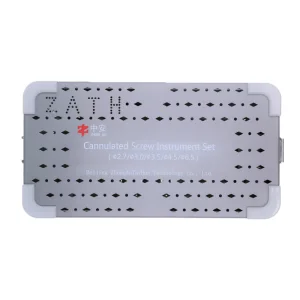
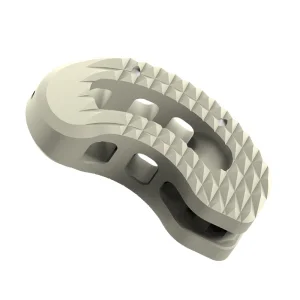
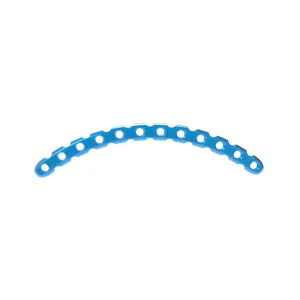
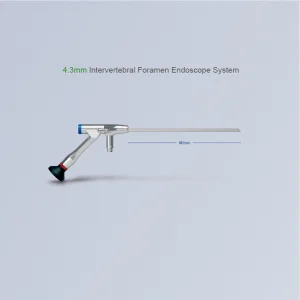
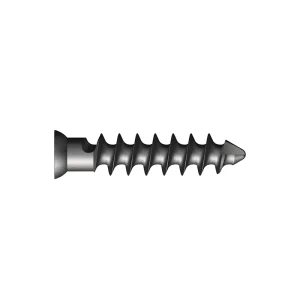
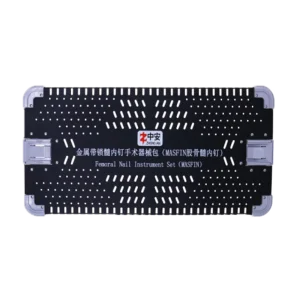
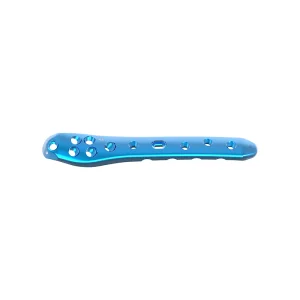
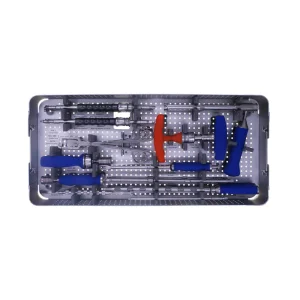
Deep-dive answers addressing mechanical safety, metallurgy, cold-welding mitigation, OEM private labeling, and registration protocols.
Cold welding (galling) occurs when identical titanium surfaces shear under high friction without lubrication. ZATH resolves this by applying an advanced electrochemical Type II Anodization process to our locking screws or plates. This alters the surface crystalline oxide matrix, creating an anti-galling boundary layer with elevated surface micro-hardness. In combination with calibrated lead pitch machining and torque-limiting screwdrivers (typically 1.5 Nm to 4.0 Nm depending on screw diameter), smooth intraoperative hardware extraction is assured.
Titanium Grade 5 ELI (ASTM F136) offers an elastic modulus of approximately 110 GPa—significantly closer to human cortical bone (18–20 GPa) than 316L Stainless Steel (approx. 200 GPa). This substantially reduces stress shielding and enhances MRI/CT diagnostic imaging clarity with minimal metallic bloom artifacts. Conversely, medical-grade 316L Stainless Steel provides higher ultimate ductile elongation, allowing extensive intraoperative contouring without immediate micro-fissuring, making it favored in select cost-sensitive emerging markets.
Yes. Through our full-service ODM department, we engineer polyaxial locking systems allowing screw trajectory variation up to ±15° off-axis (30° total cone of variability). Our engineers achieve this through spherical threaded combi-holes, multi-ridge columnar engagement, or specialized cap-screw configurations that preserve angular load stability regardless of insertion trajectory.
Every OEM/ODM export partner receives an exhaustive regulatory submission dossier, including ISO 13485:2016 certificates, Certificates of Free Sale (FSC), ISO 10993 full-panel biocompatibility test reports, mechanical dynamic fatigue test reports conforming to ASTM F382 / ISO 9585, ethylene oxide (EtO) / gamma radiation sterilization validation dossiers according to ISO 11135 / ISO 11137, and accelerated 5-year packaging aging validation files (ASTM F1980).
ZATH provides complete white-label and private-brand manufacturing. We support high-precision laser etching of your brand logo, reference codes, and machine-readable GS1/UDI 2D DataMatrix barcodes directly onto plates and screws. Packaging is fully customizable with multilingual Tyvek® box labeling. Minimum Order Quantities (MOQs) are remarkably flexible—ranging from pilot batches of 50–100 pieces for clinical field evaluations to high-volume containerized distributor consignments.
Yes. All plates and screws can be supplied sterile-packed within double-barrier medical blisters (PETG trays sealed with porous breathable Tyvek® lids) under ISO Class 7 cleanroom conditions. Sterile delivery eliminates hospital autoclaving preparation overhead, mitigates nosocomial infection liabilities, and preserves pristine thread geometry right up to surgical placement.
Partner directly with Beijing's premier ISO 13485-certified orthopedic foundry. Access our complete library of trauma, joint replacement, spine, and sports medicine platforms with comprehensive OEM/ODM engineering support.