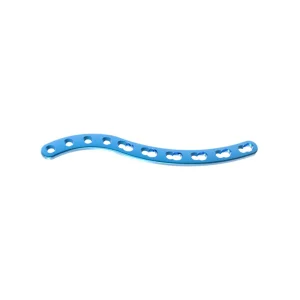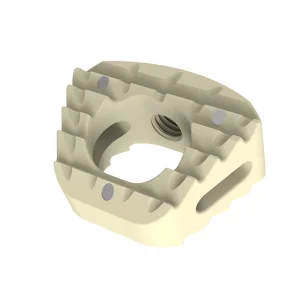
Precision Engineering Catalog
High-Priority Surgical Implants & Systems
Explore our foundational range of CE-certified orthopedic components, joint replacements, and traumatology solutions engineered under cleanroom ISO 13485 standards.
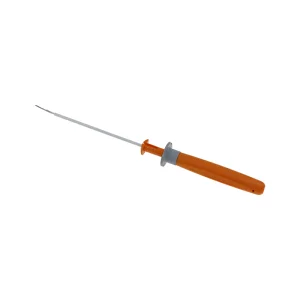
ODM Orthopedic Fast All Inside Meniscal Repair Device System Products, Service
View Product Specs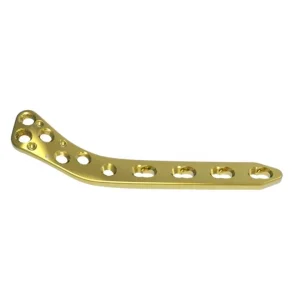
OEM Proximal Lateral Tibia Locking Compression Plate Supplier, Factories
View Product Specs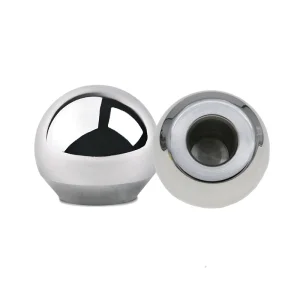
Famous Artificial Hip Joint FDH Femoral Head Factories, Companies
View Product Specs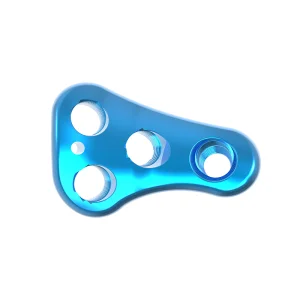
High-Quality Proximal Femur MIS Locking Plate II Suppliers, Product
View Product Specs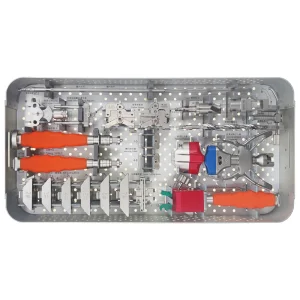
ODM New design quality guaranteed total knee joint instruments Manufacturer, Exporter
View Product Specs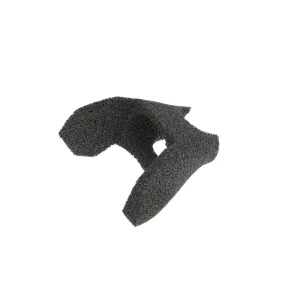
Famous China factory 3D Printing Knee Joint sleeve Germany quality Companies, Service
View Product Specs
Discount Orthopedic Implants Titanium Alloy Material Patella Pin Suppliers, Exporters
View Product Specs
Engineering Whitepaper
Biomechanical Principles & Clinical Architecture of Intramedullary Femoral Nails
A rigorous examination of intramedullary fixation kinetics, bending moments, stress shielding mitigation, and advanced metallurgical choices for orthopedic device sourcing executives.
Axial Load-Sharing Mechanics
Unlike extramedullary locking compression plates that generate an eccentric bending cantilever, intramedullary femoral nails align directly with the physiological mechanical axis of the femur. This central positioning dramatically minimizes bending moment forces, shifting the construct from pure load-bearing to optimal micro-motion load-sharing, which accelerates secondary periosteal callus formation according to Wolff’s Law.
Anatomical Curvature (Radius of Curvature)
Modern clinical data highlights the peril of excessive nail stiffness and mismatch with the natural anterior femoral bow. High-performance OEM femoral nails feature an optimized Radius of Curvature (ROC) calibrated between 1,500 mm and 2,000 mm. This reduction from traditional 3,000 mm radii prevents anterior cortical impingement, distal perforation, and malreduction during both reamed and unreamed insertions.
Helical Blade vs. Dual Lag Screws
In proximal trochanteric fractures (AO/OTA 31-A1 to A3), cut-out within osteoporotic cancellous bone of the femoral head represents the primary mechanical failure mode. OEM nail systems accommodate either an integrated helical spiral blade—which compacts surrounding bone rather than removing it—or dynamic dual interlocking lag screws with controlled anti-rotation telescoping mechanisms to preserve articular integrity.
Clinical Kinematics and Rotational Control Dynamics
Intramedullary nailing has evolved from an empirical emergency stabilization method into a high-precision biomechanical science. In high-energy comminuted diaphyseal fractures (AO/OTA 32), multi-planar distal interlocking holes (combining static, dynamic, and oblique targeting) provide superior torsional stability against the twisting moments imparted by the quadriceps and hamstring groups. For distal metadiaphyseal fractures, nails engineered with ultra-distal multi-directional cross-screws ensure stability close to the subchondral plate, eliminating the risk of coronal or sagittal angulation tilt post-operatively.
The metallurgical selection plays a pivotal role in the biomechanical longevity of the implant. Medical-grade Ti-6Al-4V ELI (ASTM F136 / ISO 5832-3) exhibits an elastic modulus of approximately 110 GPa—significantly closer to cortical bone (18-20 GPa) than 316L stainless steel (210 GPa). This modulus reduction suppresses the classic stress-shielding effect, preventing localized peri-implant bone resorption and reducing the incidence of non-unions, refractures, and late implant fatigue breaks.
Clinical Insight: The integration of cannulated intramedullary designs with progressive wall thickness gradients allows surgical delivery over rigid 3.2 mm ball-tipped guide wires while maintaining maximum moment of inertia (Ixx/Iyy) across the fracture zone, minimizing fatigue failure during the critical 12 to 24-week healing window.
Direct-From-Factory Cost Breakdown
Intramedullary Femoral Nail OEM Pricelist Architecture
Understanding cost drivers in precision medical manufacturing: raw material certification, high-axis CNC cycle times, sterile packaging, and minimum order quantity (MOQ) scale tiers.
| System Category | Material Specification | Design Configurations | MOQ (Standard / Custom) | OEM Unit Price (FOB Tier 1: 50-200 pcs) | Wholesale Direct (500+ pcs) |
|---|---|---|---|---|---|
| Proximal Femoral Nail Antirotation (PFNA) | Ti-6Al-4V ELI (ASTM F136) | Short (170-240mm) / Long (340-420mm), Helical Blade | 20 / 50 sets | $145.00 – $185.00 | $95.00 – $120.00 |
| Interlocking Retrograde / Antegrade Femur Nail | Medical Titanium Grade 23 | Universal Left/Right, 9-12mm Diameters, Static/Dynamic | 20 / 50 sets | $110.00 – $145.00 | $75.00 – $98.00 |
| Recon Cephalomedullary Femur System | Ti-6Al-4V ELI / High-Tensile Ti | Dual 6.5mm Lag Screws, 125°/130° CCD Angles | 15 / 50 sets | $160.00 – $210.00 | $115.00 – $140.00 |
| Pediatric / Adolescent Femoral Nail | Medical Grade Titanium / SS316LVM | Elastic Stable (ESIN) & Rigid Solid (7-9mm) | 30 / 100 sets | $65.00 – $95.00 | $42.00 – $60.00 |
| Locking & Condylar Interlocking Screws | Ti-6Al-4V ELI (Torx / Hex Stardrive) | Self-Tapping Cortical (3.5mm, 4.5mm, 5.0mm) | 100 / 500 pcs | $12.00 – $18.00 | $6.50 – $9.80 |
| Dedicated Carbon Fiber Targeting Frame & Tooling Set | Medical Carbon Fiber & 17-4PH Stainless | Radiolucent Distal Aiming Jig, Reamers, Extractors | 1 / 5 sets | $1,800.00 – $3,200.00 | $1,250.00 – $1,850.00 |
Market Intelligence
Global Commercial Dynamics & Contract Manufacturing Trends
A macro-economic analysis of the orthopedic trauma device supply chain, regulatory barriers, and hospital procurement shifts across key international regions.
The global orthopedic fixation devices market is undergoing a seismic realignment. Historically, Western multinational conglomerates (MNCs) commanded upwards of 75% market share with premium price points, driven by legacy hospital contracts and proprietary instrument patents. However, the confluence of public healthcare budget contractions, centralized tender bidding systems, and the implementation of the European Medical Device Regulation (EU MDR 2017/745) has forced healthcare authorities and private hospital groups to reassess total procurement expenditures.
European Union & MDR Consolidation
Under the stringent requirements of EU MDR 2017/745, notified bodies have faced immense backlogs, leading legacy European brands to discontinue niche or cost-prohibitive trauma lines. High-tier contract manufacturers capable of providing complete Technical Documentation dossiers, ISO 10993 biocompatibility compliance, and validated ASTM F383 fatigue test data are rapidly filling this commercial vacuum via private-label partnerships.
Asia-Pacific Centralized Volume Sourcing
The Asia-Pacific region, led by China's Volume-Based Procurement (VBP) policy, has rewritten the global unit economics of trauma devices. Implants that once commanded $800 to $1,500 at hospital retail are now procured via aggressive high-volume tenders. This has separated lean, vertically integrated manufacturers from middlemen, empowering factories with large-scale automated CNC capacity to dominate international export channels.
Emerging Markets (LATAM, MENA, CIS)
In rapidly developing healthcare networks across Latin America, the Middle East, and Central Asia, the primary demand centers on reliable clinical efficacy coupled with price sustainability. Healthcare providers in these territories are bypassing Tier-1 MNC premiums in favor of ISO 13485-certified OEM partners that offer complete surgical sets, customized brand labeling, and flexible freight routes.
Industrial Capability
China Supply Chain Resilience: Factory Automation & Quality Rigor
Inside Beijing ZhongAnTaiHua Technology Co., Ltd. (ZATH) — industrial scaling, material metallurgy, and zero-defect quality control systems.
Operating out of the Xinggu Industrial Area within the Zhongguancun Science and Technology Park in Pinggu, Beijing, ZATH represents the zenith of contemporary Chinese medical engineering. Established in 2009, the facility encompasses over 300 highly specialized personnel, including nearly 100 dedicated manufacturing technicians, tooling engineers, and QA specialists.
Vertically Integrated 6-Stage Manufacturing Ecosystem
The core advantage of Chinese medical supply chain resilience lies in total vertical integration. Rather than outsourcing secondary operations, ZATH maintains every phase of production under a unified quality roof:
- Raw Material Receipt & Spectrographic Analysis: Every titanium rod (Ti-6Al-4V ELI) is logged with chemical composition analysis, metallurgical grain size verification, and ultrasonic internal defect scanning.
- Multi-Axis Swiss CNC Machining: Advanced multi-tasking turning centers mill complex screw threads, locking grooves, and deep cannulation pathways in a single continuous setup, eliminating re-clamping runout errors.
- Wire EDM & Laser Profiling: Precision Wire Electrical Discharge Machining shapes stress-relieved contours and slotted proximal geometries without introducing micro-structural thermal warping.
- Automated Mechanical & Optical Metrology: Laser coordinate measuring machines (CMM) and 3D surface profilers cross-verify tolerances down to ±0.008 mm, segregating non-compliant geometries automatically.
- Chemical Passivation & Type II Anodization: Surface treatments create a dense, bio-inert titanium oxide layer that increases corrosion resistance and color-codes nail diameters for intuitive operating theater workflows.
- ISO Class 7 Cleanroom Blister Packaging: Implants are double-blister sealed using medical-grade Tyvek under strict microbiological monitoring, compatible with validated Gamma radiation or Ethylene Oxide (EtO) sterilization.
Supply Chain Security: ZATH maintains active raw material buffers exceeding 90 metric tons of certified titanium and cobalt-chrome bar stocks. This shields global distribution partners from international metal price volatility and guarantees continuous delivery schedules even during macro-economic raw material crunches.
Surgical Scenarios
Localized Clinical Scenarios & Anatomical Adaptations
Addressing morphometric diversity in femur bow curvature, geriatric osteoporosis challenges, and damage control orthopedics in low-resource environments.
Asian vs. Caucasian Femoral Bow Geometries
Anthropometric clinical studies demonstrate marked differences in femoral curvature across regional populations. Asian femora generally present a tighter anterior curvature (ROC ~1,200 mm to 1,500 mm) and smaller medullary canal diameters compared to Caucasian femora (ROC ~1,800 mm to 2,200 mm). ZATH’s OEM development teams design tailored nail matrices featuring matched radii and proximal lateral flares (4° to 6°) to eliminate iatrogenic distal anterior cortex perforation in smaller-stature patient demographics.
Geriatric Fragility Fractures (Osteoporotic PFNA)
With global demographic aging, intertrochanteric fractures in low-bone-density patients are rising exponentially. The mechanical response requires implants that resist screw pull-out. Our cephalomedullary systems utilize spiral helical blades that condense trabeculae upon insertion. When combined with cement-augmentation cannulated delivery systems, polymethylmethacrylate (PMMA) can be precisely injected through the blade into the femoral head, increasing pull-out resistance by over 240%.
Polytrauma & Damage Control Orthopedics (DCO)
In high-velocity polytrauma cases where prolonged surgical time elevates the risk of ARDS or fat embolism syndrome, retrograde unreamed intramedullary femoral nailing offers rapid, minimally invasive stabilization. Inserted via a small 3 cm trans-patellar tendon incision with patient positioning remaining supine, operating theater time is compressed to under 40 minutes, minimizing periosteal blood supply compromise and systemic inflammatory surges.
Next-Gen Technology
Technological Roadmap: The Next Era of Intramedullary Osteosynthesis
Pioneering the convergence of digital telemetry, bio-resorbable locking mechanics, and additive 3D trabecular architectures.
The fundamental geometry of the intramedullary nail has matured over eight decades since Gerhard Küntscher's initial innovations; however, the technology frontier is shifting rapidly toward smart materials, biological interface enhancement, and real-time sensor integration. ZATH’s engineering R&D division is actively testing and validating four core pillars for next-generation OEM platforms:
Smart Telemetric Strain-Sensing Nails
Embedding micro-electro-mechanical systems (MEMS) piezoresistive strain gauges within the hollow core of the nail. Powered inductively via external RFID reader wands during routine clinical check-ups, the implant quantifies micro-strain deflection across the fracture gap. This provides orthopedic teams with objective digital metrics indicating physiological osseous bridging long before radiographic callus formation becomes visible on planar X-rays.
Bioactive Nano-Coatings & Infection Prophylaxis
Intramedullary osteomyelitis represents a catastrophic surgical complication. Emerging OEM nail surfaces incorporate dual-action surface technologies: ultra-thin atomic-layer deposition of silver-doped hydroxyapatite and bioactive gentamycin-eluting polymeric coatings. These prevent bacterial colonization and biofilm establishment by Staphylococcus aureus without hindering osteoblast cell attachment.
Electron Beam Melting (EBM) 3D Trabecular Zones
Selective laser melting (SLM) and EBM additive technologies enable the fabrication of hybrid intramedullary nails. While the solid core maintains high torsional and shear yield strength, the proximal trochanteric zone is printed with an open-cell porous titanium lattice (65% porosity, 450-micron pore size) mimicking cancellous bone to promote deep bony ingrowth and prevent late proximal migration.
Global Compliance
Localized Support & Regulatory Compliance Dossiers
De-risking regulatory approvals: complete Technical Documentation files for FDA 510(k), CE MDR 2017/745, and international Ministry of Health registrations.
Acquiring surgical implants from an OEM partner is fundamentally contingent on paperwork rigor. A brilliant biomechanical design is useless if market registration stalls due to gaps in biocompatibility dossiers or sterilization validation reports. ZATH’s dedicated international regulatory affairs team provides turnkey technical documentation packets structured specifically for local registration success:
ISO 13485:2016 Certified Auditing
Complete certified quality system covering design, procurement, machining, packaging, and customer service. Every manufacturing lot generates an exhaustive Device History Record (DHR) retained for a minimum of 15 years, guaranteeing lot-level traceability from titanium ingot to operating table.
ASTM F383 & ISO 15374 Mechanical Testing
Empirical static and dynamic mechanical fatigue reports. Our intramedullary constructs are validated through five million cycles of cyclic bending fatigue testing without catastrophic failure or permanent plastic deformation under simulated physiological walking loads.
Biological Safety (ISO 10993 Series)
Full suite cytotoxicity, intracutaneous irritation, systemic toxicity, pyrogenicity, and hemocompatibility clearance reports from internationally accredited GLP laboratories, satisfying the stringent scrutiny of FDA 510(k), ANVISA, COFEPRIS, and GCC health ministries.
Procurement Intelligence
Frequently Asked Questions for Surgical Distributors & OEMs
Essential guidance on lead times, customization, sterilization integrity, and instrument set maintenance.
What are the typical OEM customization capabilities for femoral nail systems?
ZATH offers extensive private-label customization options, including custom laser marking (brand logos, catalog codes, lot numbers, dimensional markers), custom proximal/distal curvature angles, proprietary proximal thread pitches, specific surface color anodizing (gold, cyan, deep blue, magenta), and distributor-tailored sterile packaging boxes and multi-language label artwork compliant with EU MDR UDI specifications.
What is the minimum order quantity (MOQ) for custom vs. standard nail inventories?
For standard factory inventory items, the MOQ is as low as 10 to 20 units per size specification, allowing distributors to assemble comprehensive clinical sizing racks without extreme capital lockup. For fully customized OEM projects requiring dedicated CNC tooling setups or modified geometries, MOQs generally start at 50 to 100 units per dimension family.
How are surgical instrument sets supplied and supported across hospital trials?
Every nail system is matched with a custom-machined surgical instrument set containing carbon-fiber radiolucent proximal targeting jigs, calibrated cannulated reamers, tissue protectors, guide-wire pushers, and extractors. Instruments are constructed from heat-treated 17-4PH / 420B stainless steel and medical-grade polyphenylsulfone (PPSU) trays capable of withstanding hundreds of autoclave sterilization cycles.
What sterilization packaging options are provided for export orders?
Implants can be supplied in two forms: 1) Non-sterile bulk packaging in anti-static protective sleeves within custom autoclavable boxes, or 2) Pre-sterilized, double-blister Tyvek packaging processed under ISO 11137 Gamma radiation or ISO 11135 Ethylene Oxide sterilization, offering a validated 5-year sterile shelf life.
What is the typical production and delivery lead time for wholesale batches?
In-stock inventory orders are prepared and dispatched within 48 to 72 hours via international express couriers (DHL, FedEx, UPS, TNT), arriving at global destination ports in 4 to 6 business days. New production runs for volume distributor orders typically take 3 to 5 weeks from technical drawing sign-off to factory dispatch.
Can ZATH provide the regulatory technical files for local registration?
Yes. We supply comprehensive regulatory registration dossiers, including ISO 13485:2016 certificates, Free Sale Certificates (FSC), Letters of Authorization (LOA), material test certificates (MTR), biocompatibility summaries (ISO 10993), packaging validation reports (ISO 11607), and biomechanical test reports to support national healthcare ministry submissions.
How does the distal targeting accuracy remain calibrated over repeated surgical uses?
ZATH’s targeting frames are engineered with rigid aerospace carbon-fiber arms and titanium coupling joints to eliminate mechanical deflection under surgical vibration. For long femoral nails where distal canal deformation is variable, we provide mechanical deflection-compensating sleeves and optional magnetic/free-hand radiolucent drill guide attachments to guarantee 100% distal locking screw placement accuracy.
Complementary Clinical Portfolio
Orthopedic Trauma, Joint & Sports Medicine Implants
Complete surgical lines designed to streamline hospital tender packages, arthroscopic repairs, and multi-system traumatology procurement.
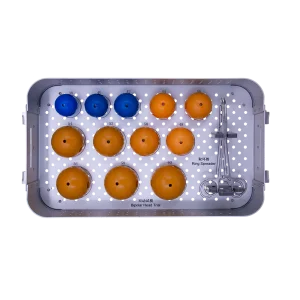
Famous Orthopedic Implant Human Use Bipolar Hip Instrument Set Suppliers, Exporter
View Product Specs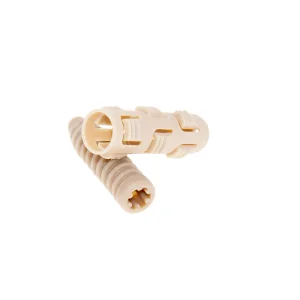
OEM Zath Sports Medicine Orthopedic Suture Anchor Implant Company, Service
View Product Specs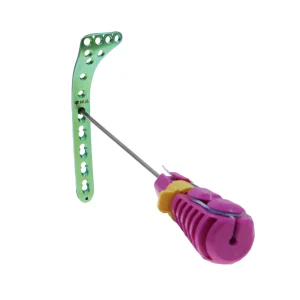
CE Certification CE Approved Hospital Use All Suture Anchor Titanium With Needle Factory, Companies
View Product Specs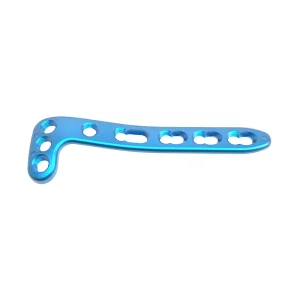
Best Proximal Medial Tibia Locking Compression Plate I Pricelist, Product
View Product Specs
Wholesale High Quality CE Approved Stainless Steel Orthopedic Bone Pin Factory, Quotes
View Product Specs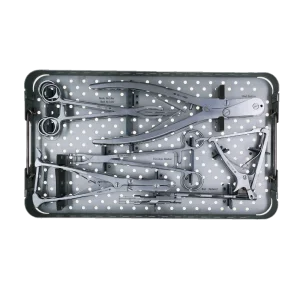
Custom CE approved Orthopedic Ladder OCT Instrument Set for sale Suppliers, Company
View Product Specs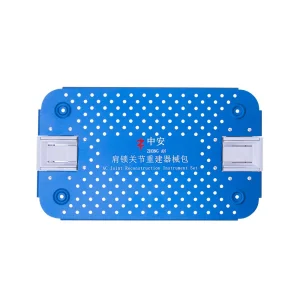
ODM AC Joint Reconstruction Instrument Set Supplier, Products
View Product Specs