
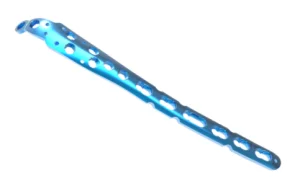
Surgical Implant Portfolio
Precision Internal Fixation & Arthroplasty Platforms
Explore our ISO 13485 certified implant systems engineered for trauma, spine, joint reconstruction, and sports medicine distribution partners worldwide.
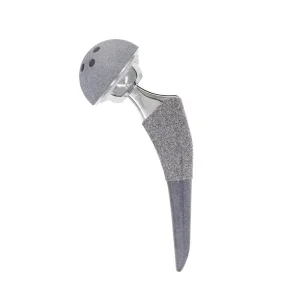
Ti Alloy JDS Total Hip Joint Prosthesis
Request Quote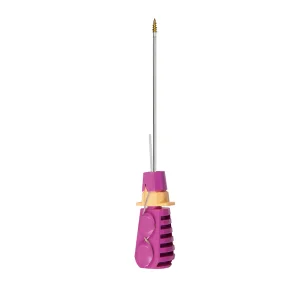
ODM Titanium Orthopedic Suture Anchor
Request Quote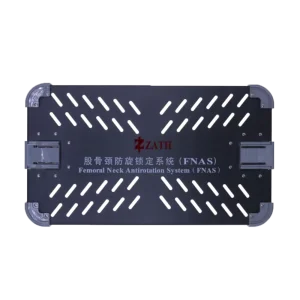
Femoral Neck Antirotation System (FNAS)
Request Quote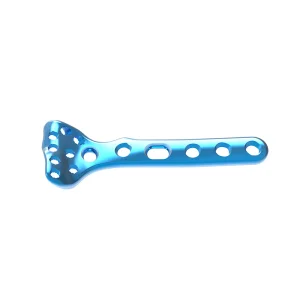
ODM Distal Volar Radius (DVR) Locking Plate
Request Quote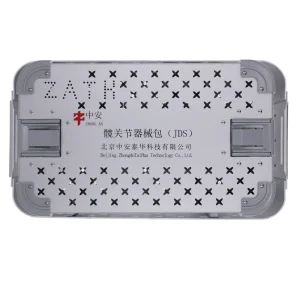
JDS Stem Hip Revision Instruments & Implant
Request Quote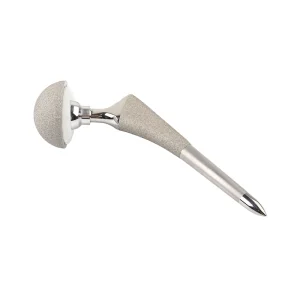
FDS Cementless Stem Hip Joint Prosthesis
Request Quote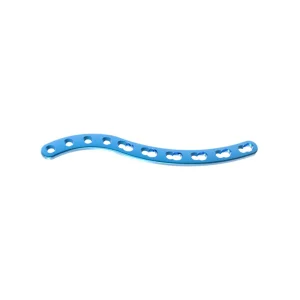
S-Shape Clavicle Locking Compression Plate
Request Quote98.2%
Primary Union Rate
Neer Type II Distal Clavicle Fractures
±0.005mm
CNC Swiss Lathe Precision
ISO 13485 Medical Clean Machining
15+
Years Engineering OEM
Serving 40+ National Healthcare Markets
4-6Days
Express Logistics Cycle
DHL/FedEx Sterile Pack Dispensation
Clinical Biomechanics & Engineering Whitepaper
OEM Orthopedic Clavicle Hook Locking Plates: Biomechanical Rationale & Industrial Manufacturing Paradigms
Distal clavicle fractures and high-grade acromioclavicular (AC) dislocations present profound reconstructive challenges in modern orthopedic trauma. This comprehensive industry analysis evaluates internal cantilever fixation mechanics, raw material science, Chinese smart-factory cost efficiencies, and contract manufacturing strategies for enterprise healthcare brands.
Pathomechanics of Distal Instability
Fractures of the lateral third clavicle (Neer Type IIA and IIB, Craig Type II) feature severe muscular deforming vectors. The sternocleidomastoid muscle violently elevates the medial clavicle fragment, while the weight of the arm and latissimus pull the lateral acromial girdle downward, causing high nonunion rates (up to 33%) under conservative immobilization.
- Disruption of coracoclavicular (CC) ligaments
- Rotational shear forces along coronal axis
Lever-Arm Cantilever Physics
The Clavicle Hook Locking Plate functions through dynamic lever-arm mechanics. The trans-acromial hook engages the posterior-inferior cortex of the acromion, providing a rigid fulcrum that immediately neutralizes vertical displacement and counteracts the upward pull of the trapezius, converting destructive tension into stable compressive vectors across fracture margins.
- Preserves physiological AC joint gliding
- Immediate rigid biological reduction
Ligamentous Augmentation Bridge
In Rockwood Grade III, IV, and V acromioclavicular joint dislocations, complete tear of the conoid and trapezoid ligaments destroys superior and horizontal stability. The locking hook plate acts as an internal orthosis, maintaining anatomical alignment throughout the 8 to 12-week cicatrization phase required for functional CC ligament fibroblastic restoration.
- Eliminates coracoid drilling hazards
- Sub-acromial smooth chamfering prevents bursal tear
Evidence-Based Comparative Analysis
Clinical Fixation Modalities for Neer Type II & Rockwood III-V Injuries
A quantitative technical evaluation comparing the biomechanical rigidity, surgical complexity, complication risks, and hospital costs of major commercial fixation options.
| Fixation Modality | Primary Construct Stiffness | Coracoid Iatrogenic Risk | Soft Tissue Irritation | Implant Removal Necessity | B2B Unit Cost Index |
|---|---|---|---|---|---|
| Anatomical Clavicle Hook Locking Plate (ZATH OEM) | Superior (Lever-Arm Rigid) | None (No coracoid contact) | Low to Moderate (Smooth undersurface) | Mandatory at 8–16 Weeks | Competitive / Moderate |
| Arthroscopic Suture Button (Endobutton / TightRope) | Moderate (Elastic micromotion) | High (Coracoid tunnel drill fracture risk) | Low (Minimal hardware prominence) | Optional / Rare | High (Proprietary implants & towers) |
| Transacromial Kirschner Wires (K-Wires + Tension Band) | Low (Rotational instability) | None | High (Skin erosion, pin migration) | Mandatory at 6–8 Weeks | Low (Legacy technique) |
| Coracoclavicular (Bosworth) Screw System | High (Rigid vertical fixation) | Moderate (Coracoid tap pullout) | Moderate (Screw head prominence) | Mandatory before full abduction | Low to Moderate |
| Distal Clavicle Superior Locking Compression Plate | Moderate (Poor bite in tiny lateral fragments) | None | Low | Optional | Moderate |
The Ergonomics of Subacromial Offset: Why Depth & Angle Matter
Historical clinical studies reported rates of subacromial osteolysis ranging from 12% to 28% when first-generation hook plates were deployed. The root cause lay in standardized, non-anatomical perpendicular hook bends that concentrated excessive focal loads upon the undersurface of the acromion during passive arm abduction.
Modern ZATH OEM designs incorporate a specialized 95° to 105° sagittal hook inclination angle combined with a spherical bullet-tip polish. This architecture evenly distributes contact pressures across the lateral subacromial arch, allowing early passive mobilization without generating focal bone resorption or supraspinatus impingement.
Engineering Breakthrough: Dual-radius hook contouring ensures that as the scapula tilts through scapulothoracic rhythm, the plate's hook point slides smoothly within the subacromial space without catching on the acromial bursa or penetrating the subacromial cortex.
Combi-Hole Locking Versatility: Diaphyseal Compression
Trauma orthopedics requires both absolute bone fragment stability and preservation of periosteal microcirculation. ZATH clavicle hook plates integrate combi-holes across the diaphyseal body. The dynamic compression unit (DCU) slot accepts 3.5mm cortex screws for axial fracture gap compression, while the threaded locking perimeter accommodates 3.5mm self-tapping locking screws for angular stability.
This hybrid fixation ensures that even in osteoporotic bone or comminuted fractures where screw pullout is common, the locking construct acts as an internal fixator, resisting toggling forces without compressing the plate flatly onto the periosteum, thereby protecting endosteal blood supply.
Clinical Safety Protocol: Implant retrieval is strongly advised between post-operative weeks 12 and 16 once full radiographic consolidation or ligamentous fibrous repair is proven, preventing secondary stress shielding and rotator cuff abrasion.
Intelligent Manufacturing Hub
Why Global Tier-1 Distributors Source OEM Implants in China
A synergy of aerospace-grade CNC technology, end-to-end metallurgical quality control, and cluster-based supply chain agility provides an insurmountable commercial advantage for medical brand owners.
5-Axis Swiss Machining
Multi-axis Citizen, Star, and DMG Mori CNC machining centers mill complex anatomical plates from solid Ti-6Al-4V ELI titanium bar stock in a single setup, eliminating tool chatter and guaranteeing dimensional tolerances within ±5 microns.
ISO 13485 Cleared QMS
Every single production lot undergoes 100% CMM coordinate measurement, thread pitch verification, laser profiling, surface roughness (Ra < 0.4 μm) inspection, and full chemical composition tracking matching ASTM F136 standards.
35–55% Cost Reduction
Direct manufacturer sourcing eliminates layered distribution markups. Chinese medical device industrial parks benefit from streamlined material supplies, local precision toolmaking, and reduced labor cycle overheads without compromising safety.
Class 10,000 Cleanroom
Automated ultrasonic degreasing, passivation, and Tyvek blister heat-sealing take place within certified ISO Class 7 / Class 10,000 cleanrooms. Implants arrive sterile-packaged via EtO or gamma radiation, OR-ready for surgical deployment.
Full-Stack Contract Engineering
OEM & ODM Customization Capabilities for Brand Owners
From white-label implant kits with localized regulatory dossiers to entirely customized hook curvatures and sterile barrier pouch printing, we engineer your proprietary market advantage.
Plate Dimension & Hook Depth
We machine 4, 5, 6, 7, and 8-hole diaphyseal configurations in distinct left and right anatomical molds. Hook depths are calibrated in 12mm, 15mm, and 18mm options to precisely match patient acromial variations across Asian, Caucasian, and African anthropometric cohorts.
Color Anodization & Laser UDI
Type II and Type III electro-chemical color anodization (Medical Gray, Deep Teal, Golden, and Cobalt Blue) allows instant visual sizing during surgery. High-contrast fiber-laser marking encodes FDA/MDR compliant Unique Device Identification (UDI) matrix codes.
Dedicated Surgical Toolsets
A successful trauma system requires intuitive instrumentation. We manufacture dedicated 17-4PH stainless steel and titanium instrument kits: drill guides, depth gauges, trans-acromial hook trial rasps, bone holding forceps, and torque-limiting screwdrivers.
Technical File & Registration
Distributor partners receive full regulatory dossier documentation: ISO 10993 biocompatibility testing, ASTM F382 static and dynamic four-point bending fatigue certificates, shelf-life accelerated aging data, and clinical evaluation summaries for seamless MoH registration.
Industry Frontiers
Clinical Application Scenarios & Future Technological Evolutions
Examining how modernized operative workflows and hybrid bio-materials are reshaping the standard of care in high-impact trauma centers.
Sports Injury & High-Velocity Trauma
Clavicle fractures account for 2.6% to 4% of all adult fractures, with lateral third injuries predominantly affecting young athletes (rugby, cycling, martial arts) and motor vehicle accidents. The Clavicle Hook Locking Plate delivers exceptional immediate torsional resistance, allowing patients to resume assisted range-of-motion therapy weeks earlier than non-operative bracing.
Active Geriatric Osteoporotic Fixation
In older populations with fragile bone architecture, classic low-profile distal plates often fail due to insufficient screw purchase in the short lateral bone fragment. The hook plate's subacromial anchor acts independently of bone density in the distal clavicle, preventing superior fragment migration and reducing nonunion complications in low-demand elderly patients.
Hybrid Dynamic Fixation Systems
The next generation of trauma fixation combines the rigid bony stabilization of a clavicle hook plate with integrated suture-anchor or endobutton pass-through eyelets. This hybrid concept reconstructs the native coracoclavicular ligament complex biologically while the metal plate provides temporary cantilever shielding, ensuring persistent joint stability even after implant removal.
Buyer Knowledge Center
Frequently Asked Questions: Global Procurement & Engineering
Direct answers to the most common inquiries from biomedical engineers, tender directors, and medical device distributors.
What raw material standards do you utilize for Clavicle Hook Locking Plates?
Our orthopedic clavicle hook locking plates are precision-machined from certified medical-grade titanium alloy Ti-6Al-4V ELI (Extra Low Interstitial) conforming strictly to ASTM F136 and ISO 5832-3 standards. For specific regional tenders requiring stainless steel solutions, we also manufacture constructs in high-nitrogen 316L medical stainless steel conforming to ISO 5832-1 / ASTM F138. Mill test certificates with full chemical ingot analysis and tensile strength testing are provided with every batch.
How does your hook plate design mitigate subacromial impingement and bone osteolysis?
Subacromial complications in legacy plates arose from blunt, non-anatomical perpendicular hook designs. ZATH's OEM hook plate features an anatomically curved hook angle (95°–105° sagittal pitch) with a multi-axis spherical chamfer and high-gloss electropolished hook tip. This curvature mirrors the natural slope of the inferior acromial surface, distributing peak biomechanical pressure evenly across a larger surface area and dramatically lowering the incidence of stress erosion and subacromial bursal fraying.
What are the available hook depth configurations, and how are they sized intraoperatively?
We manufacture hook depths of 12mm, 15mm, and 18mm (with 4, 5, 6, 7, and 8-hole diaphyseal lengths) in mirrored Left and Right geometries. Our matching surgical instrument tray includes color-coded trial hook rasps. The surgeon assesses the depth between the superior clavicular cortex and the undersurface of the posterior acromion under fluoroscopy to choose the optimal hook depth, ensuring the plate rests flush on the clavicle shaft without elevating the acromion or digging into the rotator cuff.
What are the minimum order quantities (MOQ) and lead times for OEM private labeling?
Standard inventory items can be dispatched within 4 to 6 business days via DHL, FedEx, or air freight. For OEM private labeling orders involving custom laser-etched distributor branding, specialized packaging box artwork, and color anodization batches, our typical MOQ starts at 50 to 100 units per specification, with production lead times averaging 3 to 4 weeks depending on production scheduling.
Are the implants delivered in sterile barrier packaging or non-sterile bulk?
We offer both packaging options. Non-sterile plates are packaged in protective medical-grade poly sleeves within protective shipping cartons for sterilization in hospital autoclaves. Sterile-packed units are sealed inside double-layer Tyvek® thermoformed blister packs within an ISO Class 7 cleanroom environment, sterilized via Ethylene Oxide (EtO) with 5-year validated shelf life indicators and traceability barcode labels.
What international regulatory certifications do you supply to support local registration?
ZATH operates under an audited ISO 13485:2016 Medical Device Quality Management System. We provide qualified brand partners with complete CE MDR technical files, Free Sale Certificates (FSC) issued by national health authorities, Certificate of Origin (COO), ISO 10993 cytotoxicity and biological evaluation summaries, and mechanical fatigue testing documentation according to ASTM F382.
Comprehensive Trauma & Spine Line
Associated Orthopedic Implants & Surgical Instrument Sets
Complete your regional distribution portfolio with our high-precision matching plates, intramedullary rods, and spinal fusion devices.
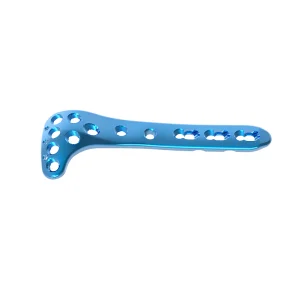
Proximal Lateral Tibia Locking Plate IV
Request Quote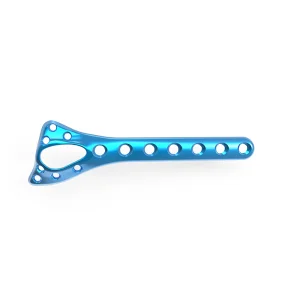
ODM DDR Locking Compression Plate
Request Quote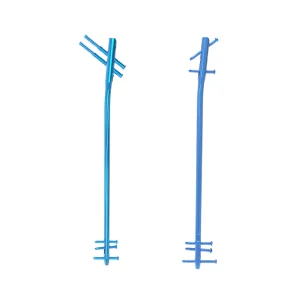
MASFIN Femur Intramedullary Nail System
Request Quote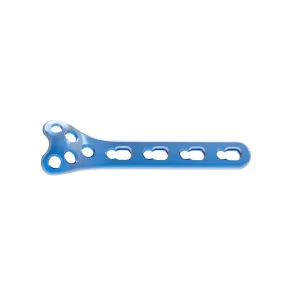
Radial Head Locking Compression Plate
Request Quote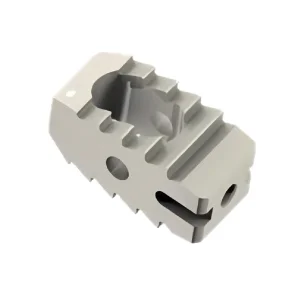
Thoracolumbar Interbody Fusion Cage
Request Quote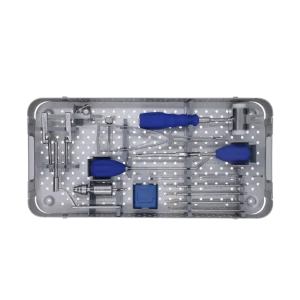
ODM ZP Cage Surgical Instrument Set
Request Quote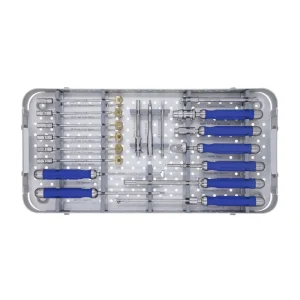
Cervical Fusion Cage Instrument Kit
Request Quote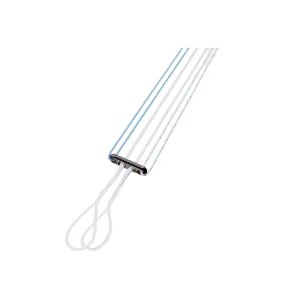
SuperFix Titanium Endo Button With Loop
Request QuoteScale Your Orthopedic Brand With Our Factory
Request an instant OEM quotation, request sample plates for biomechanical evaluation, or consult our chief orthopedic engineers regarding customized tooling and registration dossiers.