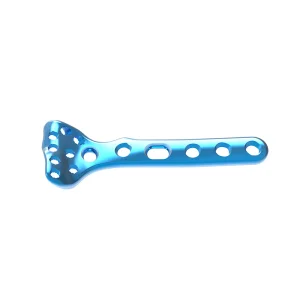
Featured Mini Fixation & Orthopedic Instruments
Explore our precision-milled titanium trauma locking systems, intramedullary guides, and specialized surgical instrument sets calibrated for reproducible intraoperative outcomes.
-
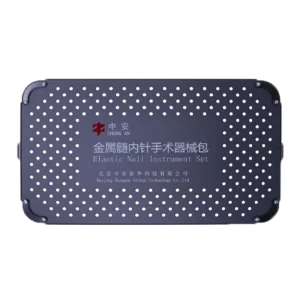
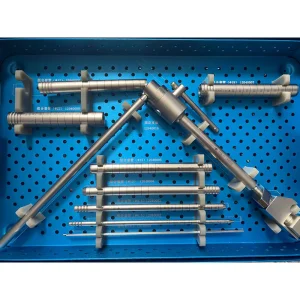
CE Certification Elastic Nail Instrument Set (ZEIN) Supplier, Factories
-
-
-
-
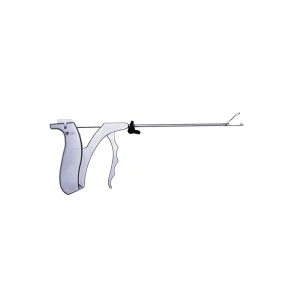
Wholesale sports medicine manufacturer SuperFix Suture Passer Factories, Product
-
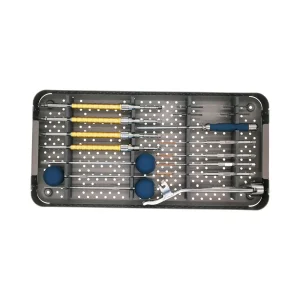
OEM 5.5 Spinal Pedicle Screw Instrument Set Factories, Pricelist
-
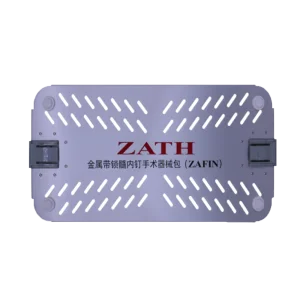
Buy Medical Bone Surgery ZAFIN Femoral Nail Instrument Set Suppliers, Products
-
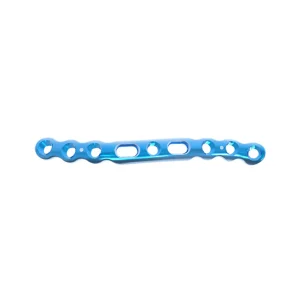
China Anteromedial Clavicle Locking Compression Plate Suppliers, Companies
Clinical Evolution & Trends in Titanium Mini Plate Systems
Small-bone osteosynthesis has transitioned from rigid bulky splints to anatomically contoured, ultra-low profile micro-locking constructs. Understanding the modern metallurgy and biomechanical design criteria behind fracture consolidation.
Metallurgical Shift to Ti-6Al-4V ELI
Historical stainless steel 316L plates often caused significant stress shielding due to high Young’s modulus (~210 GPa). Modern OEM manufacturing utilizes Grade 5 Ti-6Al-4V ELI (ASTM F136) and pure titanium Grade 4, which exhibit an elasticity modulus of ~110 GPa—substantially closer to cortical bone (15-30 GPa).
This biomechanical compatibility preserves periosteal vascularization, mitigates cortical bone resorption, and drastically reduces plate removal rates in delicate craniofacial and hand procedures.
Variable-Angle Locking Micro-Geometry
Conventional fixed-angle monocortical screws limit purchase trajectory in osteoporotic bone or comminuted peri-articular segments. Next-generation mini plate systems feature ±15° variable-angle (VA) locking mechanisms.
Specialized thread geometries integrate self-tapping, low-pitch lead threads that minimize torque while achieving robust cold-weld resistance, ensuring secure plate-screw interface integrity even in 1.0mm, 1.5mm, and 2.0mm modules.
Surface Passivation & Type II Anodization
Biological inertness is elevated through standardized electrochemical surface finishing. Utilizing Type II hard anodization, titanium mini plates gain enhanced fatigue endurance, reduced metal ion release, and reduced soft-tissue adherence.
This allows rapid tenosynovial glide over the dorsum of metacarpals or thin facial skin without causing palpable nodularity or tendon irritation, addressing key clinical complaints.
Global Sourcing Requirements & China Factory 4.0 Advantages
Global orthopedic brand owners, private-label distributors, and medical tender managers face severe cost and regulatory pressures. Discover how modern Chinese manufacturing drives supply chain security and sub-micron quality control.
Supply Chain Reshoring vs. Strategic Sourcing
While European and US healthcare organizations demand regulatory compliance under EU MDR and US FDA 510(k), domestic western production lines face long lead times and elevated labor expenses. Contract manufacturing in China bridges this gap through scaled infrastructure.
- Consolidated raw titanium ingot stockpiles meeting ASTM F136 directly.
- Rapid prototyping turnaround: 3-5 days for custom anatomical configurations.
- Stable pricing insulating multinational brands from raw metal market spikes.
Industry 4.0 Swiss CNC Machining Cells
Micro-plates require ultra-precise contours and pristine screw-hole tap threads. Advanced Chinese facilities utilize imported 5-axis & 9-axis Swiss-type Citizen and Star CNC milling machines that achieve repeatability within ±0.003mm.
- Automated bar-feeding systems operating 24/7 with zero thermal drift.
- Integrated deburring via micro-bead blasting and electropolishing.
- Zero micro-burr guarantees under 50x magnification inspection.
Turnkey Cleanroom & OEM Sterilization
Moving beyond bulk, non-sterile hardware, leading Chinese OEM partners operate certified ISO Class 7 and Class 8 cleanrooms. Implant units can be delivered hospital-ready in pre-validated sterile barrier pouches.
- Gamma irradiation and EO sterilization validation (ISO 11137 / ISO 11135).
- Individual laser marking: 2D Data Matrix codes for UDI compliance.
- Customized thermoformed blister trays tailored to hospital tenders.
Localized Clinical Applications of Mini Fragment Plates
Mini plates address intricate anatomical regions characterized by paper-thin soft tissue envelopes and high dynamic motion. Discover specific clinical archetypes and customized plate morphologies.
Craniomaxillofacial (CMF) & Midface
CMF fractures require sub-millimeter anatomical matching. We manufacture straight, L-shaped, T-shaped, Y-shaped, and orbital mesh plates in 1.0mm, 1.2mm, and 1.5mm profiles.
These implants provide rigid osteosynthesis along natural facial buttresses (nasomaxillary, zygomaticomaxillary) while maintaining zero tactile protrusion underneath delicate facial skin.
Hand, Phalangeal & Metacarpal Traumatology
Hand injuries demand immediate postoperative active motion to prevent joint contractures and flexor/extensor tendon adhesion. Our hand fracture locking systems utilize low-profile 1.5mm, 2.0mm, and 2.4mm locking plates.
Chamfered screw heads counter-sink flush into the plate profile, facilitating tendon glide and minimizing the need for subsequent hardware explantation surgeries.
Forefoot, Midfoot & Podiatric Osteotomies
Hallux valgus corrections, Lapidus arthrodeses, and metatarsal base fractures rely on robust stability against ground reaction forces. We produce specialized step plates, claw plates, and web-mesh mini locking plates (2.0mm - 2.7mm).
Engineered compression ramp holes allow surgeons to compress the osteotomy site first before locking the construct, ensuring high primary fusion rates.
| Fixation Category | Material Standard | Screw Diameters (Ø) | Plate Thickness Range | Key Clinical Indications | Yield Strength (MPa) |
|---|---|---|---|---|---|
| Micro Plate System | Grade 4 CP-Ti / ASTM F67 | 1.0mm - 1.2mm | 0.5mm - 0.7mm | Frontal sinus, orbital wall, pediatric neurocranium | ≥ 480 MPa |
| Mini Plate System | Ti-6Al-4V ELI / ASTM F136 | 1.5mm - 2.0mm | 0.8mm - 1.2mm | Mandibular fractures, metacarpal shaft, phalanges | ≥ 860 MPa |
| Small Fragment System | Ti-6Al-4V ELI / ASTM F136 | 2.4mm - 2.7mm | 1.3mm - 1.8mm | Distal radius, fibula, tarsal/metatarsal arthrodesis | ≥ 860 MPa |
| Reconstruction Mini System | Annealed CP-Ti / Custom Alloy | 2.0mm - 2.4mm | 1.0mm - 1.5mm | Comminuted maxillofacial reconstruction, osteotomies | ≥ 550 MPa |
Frequently Asked Questions & OEM Specifications
Detailed technical, commercial, and regulatory answers designed for orthopedic product directors, procurement boards, and medical device distributors evaluating our titanium mini plate lines.
Trauma, Arthroplasty & Reconstruction Implant Lines
Broaden your catalog with ZATH’s extensive range of distal/proximal locking compression plates, cannulated bone screws, cervical systems, and joint replacement solutions.
-
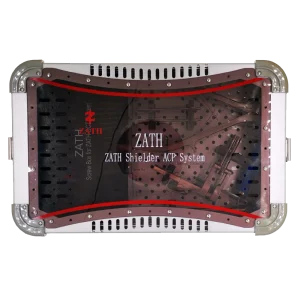
ODM Orthopedic Surgical Use Cervical ACP Plate System Instrument Set Manufacturer, Pricelist
-
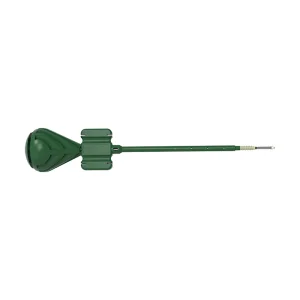
Wholesale SuperFix P Knotless Suture Anchor Manufacturer, Suppliers
-
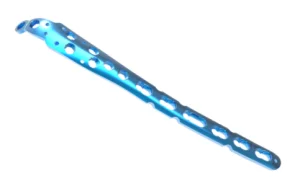
China Proximal Ulna Locking Compression Plate Quotes, Companies
-
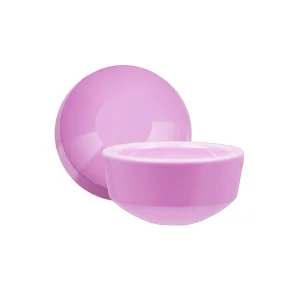
China CDC Ceramic Acetabular liner of hip joint prosthesis Suppliers, Companies
-
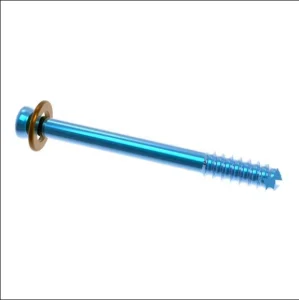
Best Surgical use orthopedic implant cannulated bone screws Exporters, Companies
-
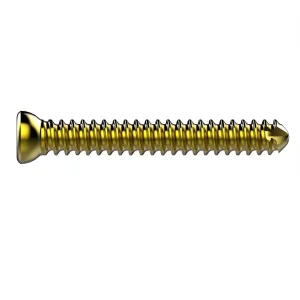
Best 2.0mm 2.7mm 3.5mm 4.5mm Cortical Screw Suppliers, Exporters
-
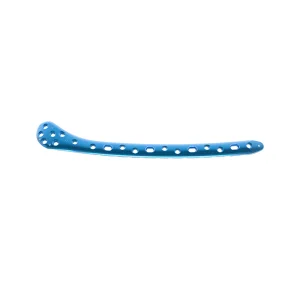
Best Distal Lateral Femur Locking Compression Plate I Factory, Company
-