
Engineered Trauma Solutions & Endoscopic Systems
Precision-machined internal fixation plates, spinal anchors, and surgical instrument platforms manufactured under stringent micro-tolerance control for high-demand trauma centers.
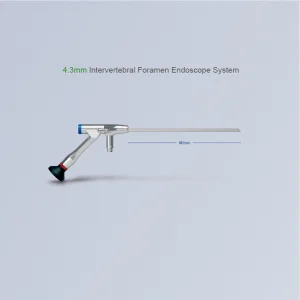
ODM 4.3mm Intervertebral Foramen Endoscope System Product
View Product Specs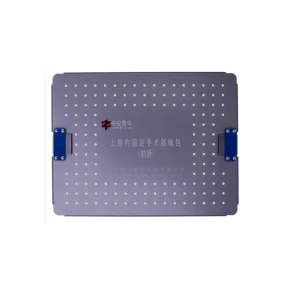
High-Quality CE Approved Trauma Rib Locking Plate Instrument Set Quotes
View Product Specs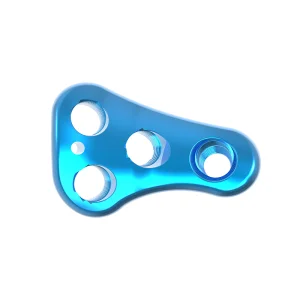
High-Quality Proximal Femur MIS Locking Plate II Suppliers
View Product Specs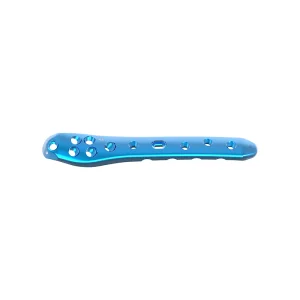
China Proximal Femur Locking Plate V Suppliers, Pricelist
View Product Specs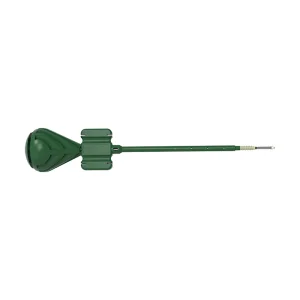
Wholesale SuperFix P Knotless Suture Anchor Manufacturer, Suppliers
View Product Specs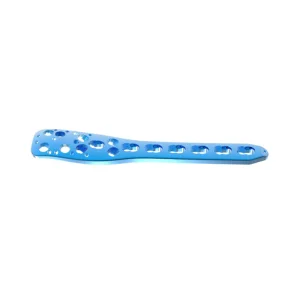
Famous Proximal Humerus Locking Compression Plate III Exporters
View Product Specs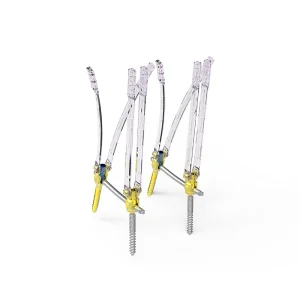
ODM Spine Titanium Minimally Invasive Pedicle Screws Manufacturer
View Product Specs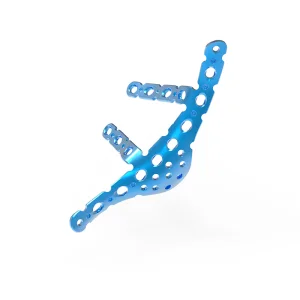
Custom Winged Pelvis Reconstruction Locking Compression Plate Factories
View Product SpecsMacro Industry Solutions for Global Trauma Sourcing
Evaluating structural supply chain shifts, regulatory modernization under EU MDR / US FDA, and the transition toward standardized titanium internal fixation systems.
Supply Chain De-risking & GPO Resilience
Global health authorities and Group Purchasing Organizations (GPOs) increasingly reject single-source vulnerability. ZATH operates as a vertically integrated Tier-1 manufacturing partner, eliminating intermediary brokerage markups while maintaining steady raw material reserves of medical-grade titanium.
- Direct mill certificates per melt lot (ASTM F136)
- Continuous inventory buffering for high-turnover plates
- Mitigation against geopolitical logistics disruption
Navigating EU MDR & Global Regulatory Ceilings
With the European Union Medical Device Regulation (EU MDR 2017/745) removing grandfathering clauses, legacy manufacturers struggle with documentation burdens. ZATH provides distributors complete Technical Files, audited biocompatibility (ISO 10993), and full life-cycle validation.
- ISO 13485:2016 third-party audited cleanrooms
- UDEM Certified documentation suites available
- Free Sale Certificates (FSC) authenticated for import
Cost Containment via Modular Standardization
Hospital operating margins are squeezed under national reimbursement caps (such as DRG and VBP frameworks). Our fracture systems utilize standardized screw core dimensions and universal combi-hole geometry, reducing the number of instrument trays required in the operating theatre.
- Universal STAR drive / hex screwdriver compatibility
- Streamlined periarticular sets (distal, shaft, proximal)
- Significant sterilization tray cost reduction per surgery
Clinical Perspective: "The transition from conventional stainless steel (316LVM) to modern titanium alloys in osteosynthesis is not merely a material choice; it directly correlates with lower infection rates, enhanced radiographic visibility under intraoperative fluoroscopy, and a notable reduction in stress shielding-induced peri-implant osteopenia."
Titanium Alloy Biomechanics vs. Surgical Performance
A detailed metallurgical analysis contrasting medical-grade Ti-6Al-4V ELI (Grade 5 ASTM F136) and Commercially Pure Titanium (Grade 4 ASTM F67) against conventional surgical stainless steel.
Elastic Modulus & Stress Shielding Mitigation
In dynamic fracture fixation, the mechanical mismatch between cortical bone and internal fixation hardware determines secondary bone remodeling. Cortical bone possesses an elastic modulus of approximately 10 to 30 GPa. Conventional 316L stainless steel exhibits an elastic modulus of approximately 200 GPa—nearly ten times stiffer than host cortical tissue.
ZATH titanium trauma plates are crafted from Ti-6Al-4V ELI (Grade 23) and CP-Ti, featuring an elastic modulus of 105 to 112 GPa. This approximate 50% reduction in stiffness relative to stainless steel encourages physiological micro-motion across the fracture gap, stimulating periosteal callus formation while mitigating the risk of stress shielding, cortical thinning, and refracture following hardware explantation.
Furthermore, titanium alloys demonstrate superior corrosion resistance due to the spontaneous formation of an inert titanium dioxide (TiO2) passivation layer, drastically minimizing ion release and adverse soft tissue reactions.
Advanced Combi-Hole & Variable-Angle Mechanics
Modern fracture fixation requires intraoperative adaptability between absolute stability (interfragmentary compression) and relative stability (bridging osteosynthesis). ZATH titanium fracture plates incorporate precision-machined hybrid combi-holes comprising two distinct dynamic interfaces:
- Dynamic Compression Unit (DCU): Engineered with an inclined ramping slope allowing standard cortical screws to produce dynamic axial interfragmentary compression up to 2.0mm.
- Threaded Conical Locking Cup: Precision-milled internal female threads designed to lock with matching male threads on the locking screw head, creating a fixed-angle construct that prevents toggle and secondary loss of reduction.
- Type II Anodization (Anti-Cold Welding): Surface treated according to AMS 2488 standards to prevent galling and cold-welding between screw heads and plate locking holes under intraoperative tightening torques.
| Biomechanical / Chemical Parameter | Ti-6Al-4V ELI (Grade 5 ASTM F136) | Commercially Pure Ti (Grade 4 ASTM F67) | Stainless Steel (316LVM ASTM F138) |
|---|---|---|---|
| Elastic Modulus (Young's GPa) | 110 GPa (Closest to Bone) | 105 GPa (High Flexibility) | 200 - 210 GPa (Extremely Stiff) |
| Ultimate Tensile Strength (UTS, MPa) | 860 - 960 MPa (High Endurance) | 550 - 680 MPa (Ductile) | 800 - 950 MPa (Standard) |
| Yield Strength (0.2% Offset, MPa) | 790 MPa (Resists Permanent Deformation) | 480 MPa (Easily Contourable) | 690 MPa |
| Biocompatibility / Tissue Reactivity | Excellent (Stable TiO2 Passivation) | Outstanding (Pure Inert Interface) | Moderate (Potential Nickel/Chromium leaching) |
| MRI & CT Imaging Artifact Rating | Minimal Artifact (Non-Ferromagnetic) | Minimal Artifact (Clean Visual Field) | Severe Scattering & Image Distortion |
| Fatigue Limit (Cycles at 400 MPa) | > 10,000,000 Cycles (High Dynamic Life) | > 5,000,000 Cycles | > 6,000,000 Cycles |
State-of-the-Art Production: From Billet to Blister
How ZATH's Beijing technology facility maintains micron-level geometric tolerances and sterile integrity across 19 orthopedic implant platforms.
5-Axis Swiss CNC Machining & EDM
Trauma plates require complex periarticular anatomically pre-contoured profiles with helical locking hole angles. We utilize Japanese and German multi-axis CNC turn-mill stations and wire EDM to machine complex geometries in single-setup passes, preventing internal micro-cracks and stress concentrations.
CMM Optical & Contact Metrology
Dimensional compliance is verified down to ±0.005mm using automated Zeiss Coordinate Measuring Machines (CMM) and non-contact laser profilometers. Every production run undergoes thread pitch verification, burr analysis via high-magnification microscopy, and torque-to-yield destructive testing.
Class 10,000 Cleanroom & Sterile Pack
All ZATH internal fixation plates are available in pre-validated, sterile-packed configurations. Devices undergo 7-stage ultrasonic chemical cleaning, medical Tyvek® double-blister heat sealing in Class 10,000 / Class 100,000 cleanrooms, followed by validated EtO sterilization according to ISO 11135.
Wholesale Procurement Programs for Medical Distributors
Empowering international orthopedic brands and regional distributors with private-label engineering, tender document preparation, and direct cold-chain/express freight lines.
Full-Scope OEM & ODM Engineering Support
Whether launching an independent proprietary brand or expanding an established trauma catalog, ZATH delivers comprehensive contract manufacturing solutions. Our engineering department transforms CAD files, stereolithography (.STL) scans, or clinical sketches into regulatory-compliant commercial implants.
- Customized Laser Etching: High-resolution laser marking of your corporate brand identity, GTIN barcodes, and batch matrix codes directly onto plate surfaces.
- Color Anodization Systems: Specific color palettes (blue, gold, magenta, teal) applied to plates and screw diameters to streamline scrub-nurse identification in high-stress trauma theaters.
- Bespoke Instrument Trays: Customized graphic trays with high-temperature PPSU/aluminum anodized caddies tailored to local hospital autoclaving protocols.
Turnkey Tender Documentation & Expedited Export
Bidding on national Ministry of Health tenders requires flawless dossiers. Our international regulatory affairs department provides prompt document legalization (apostille / embassy authentication) and certified analytical test reports.
- Comprehensive Dossier Packages: Biocompatibility summaries (ISO 10993 cytotoxicity, sensitization, systemic toxicity), accelerated aging shelf-life reports, and packaging validation.
- FSC & ISO Certification: Valid Free Sale Certificates issued by competent authorities, alongside current ISO 13485:2016 declarations.
- Priority Global Air Freight: Regular consignments dispatched through DHL Express, FedEx Priority, and air cargo networks, guaranteeing 4 to 6 business days door-to-door transit to major hubs.
Technology Roadmap: Next-Generation Osteosynthesis
Exploring R&D pipelines at the intersection of additive manufacturing, antimicrobial interfaces, and active bioresorbable fracture fixation platforms.
3D Trabecular Titanium Printing
Utilizing Selective Laser Melting (SLM) to manufacture patient-specific reconstruction plates for pelvic and complex periarticular trauma, featuring open-pore trabecular surfaces (60-70% porosity) that accelerate osseointegration.
Nanostructured Antibacterial Coatings
Application of Physical Vapor Deposition (PVD) silver/copper nanoparticle coatings and bio-doped titanium oxide layers engineered to prevent implant-associated biofilm formation and reduce surgical site infections (SSIs).
Smart Sensor Integrated Implants
Micro-electromechanical systems (MEMS) passive strain telemetry integrated into subcutaneous bridge plates, enabling real-time wireless monitoring of callus consolidation and early non-union detection without frequent ionizing radiation.
Bioresorbable Magnesium Alloys
Developing high-strength degradable magnesium-strontium fracture pins and low-load pediatric plates that provide stable mechanical bridging during osteogenesis, completely resorbing over 12-18 months to eliminate explantation surgery.
Frequently Asked Questions: Engineering & Commercial Terms
In-depth technical answers addressing material integrity, intraoperative usage, torque specifications, and export logistics for procurement managers.
Specialized Periarticular Plates & Arthroplasty Systems
Explore our full-spectrum trauma, joint replacement, and sports medicine portfolio, manufactured to exact international standards for global tenders.
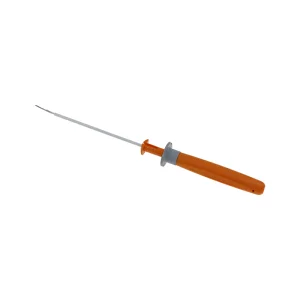
ODM Orthopedic Fast All Inside Meniscal Repair Device System Products
View Product Specs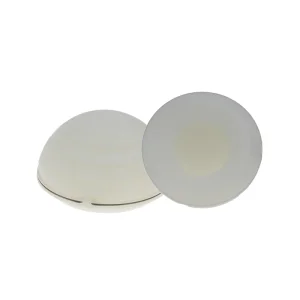
High-Quality TDC Cemented Acetabular Cup Artificial Hip Joint Prosthesis
View Product Specs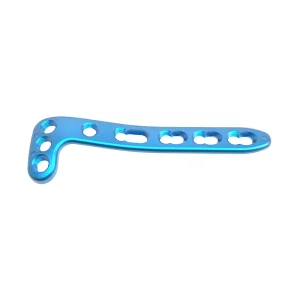
Best Proximal Medial Tibia Locking Compression Plate I Pricelist
View Product Specs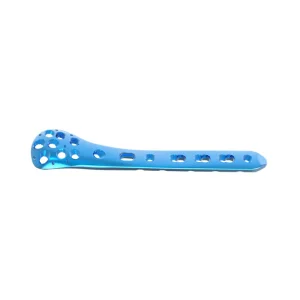
Cheap Proximal Lateral Humerus Locking Compression Plate II Supplier
View Product Specs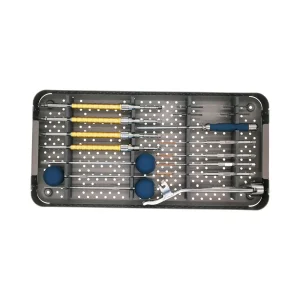
OEM 5.5 Spinal Pedicle Screw Instrument Set Factories, Pricelist
View Product Specs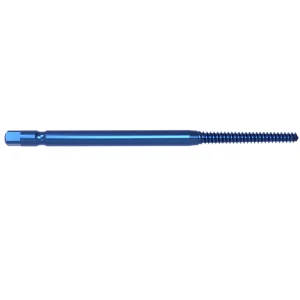
CE Certification Pin for External Fixation Quotes, Products
View Product Specs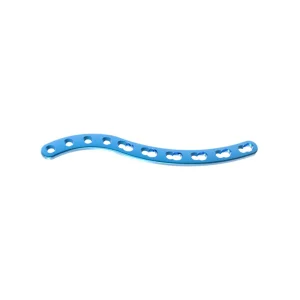
CE Certification S-shape Clavicle Locking Compression Plate Factory
View Product Specs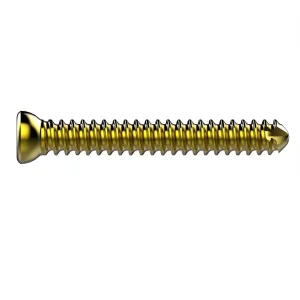
Best 2.0mm 2.7mm 3.5mm 4.5mm Cortical Screw Suppliers, Exporters
View Product SpecsPartner with ZATH for Wholesale Trauma Implants & Specialized Systems
Beijing ZhongAnTaiHua Technology Co., Ltd. (ZATH) provides hospital tenders, medical device importers, and orthopedic distributors with fully documented, sterile-packaged titanium fracture fixation plates, pedicle screw systems, and joint prostheses backed by ISO 13485:2016 quality assurance.