
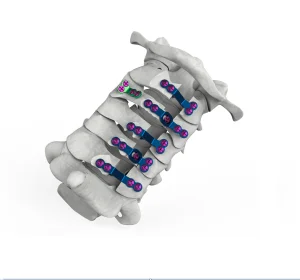
Primary Spinal & Diagnostic Technologies for Jakarta Clinics
Premium medical hardware engineered with multi-axis precision, compliant with Indonesian health import criteria and MoH (Kemenkes) regulatory expectations.
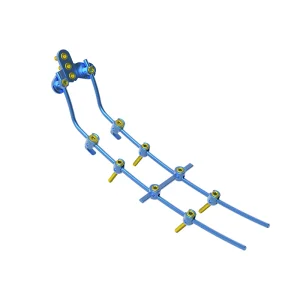
Jakarta Advanced Non-invasive Ladder Optical Coherence Tomography System
Send Inquiry Now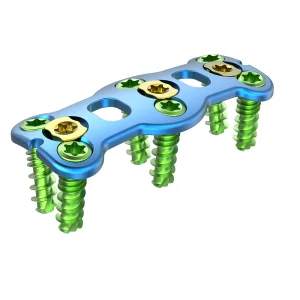
Jakarta CE Certified Cervical Shielder ACP Plate System
Send Inquiry Now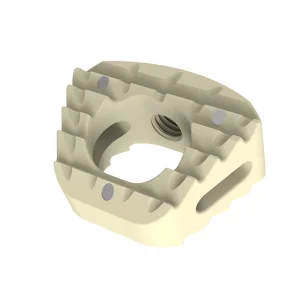
Jakarta Hospital Cervical Interbody Cage PEEK Cage System
Send Inquiry NowJakarta Spinal Surgery Landscape & Healthcare Dynamics
Strategic overview of the DKI Jakarta spinal device ecosystem, addressing BPJS Kesehatan cost thresholds, urban trauma burdens, and private surgical advancements.
BPJS INA-CBG Reimbursement Pressure
Indonesia's Universal Health Coverage (BPJS Kesehatan) enforces strict tariff bundling via the INA-CBG system. Public hospitals in Central and South Jakarta require high-durability Grade 5 Titanium (Ti-6Al-4V ELI) pedicle screws and PEEK cages that maintain premier clinical outcomes without exceeding procurement tariff margins.
Urban Traffic Trauma & Degenerative Shifts
High-density motorbike transit in the Greater Jakarta area (Jabodetabek) drives critical thoracolumbar fracture admissions across regional referral centers like RSUP Fatmawati and RSUPN Dr. Cipto Mangunkusumo. Concurrently, an aging demographic demands accelerated minimally invasive spine surgery (MISS) protocols.
MoH / Kemenkes Compliance Protocols
Medical equipment importers in Kemayoran and Glodok must register spinal implants with the Indonesian Ministry of Health (Kemenkes) via the online e-Reg Izin Edar. Comprehensive dossier documentation—including biocompatibility files, ISO 13485 reports, and Free Sale Certificates (FSC)—is essential for frictionless clearance.
Why Jakarta Medical Distributors Choose Our Beijing Facility
Combining world-class multi-axis Swiss-lathe processing with scalable industrial efficiency, closing the gap between tier-one European biomechanics and commercial affordability.
Advanced Metallurgy & Micromachining
Our specialized cleanroom facilities in Zhongguancun Science Park leverage imported high-precision CNC multi-axis milling systems. Whether shaping complex low-profile anterior cervical plates (ACP) or rough porous titanium-coated PEEK interbody fusion structures, tolerances are maintained strictly within sub-micron parameters. This prevents micro-motion, promotes swift osseointegration, and mitigates screw pull-out in osteoporotic spinal environments.
- Medical-Grade Titanium Alloy: ISO 5832-3 / ASTM F136 compliant
- Biocompatible PEEK Optima polymer raw materials
- Double-thread design for accelerated surgical insertion
Optimized Direct-from-Factory Spine Pricelists
Western multi-national implant brands impose severe brand premiums on Indonesian hospital tenders, leaving local distributor margins constricted. By collaborating directly with our Beijing manufacturing core, distributors in Jakarta eliminate intermediary markups, gaining access to comprehensive sterile-packaged instrument kits and modular pedicle systems at factory-direct bulk rate agreements.
Macro Trends Shaping Southeast Asian Spinal Interventions
From robot-assisted pedicle navigation to 3D trabecular bone growth matrices, evaluate how international spine technologies are applied locally in Jakarta.
Minimally Invasive Spine (MIS) Systems
Surgical centers in Menteng and Kebayoran Baru increasingly transition to percutaneous pedicle screw fixation. ZATH’s MIS systems integrate extended reduction tabs and streamlined dilation cannulas, cutting blood loss, reducing intraoperative tissue trauma, and shortening inpatient recovery durations.
3D Printed Porous Titanium Implants
Traditional smooth PEEK cages are progressively complemented by trabecular titanium constructs. By matching the elastic modulus of cancellous human bone, these cages minimize stress shielding and encourage rapid endplate vascularization, lowering subsidence rates across multi-level lumbar fusions.
Pre-Sterilized Single-Procedure Packaging
Infection control is a premier parameter across Indonesian hospitals. Moving away from bulk hospital autoclaving trays, individual gamma-irradiated double-barrier sterile packs ensure implant sterility right to the operating theater table, drastically lowering revision surgeries caused by hospital-acquired infections.
Expand Your Indonesian Orthopedic Distribution Network
Request regional distributor price tiers, technical registration dossiers, and full instrument demonstration sets customized for Indonesian hospital tenders.
Send Inquiry NowFull Surgical Catalog: Spine, Arthroplasty & Trauma Implants
Explore comprehensive orthopedic implant solutions exported regularly to Jakarta, Surabaya, Bandung, and Southeast Asian clinical networks.
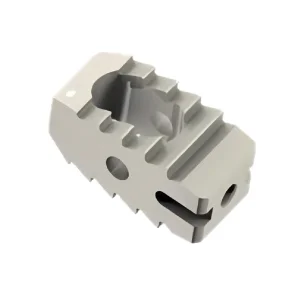
Jakarta Hospital Thoracolumbar Interbody Cage (Straight)
Send Inquiry Now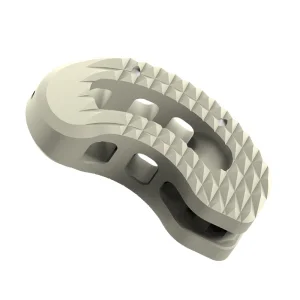
Jakarta Clinic Thoracolumbar Interbody Cage (Angled)
Send Inquiry Now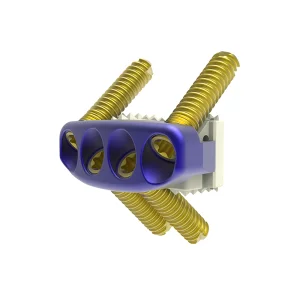
Jakarta CE & ISO Certified ZP Cervical Cage System
Send Inquiry Now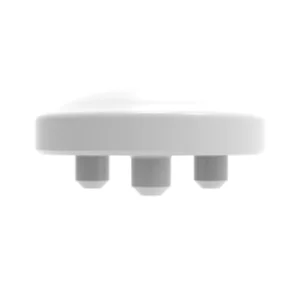
Jakarta Enable Patella Knee Joint Replacement Component
Send Inquiry Now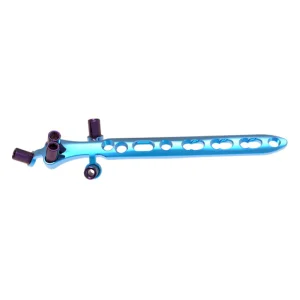
Jakarta Trauma Proximal Ulna ISC Locking Compression Plate
Send Inquiry Now
Jakarta Specialized Cervical Interbody PEEK Cage Construct
Send Inquiry Now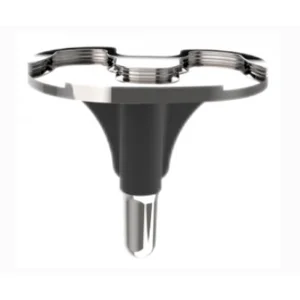
Jakarta Enable Tibial Baseplate for Knee Replacement
Send Inquiry Now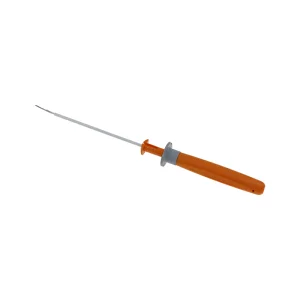
Jakarta Fast All Inside Meniscal Repair Device System
Send Inquiry NowFrequently Asked Questions: Spine Implants for Jakarta Exporters
Essential regulatory, procurement, and technical considerations for Indonesian healthcare partners and international medical distributors.
What documentation does ZATH provide for Indonesian Kemenkes Izin Edar registration?
We provide full regulatory dossier support including ISO 13485 certification, Certificate of Free Sale (CFS / FSC) issued by government authorities, CE declarations, technical design master files, ASTM/ISO material test certs, biocompatibility assessments (ISO 10993), and accelerated shelf-life stability data needed for Class III Indonesian medical device registration.
How competitive is the spine implant pricelist compared to Western multinational brands in Jakarta?
Our direct manufacturing model typically saves distributors 45% to 65% compared to legacy US and European suppliers without compromising biomechanical safety or surgical usability. This enables Indonesian partners to comfortably fit BPJS INA-CBG tender reimbursement limits while preserving healthy operating margins.
Can we request matching spine surgical instrument sets on consignment or purchase?
Yes. Every spinal platform—including our posterior thoracolumbar pedicle screw systems, MIS systems, cervical plates, and interbody cage trials—is supported by fully autoclavable, ergonomically balanced instrument trays manufactured from hardened surgical stainless steel and medical-grade aluminum alloy.
What are the shipping times and transit modes from your factory to Jakarta?
Express air-cargo shipments via DHL, FedEx, or dedicated air-freight arrive at Soekarno-Hatta International Airport (CGK) within 4 to 6 business days. For bulk annual supply contracts, maritime consolidated container shipping to Tanjung Priok Port is available with comprehensive cold-chain moisture-barrier sea packaging.
Do you offer customized OEM/ODM branding for Indonesian distributor networks?
Yes. We support custom laser marking of corporate logos, specialized surgical tray configurations, dimensional modifications adapted to Asian patient spinal morphology, and localized bilingual packaging (English and Indonesian / Bahasa Indonesia) in full alignment with national medical labeling mandates.