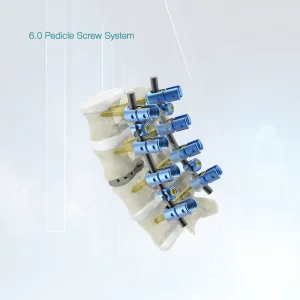
High-Precision Trauma & Joint Fixation Systems
Explore our core medical-grade titanium and stainless steel orthopedic hardware, engineered for immediate clinical application, high structural endurance, and rapid international consignment.
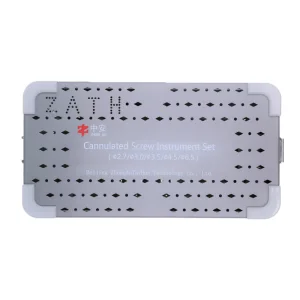
Discount Orthopedic Surgical Instruments Stainless Steel Cannulated Screw Instrument Set Supplier, Service
View Product Details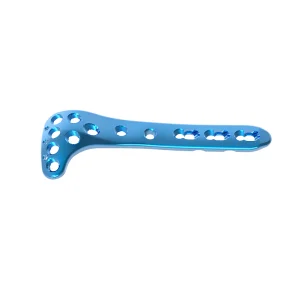
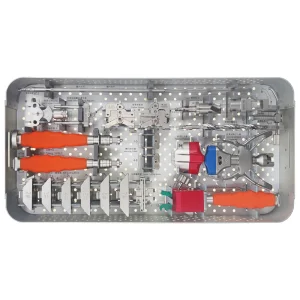
ODM New design quality guaranteed total knee joint instruments Manufacturer, Exporter
View Product Details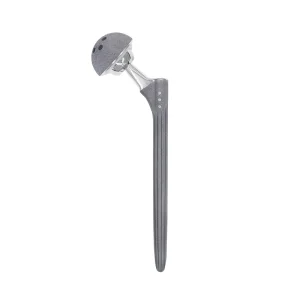
ODM Best Selling DDS Titanium Hip and Joint Implant Prosthesis Suppliers, Factories
View Product Details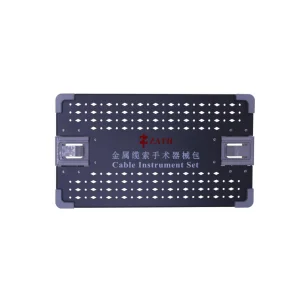
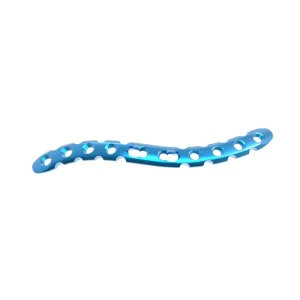
Wholesale Clavicle Reconstruction Locking Compression Plate Supplier, Exporters
View Product Details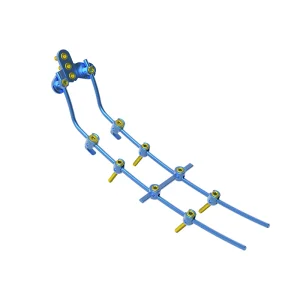
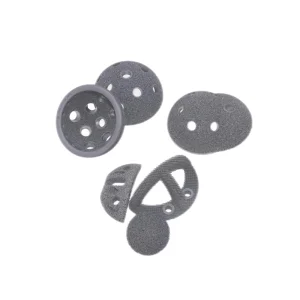
Macroeconomic Dynamics of Traumatologia Titanio
A rigorous metallurgical, anatomical, and economic exploration of why titanium alloys dominate internal fracture fixation worldwide and how factory-direct pricing is restructuring hospital supply chains.
Biocompatibility & Osseointegration
Medical-grade titanium alloys (Ti-6Al-4V ELI conforming to ASTM F136 and ISO 5832-3) represent the pinnacle of biocompatible materials in traumatology. Unlike older stainless steel (316L) constructs, titanium forms a spontaneous, passive titanium oxide (TiO2) dielectric film upon air exposure, completely shielding internal metal ions from surrounding biological fluids and soft tissues.
This biochemical inertia drastically reduces inflammatory foreign-body reactions, avoids toxic metal ion leaching, and promotes favorable cellular adhesion for periosteal osteoblasts, ensuring undisturbed secondary fracture healing through callus formation.
Modulus Matching & Stress Shielding
A primary structural limitation in clinical osteosynthesis is stress shielding—a phenomenon where an excessively rigid implant bears physiological mechanical stress, depriving cortical bone of vital stimulation according to Wolff's Law. Cortical bone exhibits an elastic modulus of 10 to 30 GPa.
While stainless steel reaches 200 to 210 GPa, Grade 5 / Grade 23 titanium exhibits a modest modulus of approximately 105 to 112 GPa. This approximate 50% reduction in stiffness mitigates cortical bone demineralization, micro-porosis, and peri-implant refracture upon hardware explantation.
Value-Based Global Procurement Shift
Healthcare institutions in Latin America, Southeast Asia, the Middle East, Eastern Europe, and Africa face severe budget rationalization. Historically, multinational orthopedic conglomerates dominated surgical procurement, commanding marked-up distributor prices reaching 400% to 700% above production costs.
Direct sourcing from specialized ISO 13485 manufacturing hubs provides distributors with cheap titanium traumatology hardware without sacrificing mechanical tolerance, tensile strength, or regulatory compliance.
China Precision Factory Advantages in Trauma Hardware
How concentrated supply clusters, multi-axis automated CNC turning, and comprehensive cleanroom packaging eliminate supply friction while maintaining micro-metric dimensional precision.
Integrated Precision Tooling & Multi-Axis Swiss Machining
Our Beijing manufacturing hub inside the Zhongguancun Science and Technology Park deploys advanced multi-axis Swiss-type automated turning machines and five-axis CNC machining centers (including high-precision Citizen, Star, and DMG Mori platforms). Trauma hardware components—such as polyaxial variable-angle locking holes, cannulated self-tapping screw flutes, and deep anatomical contour curvature—require tolerances tighter than ±0.005 mm.
By automating the entire cycle from raw bar stock loading, high-speed fluid-cooled milling, slow-wire EDM profile generation, to automated deburring, manufacturing facilities drastically reduce manual handling, eliminating human-induced geometry deviation across mass production batches.
- Bar Stock Verification: Strict ultrasonic crack detection and spectral chemical purity testing on every incoming Ti-6Al-4V heat batch.
- Micro-Finishing: Automated vibratory tumbling and electrolytic polishing to remove micro-burrs and surface stress concentrators.
- Anodic Oxidation: Type II anodization providing durable color-coded sizing and enhanced fatigue endurance.
Scale Economics, Engineering Depth & Cleanroom Packaging
China's orthopedic supply ecosystem benefits from end-to-end industrial integration. Upstream medical titanium sponge reduction, vacuum arc remelting, certified metallurgical testing facilities, cutting tool fabricators, and sterilization validation institutions reside within highly coordinated industrial zones. Founded in 2009 with over 300 skilled professionals, including nearly 100 seasoned orthopedic biomedical engineers, our production throughput achieves extraordinary economies of scale.
Furthermore, internal Class 100,000 cleanroom environments and automated blister heat-sealing lines allow products to be dispatched either in bulk non-sterile configurations for local autoclaving or in validated sterile-barrier peel pouches. This cuts operating theater prep times, lowers nosocomial infection risks, and simplifies inventory turnover for international distributors.
- Traceable Quality Systems: Full ISO 13485:2016 adherence with lot tracking from melting crucible to surgical theater.
- OEM & ODM Flexibility: Rapid custom laser marking, personalized anodized hues, and regional language IFUs (Instructions for Use).
- Expedited Supply Routes: Tier-1 international express courier pipelines ensuring door-to-door hospital delivery within 4 to 6 business days.
Procurement Efficiency Insight: The "Cheap" Traumatologia Paradox
In biomedical terminology, "cheap" does not imply inferior tensile strength or compromised dimensional control. In direct-to-factory Chinese manufacturing, low price points derive from structural cost optimization: localized titanium rod metallurgy, high-speed multi-spindle CNC cycle times, elimination of intermediary broker layers, and optimized capital depreciation. You receive Tier-1 clinical reliability matching global Swiss or American standards at an aggressive factory gate price.
Comprehensive Traumatologia Titanio Pricelist Matrix
Representative wholesale factory price schedule for bulk procurement orders, distributor licensing, and OEM tenders across core internal fixation platforms.
| Product Category | Clinical Description / Material | Anatomical Indication | Standard MOQ | Packaging Mode | Factory FOB Unit Price |
|---|---|---|---|---|---|
| Locking Compression Plates (LCP) | Anatomical Pre-contoured, Ti-6Al-4V ELI, Variable Angle & Combitholes | Distal/Proximal Radius, Clavicle, Fibula, Ulna | 50 Units | Sterile Blister / Non-Sterile | $14.50 – $28.00 |
| Heavy Anatomical LCP Plates | High-Load Multi-Hole Structural Plates, Ti Alloy Type II Anodized | Distal Femur, Proximal Lateral Tibia, Humeral Shaft | 30 Units | Individual Sterile Tyvek Pouch | $32.00 – $64.00 |
| Cortical & Locking Bone Screws | Self-Tapping, Stardrive / Hexagonal Recess, Ø2.4mm – Ø5.0mm | Universal Diaphyseal & Metaphyseal Fixation | 500 Units | Bulk 10-packs or Sterile Sealed | $2.10 – $4.60 |
| Cannulated Compression Screws | Headless / Low-Profile Cannulated Titanium Screws, Ø2.5mm – Ø7.3mm | Femoral Neck, Scaphoid, Calcaneus, Arthrodesis | 100 Units | Dual-Sterile Barrier Tube | $6.80 – $14.50 |
| Intramedullary Interlocking Nails | Cannulated Anatomic Curvature, Multi-planar Distal/Proximal Locking | Femoral, Tibial, and Retrograde Humeral Shaft Fractures | 20 Units | Double-Wrapped Sterile Tube | $48.00 – $89.00 |
| Spinal Pedicle Screw System | Polyaxial & Monoaxial Cannulated Screws, MIS Percutaneous Rods | Thoracolumbar Deformity, Spondylolisthesis, Fracture | 50 Sets | Sterile Blister Pack | $18.50 – $38.00 |
| Cerclage Wire & Cable Systems | Medical Titanium Cable & Crimp Connectors with Tensioners | Periprosthetic Fractures, Trochanteric Re-attachment | 20 Sets | Clean Sterile Tray | $24.00 – $45.00 |
| Orthopedic Instrument Sets | Surgical Grade Stainless Steel (17-4PH / 420B) with Aluminum Case | Universal LCP, Cannulated Screws, or IM Nailing Kits | 1 Complete Set | Autoclavable Sterilization Box | $380.00 – $950.00 |
Volume-Tiered Rebates
Annual contracts exceeding $50,000 USD unlock structured factory rebate programs ranging between 5% and 14%, directly reducing distributor landing costs while maintaining prioritized manufacturing slots during high-demand quarters.
OEM/ODM Customization Cost
Laser etching of distributor logos, bespoke anodized color codes (gold, teal, rose, dark grey), custom hole spacing, and dedicated packaging barcodes carry zero tooling surcharges when ordering above baseline batch thresholds.
Sterile Packaging Economics
Hospitals save up to $18 per surgery in central sterile supply department (CSSD) labor, water, and autoclave electrical overhead by choosing our Class 10,000 cleanroom-sealed pre-sterile packages over bulk non-sterile hardware.
Anatomical Sites & Localized Trauma Fixation Scenarios
Detailed evaluation of clinical applications across emergency surgery, high-energy polytrauma, and fragile osteoporotic fracture treatment using titanium osteosynthesis.
Clavicle & Shoulder Girdle
S-shaped clavicle locking compression plates provide anatomical congruency to the natural sigmoidal curvature of the clavicular shaft. In high-energy sports injuries and cycling trauma, low-profile titanium plates minimize skin impingement and soft tissue tenting over the subcutaneous superior clavicular surface.
Upper Extremity & Forearm
Distal radius volar locking plates and proximal ulna ISC compression plates facilitate stable anatomical reduction of complex intra-articular comminution. The angular stability of threaded locking screws allows early functional mobilization without risking secondary loss of reduction or joint surface collapse.
Weight-Bearing Tibia & Femur
Proximal lateral tibia and distal femoral locking plates are engineered to endure heavy axial, bending, and torsional forces during initial heel-strike and load transfer. Titanium's fatigue threshold prevents plate breakage across large metaphyseal-diaphyseal comminution zones and peri-articular defects.
Intramedullary Interlocking Nails
Indicated for subtrochanteric, femoral shaft, and tibial diaphyseal fractures. Closed intramedullary nailing protects the fracture hematoma and periosteal blood supply. Guided targeting instrumentation ensures rapid distal interlocking under minimal intraoperative fluoroscopy exposure.
Minimally Invasive Plate Osteosynthesis (MIPO)
Modern traumatology emphasizes preserving the osteogenic fracture hematoma and avoiding periosteal devascularization caused by extensive surgical incisions. Our slim, tapered plate ends and dedicated percutaneous insertion handles allow surgeons to tunnel titanium plates submuscularly through minimal entry portals. Combined with biological locking screws, MIPO reduces surgical infection rates by up to 60% and significantly accelerates radiographic union times.
Geriatric Osteoporotic Fracture Management
With an aging global demographic, low-energy fragility fractures of the proximal femur, proximal humerus, and distal radius have surged. In osteopenic bone, conventional screws frequently strip cortical threads. Our fixed-angle and variable-angle titanium locking screws create an integrated internal fixator construct, distributing mechanical shear stress across multiple screw heads and preventing catastrophic hardware pullout or cut-through.
Next-Generation Technological Evolution in Orthopedics
From Electron Beam Melting (EBM) additive printing to active antibacterial nano-coatings, discover how modern factories stay ahead of clinical expectations.
3D-Printed Trabecular Structures
Selective Laser Melting (SLM) and Direct Metal Laser Sintering (DMLS) enable the fabrication of open-pore titanium lattices that replicate natural cancellous bone trabeculae (60% to 75% porosity, 300 to 500 μm pore diameter). Applied across complex acetabular reconstruction cages, revision wedges, and custom interbody fusion implants, these additive structures promote rapid bony ingrowth and vascular penetration without requiring chemical bone graft substitutes.
Antimicrobial & Bioactive Coatings
Implant-associated surgical site infections (SSIs) and biofilm formation caused by Staphylococcus aureus and epidermidis remain catastrophic complications in orthopedic trauma. Factory R&D pipelines now incorporate electrochemical surface modification: micro-arc oxidation (MAO) combined with nano-silver (Ag), zinc (Zn), or copper (Cu) ion implantation. These bioactive matrices deliver broad-spectrum local bactericidal efficacy while fostering active osteoblast proliferation.
Smart UDI Tracking & Supply Chain Digitization
International regulatory frameworks (including US FDA GUDID and European EUDAMED) mandate Unique Device Identification (UDI) down to the single-implant blister package. Our production lines utilize micro-laser GS1 2D DataMatrix engraving on every plate and screw. This grants distributors, hospital supply coordinators, and surgical nurses instant access to digital material inspection certificates, batch history, sterilization timestamps, and digital product specs via mobile scanning.
B2B Institutional Procurement & Distributor Vetting
Essential checklist for pharmaceutical agencies, medical equipment distributors, and Ministry of Health tender buyers qualifying a direct Chinese titanium trauma manufacturer.
Key Quality Compliance Documents
Distributors bidding on private hospital supply contracts or national healthcare tenders must guarantee unbroken regulatory dossiers. When partnering with our Beijing production plant, procurement departments receive turnkey validation dossiers covering:
- ISO 13485:2016 Certification: Complete medical devices quality management system audits validated by internationally accredited notified bodies.
- Certificate of Free Sale (CFS): Legally attested documentation confirming commercial registration and surgical application within the home market.
- Biocompatibility Dossiers: Cytotoxicity, skin sensitization, intracutaneous reactivity, and systemic toxicity testing conforming to ISO 10993 guidelines.
- Mechanical Validation Reports: Static four-point bending, dynamic fatigue, and pullout resistance tests in accordance with ASTM F382 (plates) and ASTM F543 (screws).
Supply Chain Reliability & Freight Execution
Orthopedic trauma is intrinsically time-critical. Unlike elective total knee or hip arthroplasty, trauma centers cannot delay emergency fracture osteosynthesis due to stockouts of intermediate plate lengths or locking screws. Reliable manufacturing partners must offer:
- Safety Stock Buffers: Strategic warehousing of high-velocity items (clavicle, distal radius, distal fibula, and cannulated screws) enabling 24-hour dispatch.
- Integrated Instrument Consignment: Supplying dedicated ergonomic surgical screwdriver handles, drill guides, depth gauges, and reduction forceps alongside implants.
- Multimodal Courier Logistics: Contract partnerships with DHL, FedEx, TNT, UPS, and air cargo forwarders providing delivery windows of 4 to 6 business days globally.
- Custom Packaging & Labeling: Multi-language translation (Spanish, Portuguese, Russian, French, Arabic) on all external boxes and sterile peel pouches.
Frequently Asked Questions on Titanium Trauma Sourcing
In-depth responses to the most critical regulatory, metallurgical, operational, and commercial questions raised by international orthopedic importers.
Q1: How does ZATH guarantee high mechanical performance while maintaining low factory pricelist levels?
Our pricing efficiency stems from vertically integrated manufacturing within our 300+ employee facility in Beijing's Zhongguancun Science Park. By managing raw medical titanium bar stock verification, automated multi-axis CNC milling, in-house Type II electrochemical anodization, cleanroom barrier packaging, and quality batch inspection on-site, we remove intermediary brokerage costs. Large continuous manufacturing runs minimize setup switchover waste, allowing us to offer titanium implants at direct factory prices while strictly complying with ASTM F136 and ISO 13485 standards.
Q2: What specific medical-grade titanium alloys are used in your traumatology implants?
We strictly utilize certified Ti-6Al-4V ELI (Extra Low Interstitial, Grade 23) and Ti-6Al-4V (Grade 5) complying with ASTM F136 and ISO 5832-3 standards. For specific anatomical reconstructive plates that require extensive manual intraoperative contouring by the orthopedic surgeon (such as curved pelvic reconstruction plates or clavicle bend plates), pure titanium (CP-Ti Grade 3 / Grade 4 conforming to ASTM F67) is utilized to ensure optimal malleability without spring-back microfractures.
Q3: Can you provide matching surgical instrument sets with factory-direct plate and screw orders?
Yes. Every internal fixation implant family (such as 2.4/2.7mm small fragment systems, 3.5/4.0mm medium systems, 4.5/5.0mm large fragment sets, and cannulated screw systems) is supported by dedicated surgical instrument kits made from surgical grade stainless steel (17-4PH, SUS420B) and high-strength medical silicone/aluminum. These sets include variable-angle drill sleeves, torque-limiting screwdrivers, depth gauges, self-centering bone reduction forceps, and autoclavable anodized graphic cases.
Q4: Are your traumatology implants shipped in sterile packaging or non-sterile bulk?
We provide both packaging options depending on distributor preference and local hospital infrastructure. We provide cleanroom-sealed, validated gamma/EO pre-sterilized double-blister Tyvek packaging that is ready for immediate surgical theater entry. Alternatively, we supply non-sterile bulk configurations in protective barrier sleeves accompanied by validated autoclave sterilization parameters for hospitals utilizing in-house Central Sterile Supply Departments (CSSD).
Q5: What is your policy and lead time for OEM/ODM private labeling?
We provide comprehensive OEM and ODM partnerships for established healthcare brands and regional distributors. This includes fiber-laser etching your registered corporate trademark onto implants, custom color anodization schemes, customized geometric modifications to plate contours, and distributor-branded multilingual carton packaging and IFUs. Production lead time for standard OEM orders typically spans 2 to 4 weeks depending on order batch size and tooling customization requirements.
Q6: How do you handle regulatory document support for international import licensing?
Our regulatory affairs division provides verified technical files, ISO 13485:2016 audit certificates, UDEM certification copies, Certificates of Free Sale (CFS) authenticated by relevant authorities, biocompatibility safety summaries (ISO 10993), and mechanical bench-testing dossiers (ASTM F382/F543). This ensures rapid product registration approvals across national health authorities worldwide.
Q7: What are your standard payment terms, minimum order quantities (MOQ), and shipping transit times?
Standard payment terms are structured via secure Telegraphic Transfer (T/T), Letter of Credit (L/C) for institutional tender volumes, or customized payment milestones for verified regular distributors. Standard product MOQs begin as low as 20 to 50 units for plates and 100 to 500 units for bone screws. Global priority air express shipments via DHL, FedEx, UPS, or TNT arrive within 4 to 6 business days from dispatch.
Comprehensive Trauma, Spine & Joint Prosthesis Solutions
Explore our extended series of locking compression plates, cannulated bone screws, spinal fixation systems, and reconstructive joint instruments available for direct wholesale supply.
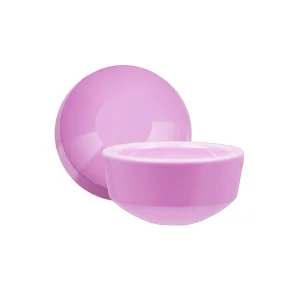
China CDC Ceramic Acetabular liner of hip joint prosthesis Suppliers, Companies
View Product Details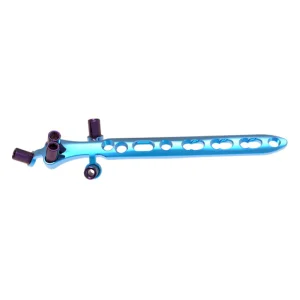
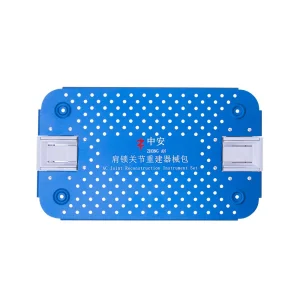
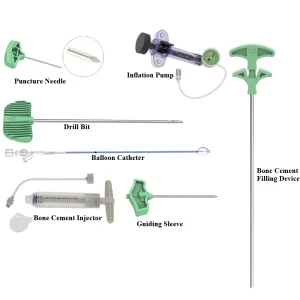
Famous Professional manufacturer PKP layer Vertebroplasty instruments set kit Exporters, Products
View Product Details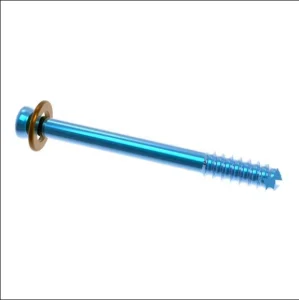
Best Surgical use orthopedic implant cannulated bone screws Exporters, Companies
View Product Details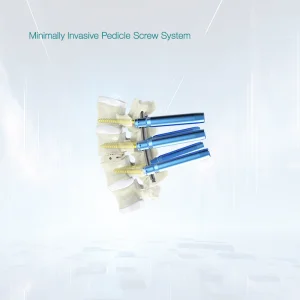
OEM High Quality ZATH HE Minimal Invasive Spine Pedicle Screw Manufacturers, Exporters
View Product Details