
Primary Clinical Catalog & Surgical Implants
Verified implant platforms and instrument systems engineered by Beijing ZhongAnTaiHua Technology Co., Ltd. (ZATH) for international procurement and clinical tenders.
-
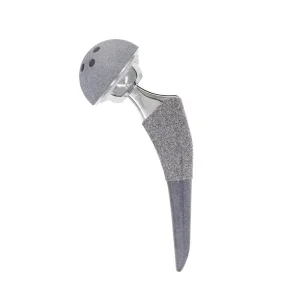 Ti Alloy JDS Total Hip Replacement ProsthesisView Specifications
-
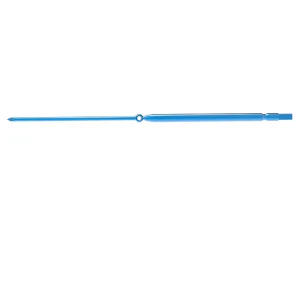 Titanium Alloy Material Patella PinView Specifications
-
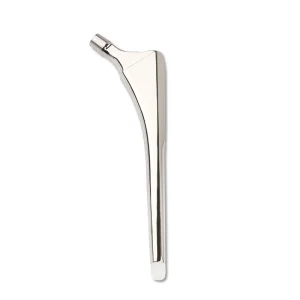 TDS Cemented Stem Orthopedic ImplantsView Specifications
-
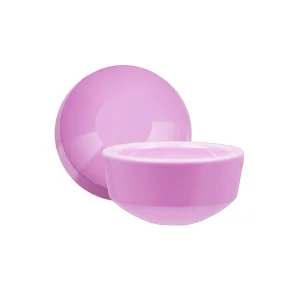 CDC Ceramic Acetabular Liner of Hip JointView Specifications
-
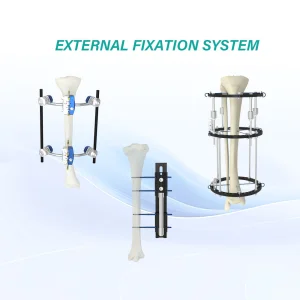 Stainless Synthes External Fixation FixatorView Specifications
-
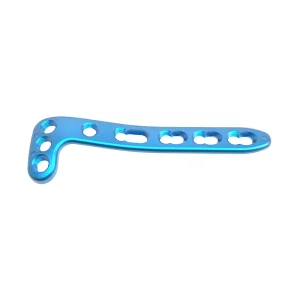 Proximal Medial Tibia Locking Compression Plate IView Specifications
-
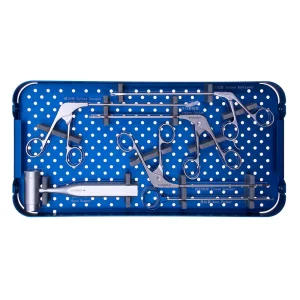 OEM Shoulder Arthroscopy Instrument SetView Specifications
-
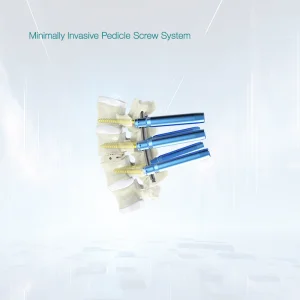 ZATH HE Minimal Invasive Spine Pedicle ScrewView Specifications
Demystifying "Cheap" VA Locking & LCP Plate Sourcing
Bridging the semantic gap between economic healthcare tenders and precision biomechanical performance in clinical fracture fixation.
In international orthopedic procurement, queries for a "cheap VA locking plate LCP plate supplier" frequently reveal an urgent systemic challenge: how can regional distributors, private surgical clinics, and public healthcare systems acquire variable-angle (VA) locking compression plates without compromising metallurgical integrity, precision tolerances, or clinical outcomes? Sourcing at competitive price points does not necessitate settling for inferior metallurgical grades. In lean industrial manufacturing, cost leadership is achieved through automated multi-axis Swiss-lathe processing, comprehensive raw-material optimization (ASTM F136 Ti-6Al-4V ELI), and streamlined supply chain integration rather than biological compromise.
Variable-Angle Locking Compression Plates (VA-LCP) represent a major evolutionary milestone in trauma osteosynthesis. By pairing the rigid angular stability of standard locking compression plates with the capability to angle screws up to 15 degrees off-axis in any direction, VA locking technology empowers trauma surgeons to target complex intra-articular fragments and avoid concurrent internal fixation hardware. For B2B buyers, sourcing these sophisticated Class IIb/Class III devices requires evaluating manufacturing competencies: thread-pitch precision, combi-hole structural resilience, anodization purity, and cleanroom packaging validation.
The Biomechanical Value Matrix: Fixed-Angle vs. Variable-Angle LCP Systems
Standard LCP plates rely on coaxial locking holes where the screw thread interfaces rigidly at a single predetermined 90-degree vector relative to the plate. In contrast, ZATH Variable-Angle LCP plates incorporate 4-column polyaxial thread geometries within the plate hole. This engineering configuration allows the locking screw to swivel within a 30-degree cone of fixation while preserving up to 88% of standard uniaxial locking strength, safeguarding against primary reduction loss and periarticular hardware cut-out even under osteoporotic loading conditions.
Global Enterprise Procurement Needs & Supply Chain Resilience
Navigating Volume-Based Procurement (VBP), hospital group tenders, and regulatory shifts across high-growth international markets.
VBP & Reimbursement Pressures
National healthcare systems and private insurance networks have instituted aggressive price-capping protocols. Distributors must identify direct manufacturers capable of absorbing margin squeezes while retaining clinical-grade raw material standards (ISO 5832-3).
Sterile vs. Non-Sterile Supply
Global surgery centers increasingly mandate single-use, sterile-packed implants to mitigate hospital-acquired surgical site infections (SSIs) and streamline CSSD workflows, reducing reprocessing and autoclaving costs per procedure.
OEM/ODM Brand Flexibility
Emerging-market distributors need scalable private-label manufacturing that complies with national regulatory frameworks. Rapid modification of plate contour profiles, laser etching, and custom anodizing colors ensures swift commercial differentiation.
Instrument & Implant Cohesion
A recurring logistical failure in low-cost procurement is the mismatch between plate hole tolerances and driver bits, leading to intraoperative screw stripping. High-tier suppliers produce integrated, fully calibrated surgical instrument trays alongside implants.
Technical Anatomy of High-Efficiency VA-LCP Plates
An in-depth metallurgical analysis of Grade 5 ELI Titanium alloy microstructures, combi-hole engineering, and periosteal vascular preservation.
ASTM F136 Ti-6Al-4V ELI
ZATH utilizes medical-grade Extra Low Interstitial (ELI) titanium alloy. With a lower modulus of elasticity compared to 316L stainless steel, it reduces stress shielding while preventing soft tissue irritation and yielding superior biocompatibility and fatigue life under cyclical loading.
Limited-Contact Underside Architecture
Traditional dynamic compression plates exert continuous compressive force directly onto the periosteum, strangulating cortical vascular beds. Our LCP geometry integrates localized relief undercuts, minimizing bone-plate contact and promoting rapid secondary bone healing through biological internal fixation.
Dynamic Combi-Hole Engineering
Combining a dynamic compression unit (DCU) hole with a threaded variable-angle locking section provides the operating surgeon with unrestricted intraoperative flexibility. Fixation can transition seamlessly from dynamic axial compression to pure angular-stable splinting within the same plate footprint.
Precision CNC Machining & ISO 13485 Validation
From certified medical bar stock to validated sterile-barrier barrier packaging: How ZATH ensures flawless lot-to-lot consistency.
Founded in 2009 in Beijing's Zhongguancun Science and Technology Park, Beijing ZhongAnTaiHua Technology Co., Ltd. (ZATH) deploys modern computerized numerical control (CNC) manufacturing plants. With an infrastructure staffed by over 300 employees and nearly 100 experienced technicians, every orthopedic plate is produced under strict quality management systems certified to ISO 13485.
01. Raw Material Verification
Chemical composition analysis, grain size inspection, and mechanical tensile testing verifying compliance with ASTM F136 standards prior to release for machining.
02. Multi-Axis CNC Milling
Simultaneous 5-axis CNC machining centers craft complex anatomical pre-contours, eliminating internal stresses and reducing the need for intraoperative plate bending.
03. Surface Treatment & Passivation
Automated electrochemical anodizing and nitric/citric acid passivation develop a uniform oxide layer, providing corrosion resistance and fatigue endurance.
04. CMM Optical Validation
Non-contact Coordinate Measuring Machines (CMM) and laser profilometers inspect locking-hole pitch dimensions, taper tolerances, and deburred edge radii.
05. Cleanroom Sterile Packaging
Implant packaging executed within certified Class 100,000 cleanrooms using validated double Tyvek-blister configurations ready for ethylene oxide (EO) or gamma radiation.
Technology Roadmap: The Future of Variable-Angle Fixation
Anticipating the technological disruptions reshaping surgical trauma systems over the coming decade.
Additive Trabecular Topologies
Convergence of subtractive CNC milling with electron beam melting (EBM) 3D printing. Next-generation plates will incorporate porous osteointegrative contact pads on periosteal-facing surfaces, speeding up bone bridge formation while lowering plate profile thickness.
Bioresorbable Magnesium Systems
Development of magnesium-zinc-calcium alloys engineered for pediatric and low-load metaphyseal fractures. These functional alloys resorb harmlessly over 12 to 18 months, eliminating the secondary implant removal surgeries associated with metallic plates.
Smart Fixation & Telemetry
Integration of micro-strain-gauge sensors and passive RFID micro-transponders directly within the plate bridge structure. Surgeons can objectively measure real-time fracture callus stiffness and mechanical loading via non-invasive telemetry during outpatient rehabilitation.
AI-Driven Anatomical Contouring
Aggregating volumetric CT datasets from global populations to reconstruct algorithmic plate contours. This reduces population-specific fit disparities across Western, Asian, and Latin American patient anatomies, virtually eliminating the need for intraoperative plate contouring.
Global Regulatory Assurance & Rapid Logistics
Comprehensive regulatory documentation and door-to-door distribution logistics supporting international partners.
Registration Dossier Packages
We supply qualified distributors with complete Technical Dossiers (STED format), ISO 13485 quality certificates, UDEM compliance verifications, and Free Sale Certificates (FSC) to facilitate rapid local Ministry of Health registration.
Tier-1 Global Express Logistics
Critical hospital stockouts demand rapid responsiveness. Supported by strategic partnerships with DHL, FedEx, TNT, UPS, and EMS, our streamlined shipping corridors achieve rapid terminal dispatch, averaging 4 to 6 days worldwide delivery.
Comprehensive OEM/ODM Engineering
We provide full-spectrum OEM and ODM customization services. From tailored dimensional lengths and hole spacing to laser-marked distributor branding and customized language-specific outer box packaging, we adapt to local hospital standards.
Frequently Asked Questions (FAQ)
Essential technical, regulatory, and commercial answers for orthopedic device importers and procurement directors.
Complete Orthopedic Product Portfolio
Explore ZATH's broader manufacturing lines, including joint reconstruction, spinal stabilization, and specialized surgical instrument trays.
-
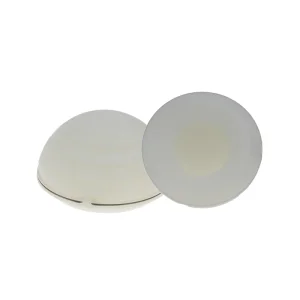 High-Quality TDC Cemented Acetabular CupView Specifications
-
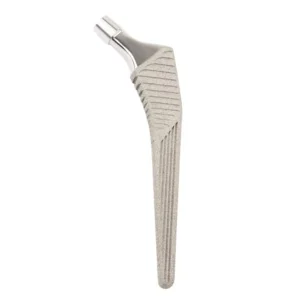 CE Certification ADS Stem For Hip ProsthesisView Specifications
-
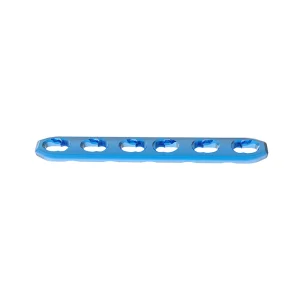 Tibia Limited Contact Locking Compression PlateView Specifications
-
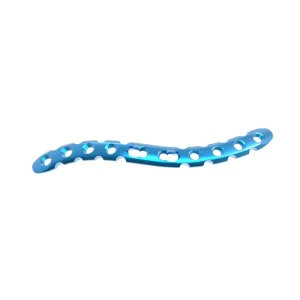 Clavicle Reconstruction Locking Compression PlateView Specifications
-
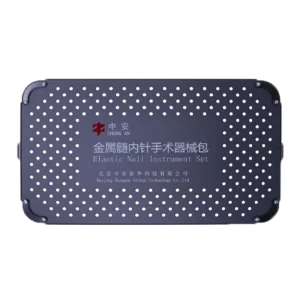 Elastic Nail Instrument Set (ZEIN)View Specifications
-
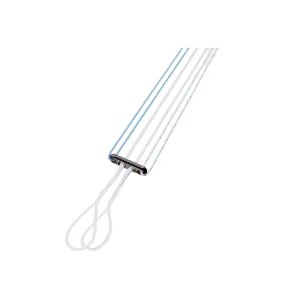 SuperFix Titanium Endo Button With LoopView Specifications
-
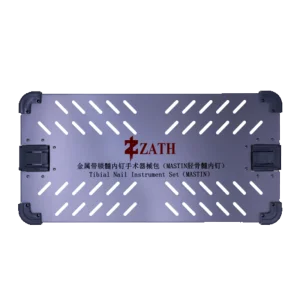 MASTIN Expert Tibial Nail Instrument SetView Specifications
-
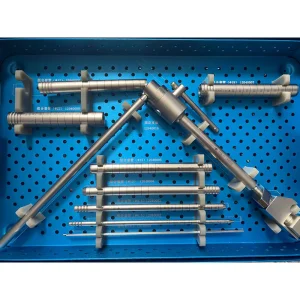 ODM Spine MIS Channel Instrument SetView Specifications
Partner with a Direct ISO 13485 Orthopedic Manufacturer
Connect directly with our biomedical engineering team to review 2D/3D technical drawings, request sterile sample sets, or receive a formal quote for your regional medical tender.