
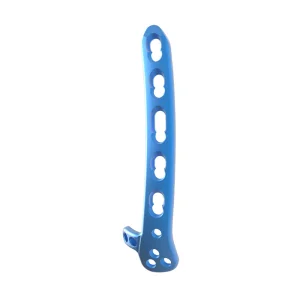
Surgical Matrix Portfolio
Featured Precision Implants & Trauma Systems
Immediate commercial supply and custom OEM/ODM tooling lines spanning upper extremity locking compression plates, joint arthroplasty components, and specialized trauma instrumentation.
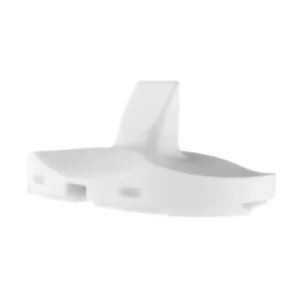
Wholesale Enable Tibial Insert Knee Joint Prosthesis Pricelist, Exporters
View Specifications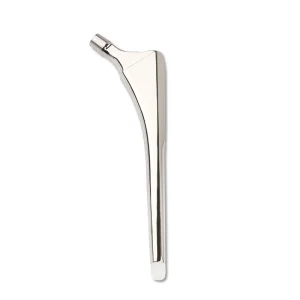
Cheap TDS Cemented Stem Orthopedic Implants Companies, Service
View Specifications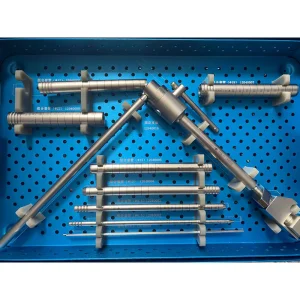
ODM Spine MIS Channel Instrument Set Suppliers, Product
View Specifications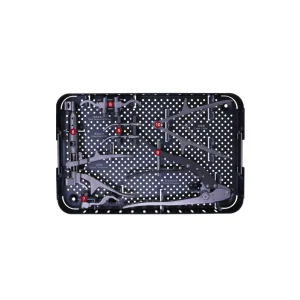
Famous Cable Instrument Set TypeII Supplier, Factory
View Specifications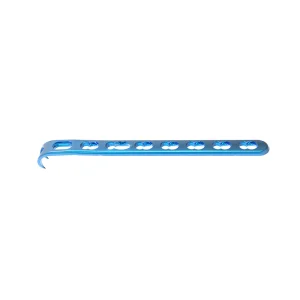
Buy Olecranon Hook Locking Compression Plate Companies, Products
View Specifications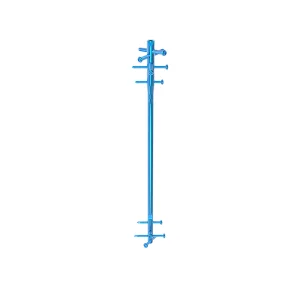
CE Certification Customized Expert Tibia Intramedullary Nail Implant Pricelist, Products
View Specifications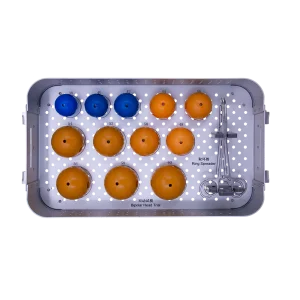
Famous Orthopedic Implant Human Use Bipolar Hip Instrument Set Suppliers, Exporter
View Specifications
Industrial & Clinical Assessment
Distal Radius Internal Fixation: Global Commercial Landscape & Clinical Rationale
Evaluating epidemiological demand, biomechanical shift toward Volar Locking Plates (VLP), and structural metallurgy requirements governing modern trauma procurement.
Distal radius fractures (DRFs) account for roughly 17% to 20% of all fractures presenting to emergency and orthopedic trauma units worldwide, representing the most common skeletal injury in the human body. Clinically categorized under the AO/OTA Classification System as 23-A (extra-articular), 23-B (partial articular), and 23-C (complete intra-articular), these trauma conditions exhibit a bimodal distribution: high-energy motor vehicle and athletic impacts in young demographics, and fragility low-energy osteoporotic falls in populations aged 60 and older.
Over the past two decades, historical treatment modalities—such as percutaneous Kirschner-wire (K-wire) pinning, dorsal buttress plating, and bridging external fixators—have been overwhelmingly supplanted by Anatomical Volar Locking Compression Plates (VLCP). Clinical biomechanics demonstrate that the dorsal approach is plagued by extensor tendon adhesions, bowstringing, and rupture across the fourth extensor compartment and Lister's tubercle. Conversely, volar pre-contoured plates exploit the spacious anatomical corridor beneath the pronator quadratus, securing rigid subchondral support through multi-directional locking screw trajectories without irritating overlying soft-tissue compartments.
2.8B USD
Global Small Fragment Market
6.8% CAGR
Projected Growth (2024–2032)
Sub-1.5mm
Ultra-Low Volar Plate Profiles
±15°
Polyaxial Variable Locking Range
The global contract sourcing market for distal radius plates and cannulated, locking, and cortical bone screws is undergoing aggressive rationalization. Healthcare institutions and international distribution brands require suppliers capable of combining high-yield Swiss multi-axis CNC micro-machining with localized biological profiles. Plates must respect the strict boundary of the Watershed Line to prevent flexor pollicis longus (FPL) tendon impingement while providing diverse distal screw configurations (4 to 7 distal rafting screws) to capture intra-articular styloid, intermediate, and ulnar fragments.
Biomechanical Architecture
Precision Volar Plate Engineering & Screw Fixation Mechanics
Comprehensive metallurgical parameters, rafting screw orientations, and anatomical contouring geometries.
Grade 5 ELI Metallurgy
Fabricated exclusively from medical-grade Titanium Ti-6Al-4V ELI (ASTM F136 / ISO 5832-3). Demonstrates superior biocompatibility, an elastic modulus closely mirroring cortical bone (~110 GPa vs ~210 GPa for stainless steel), and high cycle fatigue resistance against repetitive wrist micro-motion.
Watershed Line Clearance
Contoured with an asymmetric, anatomical double-curve profile that seats flush against the volar radial flare. Features a tapered, rounded distal rim specifically configured to stay strictly proximal to the transverse volar ridge, preventing clinical attrition of the flexor pollicis longus (FPL) tendon.
Dual Multi-Axis Rafting
Dual-column distal screw trajectories (radial styloid and intermediate column) allow subchondral buttressing directly underneath the lunate and scaphoid facets. Multi-directional angle variability (±15° cone) ensures fixation of comminuted marginal intra-articular fragments.
| Engineering Attribute | Standard Fixation Parameters | Custom Factory / OEM Capability | Clinical Compliance Standards |
|---|---|---|---|
| Raw Material Formulation | Ti-6Al-4V ELI (Grade 23 Titanium) / 316L Stainless | Custom Bar Stock / Carbon-PEEK Hybrid Formulations | ASTM F136 / ISO 5832-3 / ASTM F138 |
| Plate Profile Thickness | 1.6 mm to 2.2 mm (Tapered Distal Lip 1.2 mm) | Ultra-low profile (1.2 mm uniform) with reinforced spine | FEA Static & Dynamic Fatigue (ASTM F382) |
| Locking Screw Interface | 2.4 mm / 2.7 mm Variable & Fixed Locking Screws | Custom Thread Pitch, Self-Tapping & Self-Drilling Flutes | ASTM F543 Torsional & Pullout Protocol |
| Drive Mechanism | Torx (StarDrive T8) & Hexagonal Recesses | Deep-engagement conical StarDrive to prevent strip-out | ISO 10664 Drive System Verification |
| Surface Passivation & Anodizing | Type II Electrochemical Anodization (AMS 2488) | Color-coded Titanium Anodizing (Gold, Blue, Magenta) | ASTM F86 Medical Device Surface Preparation |
| Anatomical Geometries | Left / Right Volar, Dorsal, Fragment-Specific Buttress | 3D Patient-Matched CT-Derived Anatomical Morphologies | ISO 13485:2016 Certified QMS Framework |
Critical Quality Engineering Highlight: Variable-Angle Locking Integrity
In standard fixed-angle plates, cross-threading between the screw head and plate hole during non-axial insertion results in cold-welding or catastrophic thread galling. Our factory incorporates specialized quadrilateral thread-mesh female locking holes. This proprietary micro-geometry cold-flows or friction-locks the harder screw head threads across a variable cone of ±15° without plate deformation, preserving peak axial stability in osteoporotic bone stock.
Smart Manufacturing Ecosystem
Chinese Manufacturing Scale, Precision Tolerancing & Supply Agility
How modernized cleanrooms, integrated multi-axis machining, and streamlined supply chains deliver unmatched price-performance ratios for global OEMs.
Swiss Micro-CNC Centers
Our manufacturing facilities in Beijing utilize multi-axis sliding-head CNC Swiss turn-mill machining centers (Star, Citizen, and DMG Mori). These machine platforms maintain repetitive tolerances within ±0.003 mm (±3 microns), vital for pristine 2.4 mm screw thread pitch, micro-cannulation concentricity, and burr-free screw flutes.
End-to-End Vertical Chain
Unlike fragmented assembly lines, our facility executes every processing stage under one roof: certified bar stock chemical spectrum analysis, high-speed wire EDM slicing, 5-axis plate contouring, robotic deburring, automated passivation, Class 10,000 cleanroom final packaging, and validation testing.
Direct Capital Efficiency
By leveraging localized raw titanium refining clusters, automated continuous cell manufacturing, and standardized production workflows, our factory reduces procurement expenditures by 45% to 65% compared to Western counterparts while maintaining full adherence to ISO 13485:2016 quality directives.
In addition to cost optimization, factory agility represents our core competitive advantage. Custom tooling programs for specialized distal radius configurations—such as narrow shafts, extended diaphyseal lengths (up to 18 holes), or dorsal rim fragment-specific buttresses—can transition from initial CAD/CAM Finite Element Modeling (FEA) to pilot production prototypes within 14 business days. Rapid tooling drastically compresses the time-to-market for overseas medical device brands facing stringent local tendering deadlines.
Operative Applications
Localized Surgical Scenarios & Fragment-Specific Fixation
Targeted configurations adapted to complex fracture morphologies, bone density deficits, and minimally invasive protocols.
Osteoporotic Fragility DRF
In low-density metaphyseal bone (Singh Index < 3), screw cut-out and secondary collapse of radial tilt present critical risks. Our plates utilize multi-planar diverging subchondral distal locking screws, creating a rigid "shelf" or scaffold that preserves radial length and inclination without requiring structural bone grafting.
High-Energy Comminuted DRF
For AO/OTA type 23-C3 explosive intra-articular injuries featuring impacted articular dies, volar plates are paired with intermediate column plates or dorsal fragment-specific clips. Variable angle trajectories ensure independent anatomical reduction of free-floating volar and dorsal rim fragments.
MIPPO Minimally Invasive Techniques
Engineered with low-friction chamfered distal edges and streamlined diaphyseal contours, these implants support minimally invasive percutaneous plate osteosynthesis (MIPPO). Implants slip seamlessly beneath the pronator quadratus via a modified Henry approach, protecting the periosteal blood supply.
Future Technology Trajectory
Technological Paradigms Shaping Distal Radius Osteosynthesis
Emerging developments in additive manufacturing, radiolucent biomaterials, and sterile-packed single-use procedural ecosystems.
3D Additive Porous Titanium
Selective Laser Melting (SLM) is expanding beyond custom oncology implants into standard trauma plates. Integrated micro-trabecular porous undersurfaces promote biological osteo-integration while eliminating biological stress-shielding, particularly in severe osteoporotic reconstructive cases.
Carbon-PEEK Radiolucency
Carbon-fiber-reinforced polyetheretherketone (CFR-PEEK) plates eliminate metal imaging artifacts under intraoperative C-arm fluoroscopy and postoperative CT scanning, granting the orthopedic surgeon unimpeded visualization of intra-articular joint line congruity.
Single-Use Sterile Procedure Kits
Hospital systems are migrating from cumbersome, expensive loaner trays to pre-sterilized, single-use procedure kits. These include an individually double-blister packed distal radius plate, color-coded screw cartridges, pre-calibrated torque limiters, and single-use drill bits, eliminating hospital reprocessing overhead.
Global Compliance & Sourcing
Strategic B2B Sourcing Demands & International Regulatory Protocols
Navigating technical documentation, material certifications, and sterilization assurance required for global distribution qualification.
Procuring orthopedic trauma implants requires rigorous auditing of quality management documentation. International hospital groups, health authorities, and distributor networks must demand end-to-end provenance to prevent liability associated with surgical failure or regulatory recalls. When qualifying a distal radius plate and screw factory, overseas procurement directors should evaluate four essential regulatory milestones:
EU MDR & ISO 13485:2016
Comprehensive technical files conforming to European Union Medical Device Regulation (EU MDR 2017/745) Class IIb classification. Maintenance of a fully certified ISO 13485 Quality Management System covering full lot traceability from raw billet to patient tracking.
Sterilization Validation
Sterilization protocols validated to ISO 11135 (Ethylene Oxide - EtO) or ISO 11137 (Gamma / E-Beam Irradiation) yielding a certified Sterility Assurance Level (SAL) of 10-6. Comprehensive accelerated shelf-life aging tests (ASTM F1980) supporting 5-year packaging integrity.
Mechanical Testing Dossiers
Complete accredited laboratory test reports executing ASTM F382 (Metallic Bone Plate Bending Fatigue and Bending Stiffness) and ASTM F543 (Driving Torque, Torsional Yield, and Axial Pullout Resistance in synthetic bone PU foam blocks).
Specialized Platforms & Instrument Ecosystem
Extended Precision Implant & Endoscopic Systems
Explore our full line of hip prostheses, endoscopic spine systems, intramedullary solutions, and locking compression plates engineered for institutional surgical demands.
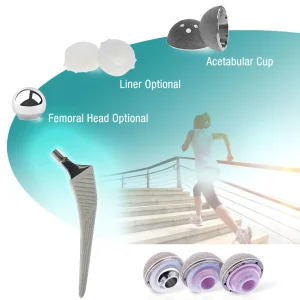
Discount Professional Medical Hip Implant Titanium Bipolar Hip Joint Prosthesis Manufacturers, Supplier
View Specifications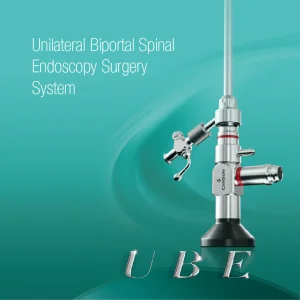
Custom High Quality Spine Surgery Unilateral Biportal Endoscopy Quotes, Company
View Specifications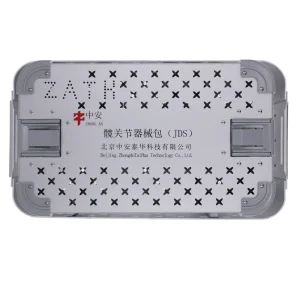
Custom ZATH Orthopedic JDS Stem Hip Revision Instruments Implant Factory, Pricelist
View Specifications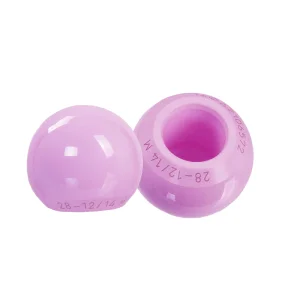
Buy Ceramic CDH Femoral Head Implant Hip Exporter, Company
View Specifications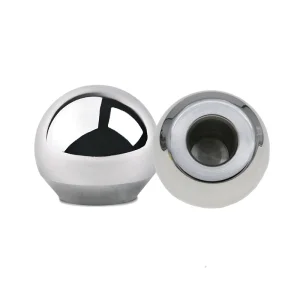
Famous Artificial Hip Joint FDH Femoral Head Factories, Companies
View Specifications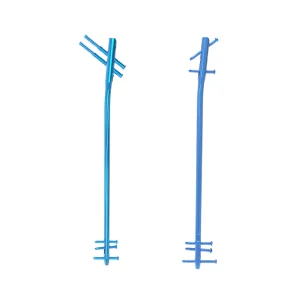
China MASFIN Femur Intramedullary Nail Implant Manufacturer, Manufacturers
View Specifications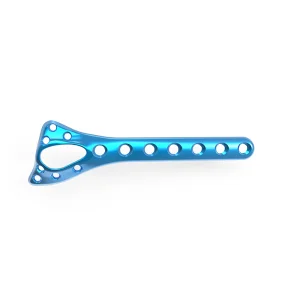
ODM DDR Locking Compression Plate Companies, Product
View Specifications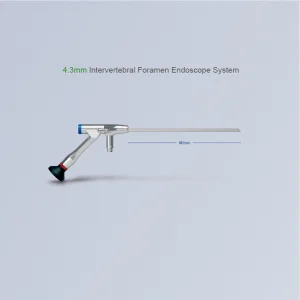
ODM 4.3mm Intervertebral Foramen Endoscope System Product, Products
View Specifications
Technical & Sourcing Inquiries
Frequently Asked Questions for B2B Importers & Hospital Buyers
Direct technical clarifications on alloy sourcing, variable angle mechanics, instrument sets, sterilization protocols, and OEM custom private labeling.
What metallurgical grade is used for your distal radius plates and screws, and can we request custom alloys?
Our standard line is precision machined from medical-grade Titanium Ti-6Al-4V ELI (Extra Low Interstitial), fully compliant with ASTM F136 and ISO 5832-3 standards. For specific regional tenders requiring implant-grade 316L stainless steel (ASTM F138 / ISO 5832-1) or customized cobalt-chromium formulations, our multi-axis CNC machines can rapidly re-tool upon request with complete mill inspection certifications provided for every material lot.
How do your variable-angle locking holes maintain fatigue strength without thread galling?
Our variable-angle locking holes utilize proprietary quadrilateral micro-milled female threads that interface with 2.4 mm and 2.7 mm StarDrive spherical screw heads. This creates an engineered interference fit capable of accommodating up to ±15° of polyaxial angulation off the central axis. Because our automated electro-chemical passivation and Type II anodization harden the titanium surface, galling and cold-welding are prevented while achieving rigid axial and angular stability.
Can you provide matched, autoclavable surgical instrument sets for distal radius procedures?
Yes. Every distal radius plate series is supported by a customized trauma instrument set. Standard caddies include calibrated variable-angle drill sleeves, depth gauges, self-retaining StarDrive T8 screwdrivers with silicone handles, quick-coupling torque-limiting handles (0.8 Nm), reduction forceps, Hohmann retractor blades, and radiolucent drill guides. Trays are fabricated from hard-anodized aviation aluminum or medical-grade PPSU/Radel, fully validated for hospital steam autoclaving.
What is the Minimum Order Quantity (MOQ) and turnaround time for custom OEM plate branding?
For standard catalogue items under white-label laser marking (client logo, reference number, UDI barcode), the MOQ is typically 50 units per SKU. For fully customized anatomical designs requiring dedicated DFM engineering, CAD mold adjustments, or unique diaphyseal hole spans, initial pilot production batches start at 100 units. Standard production cycles average 3 to 4 weeks, with expedited air delivery via DHL/FedEx reaching overseas distribution hubs within 4 to 6 business days.
Are your implants supplied sterile-packed or non-sterile, and what is the validated shelf life?
We offer both packaging modalities. Implants can be supplied non-sterile for hospital tray stocking, or pre-sterilized via validated Ethylene Oxide (EtO) or Gamma irradiation in an ISO Class 7 (Class 10,000) cleanroom environment. Sterile products are packed in medical-grade Tyvek double-blister enclosures, providing a validated 5-year barrier shelf life conforming to ISO 11607 and ASTM F1980 protocols.
How do your manufacturing facilities assist with local registration and clinical dossier filings?
Our regulatory affairs team provides qualified distributors with full registration dossiers: ISO 13485:2016 certificates, Certificates of Free Sale (CFS), raw material mill test reports, biocompatibility test results (ISO 10993 series), mechanical performance reports (ASTM F382 / ASTM F543), and cleanroom packaging validation summaries to accelerate licensing with local ministries of health.