Medical Device Excellence • India & Global Supply Chain
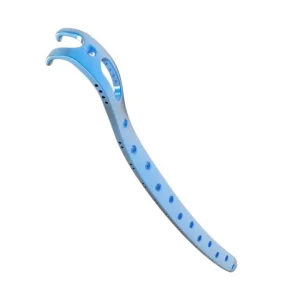
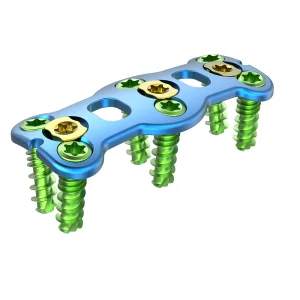
Custom Distal Radius Plate India Supplier & Products
ISO 13485 certified high-precision volar locking fixation systems, advanced periarticular biomechanical contours, and robust OEM/ODM manufacturing partnerships across the Indian subcontinent.
Clinical Portfolio Highlights
Featured Precision Implants & Instrument Ecosystem
Engineered for anatomical rigidity, stable biological osteosynthesis, and streamlined operative reproducibility in regional hospitals and academic medical institutions.
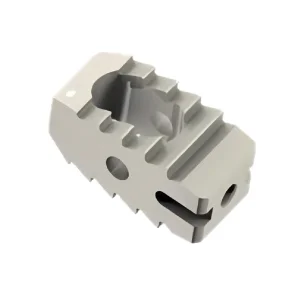
Famous Thoracolumbar Interbody Cage (Straight) Manufacturers, Factories
View Details →
Famous Titanium Alloy Orthopedic Suture Anchor Titanium Manufacturer Companies, Products
View Details →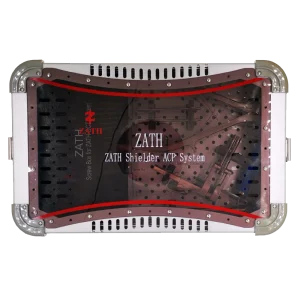
ODM Orthopedic Surgical Use Cervical ACP Plate System Instrument Set Manufacturer, Pricelist
View Details →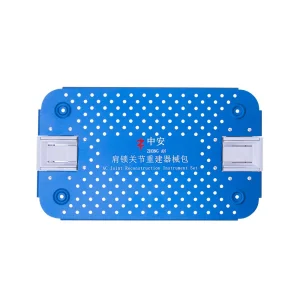
ODM AC Joint Reconstruction Instrument Set Supplier, Products
View Details →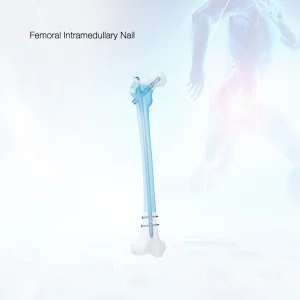
Cheap Surgical Orthopedic Implant Titanium ZAFIN Intramedullary Nail Pricelist, Exporters
View Details →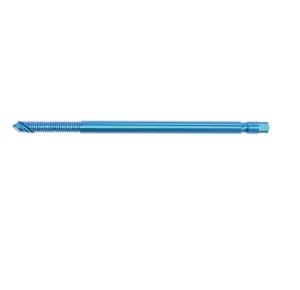
Cheap Titanium Alloy Pin for Orthopedic External Fixation Pricelist, Exporter
View Details →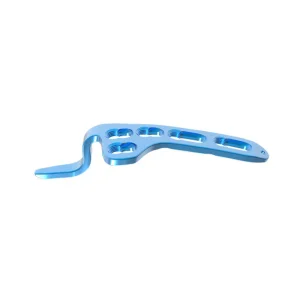
Buy Clavicle Hook Locking Compression Plate Manufacturer, Supplier
View Details →
Industry Intelligence & Solutions
Macro Solutions: Addressing Distal Radius Trauma Dynamics
Distal radius fractures constitute over 17% of all non-vertebral skeletal emergencies globally. In fast-urbanizing demographics like India, rapid motorization coupled with osteoporosis in the aging populace has spurred clinical demand for anatomically pre-contoured, variable-angle volar locking systems.
Anatomical Volar Watershed Compliance
Classic plate impingement against the flexor pollicis longus (FPL) tendon remains a frequent postoperative complication. Modern custom solutions provide chamfered distal edges that sit precisely behind the watershed line.
- Low-profile plate borders (≤1.5mm distal tapers)
- Elimination of flexor tenosynovitis risk
- Support for early active wrist mobilization
Subchondral Multi-Planar Raft Support
Intra-articular comminution demands subchondral buttressing. Multi-directional screw configurations lock into the radial styloid, lunate facet, and intermediate column without hardware collision.
- Variable-angle (VA) locking cone ±15° freedom
- Dedicated styloid and dorsal rim targeting
- Prevents secondary joint collapse in osteopenic bone
Integrated Supply Chain Resilience
Managing procurement across multiple tier-1 to tier-3 healthcare facilities across Delhi NCR, Mumbai, Bengaluru, and Chennai requires robust batch reliability, sterile convenience, and clear regulatory documentation.
- Gamma/EO validated double-blister sterile packs
- Full traceability from raw ingots to sterile units
- Reduced OR preparation overhead and turnover delay
15+
Years Engineering Expertise
300+
Global Manufacturing Staff
100%
Traceable ISO 13485 QMS
4-6 Days
Air Express Global Transit
Regulatory & Commercial Infrastructure
Localized Support & Compliance Guarantees for India
Expanding within the Indian orthopedic landscape requires strict adherence to Central Drugs Standard Control Organisation (CDSCO) guidelines, Medical Device Rules (MDR 2017), and responsive logistical coordination.
CDSCO & Form MD-15 Import Dossiers
We provide complete technical documentation dossiers, including Plant Master Files, Device Master Files, biocompatibility certificates (ISO 10993), and risk assessment data under ISO 14971 to expedite import licensing across Indian state ports.
Custom OEM/ODM Branding & Packaging
Tailored laser marking, custom surgical tray layout, and barcode serialization adhering to GS1 standards. Localized Indian distributors can deliver branded kits ready for private, public, and military healthcare systems.
Surgeon Training & Cadre Enablement
Comprehensive technical collateral, high-precision radiolucent targeting guides, and instructional surgical videos designed to reduce the learning curve for emerging orthopedic residents and trauma fellows.
| Biomechanical Attribute | Technical Specification | Clinical Performance Rationale |
|---|---|---|
| Raw Material Composition | Medical-Grade Titanium Alloy (Ti-6Al-4V ELI / ASTM F136) | Superior tensile strength, modulus closer to cortical bone, and zero ferromagnetic interference on MRI. |
| Distal Plate Profile | 1.5 mm to 2.0 mm tapered low-profile contour | Prevents flexor and extensor tendon fraying while preserving anatomical watershed clearance. |
| Fixation Screw Matrix | Ø2.4 mm / Ø2.7 mm cortical & variable-angle locking screws | Independent multi-column fixation allowing direct angular stabilization of radial styloid and dorsal rim. |
| Surface Finishing | Type II Anodization (Anti-galling passivation) | Reduces cold-welding risk between screw head and plate threads, streamlining uncomplicated future hardware removal. |
| Sterile Barrier System | Medical Tyvek® double-pouch blister pack (ISO 11607) | 5-year shelf-life stability, pre-sterilized convenience for operating rooms without autoclaving delays. |
Surgical Indications & Biomechanical Scenarios
Localized Clinical Application Framework
Across metropolitan casualty centers and regional tertiary hospitals in India, orthopedic surgeons encounter a multifaceted spectrum of distal radius trauma requiring reliable implant geometry.
High-Velocity Road Traffic Accidents (RTA)
High incidence of polytrauma involving young two-wheeler riders often yields AO Type C3 severe comminuted articular disruption. The double-tier subchondral screw raft restores the articular congruity of the radiocarpal and distal radioulnar joint (DRUJ).
Geriatric Osteoporotic Metaphyseal Collapse
Low-energy falls in post-menopausal women frequently cause metaphyseal impaction and dorsal tilt. The rigid angular stability provided by custom locking screws overcomes poor cancellous bone purchase, obviating the immediate necessity of bone grafting.
Complex Corrective Osteotomies for Malunion
Neglected fractures or conservatively mismanaged wrists resulting in loss of radial length and inclination are corrected via multi-planar wedge osteotomies. Our anatomically contoured designs act as template gauges to reconstruct native anatomy.
Next-Generation Orthopedic Innovation
Technology Roadmap & Future Horizons
ZATH leads the progression from traditional machining toward patient-specific, computationally validated biomechanics and intelligent surgical integration.
Selective Laser Melting (SLM) Additive Titanium
Deployment of 3D-printed trabecular titanium constructs with engineered porosity (300–500 μm) facilitating rapid osseointegration and customized contour matching for non-standard patient anatomy.
Finite Element Analysis (FEA) Structural Optimization
Algorithmic material redistribution allows reduced plate mass and thickness over non-critical areas while bolstering axial stress resistance under cyclical physiological loading up to 1.2 million cycles.
Biodegradable Magnesium Alloys & Smart Sensing
Active R&D on bioabsorbable fixation plates that dissolve safely post-union, paired with micro-sensor research to telemetrically transmit real-time bone healing kinetics directly to the surgical team.
Procurement & Clinical Q&A
Frequently Asked Questions for Sourcing Partners
Clear answers addressing regulatory certification, material traceability, custom specifications, and supply logistics for Indian medical distributors and hospital procurement committees.
What raw material standards are implemented in your Distal Radius Locking Plate series?
Our distal radius plates and locking screws are exclusively fabricated using medical-grade Titanium Alloy (Ti-6Al-4V ELI conforming to ASTM F136 and ISO 5832-3). Every batch of raw material is sourced with original mill test certificates, undergoing rigorous spectrometer alloy verification to ensure biocompatibility and corrosion resistance.
How does ZATH support CDSCO regulatory registration for Indian importers?
We supply a comprehensive CDSCO regulatory dossier package under Indian MDR 2017. This includes full Plant Master Files (PMF), Device Master Files (DMF), CE certificate copies, ISO 13485 accreditations, Free Sale Certificates (FSC), biocompatibility reports (ISO 10993), and clinical evaluation summaries required to secure Form MD-15 import permissions smoothly.
Are implants supplied in sterile packaging or non-sterile hospital loaner trays?
Both options are supported. We deliver sterile-packed implants sealed in ISO 11607 compliant Tyvek® double blister trays (validated 5-year sterility via Ethylene Oxide or Gamma Irradiation), which substantially decreases OR preparation time. Alternatively, we provide precision graphic aluminum sterilization boxes and matching surgical instrumentation sets for autoclave processing.
Can our Indian distribution network request OEM laser branding and custom plate profiles?
Yes. With an in-house engineering squad and 5-axis CNC machining centers, we provide comprehensive OEM and ODM support. This includes custom laser engraving of partner brand logos, customized batch serialization, customized hole spacing, left/right anatomical variants, and tailored outer cardboard packaging matching regional tender requirements.
What is the standard order lead time and international shipping turnaround to India?
Standard inventory configurations are dispatched within 48 to 72 hours. For air freight consignments via international carriers (DHL, FedEx, UPS), average transit time to major Indian international airports (DEL, BOM, BLR, MAA) is 4 to 6 business days, accompanied by complete airway bill documentation, commercial invoices, and packing manifests.
Comprehensive Trauma & Joint Systems
Extended Orthopedic Solution Spectrum
Explore our broader orthopedics portfolio covering anatomical trauma plates, hip arthroplasty components, and specialized intramedullary nailing platforms.
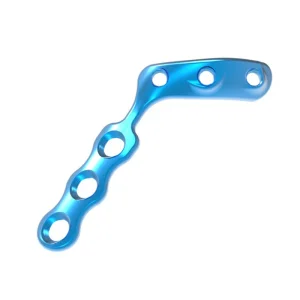
China patent design scapula Locking Plate factory CE ISO insured Exporters, Products
View Details →
High-Quality Hip Joint ADC Acetabular Liner Manufacturer, Supplier
View Details →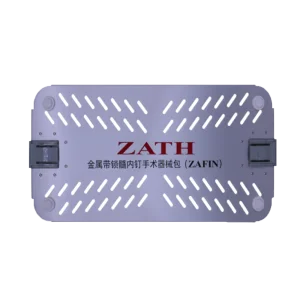
Buy Medical Bone Surgery ZAFIN Femoral Nail Instrument Set Suppliers, Products
View Details →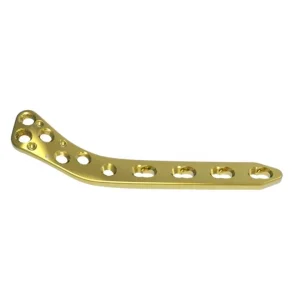
OEM Proximal Lateral Tibia Locking Compression Plate Supplier, Factories
View Details →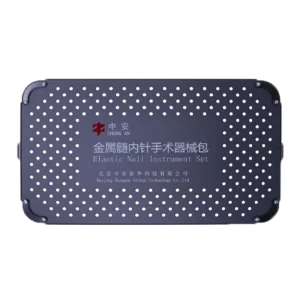
CE Certification Elastic Nail Instrument Set (ZEIN) Supplier, Factories
View Details →
Buy High Quality Orthopedic Implant Double Ended Bone Pin Quotes, Service
View Details →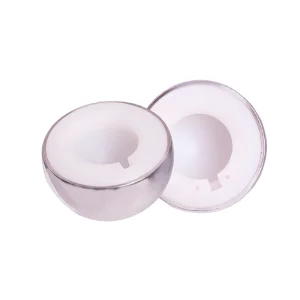
Wholesale FDAH Bipolar Acetabular Cup Medical Hip Joint Prosthetics Companies, Product
View Details →