
Featured Orthopedic Systems & Fixation Technology
Standardized ISO 13485-certified internal and external surgical implants optimized for primary orthopedic reconstruction and severe trauma stabilization.
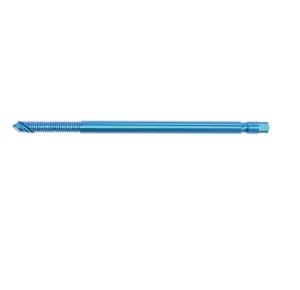
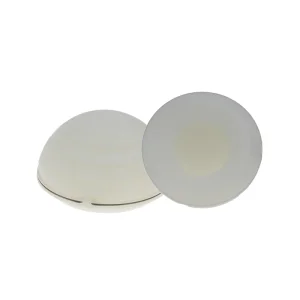
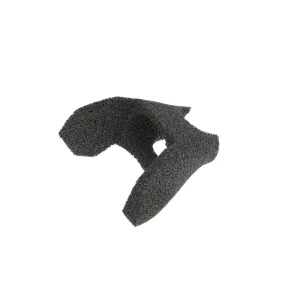
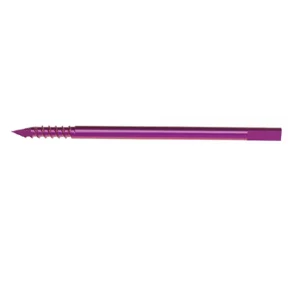
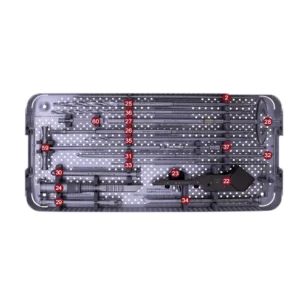
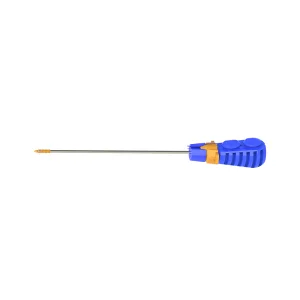
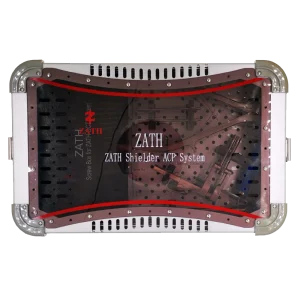
Biomechanical Dynamics of Locking Compression Plates (LCP)
An in-depth perspective on modern trauma osteosynthesis, internal fixation biomechanics, and material metallurgy standards for titanium alloy systems.
Clinical Premise: The introduction of Locking Compression Plate (LCP) systems revolutionized modern trauma surgery by fusing dynamic dynamic compression principles with fixed-angle stability. Acting as an "internal fixator," LCPs preserve the periosteal microcirculation, distribute strain energy along the structural axis of bone shafts, and dramatically mitigate non-union rates in osteoporotic bone.
1. Technical Metrology & Metallurgy (Ti-6Al-4V ELI vs. Pure Titanium)
In the domain of custom medical implants, material selection directly affects cyclic fatigue life, fretting corrosion, and biological integration. Modern Chinese manufacturing leaders employ medical-grade Grade 5 Titanium Alloy (Ti-6Al-4V ELI according to ASTM F136 / ISO 5832-3) and Commercially Pure Titanium (CP-Ti Grade 4 according to ASTM F67 / ISO 5832-2).
- Elastic Modulus Compatibility: With an elastic modulus of ~110 GPa (compared to stainless steel at ~200 GPa), titanium locking compression plates reduce stress shielding at the fracture gap, fostering secondary callus formation under controlled micro-motion.
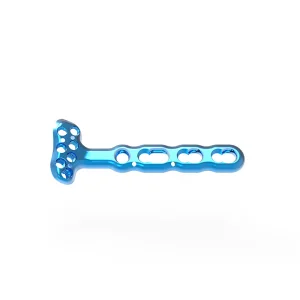
- Combicon Hole Engineering: Custom plate architectures feature precision wire-EDM combi-holes, integrating threaded locking interfaces on one side and standard dynamic compression unit (DCU) geometry on the opposite margin. This allows surgeons to select standard compression, angular fixation, or hybrid configurations in comminuted trauma cases.
- Surface Nanotechnology & Passivation: Anodization Type II surface treatments prevent galvanic corrosion between the plate hole and the locking screw thread, substantially decreasing cold welding incidents during post-union hardware extraction.
Why Global OEM/ODM Brands Source from China Factories
Capitalizing on state-of-the-art multi-axis CNC robotics, vertically integrated industrial clusters, and strict compliance with Western regulatory protocols.
Vertically Integrated Ecosystems
From bar stock supply and wire cutting to anodization and validated EO sterilization packaging, Chinese manufacturing centers streamline production cycles. This end-to-end integration lowers lead times by 40% compared to fragmented international supply chains.
5-Axis DMG MORI & Citizen Machining
Modern factories utilize world-class 5-axis Swiss-lathes and high-speed CNC milling centers to carve intricate low-profile anatomical plates. Precise tolerances guarantee uniform screw-to-plate locking and minimize soft tissue irritation.
ISO 13485 & GMP Quality Traceability
Cleanroom environments conforming to ISO Class 7 and Class 8 manage terminal sterilization. Every raw-material heat lot is matched with 3.1 chemical test certs, tensile stress curves, and comprehensive batch documentation.
Rapid OEM Customization & Tooling
In-house CAD/CAM engineers convert surgeon feedback and distributor blueprints into functional titanium prototypes within 10 to 14 business days, reducing time-to-market for private label distributors.
Competitive Total Sourcing Economics
By blending lean high-volume production with tight dimensional accuracy, Chinese exporters deliver surgical-grade titanium locking plate systems at 30% to 50% lower total landed cost than European or North American competitors.
Comprehensive Export Documentation
Chinese tier-1 exporters provide complete Technical Master Files (TMF) compliant with EU MDR 2017/745, Free Sale Certificates (FSC), bio-compatibility validation (ISO 10993), and dynamic fatigue performance test reports (ASTM F382).
Clinical Scenarios & Global Procurement Dynamics
How anatomically pre-contoured locking plates deliver tailored performance across complex anatomical sites, emergency trauma protocols, and developing markets.
Geriatric Osteoporotic Fracture Stabilization
Elderly patients with compromised trabecular density benefit from locking plate constructs. Fixed-angle purchase avoids toggling, screw pullout, and post-operative secondary loss of reduction, enabling earlier patient mobilization.
Minimally Invasive Plate Osteosynthesis (MIPO)
Subcutaneous submuscular plating techniques require low-profile, beveled-tip plates. These ease percutaneous insertion, protect the periosteal blood supply, lower surgical blood loss, and speed up clinical union.
Complex Multi-Fragmentary Periarticular Trauma
High-energy distal femur, proximal tibia, and pilon fractures demand anatomical pre-contouring. This aligns precisely with standard condylar structures, avoiding intra-operative bending that risks weakening the plate's structural matrix.
Spinal, Trauma & Joint Arthroplasty Equipment
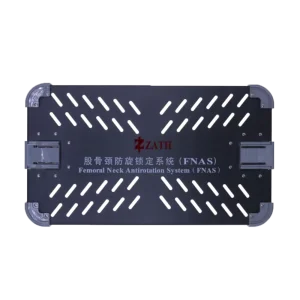
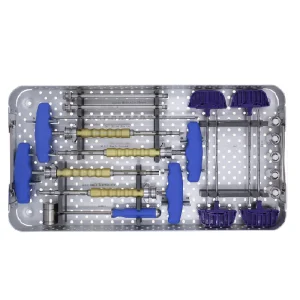
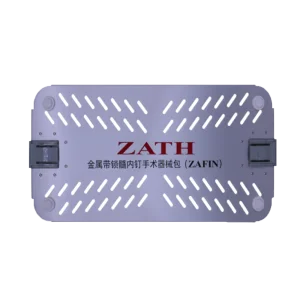
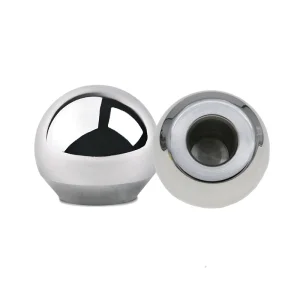
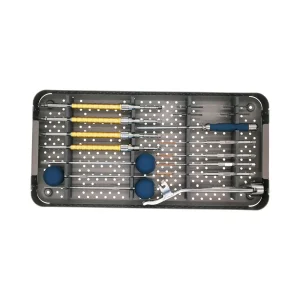
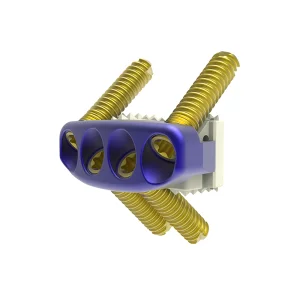
Fully matched surgical instrumentation kits, cannulated bone screws, femoral antirotation nails, and cervical interbody stabilization systems.

Frequently Asked Questions by B2B Importers
Key guidance covering compliance, clinical documentation, cleanroom packaging, and international distribution agreements for custom locking titanium plates.