
Primary Implant & Fixation Systems
Precision Trauma Implants & Modular Instrument Sets
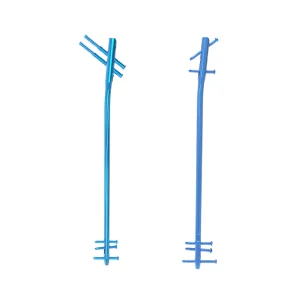
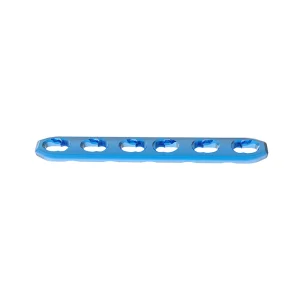
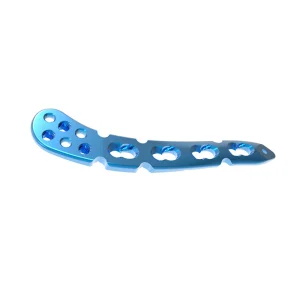
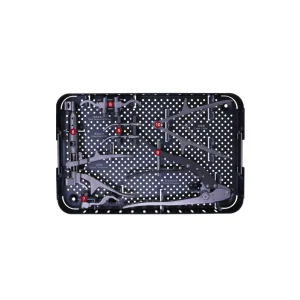
Directly sourced surgical assemblies, interlocking plates, and cannulated fixation hardware calibrated for diaphysis cortical stability and rapid operational deployment.
Enterprise Profile & Integrity
Direct Factory Sourcing: Eliminating Intermediary Overhead Without Sacrificing Biocompatibility
In orthopedics, the term "discount cortical screws" is frequently misunderstood by institutional buyers. In high-stakes trauma surgery, price reductions cannot be achieved by cutting metallurgical corners or relaxing dimensional tolerances. At Beijing ZhongAnTaiHua Technology Co., Ltd. (ZATH), founded in 2009 within the Zhongguancun Science and Technology Park (Pinggu Park, Beijing), commercial cost advantages are achieved purely through engineering optimization, automated production volume, and direct vertical integration.
By operating an expansive in-house manufacturing campus with over 300 professionals and nearly 100 dedicated technical specialists, ZATH controls every phase of the value chain: from certified raw titanium bar stock evaluation, multi-axis Swiss-lathe thread machining, and electrochemical passivation, to Class 100,000 cleanroom sterile barrier packaging. This eliminates the 40% to 60% cumulative markups typically imposed by Western third-party brand licensors and distributor middlemen.
Certified Manufacturing Authority
Operating under strict adherence to international medical device quality regimes, our manufacturing plant holds full ISO 13485 accreditation, comprehensive UDEM certification, and internationally recognized Free Sale Certificates (FSC).
- 100% Raw Material Mill Certificates (ASTM F136 & ASTM F138)
- Fully Automated Multi-Axis CNC Turning Tolerances (±0.005mm)
- Pre-Sterile Blister Packaging in Class 100,000 Cleanrooms
- End-to-End Laser UDI Serialization for Complete Traceability
Engineering Whitepaper
Biomechanical Architecture of High-Yield Cortical Screws
An authoritative engineering exploration into thread geometry, shear resistance, drive mechanics, and bone-implant interface kinetics.
Optimized Pitch & Thread Profile
Cortical bone exhibits high mineral density and elastic modulus compared to cancellous bone. Our cortical screws employ an asymmetrical buttress thread profile with a fine pitch (typically 1.25mm to 1.75mm) and shallow thread depth. This maximizes the shear area per unit length, distributing compressive forces evenly across dense osteon structures and preventing micro-fracture during high-torque bicortical seating.
Self-Tapping Flute Geometries
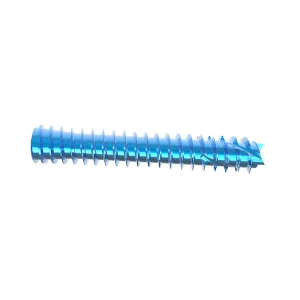
Precision-ground self-tapping cutting flutes eliminate the necessity of independent tap instruments during emergency trauma procedures. Engineered with parabolic relief angles, our cutting flutes channel osteotomy bone debris backwards into designated chip spaces, drastically reducing insertion torque requirements and mitigating thermal osteonecrosis along the drilling tract.
StarDrive & Hexagonal Head Recesses
To resist cam-out failures under peak torsional loads, ZATH cortical screws feature cold-formed Torx (T-Drive / StarDrive) and deep hexagonal recesses. The optimized flank engagement geometry offers up to 45% higher torque transmission efficiency over standard cruciform heads, ensuring complete surgical control during bicortical bite through thickened diaphyseal walls.
| Nominal Diameter | Core Diameter | Thread Pitch | Drive Interface | Material Standard | Clinical Applications |
|---|---|---|---|---|---|
| Φ2.0 mm Mini Cortical | 1.40 mm | 0.60 mm | T6 / Hex 1.5 | Ti-6Al-4V ELI | Phalangeal, metacarpal, and mini-fragment maxillofacial fixation. |
| Φ2.7 mm Small Cortical | 1.90 mm | 1.00 mm | T8 / Hex 2.5 | Ti-6Al-4V / 316LVM | Distal fibula, radius, ulna, and clavicle reconstruction plates. |
| Φ3.5 mm Small Fragment | 2.40 mm | 1.25 mm | T15 / Hex 2.5 | Ti-6Al-4V / 316LVM | Pelvic brim, distal humerus, fibular shaft, and periarticular plates. |
| Φ4.5 mm Large Fragment | 3.00 mm | 1.75 mm | T25 / Hex 3.5 | Ti-6Al-4V / 316LVM | Femoral shaft, tibial diaphysis, dynamic compression plates (DCP/LCP). |
Strategic Sourcing Analysis
Why Global Importers Partner with Chinese Orthopedic Manufacturers
The macroeconomic dynamics, technological integration, and industrial scale that make Chinese factory-direct partnerships indispensable for Tier-1 and Tier-2 medical distributors.
Automated Multi-Axis CNC Lathes
Continuous capital expenditure into Swiss Citizen and Star CNC turning centers guarantees continuous single-setup machining of thread roots, flutes, and heads with zero tool-reposition drift.
Titanium Metallurgy Security
Direct domestic sourcing from aerospace-grade titanium ingot smelters guarantees full supply chain continuity and shielding from geopolitical commodity disruptions.
Digital Optical Inspection
Every cortical screw undergoes automated 2D/3D profile projector scanning. Tolerances are validated within ±5 microns for critical pitch diameter and head taper concentricity.
Rapid Air Logistics Integration
Strategically situated near Beijing Capital International Airport (PEK), export consignments achieve expedited customs clearances with DHL/FedEx courier delivery worldwide within 4 to 6 days.
Macro Industry Solution: Tackling Global Healthcare Cost Constraints
Worldwide healthcare systems face severe fiscal tightening under DRG (Diagnosis-Related Group) reimbursement frameworks. Hospitals can no longer sustain legacy premium implant pricing for routine osteosynthesis. By procuring factory-direct cortical screws from ISO 13485 manufacturers like ZATH, distributor networks achieve gross margins exceeding 55% while reducing hospital procurement acquisition costs by more than 35%.
Surgical Protocols & Applications
Clinical Application Scenarios & Fixation Strategies
From simple oblique fracture compression to complex multi-fragment periarticular bridge plating, cortical screws serve as the mechanical backbone of orthopedic trauma care.
Interfragmentary Lag Screw Technique
Applied perpendicular to the fracture plane in spiral or long oblique diaphyseal fractures. By gliding freely through the near cortex (over-drilled to screw outer diameter) and engaging only the far cortex, tightening induces tremendous interfragmentary static compression, restoring anatomical intrinsic stability and enabling primary bone healing without callus formation.
Dynamic Compression Plating (DCP)
When seated eccentrically within the ramped oval holes of dynamic compression plates or limited-contact plates (LC-DCP), the hemispherical head of the cortical screw slides along the incline during final torque application, driving the underlying bone fragment axially towards the fracture line to produce rigid interfragmentary compression.
Hybrid Fixation in Locking Plates
In modern polyaxial and combi-hole locking compression plates (LCP), non-locking cortical screws are first utilized to compress the anatomical plate flush against the periosteal cortex, pulling bone fragments into anatomical alignment prior to the insertion of fixed-angle threaded locking screws that establish angular stability.
Industry Horizons 2026–2035
Technological Trajectories in Cortical Screw Engineering
How next-generation material science, surface bio-functionalization, and robotics are transforming conventional internal fixation hardware.
1. Nanostructured & Antimicrobial Coatings
Post-surgical bacterial colonization and biofilm formation remain critical threats in trauma surgery. Modern research spearheaded by top-tier facilities focuses on silver-ion (Ag+) doping, copper-doped hydroxyapatite sputtering, and electrochemical anodic oxidation yielding TiO2 nanotube arrays. These coatings deliver localized bactericidal effects against *Staphylococcus aureus* without cytotoxic systemic leach, drastically lowering implant-associated osteomyelitis incidence.
2. Bioabsorbable Magnesium & Zinc Alloys
The imperative to eliminate secondary removal surgeries (particularly in pediatric trauma and sports medicine) is driving significant development in bioresorbable metals. Unlike legacy polymeric screws (PLLA/PGA) that exhibited osteolytic inflammatory foreign-body reactions, modern high-purity magnesium-zinc-calcium (Mg-Zn-Ca) alloys degrade gradually via biological corrosion, transferring mechanical loads progressively to healing cortex while releasing osteogenic magnesium ions.
3. Additive Manufacturing & Porous Lattice Screws
Direct Metal Laser Sintering (DMLS) and Electron Beam Melting (EBM) 3D-printing technologies allow the fabrication of cortical screws with solid structural load-bearing cores surrounded by continuous interconnected trabecular lattices (60–70% porosity, 300–500μm pore diameter). This biomimetic geometry dramatically lowers the modulus of elasticity, preventing stress-shielding osteoporosis while accelerating bony ingrowth and long-term biological anchoring.
4. Computer-Assisted Navigation & Robotic Alignment
As trauma operating theaters adopt intraoperative 3D fluoroscopy and autonomous robotic positioning arms, cortical screw manufacturing tolerances must adhere to strict optical registration metrics. Screws manufactured at ZATH feature laser-calibrated depth indicators and ultra-precise head concentricity, ensuring seamless integration with stereotactic navigation arrays and robotic screwdriver end-effectors.
Enterprise Procurement Solutions
Customized OEM/ODM & Hospital Supply Architecture
Streamlined international contract manufacturing capabilities designed to fast-track regional product registrations and private-brand market entries.
Full Technical Dossiers for CE/MDR
We furnish complete design dossiers, risk management files compliant with ISO 14971, biocompatibility testing reports (ISO 10993 series), and sterilization validation protocols (ISO 11135 / ISO 11137) to streamline local health authority registrations across the EU, Latin America, Southeast Asia, and the Middle East.
Private Labeling & Laser UDI
Complete OEM customization covers high-resolution laser micro-etching of client brand logos, catalog reference numbers, lot tracking codes, and GS1-compliant DataMatrix UDI (Unique Device Identification) symbols directly on screw heads or shafts without compromising structural fatigue limits.
Tiered Volume Pricing & Sterile Supply
From unsterilized bulk components for local kit consolidation to double-blister EO/Gamma pre-sterilized packaging ready for immediate operating room utility. Dynamic volume tiering guarantees optimal margin capture whether ordering 500 units or 500,000 units annually.
Procurement & Clinical Q&A
Frequently Asked Questions by Orthopedic Buyers
Authoritative insights addressing regulatory compliance, alloy selection, mechanical tolerances, and factory direct distribution terms.
1. How does ZATH guarantee high mechanical reliability while offering discount factory pricing?
Our cost efficiencies originate from massive manufacturing scale, optimized lean operations, and vertical integration at our Zhongguancun Science Park facility in Beijing. By eliminating Western branding markups, domestic multi-tier brokerage fees, and utilizing automated multi-spindle Swiss CNC turning machinery, we drastically lower per-unit production costs. Every screw is manufactured strictly from certified Ti-6Al-4V ELI (ASTM F136) or 316LVM (ASTM F138) with 100% mechanical and dimensional quality gatekeeping under ISO 13485.
2. What is the fundamental difference between cortical screws and cancellous screws?
The primary differences lie in thread pitch, thread depth, and core-to-outer diameter ratios. Cortical screws are designed for dense diaphyseal bone; they feature a smaller pitch (more threads per unit length), shallower thread depth, and a thicker core diameter to withstand higher torsional and bending shear loads. Cancellous screws feature a wider pitch, much deeper threads, and a thinner core to optimize purchase in soft, spongy, trabecular bone near metaphyses and epiphyses.
3. Which material is preferred: Titanium Alloy (Ti-6Al-4V ELI) or Stainless Steel (316LVM)?
Both materials have distinct clinical utility. Titanium Alloy (Grade 23 ELI) offers superior biocompatibility, exceptional fatigue resistance, lower elastic modulus (closer to cortical bone, which reduces stress shielding), and significantly less artifact distortion on postoperative MRI/CT scans. Stainless steel (ASTM F138 316LVM) offers higher ductility, superior resistance to galling when used with matching steel plates, and lower material cost, making it widely popular in high-volume trauma clinics. Note: Titanium and stainless steel hardware must never be mixed within the same patient construct to avoid galvanic corrosion.
4. Are your cortical screws supplied sterile or non-sterile?
We offer both configurations to meet customer channel requirements. Implants can be shipped bulk non-sterile (cleaned, passivated, and packed in protective lot-coded boxes for integration into autoclaved hospital instrument trays) or individually sterile-packaged in medical-grade Tyvek double-blister systems (validated for a 5-year sterile shelf life under ISO 11607). Sterile packaging shortens operating room preparation time and enhances hospital infection control.
5. Can you manufacture custom thread lengths, pitches, or drive head geometries (OEM/ODM)?
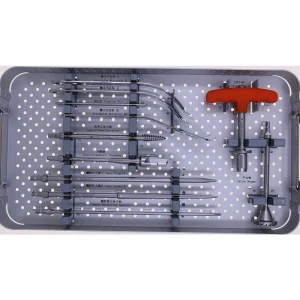
Yes. With an in-house engineering and R&D department staffed by approximately 100 experienced technicians, ZATH provides full OEM and ODM services. We can customize screw pitch, flute morphology, thread profiles, head geometries (Torx, hex, square, cruciate), anodization colors (for diameter color-coding), and provide matching surgical drill bits, taps, depth gauges, and screwdrivers.
6. What documentation is supplied to support regional regulatory registration?
We supply qualified distributors with comprehensive regulatory support packages, including ISO 13485 certificates, UDEM certificates, Certificates of Free Sale (FSC), raw material chemical and physical mill certificates, biocompatibility test data (cytotoxicity, sensitization, systemic toxicity), mechanical pull-out and torsional test summaries, and sterilization validation dossiers.
7. What is the standard production lead time and international shipping duration?
For catalog items maintained in our finished stock warehousing, orders are packed and dispatched within 24 to 48 hours. Express international air freight shipments via DHL, FedEx, TNT, or UPS typically arrive within 4 to 6 business days worldwide. Custom OEM manufacturing contracts generally require 4 to 6 weeks depending on tooling and batch volumes.
Comprehensive Orthopedic Solutions
Specialized Arthroplasty, Spine & Sports Medicine Hardware
Expand your surgical product portfolio with ZATH's clinically proven joint replacement, spine stabilization, and arthroscopy implant platforms.
Request Direct Factory Pricing & Sample Kits
Partner directly with Beijing ZhongAnTaiHua Technology Co., Ltd. (ZATH). Access ISO 13485 certified cortical screw specifications, technical registration dossiers, and volume discount price schedules.