
Featured Precision Ortopedia Orthopedic Product Portfolio
Directly addressing surgical rigor and anatomic conformity: inspect the first eight high-performance trauma, cervical fixation, arthroscopic repair, and joint instrumentation systems available for global distribution.
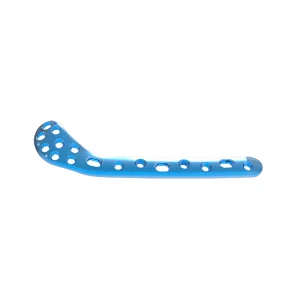
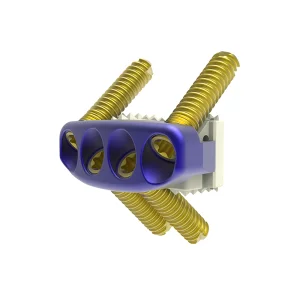
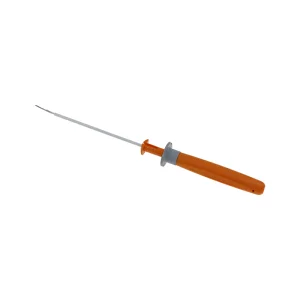
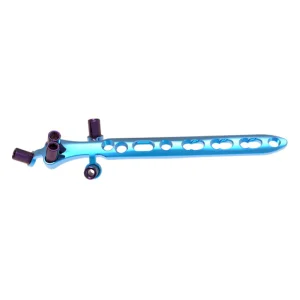
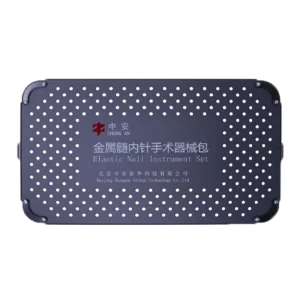
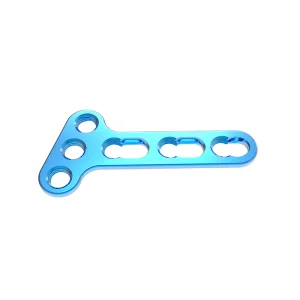
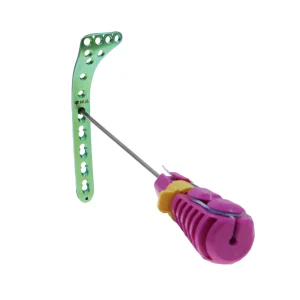
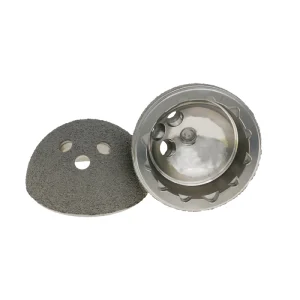
Executive Engineering Overview: The Biomechanical Modernization of Ortopedia Orthopedic Implants
Musculoskeletal reconstructive surgery requires complete metallurgical precision, anatomical matching, and unyielding biological fixation. The global demand for reliable ortopedia orthopedic products has surpassed commodity manufacturing, demanding specialized mechanical integrity and strict ISO 13485 adherence.
Medical Grade Metallurgy
Implant durability relies on Ti-6Al-4V ELI (Grade 23 per ASTM F136) and high-nitrogen stainless steels (ISO 5832-1). These alloys deliver exceptional tensile yield strength, fatigue endurance, and corrosion immunity under severe physiological cyclic loading.
- Elastic modulus optimized to mitigate stress shielding
- Strict interstitial elemental limits (O, C, N, H, Fe)
Surface Bio-Integration
Primary implant fixation requires initial mechanical stability, while long-term survival demands bone ingrowth. High-velocity vacuum plasma sprayed (VPS) titanium coatings and dual-layer hydroxyapatite (HA) establish micro-rough surface morphologies (Ra 3.5 - 6.0 μm) that accelerate osteoblast adhesion.
- Micro-porosity (150-400 μm) supporting Wolff's Law
- Shear bond strength exceeding 45 MPa per ASTM F1147
Ergonomic Instrumentation
Surgical efficiency directly correlates with clinical outcomes. Implants are engineered alongside matched, color-coded, CNC-machined instrumentation sets (AISI 630 / 17-4PH stainless steel), minimizing intraoperative instrument exchanges and shortening anesthesia time.
- Quick-coupling handles and high-wear PEEK ratchets
- Passivated surfaces for over 1000 autoclave cycles
Solving Global Healthcare Challenges in Modern Musculoskeletal Care
Public healthcare programs, private health maintenance organizations (HMOs), and surgical clinics face an acute triple dilemma: surging orthopedic caseloads driven by aging populations, aggressive reimbursement tightening under DRG (Diagnosis-Related Group) frameworks, and hospital-acquired infection (HAI) mitigation.
Value-Based Healthcare & Cost Compression
Legacy Western implant brands command massive pricing premiums driven by marketing layers and fragmented distribution hierarchies. ZATH dismantles this cost barrier via direct manufacturing integration, offering hospitals up to 40-55% landed acquisition savings without sacrificing biomechanical safety, tolerance precision, or clinical efficacy.
By delivering identical or superior fatigue ratings (ASTM F1717 for spine, ASTM F1814 for hip reconstruction), orthopedic departments protect operational margins, expand patient caseload access, and thrive within capped national insurance reimbursements.
Ambulatory Surgery Centers (ASCs) & Outpatient Readiness
Global orthopedic procedural volume is rapidly migrating from inpatient operating suites to outpatient Ambulatory Surgery Centers (ASCs). ASC operational dynamics demand lean supply chains, rapid turnover times, and minimal Central Sterile Supply Department (CSSD) overhead.
Our sterile pre-packaged implant platform—sealed in validated Tyvek-blister double barriers—bypasses on-site hospital autoclaving, guarantees immediate sterility assurance levels (SAL 10-6), reduces instrument footprint, and slashes per-case preparation expenditures.
| Evaluation Parameter | Legacy Multi-Tier Importers | ZATH China Factory 4.0 Ecosystem | Clinical / Commercial Impact |
|---|---|---|---|
| Base Material Purity | Ti-6Al-4V / 316L (Standard specs) | High-Purity Premium ASTM F136 ELI & ISO 5832-3 | Significantly improved fatigue life & bio-compatibility |
| Sterility Protocols | Non-sterile bulk trays or hospital autoclaved | Individual cleanroom Tyvek double-barrier (SAL 10-6) | Immediate OR deployment; cuts surgical site infection risk |
| Lead Times & Logistics | 8-16 Weeks via international distributors | 4-6 Days express international direct air shipment | Reduces hospital carrying capital and safety stock levels |
| Regulatory Dossiers | Variable, regional registration delays | Complete EU MDR, ISO 13485, CE, FSC documentation | Swift health ministry approvals across global territories |
| Customization (OEM/ODM) | Rigid catalog configurations only | Comprehensive dimensional, coating, and branding adaptations | Tailored solutions for unique patient populations |
China Factory 4.0: Supply Chain Resilience, Vertical Integration & Precision CNC Infrastructure
Operating from the Zhongguancun Science and Technology Park in Pinggu, Beijing, Beijing ZhongAnTaiHua Technology Co., Ltd. (ZATH) deploys advanced digital manufacturing to achieve micron-level repeatability and continuous batch traceability.
Multi-Axis Swiss CNC Machining
Production runs on high-precision DMG MORI, Citizen, and Star multi-axis sliding-head CNC turning centers. These machines cut complex pedicle screw reverse-buttress threads, polyaxial spherical heads, and anatomically contoured femoral plates in single setups, avoiding re-clamping runout and maintaining ±0.005 mm tolerances.
Sub-Micron EDM Wire Cutting
Precision wire EDM cuts complex geometries, such as intramedullary nail dynamic locking slots and deep cervical cage tooth serrations, without introducing thermal stress cracks or material structural degradation, preserving parent-metal metallurgical properties.
ISO Class 7 Cleanroom & Packaging
Cleaning relies on continuous multi-stage ultrasonic de-greasing tanks running high-purity reverse osmosis (RO) deionized water. Finished devices pass through positive-pressure air showers into Class 10,000 (ISO Class 7) cleanrooms for automated sealing in medical-grade sterile blister packaging.
Global Enterprise Procurement: Supplier Qualification Matrix & Risk Mitigation
International hospital purchasing groups, tender authorities, and regional orthopedic distributors require strict risk mitigation frameworks before onboarding new implant manufacturers.
Essential Vendor Due Diligence Checkpoints
Hospital procurement committees evaluate more than unit prices; they demand long-term supply continuity, validated testing data, and comprehensive traceability:
- Raw Material Ingot Traceability: Mill test certificates documenting spectral chemistry, mechanical tensile limits, and grain size analysis for every raw stock batch.
- Packaging Integrity Validation: ISO 11607-1/2 compliance, seal strength testing (ASTM F88), bubble emission leak detection (ASTM F2096), and real-time/accelerated aging (ASTM F1980) confirming 5-year sterile shelf life.
- UDI (Unique Device Identification): GS1 compliant 2D DataMatrix laser marking directly on implants and packaging barcodes for seamless EHR integration.
Turnkey OEM & ODM Collaborative Frameworks
For global medical brands looking to expand product portfolios without multi-million-dollar capital investments in Swiss CNC infrastructure, ZATH provides agile private-label manufacturing:
- Rapid CAD/CAM Prototyping: Conversion of surgeon sketch concepts to functional titanium prototypes within 10-14 working days.
- Custom Anodizing & Laser Etching: Specialized color anodizing for rapid intraoperative size identification and branded client laser markings.
- Flexible Volume Scaling: Balanced MOQs supporting localized pilot market rollouts as well as multi-thousand-unit national tenders.
Ortopedia Orthopedic Technology Roadmap: Next-Generation Clinical Platforms
Orthopedic engineering is shifting from passive structural support toward biologically active, digitally integrated, and patient-tailored musculoskeletal reconstructions.
3D Printed Trabecular Titanium
Leveraging Direct Metal Laser Sintering (DMLS) and Electron Beam Melting (EBM) additive manufacturing, our R&D pipeline creates open-celled trabecular scaffolds that replicate native cancellous bone architecture (60-80% porosity), lowering stiffness and eliminating osteolysis-inducing micromotion.
Bioresorbable Polymers
Advancing sports medicine and pediatric trauma through ultra-pure Poly-L/D-lactide (PLDLA) and magnesium-zinc biodegradable alloys that provide robust temporary internal fixation, steadily resorbing as natural bone heals and removing the need for secondary hardware removal surgeries.
Smart Sensor Implants & Robotics
Developing instrument geometries optimized for robotic-arm-assisted surgical platforms (such as MAKO and ROSA), alongside smart trial components with embedded micro-strain gauges that provide real-time dynamic ligament balancing feedback during total knee and hip arthroplasty.
Localized Support, Global Compliance & Stringent Auditing Safeguards
International medical device commercialization requires navigating diverse regulatory environments. ZATH maintains active quality systems and documentation packages to streamline market access for distributors across Latin America, Southeast Asia, the Middle East, Africa, and Europe.
ISO 13485:2016 Certified QMS
Our entire development and manufacturing chain—from raw bar stock receiving and multi-axis CNC machining to cleanroom blister sealing—operates under an audited ISO 13485:2016 Medical Devices Quality Management System.
EU MDR Ready Technical Dossiers
We provide complete Technical Files conforming to European Medical Device Regulation (EU MDR 2017/745), including General Safety and Performance Requirements (GSPR), ISO 14971 Risk Management reports, and ISO 10993 Biocompatibility dossiers.
Free Sale Certificates (FSC) & MoH Support
To accelerate regional distributor filings, we provide notarized Free Sale Certificates (FSC), UDEM certifications, Certificates of Analysis (CoA), and localized dossier translations for rapid Ministry of Health approvals.
Arthroplasty, Locking Osteosynthesis & Soft-Tissue Solutions
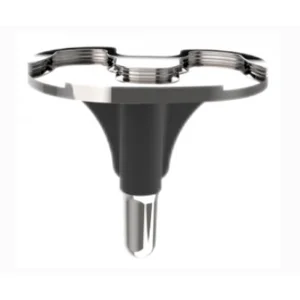
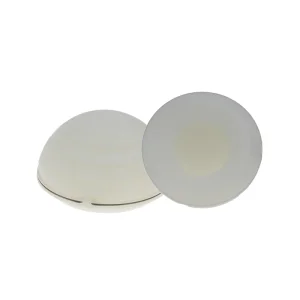
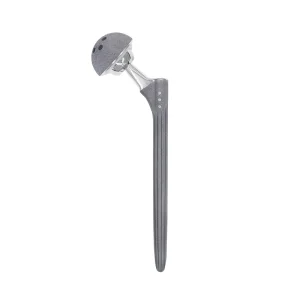
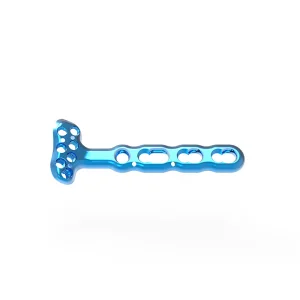
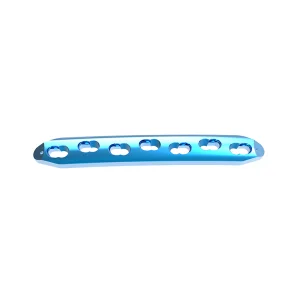
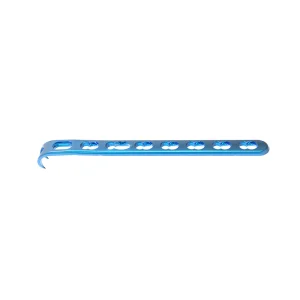
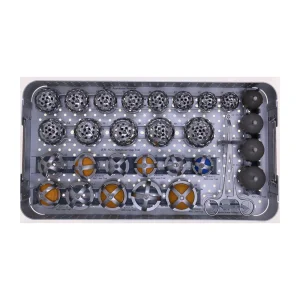
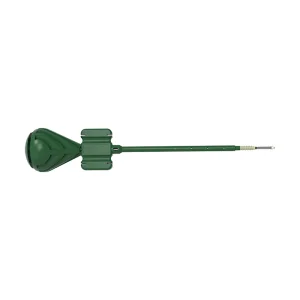
Explore the second series of precision clinical implants, including total knee tibial components, cemented/cementless hip arthroplasty systems, anatomically contoured trauma plates, and sports medicine anchors.
Frequently Asked Questions for Medical Importers & Procurement Teams
Direct technical, regulatory, and commercial answers for hospital purchasing committees, medical distributors, and OEM brand managers qualifying ZATH as an orthopedic supplier.