
Featured Fixation Systems & Trauma Implants
High-precision orthopedic locking compression systems, reconstructive trauma plates, external fixation pins, and corresponding instrument systems engineered to withstand dynamic physiological loading.
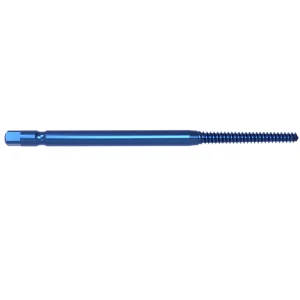
CE Certification Pin for External Fixation Quotes, Products
Explore Specifications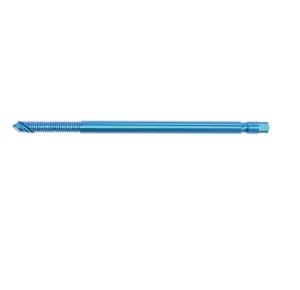
Cheap Titanium Alloy Pin for Orthopedic External Fixation Pricelist, Exporter
Explore Specifications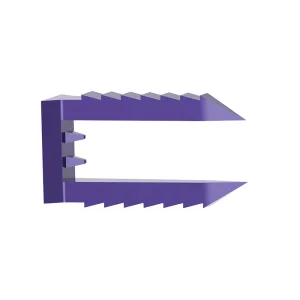
Famous Titanium Alloy Orthopedic Suture Anchor Titanium Manufacturer Companies, Products
Explore Specifications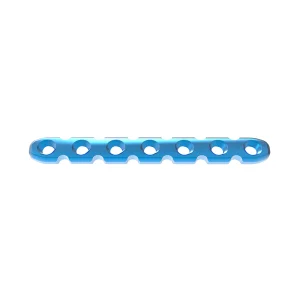
Cheap Reconstruction Locking Plate Quotes, Company
Explore Specifications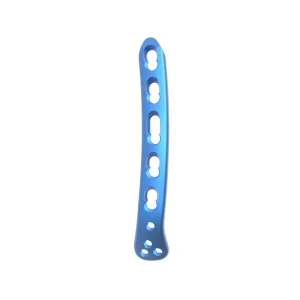
Cheap Distal Posterolateral Humerus Locking Compression Plate Suppliers, Exporter
Explore Specifications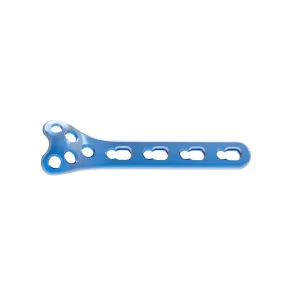
Best Radial Head Locking Compression Plate Manufacturer, Company
Explore Specifications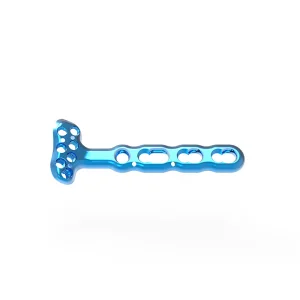
Cheap DVR Locking Compression Plate Factories, Company
Explore Specifications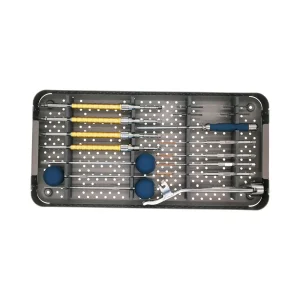
OEM 5.5 Spinal Pedicle Screw Instrument Set Factories, Pricelist
Explore SpecificationsGlobal Landscape of Orthopedic Plate Engineering & Sourcing
An authoritative evaluation of clinical biomechanics, titanium alloy metallography, and the shift toward angle-stable internal fixation technologies across modern trauma surgery.
Evolution of Fixation Biomechanics
Internal fixation has undergone a profound paradigm shift over the past three decades. Early rigid compression plates (such as Dynamic Compression Plates or DCP) relied exclusively on direct friction between plate underside and bone cortex. This compressed periosteal vessels, often inducing cortical necrosis, delayed osteogenesis, or secondary fractures after hardware extraction. Modern Locking Compression Plate (LCP) systems—such as those manufactured by ZATH—function as internal-external fixators, preserving periosteal blood flow and providing biological osteosynthesis.
Material Science: Ti-6Al-4V ELI
Raw material integrity defines clinical outcomes. ZATH uses medical-grade Ti-6Al-4V ELI (Grade 23, ASTM F136 / ISO 5832-3) and high-purity unalloyed titanium (ISO 5832-2). With an elastic modulus (~110 GPa) significantly closer to cortical bone (~18-20 GPa) than 316L stainless steel (~200 GPa), titanium locking plates substantially reduce the stress shielding phenomenon. This promotes optimal callus remodeling while offering high corrosion resistance and complete MRI compatibility.
Stringent ISO 13485 Manufacturing
Based in Zhongguancun Science Park (Pinggu, Beijing), Beijing ZhongAnTaiHua Technology Co., Ltd. operates state-of-the-art multi-axis CNC milling centers, wire EDM cells, and cleanroom packaging facilities. Operating in strict adherence to ISO 13485:2016 and CE regulatory frameworks, every locking plate, pedicle screw, and joint system features complete end-to-end batch traceability from melt ingot certificate through to final gamma/EtO sterile packaging.
Localized Clinical Scenarios & Anatomical Matching
Comparative clinical selection matrix for titanium locking compression plates across upper extremity, lower extremity, periarticular zones, and osteoporotic fragility fractures.
| System Category | Anatomical Indication | Screw Trajectory & Pitch | Clinical Advantages | Compliance Tier |
|---|---|---|---|---|
| Distal Volar Radius (DVR) | AO/OTA 23-A, B, C Intra/Extra-articular Distal Radius | Multi-directional angle-stable ø2.4/2.7mm locking pegs | Sub-chondral comb support prevents late collapse; ultra-low volar profile avoids FPL tendon rupture. | ISO 13485 / CE |
| Proximal Medial Tibia | Schatzker Type I-VI Tibial Plateau Fractures | Variable angle ø3.5/5.0mm dual-thread cortical/cancellous | Buttressing medial condyle; anatomical pre-contour reduces intra-operative plate bender stress. | ISO 13485 / CE |
| Curved Femoral Shaft | Subtrochanteric & Diaphyseal Femur Multi-fragmentary | Uniaxial/Polyaxial ø5.0mm locking & dynamic compression | Anterolateral radius curvature (1.5-2.0m) mirrors natural bowing; prevents distal cortical anterior impingement. | ISO 13485 / CE |
| Distal Posterolateral Humerus | AO/OTA 13-A, B, C Distal Humerus & Non-unions | Parallel/Orthogonal ø2.7/3.5mm low-profile threaded | Permits 90-90 or parallel column fixation; tapered tip minimizes radial nerve impingement. | ISO 13485 / CE |
| Patent Design Scapula | Scapular spine, neck, and glenoid margin fractures | Interlocking matrix ø2.7/3.5mm contourable system | Specialized web morphology accommodates thin scapular body while providing stable glenoid buttressing. | ISO 13485 / CE |
Biomechanical Stability in Fragile Bone
In osteoporotic patients, conventional cortical screws exhibit poor pull-out resistance, frequently causing catastrophic toggle and early hardware loosening. ZATH's locking compression screw construct converts torsional and bending moments into compressive forces along the plate's entire longitudinal axis. By forming a rigid angle-stable frame, bone-plate friction is no longer the sole stabilizing mechanism, radically reducing fixation failure rates in low bone mineral density (BMD) environments.
Economic & Hospital Procurement Value
Global healthcare systems face mounting budgetary constraints under DRG (Diagnosis-Related Group) reimbursement frameworks and volume-based procurement policies. ZATH addresses these macro-economic shifts by delivering precision-engineered, fully certified orthopedic plates, external fixation pins, and spinal systems at substantial cost savings compared to legacy Western Tier-1 vendors, without compromising metallurgical purity or dimensional tolerance.
Technological Roadmap: 2026–2035 Innovations
Pioneering R&D breakthroughs in bioabsorbable metallic matrices, Electron Beam Melting (EBM) 3D printing, and intelligent fracture monitoring telemetry.
Additive 3D Trabecular Titanium
Integrating Selective Laser Melting (SLM) directly into standard trauma lines enables the production of porous metaphyseal contact pads. By tailoring pore diameters between 400-600 μm with 65-75% interconnected porosity, these next-generation plates accelerate vascularization and bone ingrowth, eliminating the boundary layer shear stresses common with solid-back titanium implants.
Resorbable Magnesium-Zinc Alloys
To completely eradicate the morbidity of second-look implant removal surgeries—especially in pediatric and craniofacial surgery—our metallurgical research division is actively refining WE43-grade magnesium alloys and zinc-based bioresorbable internal fixation plates. Tailored degradation curves match native bone remodeling rates while releasing osteogenic Mg2+ ions locally.
Smart Strain-Gauge Sensor Arrays
The intersection of microelectromechanical systems (MEMS) and orthopedic trauma has yielded prototype "smart plates." Passive RFID-driven micro-strain sensors embedded within non-critical plate sections capture real-time mechanical loading and micro-motion data during weight-bearing. This telemetry streams to clinicians wirelessly, identifying delayed union or hardware overload weeks before radiological visibility.
Global OEM/ODM Customization & Regulatory Supply Chain
From rapid CAD prototyping to full MDR technical dossier compilation, ZATH serves as the trusted manufacturing backbone for orthopedic brand owners and hospital tenders worldwide.
Tailored OEM/ODM Engineering
Distributors need region-specific adaptations, ranging from unique screw thread pitches to bespoke color anodization and laser etching. ZATH offers full turnkey OEM/ODM services. Our engineering team converts your surgical specifications into Swiss-type CNC toolpaths within 72 hours, delivering pre-production samples that undergo comprehensive mechanical bench validation (including ASTM F382 four-point bending and fatigue testing).
Sterile Barrier Packaging Compliance
Hospital procurement offices increasingly reject non-sterile bulk implants due to central sterile processing (CSP) bottlenecks and infection risks. ZATH provides Class 10,000 cleanroom-sealed, double-peel Tyvek packaging with validated 5-year shelf-life stability. Implants arrive at the operating theater ready for deployment, streamlining logistics and lowering surgical site infection (SSI) risks.
Global Cold-Chain & Express Distribution
Through established strategic alliances with DHL, FedEx, TNT, and UPS, urgent consignment inventory and distributor replenishment orders are dispatched within 24 to 48 hours. Typical arrival at destination international hubs spans just 4 to 6 business days, ensuring seamless surgical case coverage across South America, Europe, Southeast Asia, and the Middle East.
Frequently Asked Questions by Surgical Procurement Teams
Rigorous engineering answers regarding metallurgical composition, mechanical fatigue limits, surgical instrumentation compatibility, and international import certification.
What metallurgical certifications accompany ZATH orthopedic plate shipments? +
How does ZATH prevent cold welding and galling between titanium screws and locking plate holes? +
Are ZATH locking plates compatible with universal AO-type screw drivers and drill guides? +
What quality assurance systems govern your cleanroom packaging and sterilization? +
What support does ZATH provide for regional registration dossiers (CE, FDA, Local MoH)? +
Joint Arthroplasty, Spinal Construct & Trauma Assemblies
Comprehensive orthopedic surgical implants, total joint prostheses, specialized anatomical fracture plates, and matched orthopedic instrument sets for immediate surgical delivery.
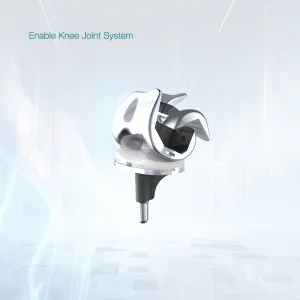
Buy High Quality Titanium Total Knee Joint Replacement Implants Pricelist, Companies
Explore Specifications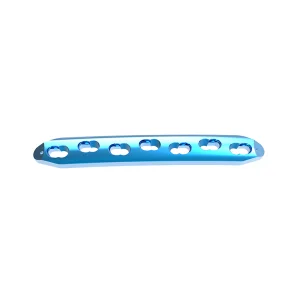
Famous Curved Femoral Shaft Locking Compression Plate Suppliers, Companies
Explore Specifications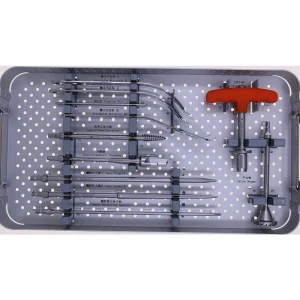
Famous CE Approved Orthopedic Implant THA Hip Instrument Set Femoral Part Supplier, Service
Explore Specifications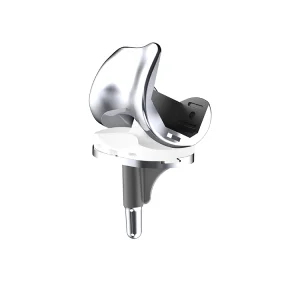
ODM Orthopedic titanium knee joint replacement prosthesis Exporters, Service
Explore Specifications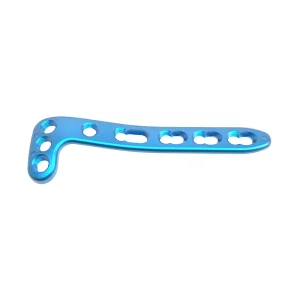
Best Proximal Medial Tibia Locking Compression Plate I Pricelist, Product
Explore Specifications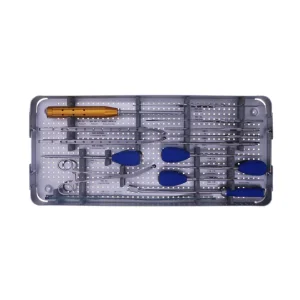
Best Zipper 6.0 System Spinal Internal Fixation System Instrument Universal Set Quotes, Company
Explore Specifications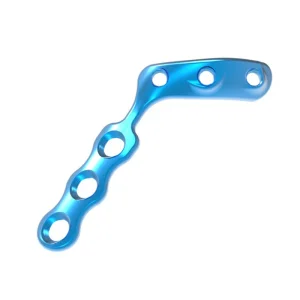
China patent design scapula Locking Plate factory CE ISO insured Exporters, Products
Explore Specifications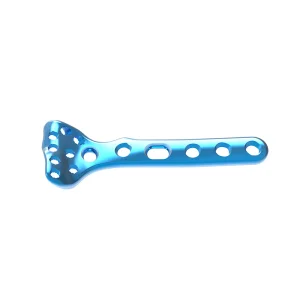
ODM DVR Locking Compression Plate I Exporter, Product
Explore SpecificationsAccelerate Your Orthopedic Distribution Channel with ZATH
Contact our medical engineering consultants for complete catalog pricing, CAD technical files, OEM/ODM customization blueprints, or full ISO 13485 regulatory dossiers.