
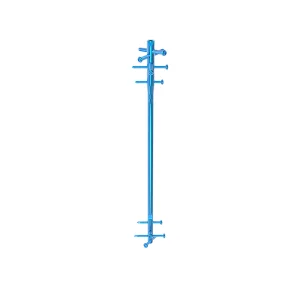
Featured Surgical Implants
Precision Internal Fixation & Arthroplasty Catalog (Part I)
Explore immediate-dispatch and custom OEM/ODM configurations engineered from medical-grade Ti-6Al-4V ELI and certified under international quality management systems.
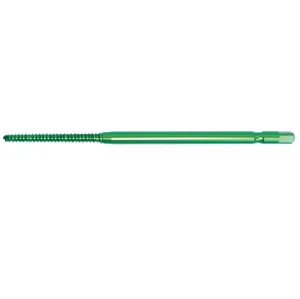
Custom For Cancellous Bone Pin for Orthopedic External Fixation Suppliers, Product
View Specifications & Quote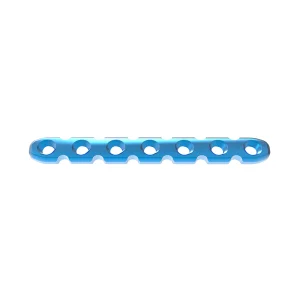
Cheap Reconstruction Locking Plate Quotes, Company
View Specifications & Quote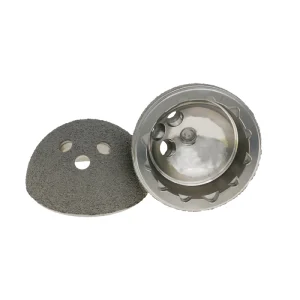
ODM ADC Acetabular Cup Surgical Instrument Factories, Exporters
View Specifications & Quote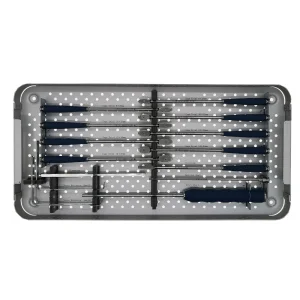
Famous Spine Surgery Thoracolumbar PLIF Cage Instrument Set Supplier, Suppliers
View Specifications & Quote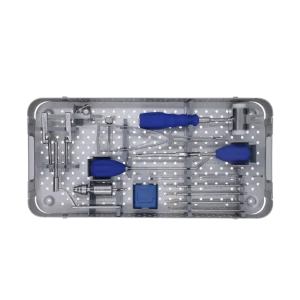
ODM High Quality ZP Cage Instrument Set Manufacturer, Manufacturers
View Specifications & Quote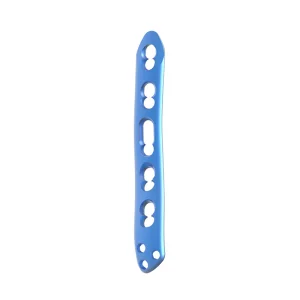
Buy Distal Medial Humerus Locking Compression Plate Factory, Exporters
View Specifications & Quote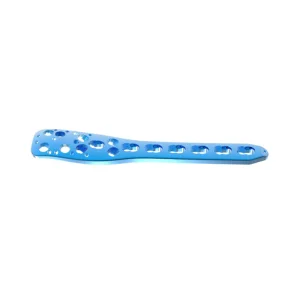
Famous Proximal Humerus Locking Compression Plate III Exporters, Product
View Specifications & Quote
Strategic Sourcing Paradigm
The Macro Shift in Global Orthopedic Implant Procurement
The global osteosynthesis bone plate market has undergone a fundamental transition over the past decade. Driven by healthcare expenditure constraints, surgical volume expansions in emerging markets, and escalating regulatory friction under MDR (EU) 2017/745, regional distributors and tier-1 healthcare providers can no longer rely solely on multi-tier distribution channels of legacy multinational corporations.
Modern procurement executives require direct integration with certified Original Design Manufacturers (ODM) capable of providing engineering-grade titanium internal fixation systems that reduce bill-of-materials costs while upholding stringent clinical safety profiles. By adopting vertically integrated CNC wire cutting, 5-axis simultaneous high-speed milling, and Class 100,000 cleanroom packaging, an authentic ODM partner bridges the historical divide between premium biomechanical execution and commercial competitiveness.
- MDR Class IIb & ISO 13485:2016 Compliant: Complete technical documentation support for national registration authorities worldwide.
- Pure Metallurgy Sourcing: Stringent verification of medical-grade Grade 4 pure Titanium and Ti-6Al-4V ELI conforming to ASTM F136 standards.
- Turnkey OEM/ODM Flexibility: Customization extending from laser surface etching to customized anatomical curve stamping and sterilization barrier pouches.
Direct Procurement Cost Advantage
Procuring bone plates via an established ODM company yields immediate unit economics improvements:
Traditional MNC Brand Markups
+300% to +500%
Direct ODM Factory Pricing
Zero Middleman Spreads
Custom Instrument Tooling ROI
Subsidized by Batch Vol.
Biomechanical Engineering
Locking Compression Plate (LCP) Metallurgy & Architecture
Achieving absolute or relative clinical stability through micro-motion control, low-profile periosteal preservation, and variable angle (VA) locking mechanics.
Biological Internal Fixation
Traditional compression plates relied on direct friction against the bone cortex, strangulating the periosteal blood supply and leading to delayed unions. Our Limited Contact Locking Compression Plates (LC-LCP) utilize undersurface scallops that reduce contact area by up to 60%, safeguarding endosteal vascularization and promoting rapid callus formation.
Ti-6Al-4V ELI Fatigue Resistance
Manufactured exclusively from extra-low interstitial (ELI) Grade 23 titanium alloy conforming to ASTM F136 and ISO 5832-3. This delivers an elastic modulus closely matching human cortical bone (approx. 110 GPa vs. 200 GPa of stainless steel), mitigating the risk of stress shielding while providing superior cyclic fatigue life under dynamic physiological loads.
Combi-Hole Engineering
Our combi-hole architecture combines dynamic compression unit (DCU) geometry with threaded conical locking holes. This grants the orthopedic surgeon absolute intraoperative freedom: utilizing standard cortical screws to achieve interfragmentary axial compression, or deploying locking screws for angularly stable rigid bridging in osteoporotic or comminuted fractures.
| Material / Parameter | Yield Strength (Rp 0.2 MPa) | Tensile Strength (Rm MPa) | Elongation at Break (%) | Biomechanical Application |
|---|---|---|---|---|
| Ti-6Al-4V ELI (ASTM F136) | ≥ 795 MPa | ≥ 860 MPa | ≥ 10% | High-stress trauma plates, diaphyseal & metaphyseal bridging |
| CP Titanium Grade 4 (ISO 5832-2) | ≥ 480 MPa | ≥ 550 MPa | ≥ 15% | Contourable reconstruction plates, craniofacial, clavicle plates |
| 316LVM Stainless Steel (ASTM F138) | ≥ 690 MPa | ≥ 930 MPa | ≥ 12% | Heavy-duty femoral dynamic compression plates & cable systems |
| Type II Anodic Oxidation | N/A (Surface Passivation) | ASTM F86 Qualified | Anti-Galling Coating | Eliminates cold-welding between screw head threads and plate holes |
Market Dynamics & Trends
Technological Roadmaps & Localized Surgical Demands
Understanding regional epidemiology, minimally invasive techniques, and digitalized manufacturing protocols.
Geriatric Osteoporotic Fracture Fixation
With global aging accelerating in Europe, East Asia, and North America, fragility fractures of the proximal humerus, distal radius, and proximal femur have skyrocketed. ODM manufacturing workflows now emphasize multi-directional, polyaxial locking screw clusters that maximize screw purchase in low-density trabecular bone while preventing secondary joint collapse.
Minimally Invasive Surgery (MIS) Tooling
Modern clinical guidelines favor biological bridge plating via percutaneous subcutaneous tunneling. Our ODM trauma solutions integrate specialized sub-muscular targeting guides and radiolucent carbon-fiber instrumentation. This approach protects the soft-tissue envelope, minimizes blood loss, and significantly reduces post-operative infection rates.
Localized Anatomical Profiling
Bone morphology varies significantly across regional demographics; skeletal curvature metrics of European populations differ systematically from East Asian and Latin American profiles. As an ODM specialist, we configure localized bone plate bend angles, screw trajectory spreads, and plate tapers derived from clinical CT 3D bone libraries, drastically cutting intraoperative plate contouring time.
Quality by Design
End-to-End Contract Manufacturing Architecture
From raw titanium ingots to sterile-packed hospital-ready kits, each stage operates under monitored cleanroom controls and statistical process parameters.
1. Spectrometry & Raw Material QC
Every batch of titanium alloy bars undergoes optical emission spectroscopy and ultrasonic non-destructive testing to verify absolute chemical homogeneity, interstitial nitrogen/oxygen control, and grain size perfection.
2. High-Precision Multi-Axis CNC
Utilizing Swiss-type lathes and DMG MORI 5-axis machining centers with precision repeatability within ±0.005mm. Locking thread pitch, combi-slot chamfers, and smooth rounded edges are contoured in automated cycles.
3. Automated Electrochemical Deburring
Manual deburring poses risks of inconsistent micro-scratches. Our facilities employ electrochemical and ultrasonic vibratory finishing, ensuring mirror-smooth bevels, eliminating micro-burrs, and reducing bacterial colonization risks.
4. CMM & Laser Optoelectronic Inspection
Continuous statistical process control (SPC) using Zeiss Coordinate Measuring Machines (CMM) and non-contact optical profilometers to ensure 100% compliance of complex anatomical 3D contours and screw-lock engagements.
5. Color Anodization & Custom Etching
Titanium Type II hard anodization and electrochemical color coding provide instant screw/plate diameter identification inside the operating theater while creating a wear-resistant, anti-galling bio-inert barrier.
6. Cleanroom Sealing & EO/Gamma Sterilization
Class 100,000 cleanroom dual-blister Tyvek packaging ensures a verified 5-year sterile shelf-life. Pre-sterilization bioburden testing and comprehensive pyrogen validation guarantee immediate hospital readiness.
Procurement & Financial Analysis
How to Evaluate ODM Bone Plate Quotes: Cost Breakdown
A transparent breakdown of cost structures, tooling amortization, regulatory dossiers, and lead times to safeguard your margin architecture.
Raw Material Volatility & Certified Stock
Medical-grade titanium pricing fluctuates with aerospace market demand. An authentic ODM partner maintains dedicated raw billet safety stock (certified ASTM F136 / ISO 5832-3) to lock in quote prices over 12 to 24 month distributor contract cycles, protecting you from currency and commodity spikes.
Tooling, Fixturing & NRE Amortization
Non-Recurring Engineering (NRE) charges for customized bone plates (such as patient-specific reconstructions or regional micro-fragment systems) encompass CAD/CAM fixture tooling, EDM wire templates, and laser program setup. Transparent quotes explicitly outline batch volume thresholds where NRE charges are waived.
Documentation & Regulatory Dossier Inclusion
A quote is only as valuable as the implant's legal market clearance. Reliable quotes clearly itemize whether design dossiers, Biocompatibility Evaluation Reports (ISO 10993), and dynamic mechanical fatigue reports (ASTM F382) are included for local Ministry of Health registration.
Frequently Asked Questions
ODM Bone Plate Sourcing & Regulatory FAQ
Direct technical and operational answers to the most common queries raised by medical device buyers and distributor qualification teams.
What is the minimum order quantity (MOQ) for custom ODM bone plates?
Standard catalog trauma plates require no minimum batch size for trial orders. For customized ODM designs featuring modified screw trajectories, proprietary hole geometry, or private-label branding, pilot production runs typically start at 50 to 100 units per specification to optimize CNC programming efficiency.
Can you provide matching surgical instrument kits with the plates?
Yes. Every bone plate system is engineered alongside its dedicated surgical instrument tray: including torque-limiting screwdrivers, drill bits, variable-angle drill sleeves, depth gauges, bending irons, and reduction forceps. Trays are fabricated from PPSU or anodized aluminum for repeated autoclave sterilization cycles.
How does your factory prevent cold-welding in titanium locking plates?
Titanium-on-titanium threading can experience galling under high insertion torque. We apply specialized Type II Anodic Oxidation or surface chemical conversion treatments to both plates and screw heads. This creates an ultra-dense, lubricious oxide layer that ensures smooth locking engagement and trouble-free hardware removal years later.
What testing data is provided to verify biomechanical performance?
We supply comprehensive mechanical test reports in strict compliance with ASTM F382 (Standard Specification and Test Method for Metallic Bone Plates). This includes 4-point bending structural stiffness, proof moment testing, and dynamic fatigue runout data up to 1,000,000 cycles without catastrophic fracture.
Can we obtain regulatory authorization letters and Free Sale Certificates?
Absolutely. Qualified regional distributors receive certified copies of our ISO 13485 QMS certificates, CE declarations, Free Sale Certificates (FSC) issued by competent authorities, full device Master Files, and cleanroom sterilization validation packages to accelerate national MoH registration.
What is the standard production and shipping lead time for volume orders?
For standard sterile or non-sterile components kept in active inventory, orders are dispatched within 48 to 72 hours via international express (DHL, FedEx, UPS) arriving within 4 to 6 business days. Full-scale batch production orders for private-label ODM runs are routinely fulfilled within 4 to 6 weeks.
Full Trauma & Spinal Matrix
Precision Internal Fixation & Arthroplasty Catalog (Part II)
Explore specialized anatomical locking plates, cannulated sets, and spinal stabilization instruments manufactured to exacting surgical standards.
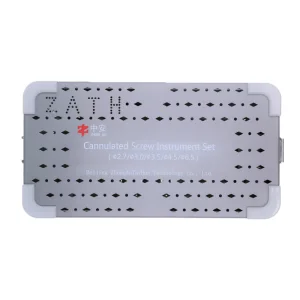
Discount Orthopedic Surgical Instruments Stainless Steel Cannulated Screw Instrument Set Supplier, Service
View Specifications & Quote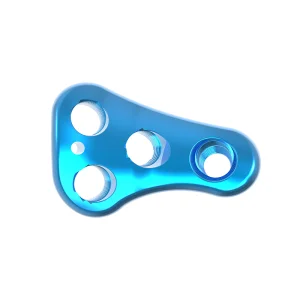
High-Quality Proximal Femur MIS Locking Plate II Suppliers, Product
View Specifications & Quote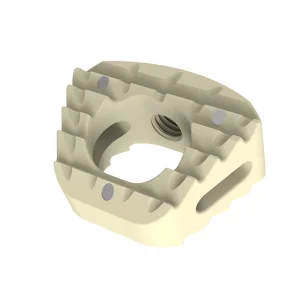
Discount ZATH Brand Cervical Interbody Cage PEEK Cage Factory CE ISO Pricelist, Quotes
View Specifications & Quote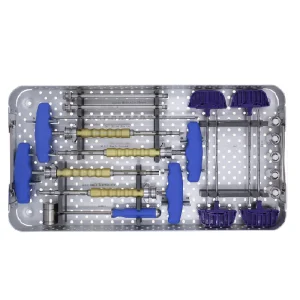
Cheap Spine Instrument Set (Zenith HE Instrument Set) Suppliers, Quotes
View Specifications & Quote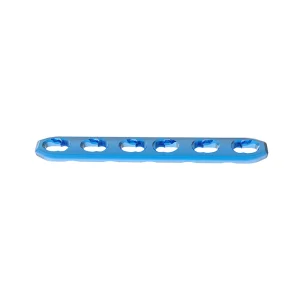
Wholesale Tibia Limited Contact Locking Compression Plate Manufacturer, Supplier
View Specifications & Quote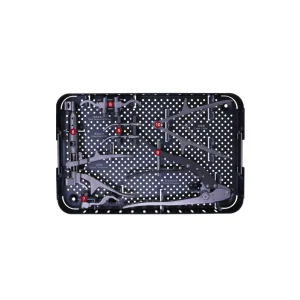
Famous Cable Instrument Set TypeII Supplier, Factory
View Specifications & Quote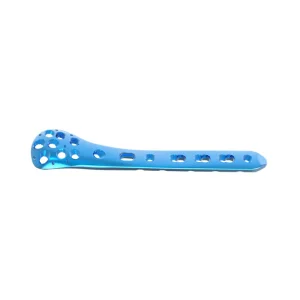
Cheap Proximal Lateral Humerus Locking Compression Plate II Supplier, Companies
View Specifications & Quote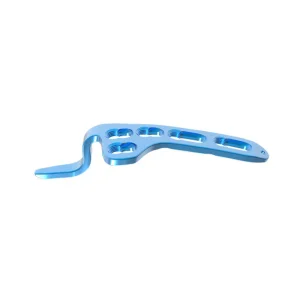
Buy Clavicle Hook Locking Compression Plate Manufacturer, Supplier
View Specifications & Quote
Direct Factory Engagement
Initiate Your Custom ODM Bone Plate Project Today
Whether qualifying an alternative manufacturing partner for hospital tenders, scaling a private-label orthopedic brand, or designing specialized titanium implants, our engineering and regulatory affairs team is at your disposal.