Primary Fixation Systems
High-Precision Trauma & Joint Reconstruction Implants
Explore our certified orthopedic product series engineered from medical-grade Ti-6Al-4V ELI and bio-compatible alloys, manufactured within our Beijing high-tech industrial complex.
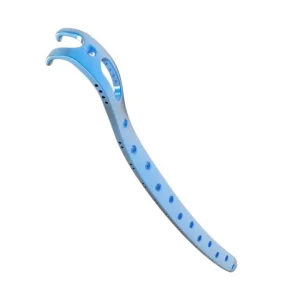
ODM Proximal Femur Locking Plate III Manufacturer, Suppliers
Explore Product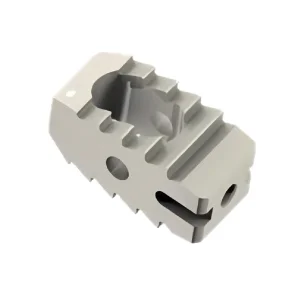
Famous Thoracolumbar Interbody Cage (Straight) Manufacturers, Factories
Explore Product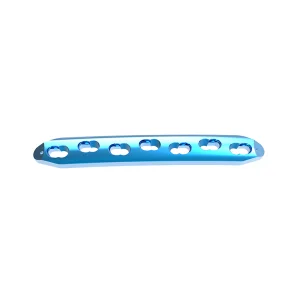
Famous Curved Femoral Shaft Locking Compression Plate Suppliers, Companies
Explore Product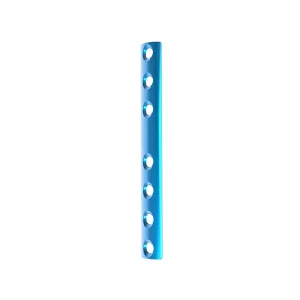
Cheap Metacarpal & Metatarsal Fractures 1/3 Tubular Locking Plate Factories, Service
Explore Product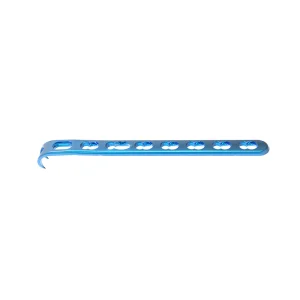
Buy Olecranon Hook Locking Compression Plate Companies, Products
Explore Product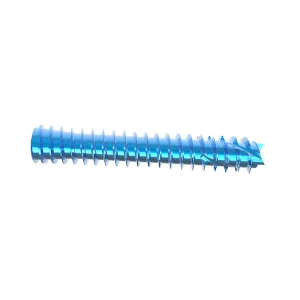
Buy Headless screw titanium cannulated screws Companies, Product
Explore Product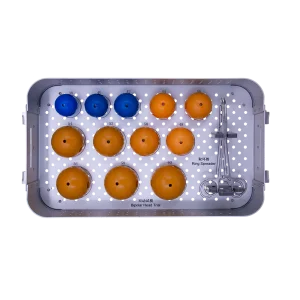
Famous Orthopedic Implant Human Use Bipolar Hip Instrument Set Suppliers, Exporter
Explore Product
Executive Sourcing Guide
ODM Locking Compression Plate (LCP) & Screw Industrial Benchmarks
In modern orthopedic trauma surgery, the Locking Compression Plate (LCP) represents the gold standard in internal fixation. By merging dynamic compression principles with fixed-angle locking screw mechanics, LCP systems neutralize shear, bending, and torsional forces without compromising periosteal microvascularity.
Biomechanical Core Principle: Angular Stability vs. Friction-Dependent Clamping
Unlike traditional non-locking compression plates that rely strictly on bone-to-plate friction (which compresses the periosteum and induces localized avascular necrosis), an LCP construct functions as an "internal fixator." Threaded screw heads lock securely into the plate's combi-holes, distributing mechanical load across the entire longitudinal frame. This mechanism yields unprecedented stability in comminuted metaphyseal fractures, osteoporotic bone beds, and periprosthetic fractures.
| Implant Classification | Material Specification | Screw Interface Range | Yield Strength (Rp 0.2) | Reference FOB Price (USD) | Lead-Time (Batch OEM) |
|---|---|---|---|---|---|
| Small Fragment LCP (Radius, Ulna, Clavicle) | Ti-6Al-4V ELI (ISO 5832-3) | Ø2.4 mm / Ø2.7 mm / Ø3.5 mm | ≥ 860 MPa | $12.50 – $24.00 / pc | 15 – 21 Days |
| Large Fragment LCP (Femur, Tibia, Humerus) | Ti-6Al-4V ELI (ASTM F136) | Ø4.5 mm / Ø5.0 mm Locking | ≥ 895 MPa | $22.00 – $48.50 / pc | 18 – 25 Days |
| Cannulated Compression Screws | Medical Ti / 316LVM (ISO 5832-1) | Ø3.0 mm – Ø7.3 mm Headless | ≥ 920 MPa | $3.20 – $7.80 / pc | 10 – 14 Days |
| Variable-Angle Polyaxial LCP | Grade 5 Ti-Alloy (Surface Anodized) | ±15° Polyaxial Locking Cones | ≥ 880 MPa | $28.00 – $58.00 / pc | 20 – 30 Days |
| Matching Ergonomic Instrument Trays | German 17-4PH Stainless + PPSU | Complete Quick-Coupling Set | HRC 42 – 48 | $650.00 – $1,450.00 / set | 25 – 35 Days |
100%
Traceable Ingot Batches
±5 μm
CNC Swiss Tolerance
10-6
Sterility Assurance Level
4-6 Days
Air Express Global Dispatch
Surgical Scenarios
Localized Clinical Application Scenarios & Anatomical Biomechanics
Fixation challenges differ across anatomical compartments, bone mineral densities, and patient demographics. Our ODM LCP catalog is engineered to provide targeted mechanical performance for diverse surgical demands.
Osteoporotic Metaphyseal Trauma
In geriatric fractures of the distal radius (AO/OTA 23-C2/C3) and proximal humerus (Neer 3-part & 4-part), cancellous bone provides inadequate purchase for standard cortical screws. Our anatomical locking plates use divergent/convergent screw vectors that establish a fixed-angle subchondral scaffold, preventing secondary collapse, screw cut-out, and varus tilt during early postoperative weight-bearing.
Periprosthetic Femoral Fractures
Occurring adjacent to previously placed hip or knee prostheses (Vancouver Type B1/B2), these demanding fractures require plates that accept both locking screws and bicortical cerclage cables. Our curved femoral shaft and distal lateral femur LCP systems feature scalloped margins and offset screw trajectories that pass safely around intramedullary prosthetic stems without mechanical compromise.
Minimally Invasive Plate Osteosynthesis (MIPO)
For high-energy comminuted diaphyseal fractures of the tibia and femur, bridging osteosynthesis with biological preservation is paramount. Our low-profile plates feature tapered, bullet-shaped tips that slide percutaneously beneath muscular envelopes, supported by radiolucent insertion guides that ensure precise screw trajectory verification under fluoroscopy.
Small Fragment & Complex Articular Reconstruction
Complex olecranon, clavicle, and 1/3 tubular metacarpal/metatarsal procedures demand ultra-low-profile plates (≤1.8 mm thickness) with chamfered contours to mitigate soft-tissue irritation and tendon friction. Anatomic pre-contouring minimizes intraoperative plate bending, preserving the engineered fatigue life of the titanium structure.
Extreme Physiological & Cold Climate Applications
For distribution networks operating in Northern Europe, Central Asia, and high-altitude alpine regions, implants must retain ductile-to-brittle transition thresholds under extreme cold. Our vacuum-melted Ti-6Al-4V ELI exhibits superior cryogenic fracture toughness (>80 MPa·m¹⁄²) compared to conventional medical stainless steels, preventing catastrophic plate shearing.
Veterinary Orthopedic Reconstruction (Dual-Use ODM)
Beyond human trauma, veterinary surgical hubs frequently require specialized 1.5 mm/2.0 mm/2.4 mm/2.7 mm micro-locking plates for feline and canine fracture repair. ZATH supplies dedicated ODM runs featuring optimized screw thread pitches tailored specifically to higher mammalian cortical densities.
Industrial Backbone
China Factory Supply Chain Resilience & Manufacturing Efficiency
Operating from Beijing's prestigious Zhongguancun Science and Technology Park (Pinggu Park), Beijing ZhongAnTaiHua Technology Co., Ltd. (ZATH) embodies the modern paradigm of high-precision orthopedic manufacturing.
Vertical In-House Integration
Founded in 2009, ZATH maintains full end-to-end control across our 300+ workforce, which includes over 100 seasoned mechanical engineers and quality specialists. Every stage—raw titanium bar verification via spectrographic analysis, multi-axis Swiss longitudinal turning, 5-axis CNC plate milling, wire-EDM shaping, vibratory finishing, cleanroom packaging, and gamma sterilization—is managed under one roof.
Unmatched Cost-to-Performance Ratio
Western multinational brands (e.g., DePuy Synthes, Stryker, Zimmer Biomet) carry enormous SG&A, clinical trial overhead, and multi-tier distribution markups. Our direct ODM model delivers identical metallurgical purity (ASTM F136 ELI grade), lower fatigue limits under ASTM F382 dynamic four-point bending tests, and pristine cleanroom packaging at a 45% to 70% cost reduction.
Supply Chain Redundancy & Agile Tooling
With an extensive automated warehouse buffering hundreds of thousands of standard screw blanks and plate blanks, we eliminate stock-out disruptions. Standard OEM custom laser-etching, sterile pouch labeling, and anodized color variations (e.g., gold for standard cortical, blue for locking, magenta for reconstructive) can be turned around within 14 working days.
Market Dynamics
Global Commercial & Industrial Landscape
The global orthopedic trauma fixation market is undergoing structural shifts driven by regulatory tightening, healthcare reimbursement pressures, and demographic trends.
The Pressure of Value-Based Procurement (VBP)
From China's nationwide Volume-Based Procurement (VBP) policies to healthcare austerity measures in Latin America (Brazil SUS, Mexico IMSS) and Southeast Asia (BPJS Indonesia), national tenders have slashed distributor margins. Traditional brand premiums are no longer viable. Hospital boards require tier-1 clinical safety profiles backed by rigorous biocompatibility documentation at aggressive, commoditized tender prices. ZATH's OEM/ODM framework allows local distributors to retain substantial profit margins while winning large public bids.
Displacement of Legacy Western Brands in Emerging Markets
In developing regions across the Middle East, North Africa, Southeast Asia, and Eastern Europe, orthopedic caseloads are surging due to motor vehicle accidents and industrial infrastructure expansion. While multinational conglomerates prioritize high-margin robotics and premium joint revisions, our agile ODM facility meets the urgent need for cost-efficient, rugged, sterile-packed trauma plates and cannulated screws delivered with zero bureaucratic lag.
Future Innovations
Technology Roadmap & Next-Generation Trauma Research
At ZATH, continuous investment in metallurgical science and bio-engineering drives our trauma fixation portfolio into the next frontier of patient care.
Phase I • Active Production
Type II Anodization & Micro-Arc Oxidation (MAO)
Deploying specialized electrolytic surface treatments to produce dense titanium oxide ceramic barriers. This process reduces fretting corrosion between screw head threads and plate combi-holes, enhances fatigue limits, and minimizes postoperative soft-tissue adhesion.
Phase II • In Registration
Additive EBM / SLM Trabecular Fixation
Employing Electron Beam Melting (EBM) 3D-printing technologies to build porous titanium lattices on bone-facing plate surfaces. These 300–500 μm interconnected pore structures mimic cancellous bone architecture, encouraging rapid osteointegration in non-union reconstruction.
Phase III • Clinical Pilot
Bioresorbable Magnesium Alloy Systems
Developing ultra-high-purity Mg-Zn-Ca alloys for pediatric and craniofacial fixation plates. These constructs provide full mechanical stability during the initial 8–12 week osteosynthesis period, then safely resorb into natural biological minerals, completely eliminating secondary hardware removal surgeries.
Phase IV • Conceptual R&D
Telemetric Smart Strain Sensing
Integrating micro-thin passive piezoelectric sensor arrays inside titanium plate channels to measure continuous micromotion and bending loads across the fracture gap. Real-time RF telemetry alerts surgeons to premature hardware loading, delayed union, or impending plate fatigue failure.
Assurance & Governance
Localized Regulatory Support, Auditing & Global Compliance
Market clearance is the single greatest bottleneck in medical device distribution. ZATH operates a dedicated regulatory affairs division that provides our ODM partners with end-to-end dossier support, clinical evaluations, and international testing validations.
ISO 13485:2016 Certification
Audited by premier notified bodies, our Quality Management System governs the design, CNC milling, cleanroom handling, biological evaluation, and packaging of orthopedic implants. Full annual audit summaries are accessible to qualified regional distributors.
CE MDR (EU 2017/745) Class IIb Dossiers
We supply complete Technical Documentation Files (TDF) containing clinical evaluation reports (CER), risk management according to ISO 14971, usability engineering per IEC 62366, and Post-Market Clinical Follow-up (PMCF) plans configured for Class IIb trauma and spine devices.
MOH Fast-Track Dossier Support
Targeting registrations across Latin America (COFEPRIS, ANVISA), the Middle East (Saudi FDA), and Southeast Asia (TFDA, MDA)? We issue factory Free Sale Certificates (FSC), consular legalizations, ASTM F382 fatigue bench test reports, and ISO 10993 cytotoxicity, sensitization, and genotoxicity portfolios.
Distributor Intelligence
Frequently Asked Questions: ODM Procurement & Technical Specifications
Direct technical and operational answers to support procurement officers, hospital purchasing boards, and medical device distributors.
What are the key metallurgical distinctions between Ti-6Al-4V ELI and 316LVM in LCP plate production?
Ti-6Al-4V ELI (Extra Low Interstitial, ASTM F136 / ISO 5832-3) offers an elastic modulus of approximately 110 GPa, closely approximating cortical bone (~18 GPa) compared to 316LVM medical stainless steel (~200 GPa). This significantly lowers stress shielding, reduces long-term bone resorption under the plate, and provides exceptional fatigue endurance under cyclic loading. 316LVM stainless steel remains a cost-effective alternative with superior ductility, facilitating extensive manual intraoperative contouring without micro-fissuring.
How does ZATH validate the mechanical fatigue endurance of its locking plates?
Every plate family is validated in accordance with ASTM F382 (Standard Specification and Test Method for Metallic Bone Plates). Our laboratory conducts dynamic four-point bending fatigue tests up to 5,000,000 cycles at a frequency of 5 Hz under physiological saline immersion. Plates must maintain structural integrity without micro-cracking, thread deformation, or locking mechanism failure at specified run-out bending moments.
What are your minimum order quantities (MOQ) for custom private-label ODM manufacturing?
For standard off-the-shelf ZATH-branded implants, there is no strict minimum order quantity; distributors can purchase small mixed lots for hospital evaluation. For custom ODM private-label orders involving specialized laser-marking, custom packaging design, and anodized color variations, our typical MOQ starts at 50 units per plate SKU and 200 units per screw SKU, with tiered unit cost discounts scaling at 500+ and 2,000+ unit thresholds.
Are ZATH orthopedic implants delivered pre-sterilized or non-sterile?
We provide both configurations based on client registration and market demands. Our primary export format features pre-sterilized double-blister Tyvek packaging processed via validated Ethylene Oxide (EO per ISO 11135) or Gamma Radiation (per ISO 11137), achieving a Sterility Assurance Level (SAL) of 10-6 with a 5-year shelf-life stability guarantee. Non-sterile bulk packaging in protective vacuum sleeves is also available for partners utilizing hospital autoclave tray workflows.
Can your factory supply fully compatible, customized surgical instrument sets?
Yes. Every plate and screw series is complemented by dedicated surgical instrument sets manufactured from surgical-grade German 17-4PH and 420 stainless steel with medical-grade PPSU graphic cases. Kits include calibrated torque-limiting screwdrivers (preventing cold welding and screw thread stripping), threaded drill guides, self-centering bone forceps, depth gauges, and sharp cannulated drill bits. Trays can be custom-engraved with your brand logo and layout preferences.
What international air and sea logistics channels do you utilize for emergency replenishment?
For critical distributor replenishment, urgent samples, and tender submissions, we maintain priority logistics accounts with DHL Express, FedEx Priority, and UPS Air Express, typically delivering to major international hubs across Europe, Latin America, and Southeast Asia within 4 to 6 business days. For volume container shipments, our proximity to Tianjin Port and Beijing Capital International Airport guarantees rapid customs clearance and immediate sea/air multimodal transit.
Complete Orthopedic Catalog
Specialized Arthroplasty, Spinal, & Trauma Instrument Sets
Comprehensive surgical hardware systems engineered for seamless operating theatre workflows. Direct ODM factory sourcing with full registration dossier support.
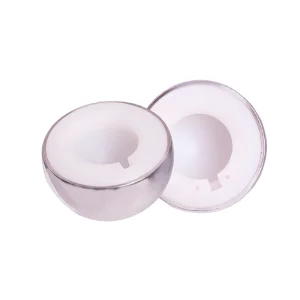
Wholesale FDAH Bipolar Acetabular Cup Medical Hip Joint Prosthetics Companies, Product
Explore Product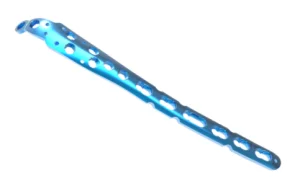
China Proximal Ulna Locking Compression Plate Quotes, Companies
Explore Product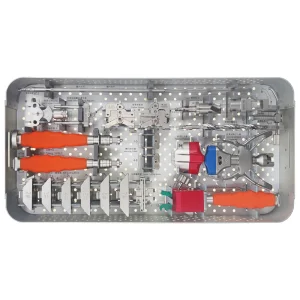
ODM New design quality guaranteed total knee joint instruments Manufacturer, Exporter
Explore Product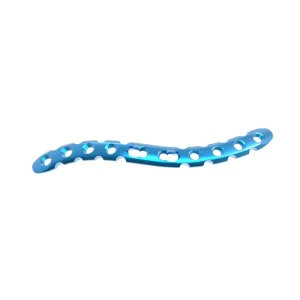
Wholesale Clavicle Reconstruction Locking Compression Plate Supplier, Exporters
Explore Product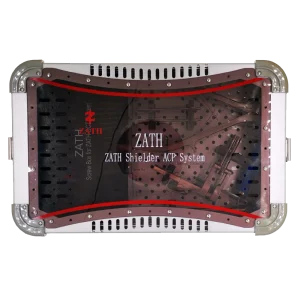
ODM Orthopedic Surgical Use Cervical ACP Plate System Instrument Set Manufacturer, Pricelist
Explore Product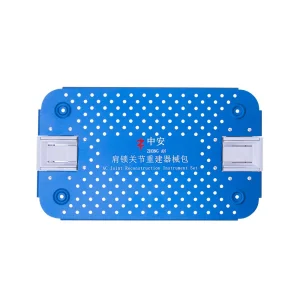
ODM AC Joint Reconstruction Instrument Set Supplier, Products
Explore Product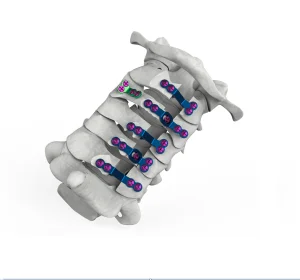
ODM Posterior Cervical Plate Fixation Dome Laminoplasty Plate Bone Implant Pricelist, Service
Explore Product