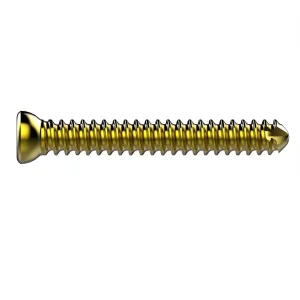
Precision Trauma, Joint & Spine Fixation Platforms
Engineered for biomechanical stability and surgical ease. Explore high-demand orthopedic implant assemblies designed for global surgical distributors and healthcare procurement networks.
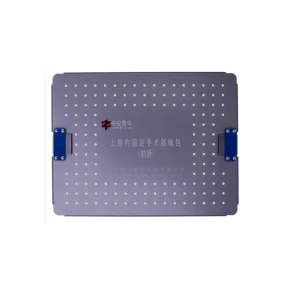
High-Quality CE Approved Trauma Rib Locking Plate Instrument Set Quotes
Request Quotation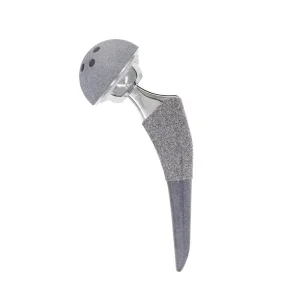
Ti Alloy JDS Total Hip Replacement Titanium Joint Prosthesis Quotes
Request Quotation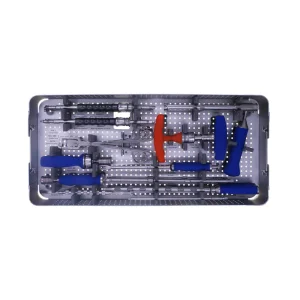
CE Certified Zipper 6.0 Spinal Internal Fixation System Instrument Set
Request Quotation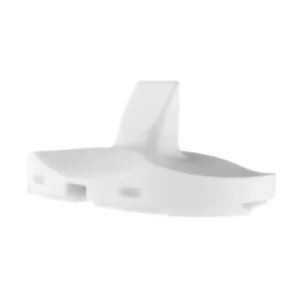
Enable Tibial Insert Knee Joint Prosthesis Wholesale Pricelist
Request Quotation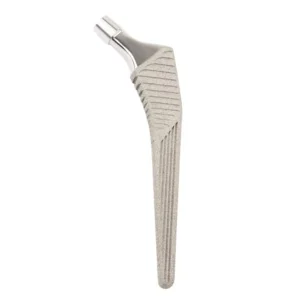
CE Certification ADS Stem For Hip Arthroplasty Prosthesis
Request Quotation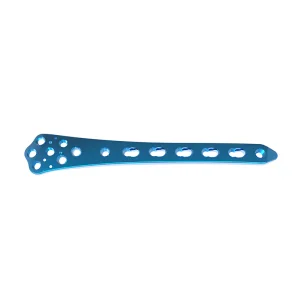
ODM Distal Lateral Femur Locking Compression Plate Solutions
Request Quotation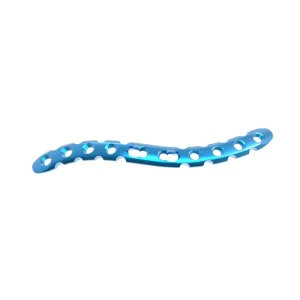
Wholesale Clavicle Reconstruction Locking Compression Plate
Request Quotation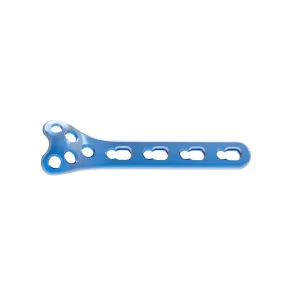
Best Radial Head Anatomical Locking Compression Plate Manufacturer
Request QuotationGlobal Enterprise Procurement Dynamics for PFNA Systems
Strategic analysis of proximal femoral nail antirotation demand across geriatric trauma demographics, hospital Value Analysis Committees (VAC), and supply continuity parameters.
Demographic Escalation & Osteoporotic Fractures
The acceleration of the global aging demographic has created unprecedented clinical demand for trochanteric fracture fixation. Proximal femoral fractures in osteoporotic bone present high cut-out risks when treated with conventional dynamic hip screws (DHS). Hospital procurement teams are actively transitioning to intramedullary nail systems featuring helical compaction blades that provide superior bone purchase without compromising cancellous architecture.
Hospital OR Time Optimization & MIS Adoption
Value Analysis Committees (VAC) now evaluate orthopedic trauma implants not merely on unit cost, but on Total Cost of Episode. Modern PFNA implants enable minimally invasive surgical (MIS) access, cutting intraoperative blood loss by up to 45% and reducing fluoroscopy time. Standardized, radiolucent carbon-fiber targeting instrumentation allows single-operator aiming, significantly accelerating surgical turnover.
Supply Chain Resiliency & Dual-Sourcing Mandates
Global medical device distributors have moved away from monolithic single-supplier models toward agile ODM partnerships. Tier-1 multinational OEMs frequently face production bottlenecks, creating supply deficits in regional healthcare tenders. High-capacity ODM facilities in certified precision hubs bridge this operational gap with guaranteed production slots and custom packaging compliance.
PFNA Mechanical Architecture & Kinematic Superiority
A rigorous examination of load distribution, rotational stability, stress shielding mitigation, and medical-grade alloy selection criteria for modern trochanteric fracture systems.
Helical Compaction Blade vs. Screws
Traditional lag screws drill away cancellous bone stock during insertion, creating weak anchoring in osteoporotic femoral heads. The ODM PFNA helical blade compresses surrounding trabecular bone radially during insertion. This compaction mechanic increases bone-to-implant contact density by up to 60%, delivering superior anchorage against varus collapse and rotational dislocation.
Optimized Mediolateral Angle & Valgus Curve
Engineered with a refined 5° mediolateral (valgus) angle, our PFNA nail design aligns smoothly with the anatomical insertion trajectory via the tip of the greater trochanter. This reduces lateral cortex impaction stress and prevents iatrogenic secondary fracture propagation during nail driving, matching diverse international patient anatomies.
Distal Flexibility & Stress Concentration
Long femoral nails commonly fail due to stiffness mismatch at the distal tip, leading to anterior cortical perforation or thigh pain. ZATH ODM nails incorporate a fluted, bevelled distal tip with dynamic and static locking options. This gradient flexibility dissipates shear loads into the diaphysis while maintaining critical rotational lock.
| Biomechanical Performance Vector | ZATH ODM PFNA Blade System | Standard Interlocking Lag Screw | Dynamic Hip Screw (DHS Plate) |
|---|---|---|---|
| Bone Anchoring Mechanism | Radial Trabecular Compaction (Zero Cut) | Thread Cutting (Bone Removal) | Extensive Reaming (Bone Volume Loss) |
| Mean Cut-Out Rate (Osteoporotic) | 0.8% - 1.4% | 4.2% - 7.5% | 8.1% - 12.0% |
| Primary Implant Material | Ti-6Al-4V ELI (ASTM F136 / ISO 5832-3) | Grade 4 Ti or 316L SS | 316L Stainless Steel |
| Torsional Resistance to Head Rotation | High (>42 Nm Stability Threshold) | Moderate (Subject to 'Z-effect') | Low without anti-rotation wire |
| Incision Length & Soft-Tissue Disruption | Percutaneous (1.5 - 3.0 cm MIS) | Semi-open (4.0 - 6.0 cm) | Open Exposure (10 - 15 cm) |
| Bending Fatigue Strength (Cycles) | >5,000,000 cycles @ 1,400 N load | >3,000,000 cycles | <2,500,000 cycles |
Industrial Infrastructure: Inside the ZATH Production Matrix
Operating since 2009 in Beijing's Zhongguancun Science and Technology Park, ZATH maintains complete in-house control from medical-grade raw bar stock to sterile shelf-ready implants.
5-Axis CNC Precision Swiss Machining
Every PFNA nail, helical blade, and end cap is machined on ultra-high-precision multi-axis turning-milling centers. This ensures sub-micron dimensional tolerances on complex anatomical curves, internal cannulations, and locking threading systems.
100% Comprehensive Batch Traceability
Raw titanium alloy bars undergo chemical composition assay and metallurgical grain structure analysis prior to machining. Each finished implant carries a laser-etched Unique Device Identifier (UDI) linked to complete mill test certificates.
ISO Class 7 Controlled Cleanroom Packaging
Implants are ultrasonically degreased and processed through controlled micro-surface passivation. Final sealing occurs in ISO Class 7 (Class 10,000) cleanrooms using medical-grade Tyvek/PETG double-blister sterile packaging ready for direct OR dispatch.
Aiming Instrument Sets & Calibrated Jigs
Surgical failures frequently stem from faulty jigs rather than implants. ZATH supplies matching PFNA instrument kits featuring radiolucent carbon fiber aiming arms, wear-resistant drill sleeves, and high-torque drivers configured for repeated autoclave sterilization.
Regulatory Clearance Dossiers
Our regulatory affairs division provides turnkey technical documentation including biocompatibility studies (ISO 10993), dynamic mechanical evaluation (ASTM F384/F543), and clinical evaluation reports (CER) supporting expedited approvals in regional ministries of health.
Global Express Cold & Secure Logistics
With integrated logistics partnerships (DHL, FedEx, UPS, EMS), standard export consignments clear customs seamlessly, providing global distributors with typical 4-6 business day delivery to maintain hospital consignments without safety-stock depletion.
Tailored Engineering for Regional Distributors & Private Brands
A systematic framework for developing private-label cephalomedullary platforms, from anatomical dimension adjustments to customized surgical kits.
Phase 1: Morphological & Clinical Specification
Customization begins with regional population morphology mapping. We modify standard PFNA nail curvature radii (e.g., 1.5m vs. 2.0m radius of curvature) to match shorter Asian femoral bowing or larger Western geometries, with nail lengths spanning 170mm (short) to 420mm (long).
Phase 2: Surface Anodization & Laser Branding
Distributors can customize electrochemical surface finishing, including Type II hard anodization in proprietary color spectra (cyan, teal, gold, rose) for intuitive intraoperative size identification, accompanied by private-label high-resolution fiber laser marking of company logos and GS1 barcodes.
Phase 3: Custom Graphic Cases & Sterile Barrier Trays
We design custom autoclavable aluminum sterilization cases featuring laser-cut silicone fixtures optimized for local hospital washer-disinfectors. Packaging options extend from bulk unsterile non-sterile bulk shipments to gamma/EO pre-sterilized individual double-blisters.
Regulatory Integrity & Global Quality Governance
Demonstrable compliance is the cornerstone of orthopedic procurement. ZATH upholds uncompromising quality verification verified by international notified bodies.
Certified ISO 13485:2016 Quality Management
Our quality management framework strictly adheres to international standards for medical device design, risk management (ISO 14971), and manufacturing. Full certificate records, audit reports, and audit trail documents are readily accessible to qualified B2B partners.
UDEM Certification & Free Sale Certificates
To assist in tender participation and expedited product registration across Latin America, the Middle East, Southeast Asia, and Eastern Europe, ZATH supplies valid Free Sale Certificates (FSC) and UDEM CE documentation alongside comprehensive Device Master Records.
Surgical Training & Field Clinical Support
Our partnership extends beyond product shipping. We offer comprehensive surgical technique guides (STG), video operative manuals, dry-lab bone workshop training sets, and direct consultation with senior biomedical engineers to ensure flawless clinical execution.
Frequently Asked Questions by Enterprise Buyers & Surgeons
Targeted technical, logistical, and biomechanical answers addressing critical evaluation criteria for PFNA and orthopedic systems.
The helical blade achieves purchase through bone compaction rather than bone removal. As the blade is driven into the femoral head, it condenses cancellous trabeculae radially. This creates a denser bone interface, dramatically reducing the incidence of varus tilt and superior cut-out—a frequent failure mode of large-diameter threaded screws in elderly patients.
Yes. Under our ODM services, we manufacture PFNA nails with neck-shaft (CCD) angles of 125° or 130°, and customized distal radii of curvature (ranging from 1.5m to 2.0m). Asian populations typically exhibit shorter femora with pronounced anterior bowing, requiring customized dimensions to prevent anterior distal tip impingement.
All ZATH trauma and joint implants are manufactured under an ISO 13485:2016-certified quality management system using implant-grade Ti-6Al-4V ELI (ASTM F136 / ISO 5832-3). Raw materials originate from certified medical-grade suppliers accompanied by full chemical analysis and mechanical tensile testing documentation.
Standard catalog implants carry flexible low-tier MOQs suitable for distributor inventory trials. For custom OEM orders involving proprietary laser marking, customized anodization colors, and private-label packaging, typical minimum production batches start at 50-100 sets, with turnaround times spanning 3-5 weeks depending on regulatory dossier requirements.
The aiming frame is manufactured from aerospace-grade radiolucent carbon fiber composite combined with stainless steel locating bushes. This prevents radio-opacity from obscuring femoral head views on C-arm fluoroscopy while ensuring that repeated autoclave cycles do not induce micro-deflection or drill sleeve misalignment.
Comprehensive Trauma & Endoscopic Product Solutions
Explore matching internal fixation implants, endoscope assemblies, and trauma screw platforms supporting complete hospital tender portfolios.
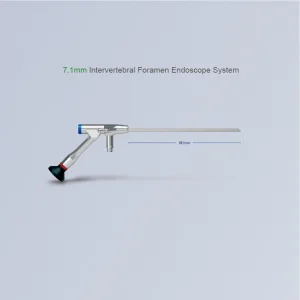
Wholesale 7.1mm Intervertebral Foramen Endoscope System Factory
Request Quotation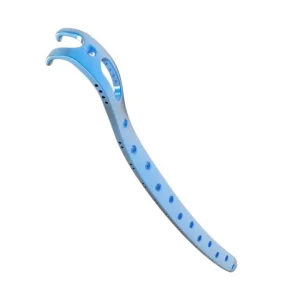
ODM Proximal Femur Locking Plate III Manufacturer & Suppliers
Request Quotation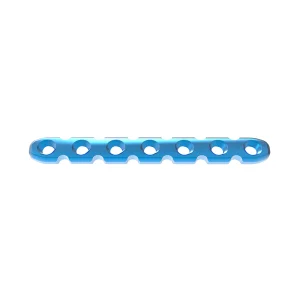
Cheap Reconstruction Locking Plate Competitive Quotes Company
Request Quotation
Buy High Quality Orthopedic Implant Double Ended Bone Pin Quotes
Request Quotation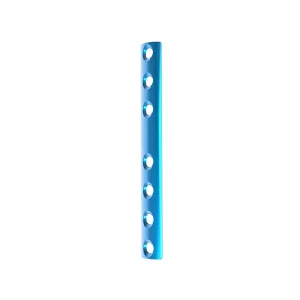
Metacarpal & Metatarsal Fractures 1/3 Tubular Locking Plate
Request Quotation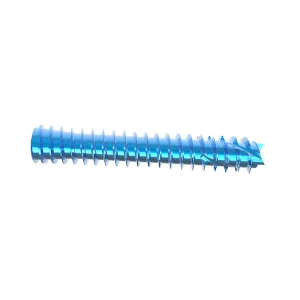
Buy Headless Screw Titanium Cannulated Compression Screws
Request Quotation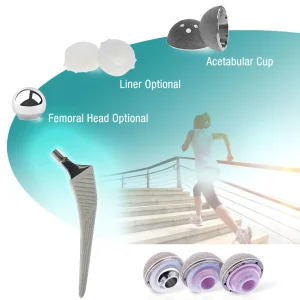
Discount Medical Hip Implant Titanium Bipolar Hip Joint Prosthesis
Request Quotation