
Featured Precision Implants & Surgical Solutions
Explore our certified orthopedic trauma, joint reconstruction, and spinal platforms manufactured under strict cleanroom conditions with multi-axis CNC tolerance.
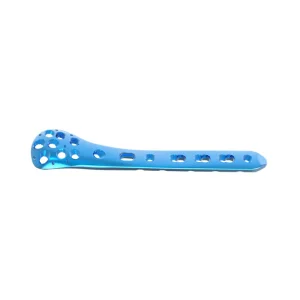
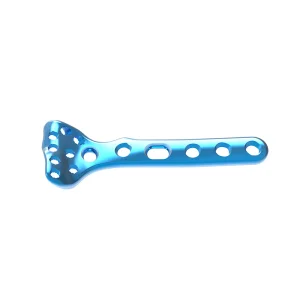
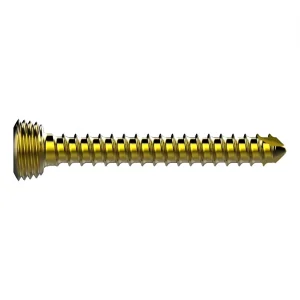
Engineering Biomechanics of Placa de Fíbula in Lateral Malleolar Trauma
A comprehensive examination of anatomical load transfer, metallurgical integrity, and combi-hole locking mechanisms in modern fibular fracture management.
The human fibula functions as a critical strut maintaining the integrity and width of the ankle mortise, transmitting approximately 15% to 18% of the axial physiological load under normal ambulation while securing the lateral ankle ligamentous complex. When fractures occur due to rotational forces, inversion stresses, or high-energy axial compression—categorized clinically under the Danis-Weber and Lauge-Hansen classifications—the application of a precision-engineered Placa de Fíbula (fibular locking compression plate) becomes imperative. Surgical restoration mandates anatomical length reconstruction, rotational alignment, and precise mortise congruence to prevent post-traumatic talocrural osteoarthritis.
From a metallurgical standpoint, modern Placas de Fíbula are predominantly machined from medical-grade wrought titanium alloy (Ti-6Al-4V ELI conforming to ASTM F136 / ISO 5832-3) or ultra-clean 316LVM implant stainless steel (ASTM F138). Titanium alloy offers an elastic modulus (approx. 110 GPa) significantly closer to human cortical bone (approx. 18–20 GPa) compared to stainless steel (200 GPa). This substantial reduction in stiffness mitigates stress-shielding phenomena, encourages secondary periosteal callus formation through controlled micromotion, and dramatically lowers the risk of post-healing refracture following implant extraction.
| Biomechanical & Design Parameter | Traditional 1/3 Tubular Plate | Standard Non-Locking Fibula Plate | ZATH Anatomical Locking Placa De Fíbula |
|---|---|---|---|
| Primary Fixation Principle | Friction between plate and periosteum | Friction reliant on cortical bone torque | Fixed-angle internal fixator (Combi-hole) |
| Periosteal Blood Supply Impact | Severe compression; high vascular necrosis risk | Moderate contact compression | Minimal contact undercut design |
| Osteoporotic Bone Purchase | Extremely poor; early screw pull-out | Sub-optimal; screw stripping common | Multi-screw angular stability cluster |
| Anatomical Pre-contouring | Requires manual intraoperative bending | Generic lateral curve; contour fatigue | 3D CT scanned Asian/Caucasian geometry |
| Syndesmotic Fixation Window | Unavailable / Compromised | Limited round holes | Dedicated syndesmosis oblong/locking slots |
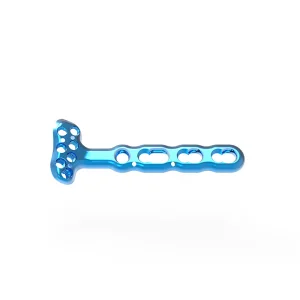
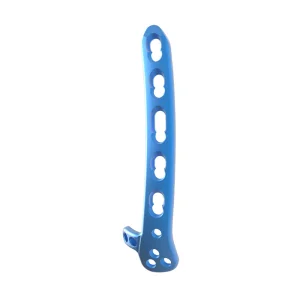
The geometry of the distal fibular lateral surface features a distinct posterior tilt and twisting curvature. Conventional flat or semi-tubular plates forced surgeons into tedious manual bending during operations. This cold-working stress concentration routinely induced implant notch fatigue, plate snapping, or joint malreduction. Modern high-tier Placas de Fíbula incorporate multi-planar pre-shaped anatomical contours. Distally, the plate splays to accommodate multiple 2.7mm or 3.5mm low-profile locking screws aimed divergent to avoid the articular cartilage while capturing small subchondral fragments in osteoporotic elderly patients.
Strategic Advantages of Chinese Medical Device Manufacturing
How Beijing ZhongAnTaiHua Technology Co., Ltd. (ZATH) merges state-of-the-art CNC precision with scalable cost engineering to deliver world-class trauma solutions.
Multi-Axis Swiss CNC Machining
Equipped with 5-axis DMG MORI and Citizen high-speed turning centers, ZATH guarantees plate thickness tolerances within ±0.01 mm and thread pitch pitch consistency that ensures zero binding between locking screw heads and threaded plate holes during high-pressure operating room procedures.
ISO 13485 & Cleanroom Protocol
Operating since 2009 in Zhongguancun Science Park, Beijing, our facility encompasses Class 100,000 cleanrooms and Class 10,000 microbiological testing stations. Every production lot undergoes rigorous bioburden assessment, pyrogen validation, and blister-pack integrity testing under ISO 11607 standards.
Unmatched Economies of Scale
With an integrated industrial supply chain spanning raw ingot melting, wire-EDM cutting, chemical surface passivation, Type II anodization, laser marking, and sterile packaging under one roof, our wholesale partners benefit from 40% to 60% procurement cost reductions compared to Western OEM brands.
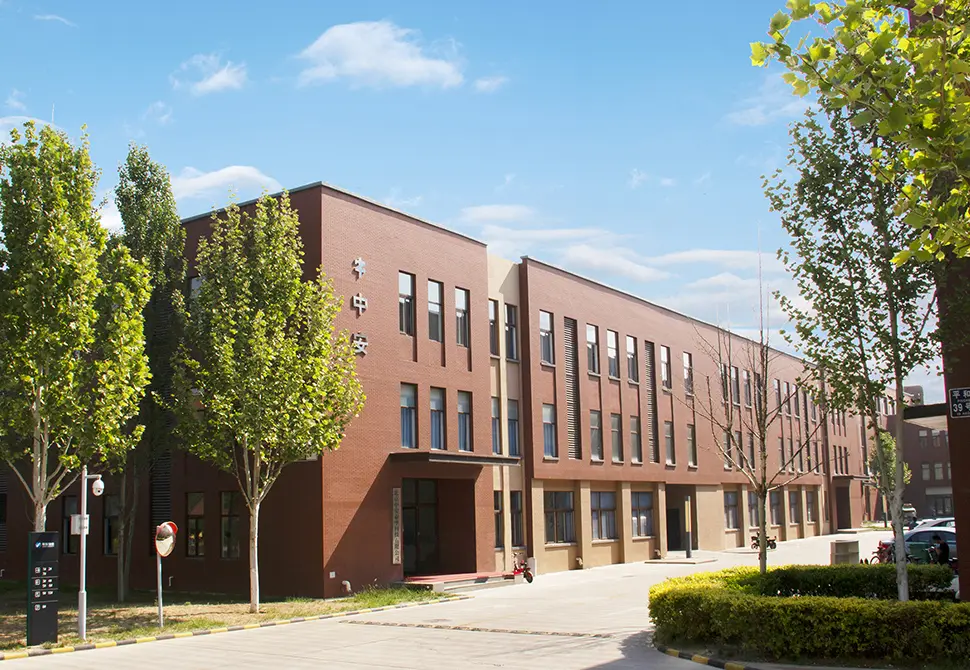
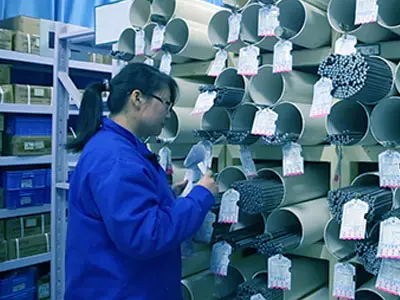
Accountable In-House Manufacturing from Bar Stock to Sterile Implant
Unlike trading companies or virtual brokers, ZATH operates over 300 experienced professionals, including 100 dedicated orthopedic technical engineers. By managing the complete manufacturing spectrum in Beijing, distributors bypass middlemen markups, secure batch-to-batch chemical certification, and obtain genuine factory warranties.
- 100% Raw Material Mill Certificates: Spectrometric verification of every lot of Ti-6Al-4V ELI & 316LVM medical bars.
- Automated CMM Optical Inspection: Hexagon 3D coordinate measuring systems confirming hole threading geometries.
- Full Regulatory Dossiers: CE, ISO 13485, and Free Sale Certificates ready for international ministry of health registrations.
Next-Generation Architectural Trends in Fibula Plating
Discover how contemporary clinical demands are reshaping the geometry, surface engineering, and surgical workflows of fibular trauma implants.
Ultra-Thin Tapered Profiles
Skin over the lateral malleolus is notoriously thin. Leading manufacturers are transitioning toward distal plate thicknesses under 1.5mm with heavily beveled, chamfered edges to eliminate symptomatic hardware prominence and secondary hardware removal surgeries.
Variable-Angle Locking
Transitioning beyond rigid monoaxial locking, modern systems offer cone angulation of ±15 degrees. This enables surgeons to intentionally angle screws away from the distal articular surface or direct bone purchase into denser anterior or posterior cortical fragments.
Syndesmotic Integration Slots
Concurrent syndesmotic disruptions occur in up to 35% of Weber B and 70% of Weber C fractures. Next-gen plates feature oblong slots that permit targeted insertion of syndesmotic screws or dynamic flexible suture-button devices without plate hole interference.
3D Printed Porous Customization
For complex segmental bone loss resulting from explosive trauma or oncology resections, selective laser melting (SLM) additive manufacturing allows direct fabrication of porous titanium fibular constructs with matching trabecular pore sizes (400–600 μm) for immediate osseointegration.
Clinical Application Scenarios for Placa De Fíbula Implantation
Specific anatomical workflows, surgical approaches, and patient indication strata for lateral and posterolateral malleolar stabilization.
Danis-Weber Type B Fractures (Trans-Syndesmotic)
The most prevalent ankle injury, typically caused by supination-external rotation. The Placa de Fíbula Distal Lateral neutralizes rotational torsion and shear stress across the oblique fracture line. An independent 3.5mm lag screw is placed perpendicular to the fracture plane, over which the anatomical locking plate acts as a neutralizing splint.
Danis-Weber Type C Fractures (Supra-Syndesmotic)
High-energy pronation injuries involving high fibular shaft fracture and disruption of the interosseous membrane and syndesmosis. Long Placas de Fíbula (7-hole to 12-hole variants) bridge comminuted segments, providing stable anchorage for trans-syndesmotic positional screws traversing three or four cortices into the distal tibia.
Posterolateral Antiglide Applications
When utilizing a posterolateral surgical approach for trimalleolar injuries involving the Volkmann's fragment, a straight or contoured Placa de Fíbula is applied to the posterior surface of the lateral malleolus. In this mode, the plate functions mechanically as an antiglide buttress, preventing proximal translation of the distal fragment with significantly reduced hardware palpable under the skin.
Osteoporotic Fragility Fractures in Geriatrics
In patients over 65 presenting with thin cortical shells and low trabecular density, conventional screws frequently experience loss of torque and early toggle loosening. The multidirectional distal locking cluster of the ZATH Placa de Fíbula creates a rigid fixed-angle structural scaffold that distributes stress, facilitating earlier weight-bearing and functional rehabilitation.
Complete Hospital Systems: Matching Instrument Sets & Sterile Logistics
Beyond individual implants, hospitals demand coordinated surgical instrumentation and sterile supply chains to shorten operating room cycles and guarantee infection control.
Ergonomic Surgical Tray Configuration
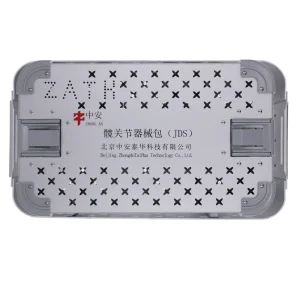
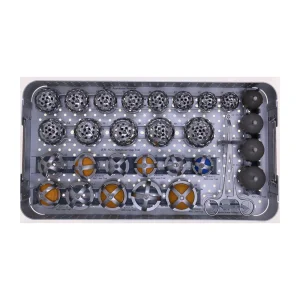
A successful osteosynthesis outcome relies on the harmonious interaction between plate, screws, and hand tools. ZATH delivers dedicated trauma graphic cases containing color-coded instruments crafted from German 1.4116 stainless steel and medical-grade polyphenylsulfone (PPSU).
- Calibrated Torque-Limiting Screwdrivers: 1.5 Nm preset mechanisms prevent screw head stripping and overtightening cold welding.
- Double-Ended Drill Guides: Integrated sleeves for both neutral dynamic compression and rigid locking trajectories.
- Anatomical Plate Benders & Holding Forceps: Low-profile reduction instruments enabling percutaneous insertion.
Empower Your Brand with Private-Label OEM/ODM
Custom laser marking, regional box branding, barcode/UDI assignment, and localized language user manuals (IFUs) configured precisely for your domestic tenders.
Strategic Buyer Guide: Hospital Tender & Qualification Checkpoints
A structured auditing framework for procurement directors evaluating wholesale orthopedic manufacturers in Latin America, Europe, the Middle East, and Asia.
1. Biocompatibility & Metallurgy
Verify test reports for ISO 10993 (cytotoxicity, systemic toxicity, delayed hypersensitivity) and material traceability certificates according to ASTM F136 (ELI Grade 5). Ensure interstitial elements (oxygen, nitrogen, iron) strictly comply with international surgical implant limits.
2. Static & Dynamic Fatigue Testing
Procurement bids require proof of dynamic fatigue durability conforming to ASTM F382 (Standard Specification and Test Method for Metallic Bone Plates). Implants must demonstrate survival through 1,000,000 cycles under cyclical bending stress without microcrack propagation.
3. Packaging & Sterility Validation
Inquire whether products are supplied non-sterile (for hospital autoclave processing) or pre-sterilized via Ethylene Oxide (EO) or Gamma radiation (ISO 11137). Tyvek double-blister packs must maintain a validated 5-year shelf-life barrier against moisture and microbiological contamination.
Frequently Asked Questions for Medical Importers & Hospital Buyers
Clear, direct answers regarding minimum order quantities, regulatory filings, biocompatibility, and customized surgical configurations.
What anatomical variants of Placa De Fibula does ZATH manufacture?
What is the standard material grade used for your fibular locking plates and screws?
Are ZATH implants supplied sterile or non-sterile?
What quality management and international certifications do you maintain?
What are your Minimum Order Quantities (MOQ) and sample lead times?
Can your fibula plates accommodate syndesmotic repair devices?
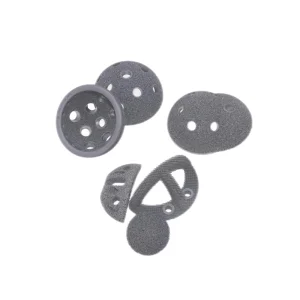
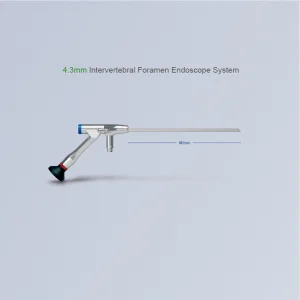
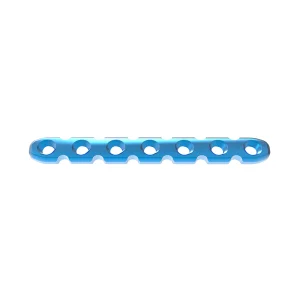
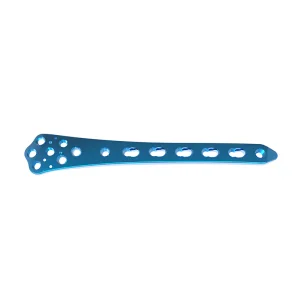
Additional Orthopedic Trauma, Spine & Reconstruction Solutions
Complementary implants and specialized instrumentation engineered for full-body fracture fixation and orthopedic reconstruction.

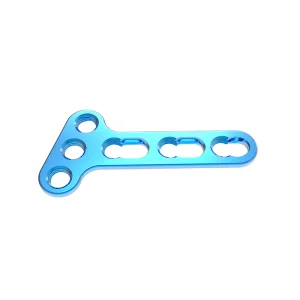
Accelerate Your Regional Orthopedic Market Leadership
Whether supplying tertiary trauma hospitals, participating in national health tenders, or scaling private brand portfolios, partner directly with Beijing ZhongAnTaiHua Technology Co., Ltd. (ZATH) for guaranteed clinical excellence, competitive factory pricing, and dedicated engineering support.